Thành phố Huế
TRAVEL GUIDE
Thua Thien Hue

Introduction

Comprehensive Hue Travel Guide: From A to Z

Welcome to the Hue travel guide by Sovaba, your gateway to a land rich in heritage where past and present converge across architectural lines and soulful chamber melodies along the Perfume River. Boasting profound history, distinctive imperial culture, and romantic scenery, Hue is not merely a destination, but a journey of personal reflection. Sovaba Travel provides practical insights from A to Z to help you plan the perfect journey. Let Sovaba guide your itinerary through the comprehensive guide below!

Why Choose Hue as Your Travel Destination?

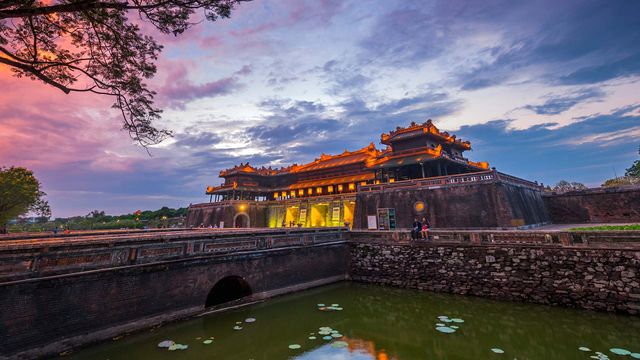
Hue is more than just a city; it is a living treasure of heritage etched into every brick, river, and folk tune. As the final imperial capital of the Nguyen Dynasty, Hue preserves the golden hallmark of a magnificent era through its imperial citadel, majestic tombs, and poetic royal gardens. It is no wonder that the city holds 6 UNESCO-recognized world cultural heritages, establishing Hue as one of Vietnam's most culturally valuable destinations.

Yet Hue offers far more than historical heritage. The city is also a gastronomic paradise, honored by TasteAtlas among the Top 50 Best Food Cities in the World in 2024. Just as Hanoi has pho and Saigon has broken rice, Hue is celebrated for its flavorful beef noodle soup, fragrant grilled pork skewers, rustic baby clam rice, steamed water fern cakes, and tapioca dumplings—delicacies that leave an indelible impression from the very first taste.

What truly completes the Hue experience is its people. Free from rush and bustle, the locals welcome travelers with gentle sincerity, reflecting the city's serene rhythm. A trip to Hue is not just for sightseeing, but for listening and feeling, allowing every step through the ancient capital to become an unforgettable memory. Hue is not only worth visiting—it deserves to be felt with your entire soul.

The Ideal Time to Visit Hue

Hue possesses a unique charm throughout the entire year; however, for the most pleasant experience, you should visit in March and April. During this time, the weather is pleasantly sunny and mild, free from scorching heat or protracted rains—perfect for wandering through the Imperial Citadel, touring royal tombs, visiting Thien Mu Pagoda, or embarking on a dragon boat ride accompanied by traditional Hue chamber music on the Perfume River.  

If you prefer a quieter, more contemplative atmosphere, winter (November to January) offers an evocative experience. Hue turns crisp and cool, occasionally brushed by light drizzles that create an intensely poetic scene. For those who enjoy vibrant festivals, summer (April to June) is the time to immerse yourself in the Hue Festival, which showcases imperial cultural splendor alongside diverse artistic performances.  

Whenever you choose to visit, Hue has its own delicate way of capturing your heart—through timeless colors, rich flavors, and the gentle grace of its people.

Ticket Prices for Attractions in Hue

Below is detailed entrance fee information for prominent sightseeing attractions in Hue, assisting you in planning your travel itinerary smoothly.

Bach Ma Village: 100.000 vnđ/guest

Perfume River Hue Chamber Music Cruise: 100.000 vnđ/guest

An Dinh Palace:

Domestic Visitors: 50.000 vnđ/guest; Children: free

International Visitors: 50.000 vnđ/guest; Children: free

Dong Khanh Tomb: 

Domestic Visitors: 100.000 vnđ/guest; Children: free

International Visitors: 100.000 vnđ/guest; Children: free

Gia Long Tomb: 

Domestic Visitors: 150.000 vnđ/guest; Children: free

International Visitors: 150.000 vnđ/guest; Children: free

Khai Dinh Tomb:

Domestic Visitors: 150.000 vnđ/guest; Children: 30.000 vnđ/guest

International Visitors: 150.000 vnđ/guest; Children: 30.000 vnđ/guest

Minh Mang Tomb: 

Domestic Visitors: 150.000 vnđ/guest; Children: 30.000 vnđ/guest

International Visitors: 150.000 vnđ/guest; Children: 30.000 vnđ/guest

Tu Duc Tomb: 

Domestic Visitors: 150.000 vnđ/guest; Children: 30.000 vnđ/guest

International Visitors: 150.000 vnđ/guest; Children: 30.000 vnđ/guest

Thieu Tri Tomb:

Domestic Visitors: 50.000 vnđ/guest; Children: free

International Visitors: 50.000 vnđ/guest; Children: free

Imperial Citadel:

Domestic Visitors: 200.000 vnđ/guest; Children: 40.000 vnđ/guest 

International Visitors: 200.000 vnđ/guest; Children: 40.000 vnđ/guest

Minh Mang + Gia Long Tombs Combo: 

+ Domestic Visitors: 240.000 vnđ/guest; Children: 30.000

+ International Visitors: 240.000 vnđ/guest; Children: 30.000

Tu Duc + Dong Khanh Tombs Combo: 

+ Domestic Visitors: 200.000 vnđ/guest; Children: 30.000

+ International Visitors: 200.000 vnđ/guest; Children: 30.000

Nam Giao Esplanade: 

+ Domestic Visitors: 50.000 vnđ/guest; Children: free

+ International Visitors: 50.000 vnđ/guest; Children: free

Huyen Tran Princess Temple: 30.000 vnđ/guest

Hon Chen Temple: 

+ Domestic Visitors: 50.000 vnđ/guest; Children: free

+ International Visitors: 50.000 vnđ/guest; Children: free

Le Ba Dang Memory Space: 120.000 vnđ/guest

Additionally, attractions such as Trang Tien Bridge, Dong Ba Market, Thien Mu Pagoda, Quoc Hoc Hue High School, and several other sites offer free admission. 
Transportation Guide

In this comprehensive self-guided travel handbook from A to Z, Sovaba Travel provides practical transportation guidance to help you reach this fascinating destination seamlessly:

By Air: 

You can easily travel to Hue by air via direct flights to Phu Bai Airport operated by airlines such as Vietnam Airlines, Bamboo Airways, and Vietjet Air. Airfares excluding taxes and fees generally range between 400.000 – 2.250.000 VNĐ/ticket, depending on booking time and seating class.

By Train: 

Traveling to Hue by train is a rewarding experience, particularly for those who enjoy admiring scenic countryside along the route. To save time, you can opt for SE express trains, with travel times ranging from 29 to 33 hours. Departing from Saigon, tickets range from 300.000 to 1.000.000 VNĐ/ticket, depending on seating options such as hard seats, soft seats, or sleeper berths. The railway is well-suited for travelers seeking a leisurely trip to observe the landscapes of Vietnam unfolding across the rails.

By Coach / Sleeper Bus: 

For budget-conscious travelers, reliable bus and limousine operators like Thuy Ngan Limousine, Camel Travel, Minh Lap, Duc Thinh, Duong Vu, and Van Khoi are widely available. Departing from Hanoi, fares generally range from 250.000 to 450.000 VNĐ/ticket, depending on vehicle type and onboard services. With flexible options, you can readily find the suitable service for a smooth and convenient journey.

Hue Cuisine

Hue is celebrated not only for its cultural heritage, but also as one of Vietnam's most distinguished gastronomic capitals. Hue cuisine combines the refined, elaborate artistry of the royal court with the rustic simplicity of folk dishes. Moreover, underpinned by a deep-rooted Buddhist heritage, Hue serves as a haven for delicate vegetarian gastronomy.  

Royal Court Cuisine 

Hue royal court cuisine is an art form in culinary preparation and presentation. Every dish demands precision in ingredients, cooking technique, and artistic arrangement, reflecting the noble luxury once reserved for emperors. Prominent specialties include peacock spring rolls, phoenix sausage, lotus seed rice, and imperial sweet soup, all presenting noble and elegant flavors. 

Folk Cuisine 

While royal cuisine emphasizes visual artistry, folk cuisine captures the everyday pulse of Hue life. These dishes, seemingly humble, burst with rich flavors that showcase local culinary mastery. When in Hue, do not miss celebrated local favorites such as Hue beef noodle soup, steamed water fern cakes, clear tapioca dumplings, flat steamed rice dumplings, and baby clam rice. These dishes highlight authentic Hue taste, harmonizing spicy, savory, sour, and sweet profiles.  

Vegetarian Cuisine 

Home to approximately 108 pagodas and over 300 Buddhist recitation halls, Hue boasts an exceptionally diverse vegetarian food culture. For the local people, predominantly Buddhist, vegetarian dining is not merely a custom, but an enduring lifestyle. Hue vegetarian dishes are light, delicate, and creative, featuring vegetarian noodle soup, vegetarian spring rolls, braised jackfruit, and vegetarian tapioca dumplings. Remarkably, Hue vegetarian cuisine avoids artificial seasoning powder while maintaining rich depth through the skillful use of fresh vegetables and natural herbs.  

Accommodation Options in Hue

Selecting the right place to stay will ensure your visit to Hue is fulfilling. For luxury amenities and world-class service, 5-star hotels such as Melia Vinpearl Hue, Senna Hue Hotel, TTC Imperial Hue, and Silk Path Grand Hue Hotel provide superior resort experiences in prime city locations.  

For guests seeking modern convenience at reasonable rates, 2-to-3-star hotels are excellent choices. To Vo Hostel, Thuy Duong Boutique Hotel Hue, Gold Hotel Hue, and Gardenia Hue Hotel offer strategic locations and dependable service, ideal for young friend groups, families, and couples looking to maximize value without compromising on comfort.   

If you prefer an intimate setting to experience Hue authentically, homestays are the perfect option. Hue Sweethouse 2 Homestay, Stop and Go Boutique Homestay Hue, Hue Lovely Homestay, and Plumeria Homestay feature cozy designs, gentle aesthetics, and warm local hospitality, making you feel right at home in the heart of the ancient city.  

Depending on your preferences and budget, you can easily find the perfect accommodation for an unforgettable self-guided holiday in Hue!

Prominent Activities and Events in Hue in 2025

In 2025, Hue stands as the focal point of Vietnam tourism with a magnificent lineup of events spanning all four seasons. Hosting more than 170 national and provincial events, Hue will complement its customary tranquility with vibrant, colorful festivities, ready to welcome visitors from across the globe.

Spring Festival – "Ancient Capital Spring" (January – March)

Spring is when Hue flourishes with imperial celebrations and traditional Lunar New Year cultural spaces, transporting visitors back to the ambiance of the ancient capital. In particular, 2025 marks the 1st Ancient Capital Martial Arts Festival, uniting local masters with renowned domestic and international martial arts schools. Furthermore, this season hosts the Grand Opening Ceremony of the National Tourism Year and the 50th Anniversary of the Liberation of Hue, delivering deeply moving artistic showcases.

Summer Festival – "Shining Citadel" (April – June)

Summer in Hue is illuminated by bright sunshine and vibrant performing arts. The season's centerpiece is the Community Ao Dai Week and artistic Ao Dai Fashion Show, honoring the elegance of the traditional Vietnamese tunic amidst historic royal backdrops.

Autumn Festival – "Hue in Autumn" (July – September)

Hue's autumn is naturally poetic, made even more romantic by a grand Mid-Autumn Festival that recreates traditional celebrations with radiant lanterns, energetic lion dances, and engaging experiential activities for visitors.

Winter Festival – "Winter in Hue" (October – December)

For those who consider winter in Hue quiet and cold, 2025 will prove otherwise. A dynamic series of entertainment and art performances will render Hue's winter warmer and more energetic than ever. Key highlights include the International Music Festival and the Closing Ceremony of the National Tourism Year – Hue 2025, bringing together top-tier performances. Do not miss the New Year Countdown 2026 program, as Hue lights up in brilliant splendor and festive energy. Hue always has something extraordinary awaiting you. Come and experience what this ancient capital preserves. You can also explore Hue tour packages by Sovaba Travel to embark on your journey effortlessly without any worries. 

TRAVEL GUIDE


Attractive destinations


Suggested hot tours in Thua Thien Hue