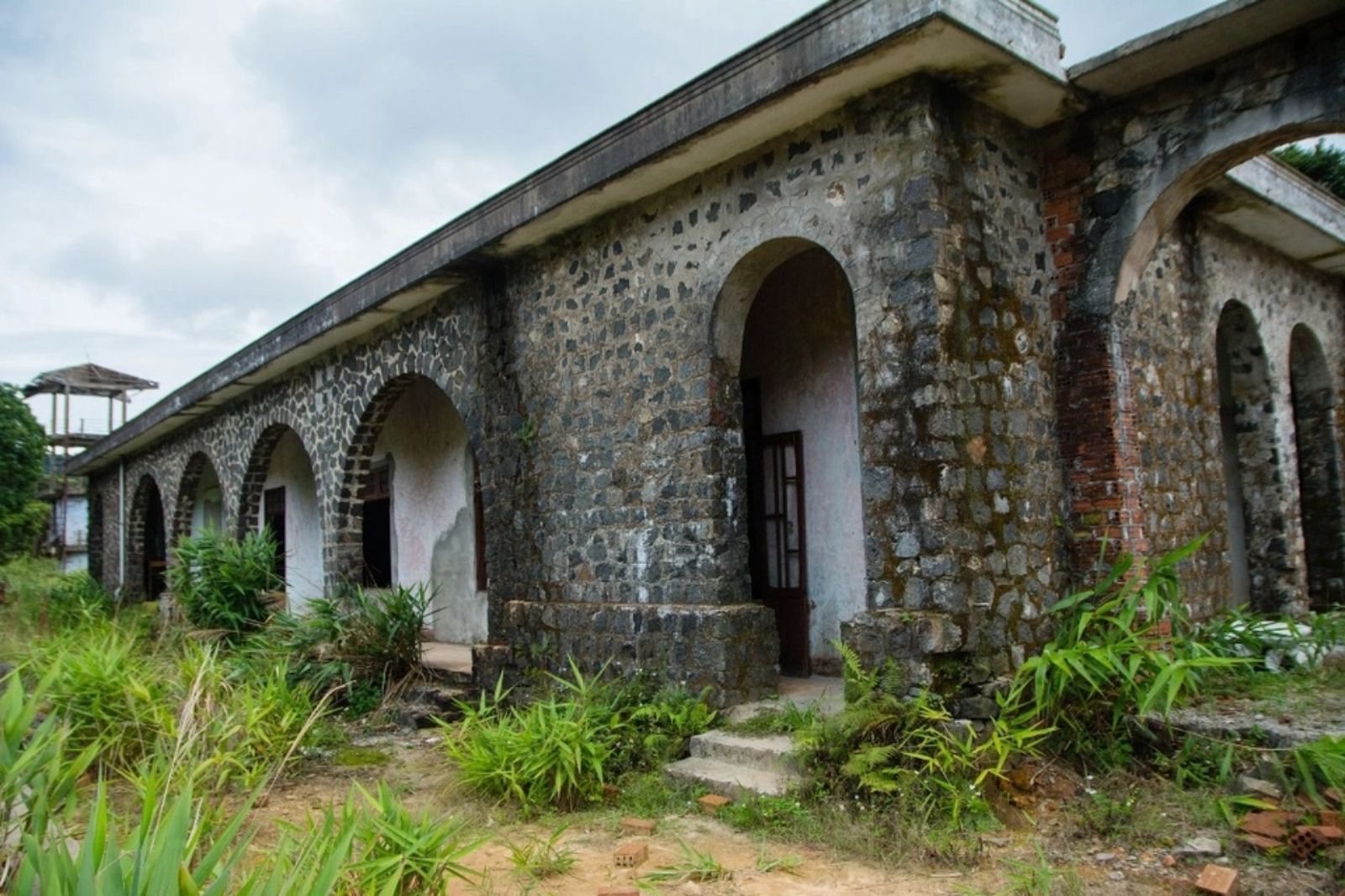
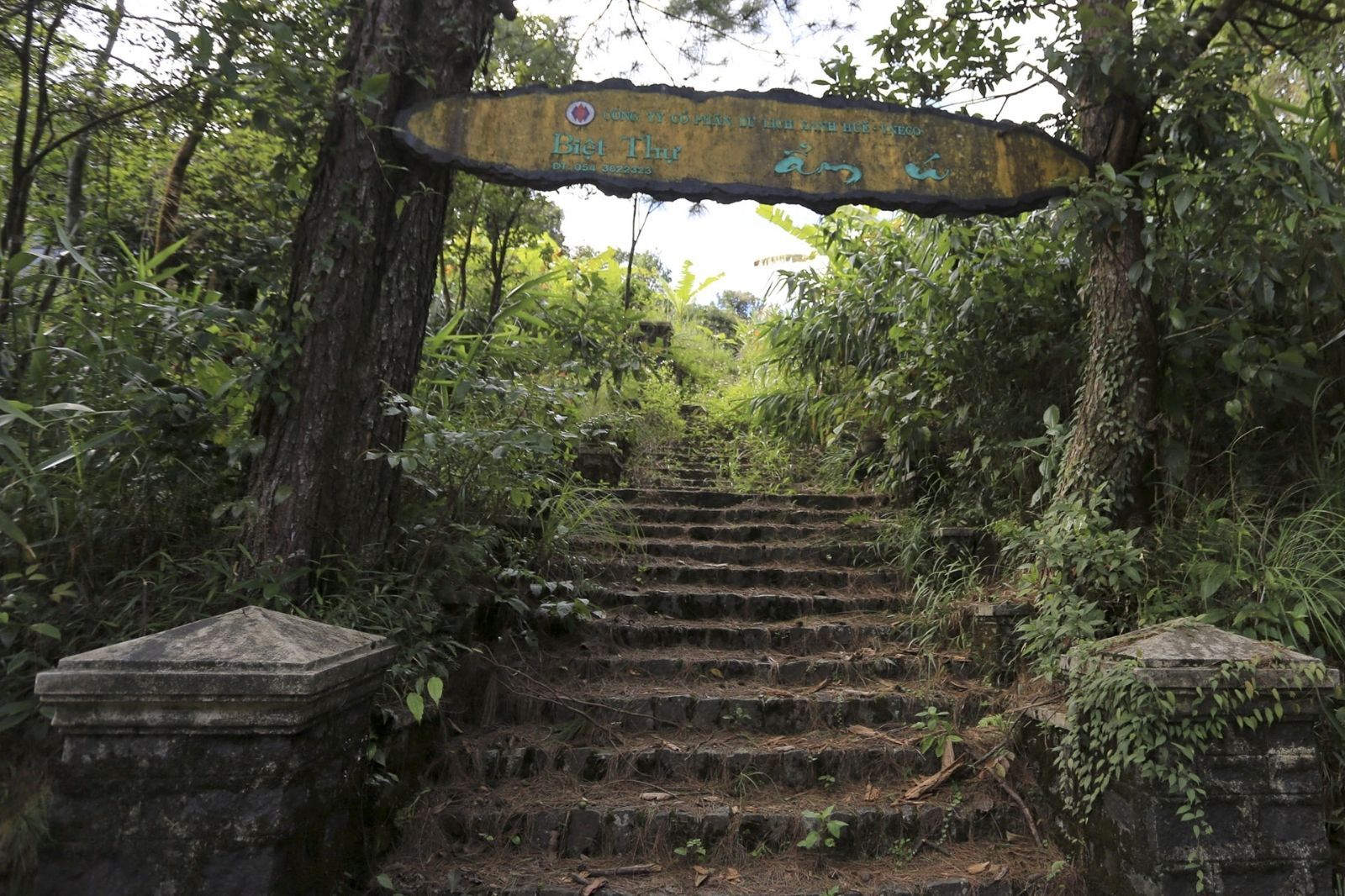
Few people know that Bach Ma National Park today once had a very different appearance. From the early 20th century, the French administration in Indochina began searching for high-mountain areas with cool climates to develop stations d’altitude – high-altitude hill stations for the summer. At an altitude of over 1,400 m, an average temperature of about 20°C, beautiful landscapes, and located only about 40 km from Hue, Bach Ma quickly caught their attention. In 1932, M. Girard, a public works engineer in Annam, was recorded as the person who surveyed and proposed developing the summit of Bach Ma; some documents also mention engineer Raoul Desmarest. From then on, the mountain area that once had only footpaths for walkers and sedan chairs began to see investment in road construction. Around 1933–1934, the road to Bach Ma was gradually expanded for automobile access, laying the first bricks for the formation of a famous hill resort on the mountain peak later on.
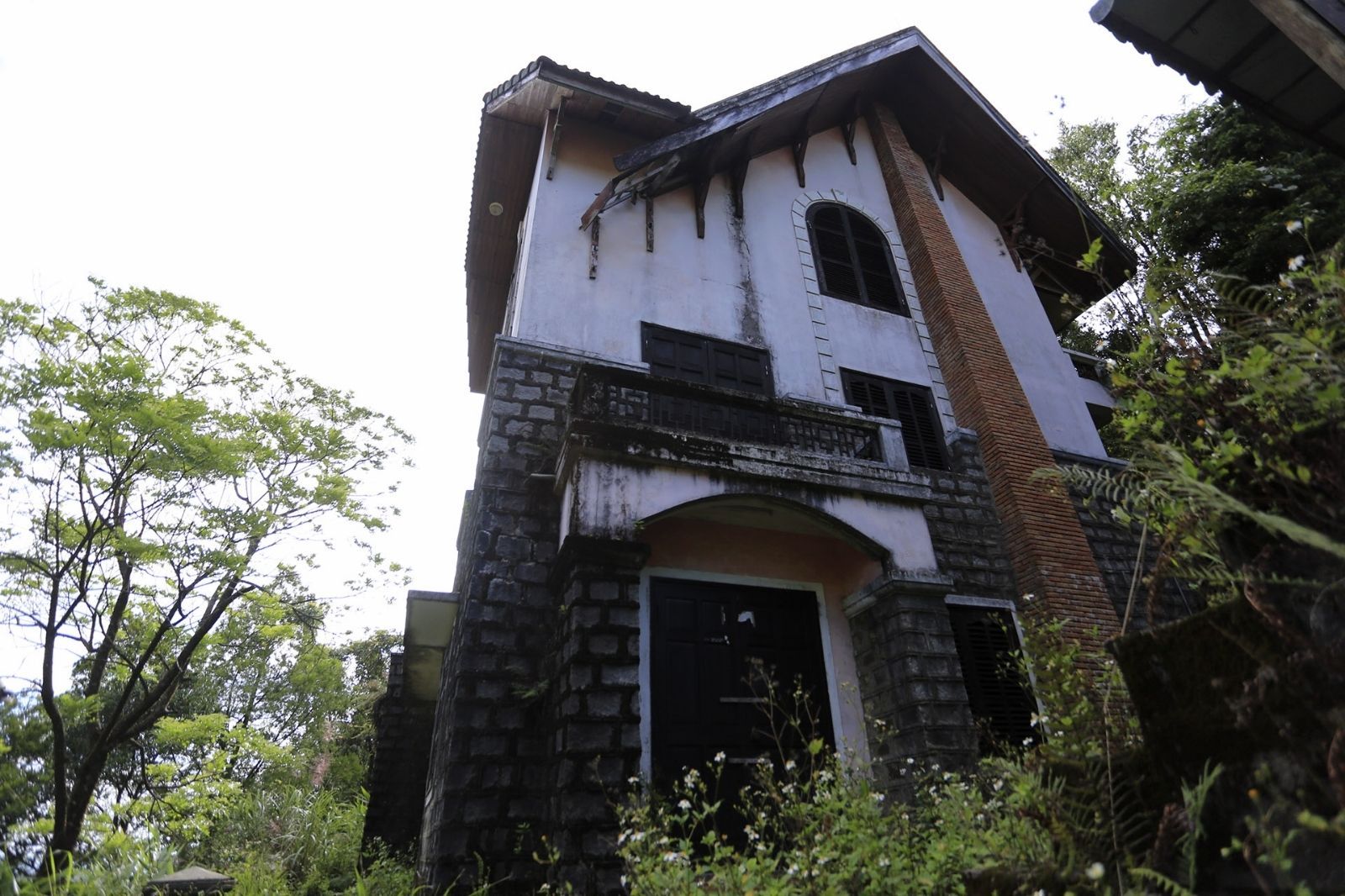
By April 1936, the construction of houses and villas in Bach Ma was specifically regulated. Land was subdivided and auctioned at preferential prices, paving the way for a true resort to take shape in the forest. In the late 1930s and early 1940s, Bach Ma had around 130–139 structures. Besides villas and chalets, there were also the Morin Hotel, a post office, tennis courts, a swimming pool, a market, and religious facilities. In 1939, the area was organized under an urban status and became a resort visited by French officials, officers, merchants, alongside a section of mandarins and the elite of the Nguyen dynasty.
Then history turned the page. In 1945, Japanese troops occupied the area, causing the resort to gradually become deserted. War and time continued to leave heavy marks. A place that once had hotels, villas, swimming pools, and bustling vacation days was left with only scattered old architectural fragments beneath the forest canopy. And precisely those remnants make a very different Bach Ma today.