Astonished by the Newly Discovered Cave System in Quang Binh

Central

Quang Binh

Sovaba.travel

Updated at: 24/09/2026

1. The discovery process of the new caves

In March, amid the gentle mild sunshine of the heritage region, a quiet journey began. From March 1 to 15, 2024, the UK-Vietnam expedition team, supported by Phong Nha – Ke Bang National Park, quietly traversed the forests and wound through the underground, adding new lines to the magnificent tapestry of Quang Binh's caves.

After two weeks of sweating in the deep forests and high mountains, 22 new caves were discovered, like rough gems revealing their very first light after millions of years in hiding. Along with these, 3 other caves were additionally surveyed, recording precious data for the preservation of this natural treasure.

The survey stretched from the core and buffer zones of the National Park to the further forests of Lam Hoa and Tuyen Hoa, where the terrain is rugged and pristine, seemingly untouched by human footsteps. 

  • 7 caves in the core zone, 1,415m long
  • 7 caves in the buffer zone, 1,027m long 
  • 11 caves in Lam Hoa, 1,108m long 

With a total length of nearly 3,550 meters, some caves measure a mere 30m, while others plunge 154m deep and reach up to 550m in height—each number representing a slice of an untold wonder.
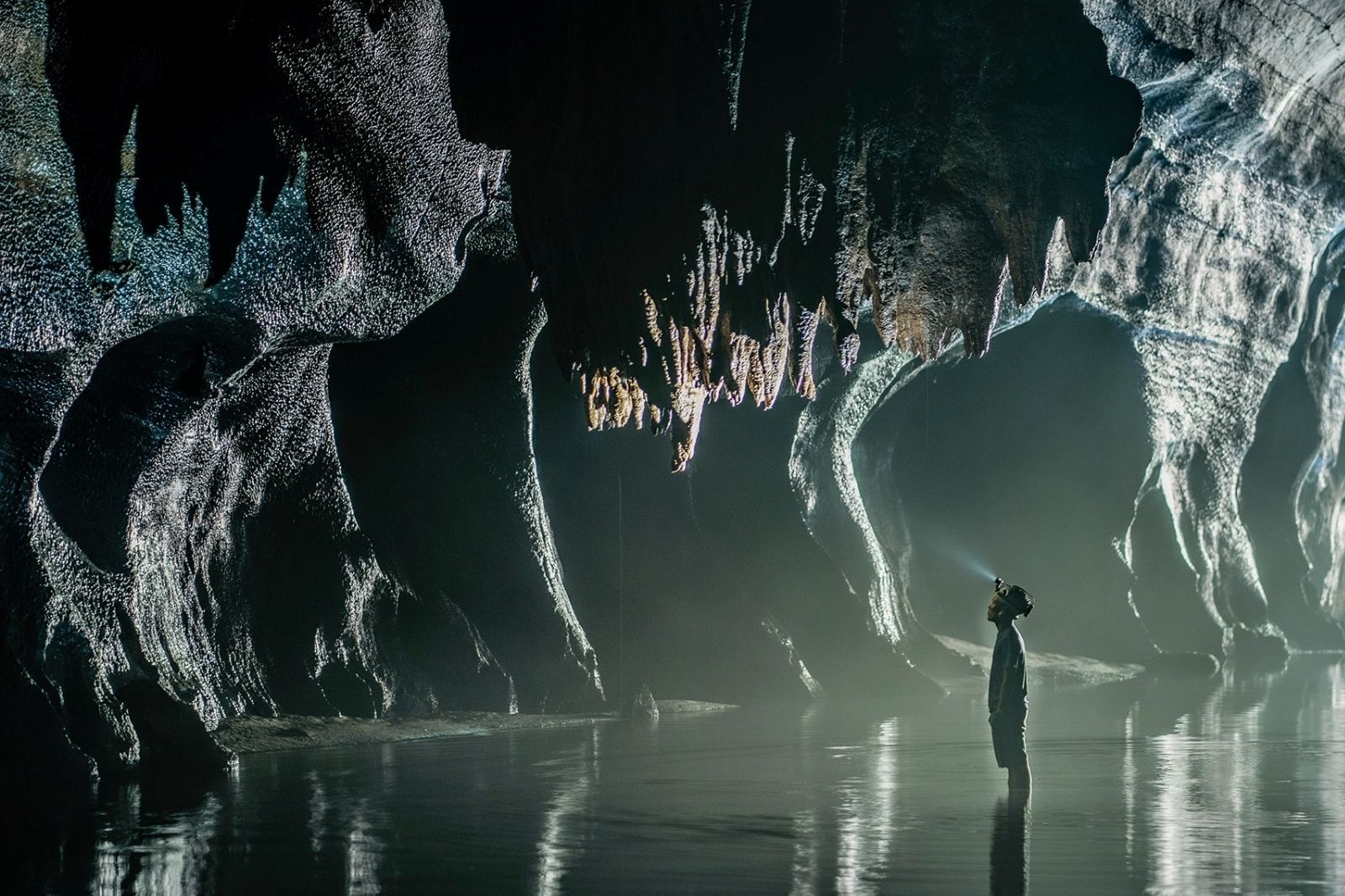
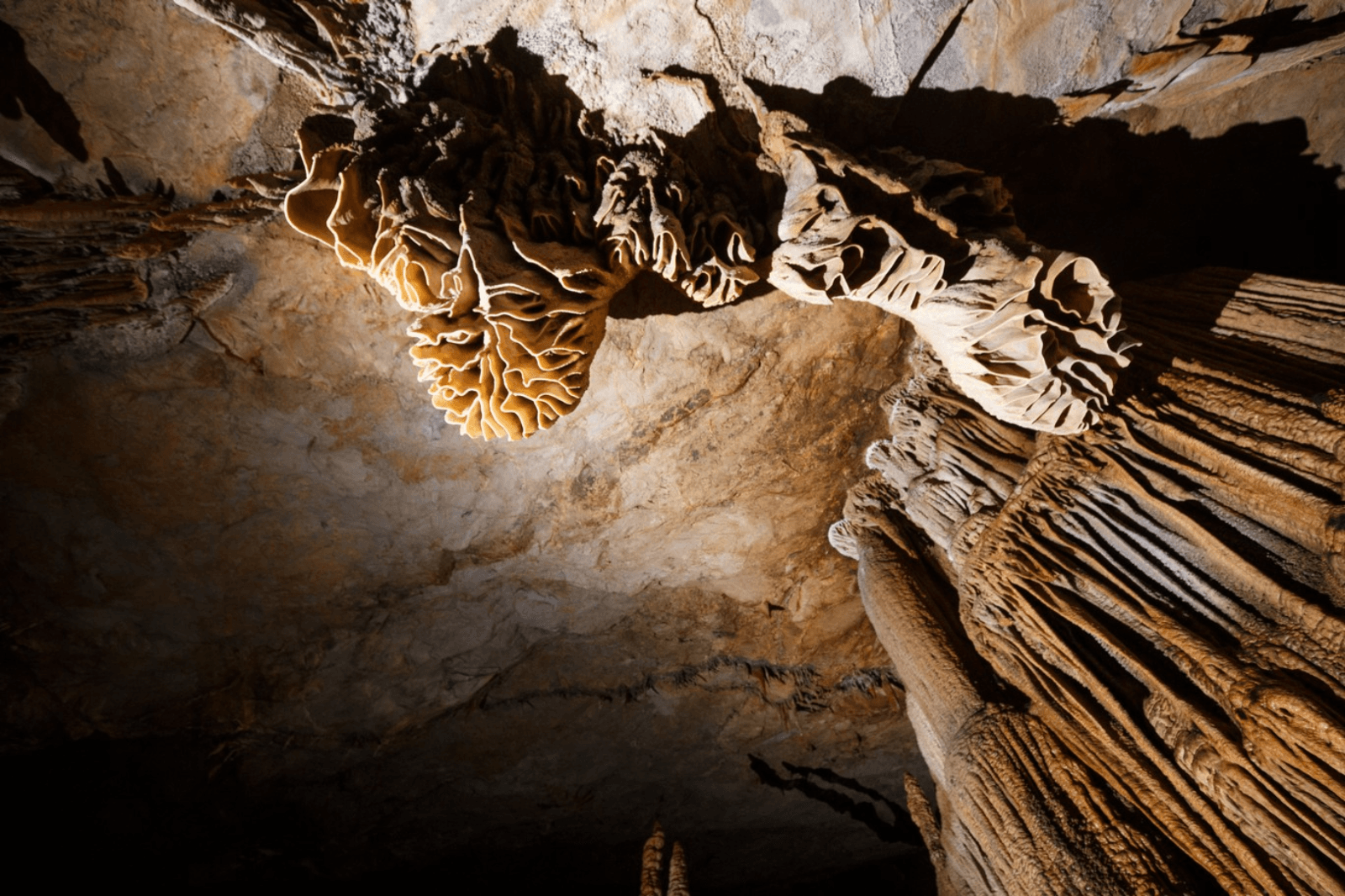
Dai Cao Cave in Phong Nha - Ke Bang National Park
Photo: Dai Cao Cave in Phong Nha - Ke Bang National Park 

2. Geographical and geological features of the new caves

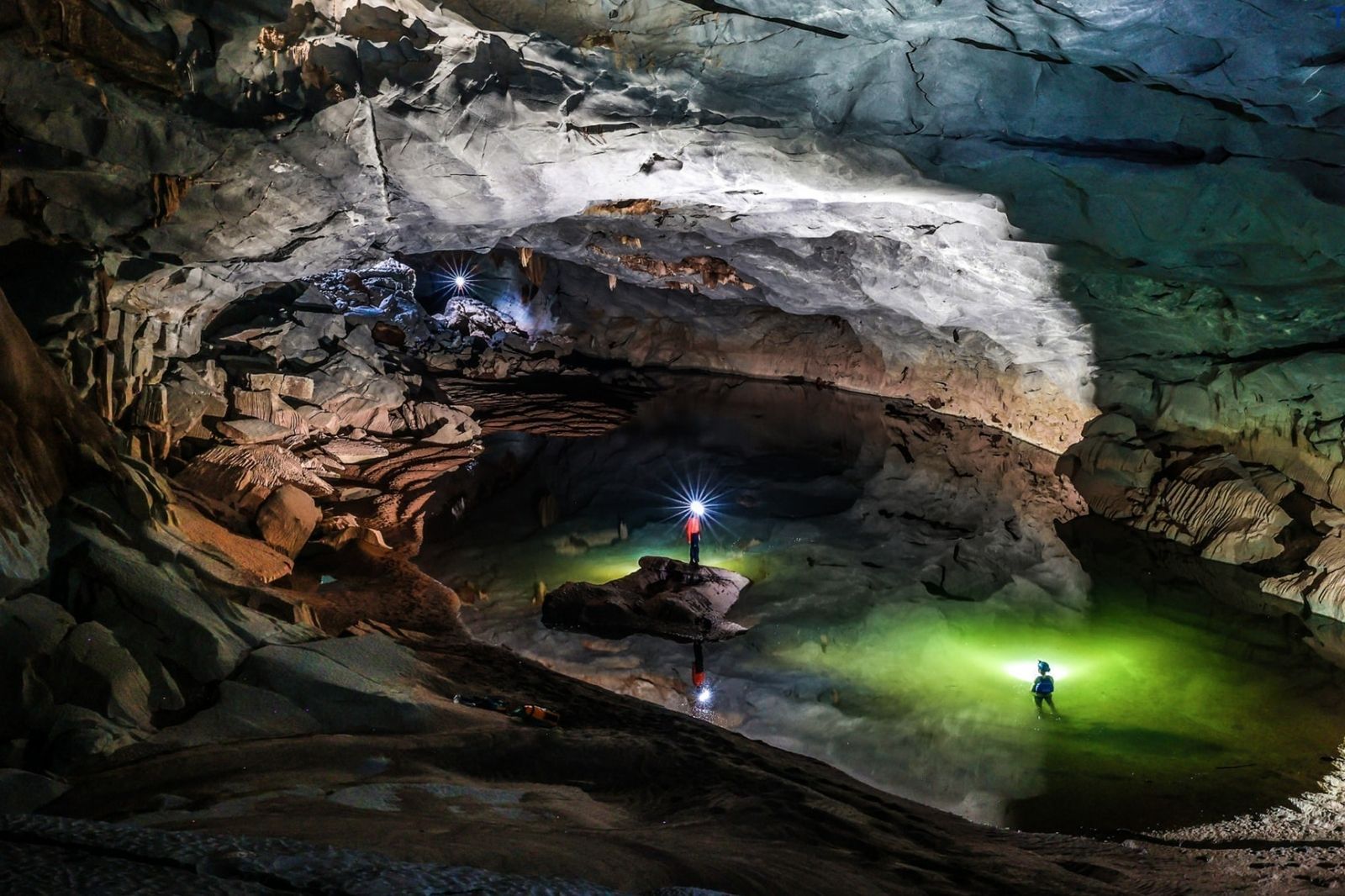
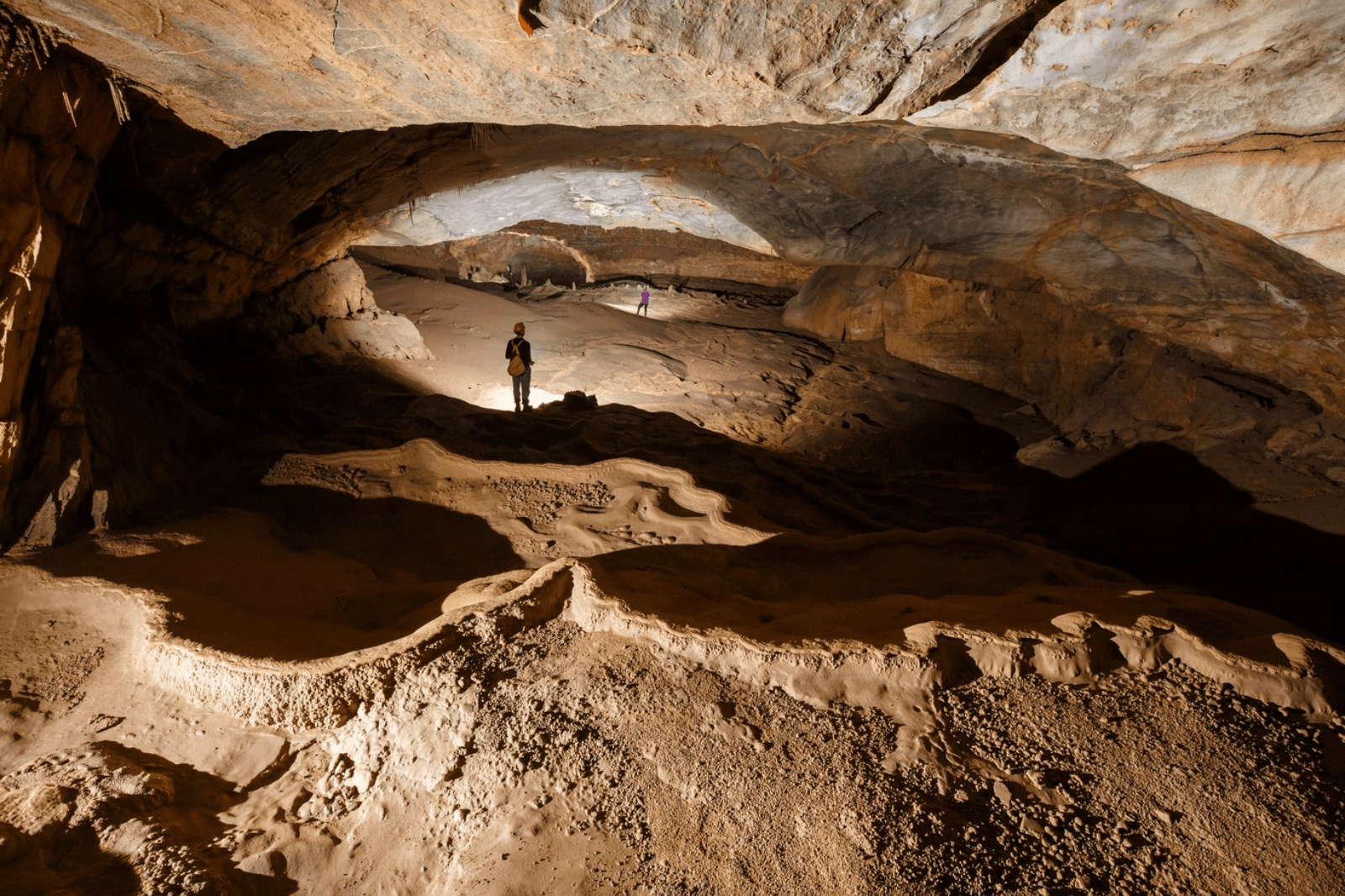
Most of the newly discovered caves during the survey are wet caves, where underground streams flow quietly, creating a characteristic cool, humid, and mystical atmosphere. Some caves feature multiple entrances and exits, even connecting like a maze, opening up exciting and unexpected circular exploration routes. The interior landscape of the caves is another world entirely, where stalactites sparkle under the torchlight, water silently creeps underfoot, and the cave space opens up overwhelmingly like a miniature sky deep inside the earth.

Many caves possess astonishing depths, such as one reaching 278 meters deep, concealing a majestic waterfall that remains incompletely explored due to unsafe equipment conditions. This not only sparks curiosity but also emphasizes the unexploited research potential.

Many deep caves have yet to be fully explored
Photo: Many deep caves have yet to be fully explored 

Prominent among them are names like Ong Dau Cave, the longest at 572m in Lam Hoa, where an underground stream runs along the entire length of the cave. Vuc Hung Cave in Thuong Trach boasts a vast space and impressive stalactite formations, reaching a depth of 83m. Trieng Cop Doi Cave attracts visitors with its multiple entrances, forming a closed loop. Meanwhile, Trieng Bat Cave, with a depth of 154m, is considered one of the formidable challenges for professional explorers.

Not only diverse in size and terrain, these caves also hold the potential to harbor endemic ecosystems, from blind fish living in perpetual darkness to rare plants hiding in damp rock crevices. Like an isolated world, they await humans to step forward and gently open the secret door of time and nature.

3. Scientific and tourism significance: Unlocking potential, preserving values

The discovery of 22 new caves in Phong Nha – Ke Bang is not only a remarkable milestone in the journey of underground exploration, but also opens up new horizons for science. Each cave is a snippet of time, bearing traces of millions of years of formation and transformation of ancient limestone mountains, contributing significantly to geological, geomorphological, and natural history research of the region.

However, beyond scientific value, these discoveries open opportunities to develop adventure tourism—a segment increasingly attracting travelers who love authentic experiences and discovery. With over 40 caves currently being exploited, including legendary names like Son Doong, Phong Nha, and Thien Duong (Paradise Cave), Quang Binh once again affirms its position as the "cave kingdom" of Vietnam and Southeast Asia.

4. Current status and tourism potential

As of April 2025, the new caves remain entirely pristine and are not yet open to visitors. The National Park Management Board is quietly surveying them, both to preserve the untouched beauty of the forests and to ensure safety for future explorers. Nature-loving tourists can follow updates from the National Park or from the sole licensed operator for expedition tours, such as journeys to the majestic Son Doong or the mysterious Tu Lan.

If these pathways are opened one day, travelers should prepare in advance for a challenging yet poetic journey:

  • Physical fitness: Trekking through forests, crossing streams, and climbing slopes require endurance and a resilient spirit.
  • Gear: Don't forget a good pair of shoes, a small flashlight, waterproof clothing, and some insect repellent—your quiet traveling companions.
  • Safety: Above all, carefully listen to instructions from guides who know every step of rock and every trail deep in the jungle.

Combining conservation with sustainable tourism development will be the key to ensuring these precious natural values are preserved and fully shared with visitors.

Sustainable tourism development to preserve caves
Photo: Sustainable tourism development to preserve caves 

5. The role of the expedition team and local community

Behind every grand journey of discovery is the quiet yet indispensable contribution of people who understand the land and sky. The success of cave expeditions in Quang Binh is the result of close cooperation between international experts—notably the UK-Vietnam team led by Mr. Howard Limbert—and local residents connected to the mountains and forests since birth.

Mr. Limbert, with over three decades of wandering through limestone ranges, together with his colleagues, has recorded more than 300 caves in this region. However, it is the local inhabitants' intimate knowledge of the terrain that unlocked doors deep underground not yet found on any map.

Take the story of Mr. Ho Khanh, a simple Quang Binh man who was the first to lead the way into Son Doong—the world's largest cave. That role did not stop in the past. In recent expeditions, such as the 2024 journey, support from local people remained a solid pillar when the team faced natural challenges: dense primeval forests, steep slopes, or roaring underground streams.

Caves located deep underground
Photo: Caves located deep underground 

The newly discovered system of 22 caves in Quang Binh is not only vivid proof of the wild and mysterious beauty of nature, but also opens a promising door for scientific research and sustainable tourism development. While those doors remain closed awaiting the day conditions allow for explorers' steps, visitors can still seek out other masterpieces of this land, such as mystical Phong Nha Cave or majestic Paradise Cave, through Quang Binh tours organized by Sovaba Travel.

A journey into nature is a journey of thorough preparation and deep respect. Bring not only physical gear, but also mindfulness and a sense of preservation so that each trip is not just an experience for the present, but a gift preserved for generations to come.

Loading......

Featured destinations