Bay Mau Coconut Forest Hoi An: A Miniature Mekong Delta Experience in the Heart of the Ancient Town
Central
Da Nang
Bay Mau Coconut Forest
Sovaba.travel
Updated at: 02/10/2026
1. Where is the Bay Mau Coconut Forest Hoi An?
The Bay Mau Coconut Forest is located in the Cam Thanh area, about 3–5 km southeast of the Hoi An Ancient Town, near Cua Dai Bridge and Cua Dai Beach. From the center of the Ancient Town, it takes only about 8–15 minutes to get there by motorbike, car, or bicycle. The forest lies at the confluence of the Thu Bon, De Vong, and Hoai rivers, creating a unique brackish water ecosystem where lush green nipa palm groves spread across an area of more than 100 hectares.
Spanning over 100 hectares, the vibrant green nipa palm forest paints a picture of a "miniature Mekong Delta" right in the heart of the Central region. You can easily get there:
From Hoi An: A 10-15 minute ride by motorbike, bicycle, or taxi via Tran Nhan Tong Street, or by taking a boat from Bach Dang wharf down the Hoai River.
From Da Nang: About 30-31 km away, crossing Cua Dai Bridge (via the Vo Nguyen Giap – Lac Long Quan – Tran Nhan Tong route).
Contact hotline: 0985 402 302 or visit the website rungduabaymau.vn for the latest updates.
Photo: Bay Mau Coconut Forest nestled along the Thu Bon River
2. Formation History and Ecological Significance of the Bay Mau Coconut Forest
According to local memory and oral tradition, the Bay Mau Coconut Forest was formed about 200 years ago. The first nipa palm trees are said to have been brought and planted by settlers from the Southwestern region (Mekong Delta). Thanks to the fertile alluvial soil and the characteristic brackish water environment, the nipa palms gradually thrived, creating vast green patches along the river. The name "Bay Mau" (Seven Mau) is believed to originate from the forest's initial area of about 7 mau (approx. 4.9 hectares). Over time, the forest has expanded significantly, becoming a signature nipa palm ecological region of Hoi An.
Beyond its scenic value, this place is also tied to a special period in local history. During the two resistance wars against the French and the Americans, the coconut forest served as a base for Hoi An's revolutionary forces. The intricate network of rivers and canals, combined with the dense palm groves, created terrain favorable for concealing forces and conducting revolutionary activities. In 2007, the area was recognized as a provincial-level historical and cultural relic. Today, the Bay Mau Coconut Forest continues to play a vital ecological role. The nipa palm system helps retain soil, protect riverbanks, provides a habitat for various aquatic species and waterbirds, and shapes a distinctive green space in the downstream area of the Thu Bon River.
3. The Ideal Time to Visit the Bay Mau Coconut Forest Hoi An
The weather in Hoi An has a tropical monsoon climate, making the ideal time to visit the Bay Mau Coconut Forest from March to August, when the weather is sunny, with little rain and temperatures ranging from 25-32°C. This is the peak tourism season, suitable for outdoor activities such as boating or exploring the forest. In particular, from May to July, the nipa palms are at their greenest and the river waters are calm, offering an authentic "Mekong Delta" experience.
If you want to avoid crowds, visit early in the morning (from 8:00 AM to 10:00 AM) or late in the afternoon (from 3:00 PM to 5:00 PM), when the sunlight is gentle and the air is cooler. Avoid the rainy season from September to December, as you may encounter floods or damp weather that disrupts activities. Even so, the coconut forest is open year-round from 8:30 AM to 6:00 PM, allowing you to plan flexibly according to your schedule.
Photo: Summer is the ideal time to visit the Bay Mau Coconut Forest
4. Latest Ticket Prices for the Bay Mau Coconut Forest Hoi An
According to the latest updates for 2026, the entrance ticket price for the Bay Mau Coconut Forest is 30,000 VND/adult, and free for children under 1 meter tall. This ticket includes access to the general area and several basic activities such as watching folk performances.
For the main basket boat experience, ticket prices range from 150,000 to 280,000 VND per boat (for 2 adults and 1 child under 1 meter tall). Higher prices typically include a local guide, fresh coconut water, and side activities such as basket boat spinning. If you are traveling in a large group, you can rent a private boat to save money.
Other incidental expenses:
Dining: Rustic dishes like banh xeo (crispy pancakes) and coconut leaf-grilled fish cost about 50,000-100,000 VND per portion.
Renting traditional costumes or photography props: 20,000-50,000 VND.
Group tour from Hoi An: 550,000-800,000 VND/person, including transportation and meals.
Transportation: Taxi from Hoi An costs about 100,000 VND/one way.
Note: Prices may vary during peak seasons, so it is best to check directly at the ticket counter.
Photo: Watching locals perform net casting
5. Basket Boat Experience at the Bay Mau Coconut Forest
Riding in a basket boat is the signature activity of the Bay Mau Coconut Forest, offering the feeling of getting lost in the watery landscapes of the Mekong Delta. You will sit in a round basket boat rowed by a local resident, weaving through intricate canals beneath lush green palm canopies. The guides are usually local fishermen who row while sharing stories about history and river life, creating an intimate atmosphere.
The most unique highlight is the basket boat spinning performance, where the rower spins the boat 360 degrees at high speed, creating a thrilling yet joyful sensation, accompanied by laughter and splashing water. You will also have the chance to try rowing the basket boat yourself, catching crabs, fishing, or picking fresh coconuts right on the river. The entire journey lasts 45-60 minutes, concluding with a refreshing glass of cold coconut water, helping you relax and genuinely connect with nature.
Photo: Experiencing the basket boat ride at the Bay Mau Coconut Forest
6. What to Eat When Visiting the Bay Mau Coconut Forest Hoi An?
Cuisine at the Bay Mau Coconut Forest heavily features the flavors of the river region combined with the distinctive culinary traits of Hoi An. The dishes here are usually prepared from fresh, rustic ingredients yet are deeply flavorful, offering an exciting culinary experience for visitors exploring the ecological area.
Banana flower salad: Shredded banana blossoms mixed with shrimp and pork, delightfully sweet, sour, and refreshing.
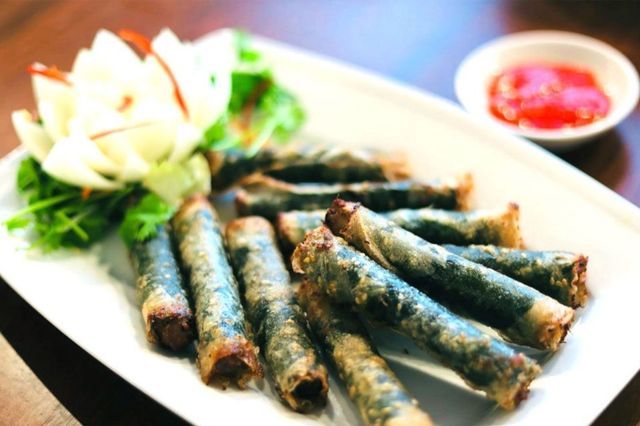
Sweet and sour shrimp salad & spring rolls: Fresh and delicious, wrapped with fresh herbs.
Grilled fish (pomfret, stingray): Grilled over wood charcoal, served with Cam Thanh fish sauce.
Banh Xeo & Banh Uot wrapped with grilled pork: Crispy and flavorful.
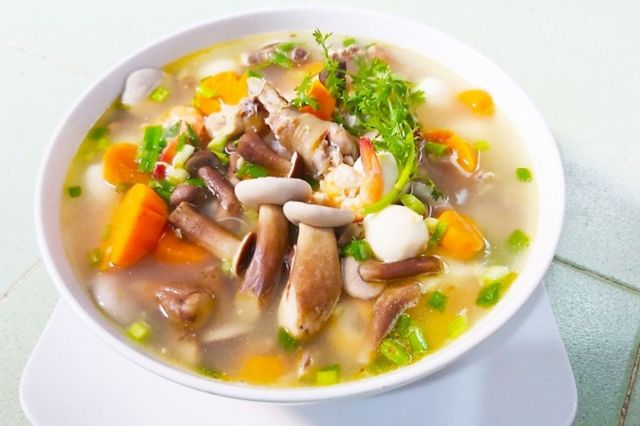
Coconut specialties: Nipa palm sweet soup, rice with toasted sesame and coconut, crispy baked coconut cakes.
Other dishes: Corn leaf-grilled chicken, baby clams served with rice crackers.
Visitors can enjoy these dishes at local houses or small eateries within the coconut forest area at quite affordable prices, usually ranging from 50,000 to 150,000 VND per dish. Additionally, many tour programs visiting the Bay Mau Coconut Forest already include a local specialty lunch, making the experience even more complete.
7. Tips for Visiting the Bay Mau Coconut Forest Hoi An
If you are exploring the Bay Mau Coconut Forest for the first time, preparing a few helpful tips in advance will make your trip smoother, safer, and more fulfilling, especially when participating in the area's signature water activities.
Transportation and booking: From Hoi An, rent a motorbike (about 100,000 VND/day) for the freedom to explore. If traveling in a group, book a joint tour to save money and get a guide.
Clothing and gear: Wear comfortable, airy clothes and non-slip footwear due to the watery terrain. Don't forget sunscreen, hats, mosquito repellent, and a water bottle.
Duration of visit: You only need about 2–3 hours to experience most of the activities in the coconut forest.
Money-saving tips: Book tickets or tours in advance through reputable agencies to secure good prices. When visiting, prioritize sightseeing, taking photos, and enjoying the river scenery rather than excessive shopping.
Safety and sustainability: Always wear a life jacket when boarding a boat, and do not litter to protect the environment. If traveling with children or the elderly, choose a gentle tour package.
By keeping these simple notes in mind, you can fully enjoy the beauty of the coconut forest, avoid unnecessary hassles, and turn your visit into a truly memorable experience in Hoi An.
Photo: Spend about 2 hours for a complete experience
The Bay Mau Coconut Forest Hoi An is not only an ecological attraction but also a place that preserves the rustic values of Central Vietnam's river life, where people, nature, and culture blend very naturally. Amidst the slow-paced rhythm of the Ancient Town, the moment of sitting in a basket boat weaving through green palm groves and hearing the folk songs of Quang Nam echoing across the waves turns the trip from a mere "sightseeing tour" into an emotionally touching experience. If you are looking for a fulfilling journey when traveling to Hoi An, the Bay Mau Coconut Forest is the perfect piece to connect with the Ancient Town, the Hoai River, the Cam Thanh countryside, and unique local cultural experiences. Choosing a Bay Mau Coconut Forest tour combined with the coconut forest will not only save you time and money but also ensure professional guidance, a well-planned itinerary, and authentic experiences that traveling independently can hardly fully capture.