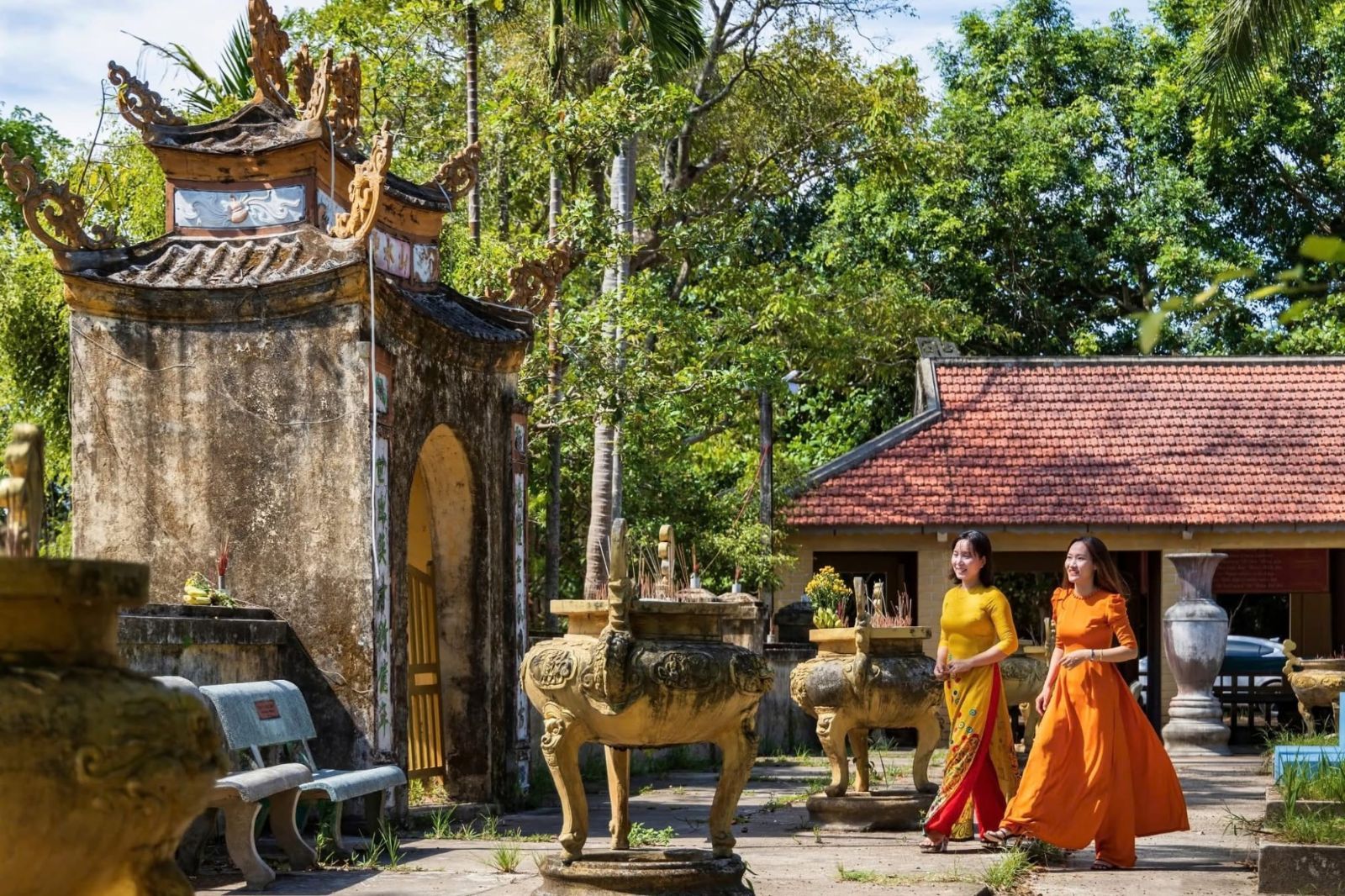
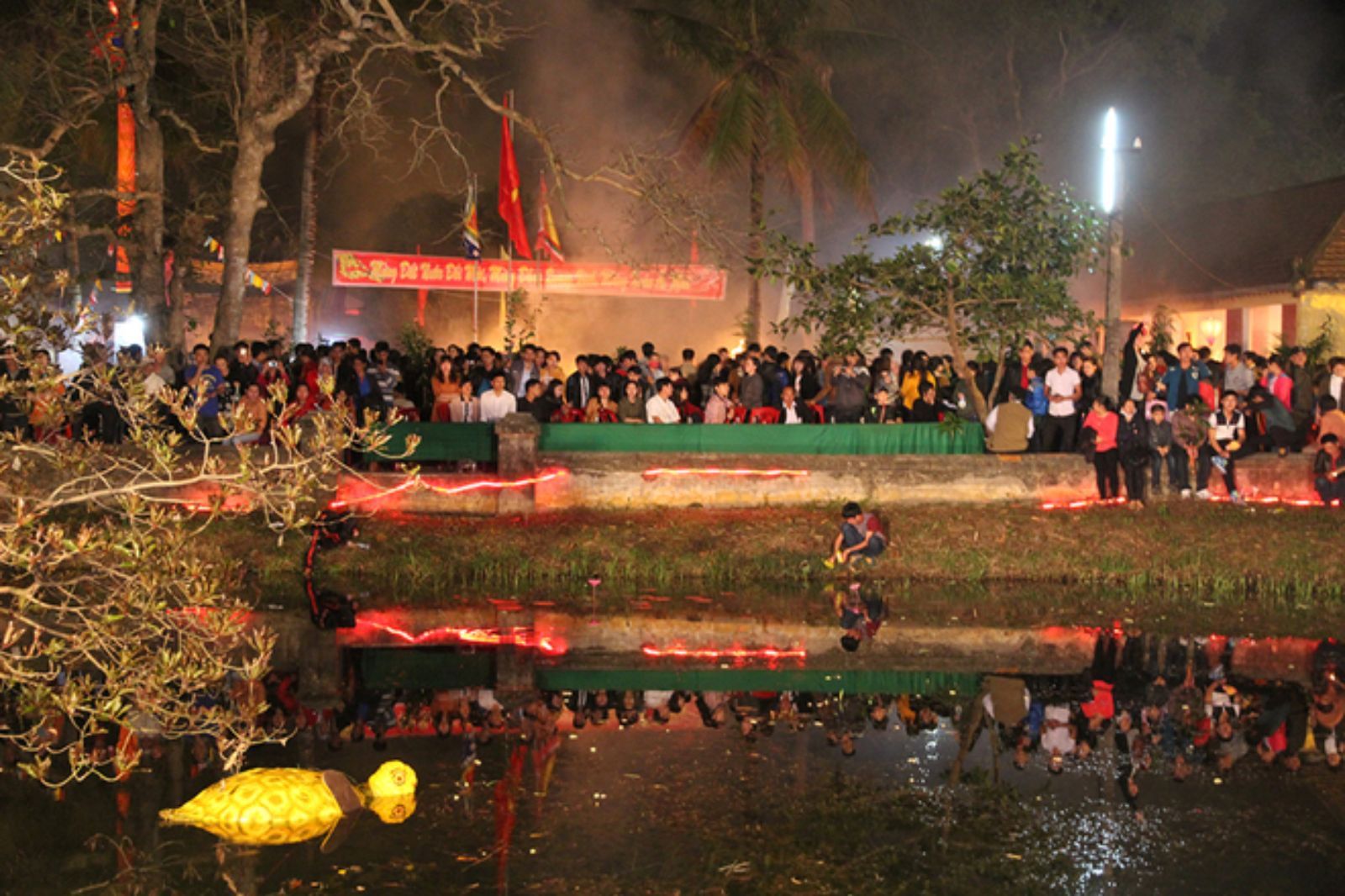
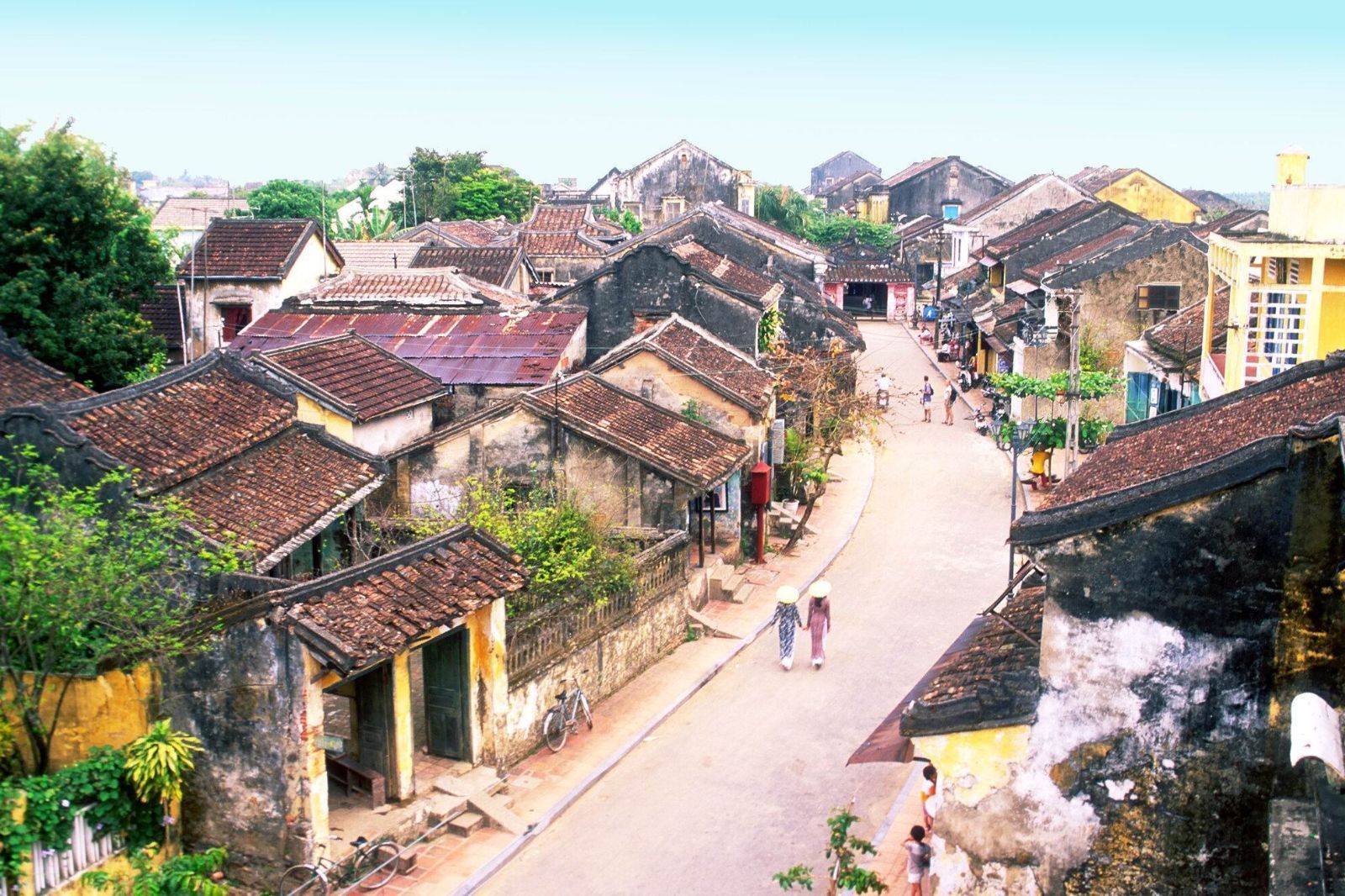
The ancient village of Bich La was established in 1527 (16th century), under the reign of King Le Chieu Tong. According to the village's divine genealogy and historical records preserved by the village, it was reclaimed by Vice General Le Mau Doan (or Le Mau Tai) – a high-ranking official under the Le Dynasty. He along with 14 families of subordinate generals migrated south from Hoan Chau (Nge An, present-day Ha Tinh), choosing the Ha Duong area south of the Thach Han River to settle. Originally, the village was named Hoa An Commune. During the Tay Son era, it was renamed Hoa La, and under the Nguyen Dynasty (during the reign of King Thieu Tri), it was officially named Bich La, divided into four cantons: Dong, Tay, Nam, Hau (now belonging to the hamlets of Bich La Dong, Bich La Trung, Bich La Nam, and Nai Cuu, Trieu Dong Commune, Trieu Phong District, Quang Tri Province).
The village enjoys a favorable feng shui location: the Thach Han River to the north, winding canals like dragons, and surrounding mountains – believed by villagers to be a “dragon vein” bringing prosperity. Bich La existed about 30 years before Lord Nguyen Hoang entered Dang Trong (1558), demonstrating its important role in the southern expansion process.
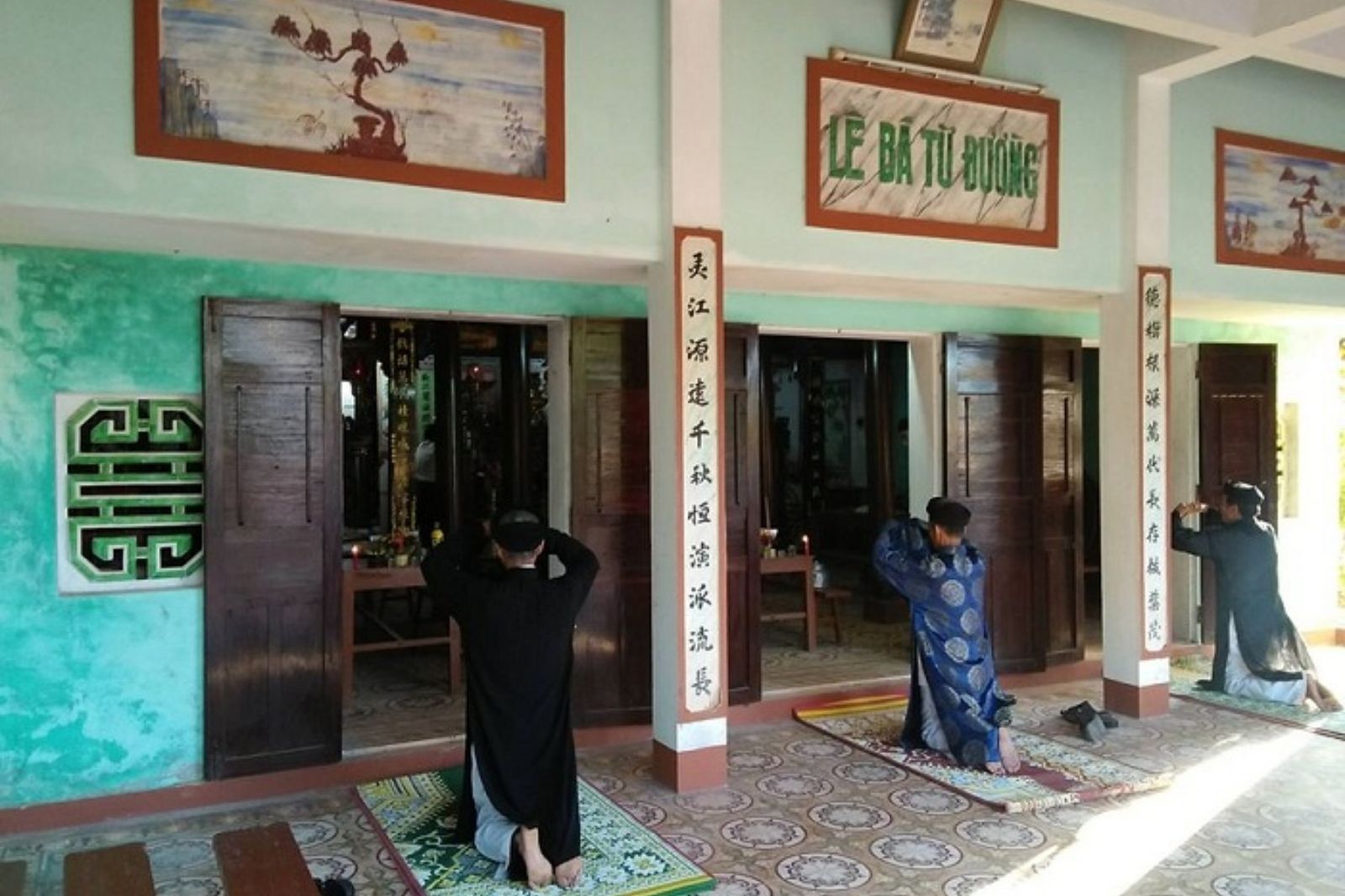
Bich La is known as “a cradle of mandarins and scholars”. This place has produced many outstanding talents, from doctors and assistant doctors under the Nguyen Dynasty such as Le Canh Dieu, Le Canh Phien, Le Thuy, to modern prominent figures such as the late General Secretary Le Duan – an outstanding son of Quang Tri province. The famous painter Le Ba Dang is also a pride of the village, with works of international stature. It is this tradition of studiousness and indomitable spirit that created the reputation of this land.