Why Bich La Ancient Village is Called the “Cradle of Mandarins and Scholars”

Central

Quang Tri

Sovaba.travel

Updated at: 24/09/2026

1. The history and unique terrain of Bich La Ancient Village

Bich La Village was established in 1527 during the Later Le Dynasty. General Le Mau Doan (a descendant of the Le Mau family line from Hua Due, Cam Xuyen, Ha Tinh today) was ordered to go to Thuan Hoa to reclaim land and establish a village. Initially named Hoa An, it was later renamed Hoa La (during the Tay Son period), and by the Nguyen Dynasty, it was called Bich La.

Feng shui location is an important factor contributing to its “sacred land”:

  • The village is located on the south bank of the Thach Han River, near the Ai Tu Citadel – the center of power during the Nguyen Lords era.
  • The river and field system, combined with surrounding hills and mountains, creates a land of “gathering wind and accumulating energy”.
  • The book Phu Bien Tap Luc by Le Quy Don once praised Hoa La as a “land of Confucian literature”.

The harmonious terrain between rivers, mountains, and fields not only brings favorable living conditions but also nurtures the spirit of studiousness, helping people focus on their studies with peace of mind. Many ancient feng shui documents suggest that the dragon vein here supports the development of talent.
A land of studious tradition
Photo: A land of studious tradition 

2. An illustrious academic tradition

Bich La is known as the “cradle of mandarins and scholars” thanks to its brilliant scholarly tradition spanning centuries. From the Early Le Dynasty to the Nguyen Dynasty, the village produced many talents who passed high-level exams in the Regional, National, and Palace examinations. Prominent among them are:

  • Le Canh Dieu and Le Canh Phien: The village's first two imperial scholars, honored with a shrine right in Bich La, serving as symbols of the land's studious spirit.
  • Le Ba Thoai: An imperial scholar during the Tu Duc reign who served as Deputy Minister of Personnel, famous for his integrity and courage in exposing corrupt officials.
  • Le Trinh: A Pho Bang under the Tu Duc reign, who served as an envoy to China and was bestowed doctor clothes and hats by the Qing Emperor with the title “Advisor to Both Nations”.

In addition, the village boasts many provincial graduates, baccalaureates, and other notable figures such as Le Dang Doanh, a civil and military official under the Nguyen Dynasty who served as Chief Examiner of many Regional Examinations and was granted the title of Senior Grand Secretary by King Thieu Tri. He was famous for submitting a petition requesting tax exemptions for the people of Quang Tri during times of famine, demonstrating the spirit of “assisting the country and helping the people”.

In modern times, the tradition of studiousness has been maintained. Many children of Bich La have achieved remarkable academic accomplishments, such as Mathematics PhD Le Ba Long, Biology PhD Le Thi Dieu Muoi (daughter of General Secretary Le Duan), and Chemistry PhD Nguyen Tu. 

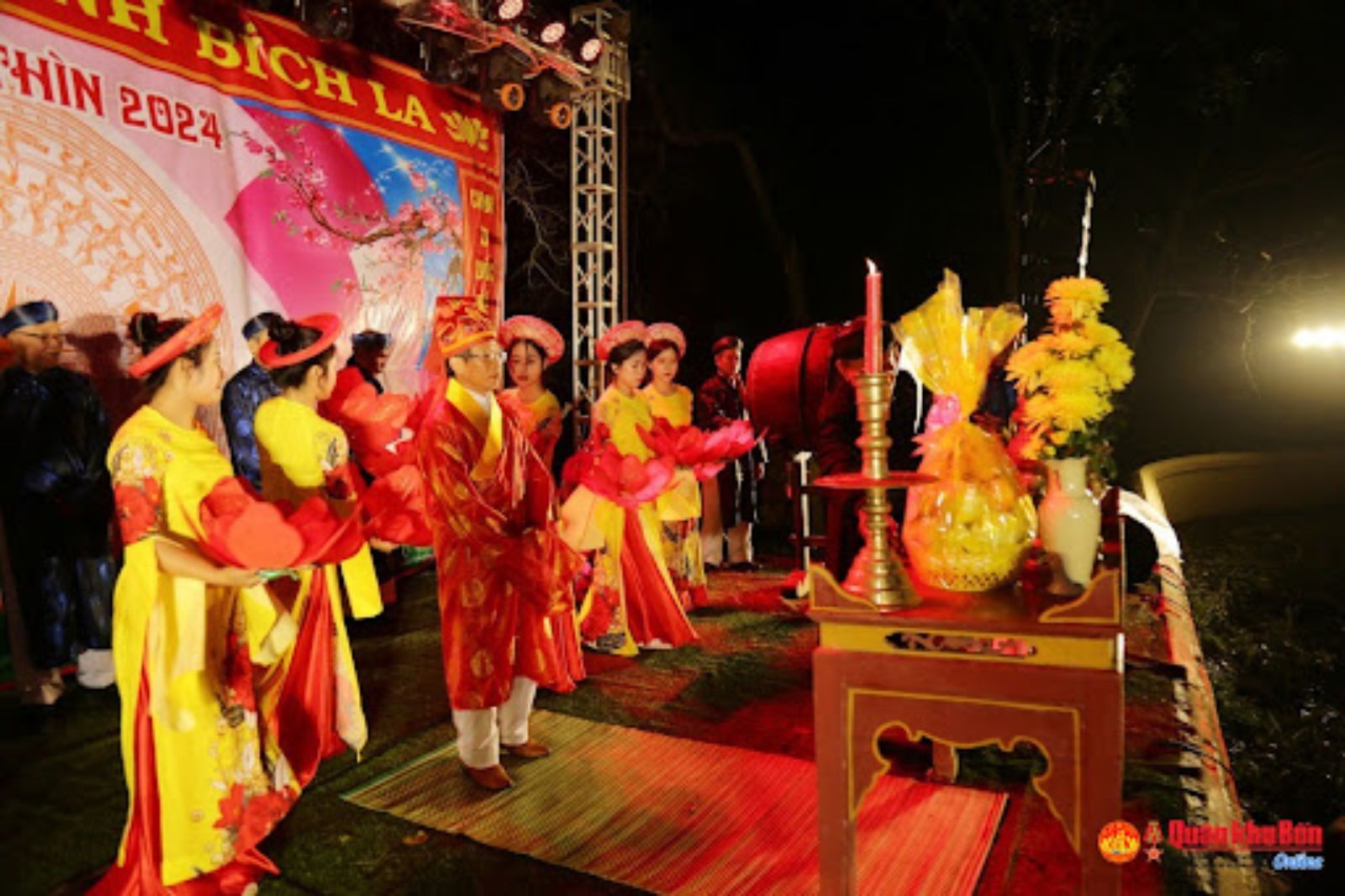
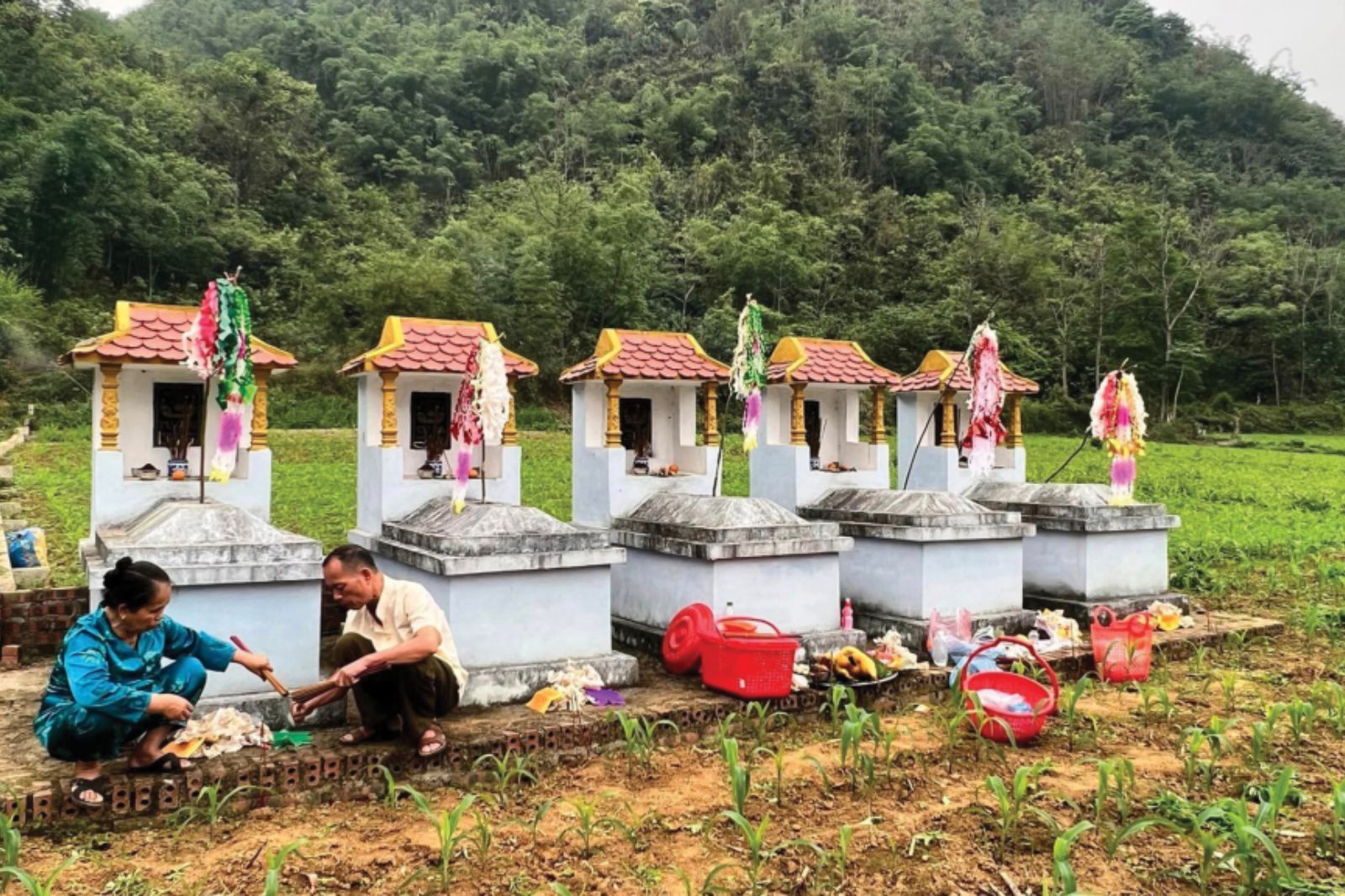
Tomb-sweeping ceremony for the founder of Bich La village
Photo: Tomb-sweeping ceremony for the founder of Bich La village

3. The Le Clan – Pillar of the tradition of learning

The Le family line in Bich La, consisting of four branches: Le Mau, Le Canh, Le Van, and Le Ba, is one of the main factors contributing to the reputation as the “cradle of scholars”. These family branches have produced many famous figures, from court officials to revolutionaries, such as:

  • Le Mau Hien: The leader of the movement demanding livelihoods, democracy, and tax reductions during the anti-French period.
  • Le Van Nhuan (General Secretary Le Duan): One of the outstanding leaders of the Vietnamese revolution, born in Bich La, belonging to the Le Van branch.
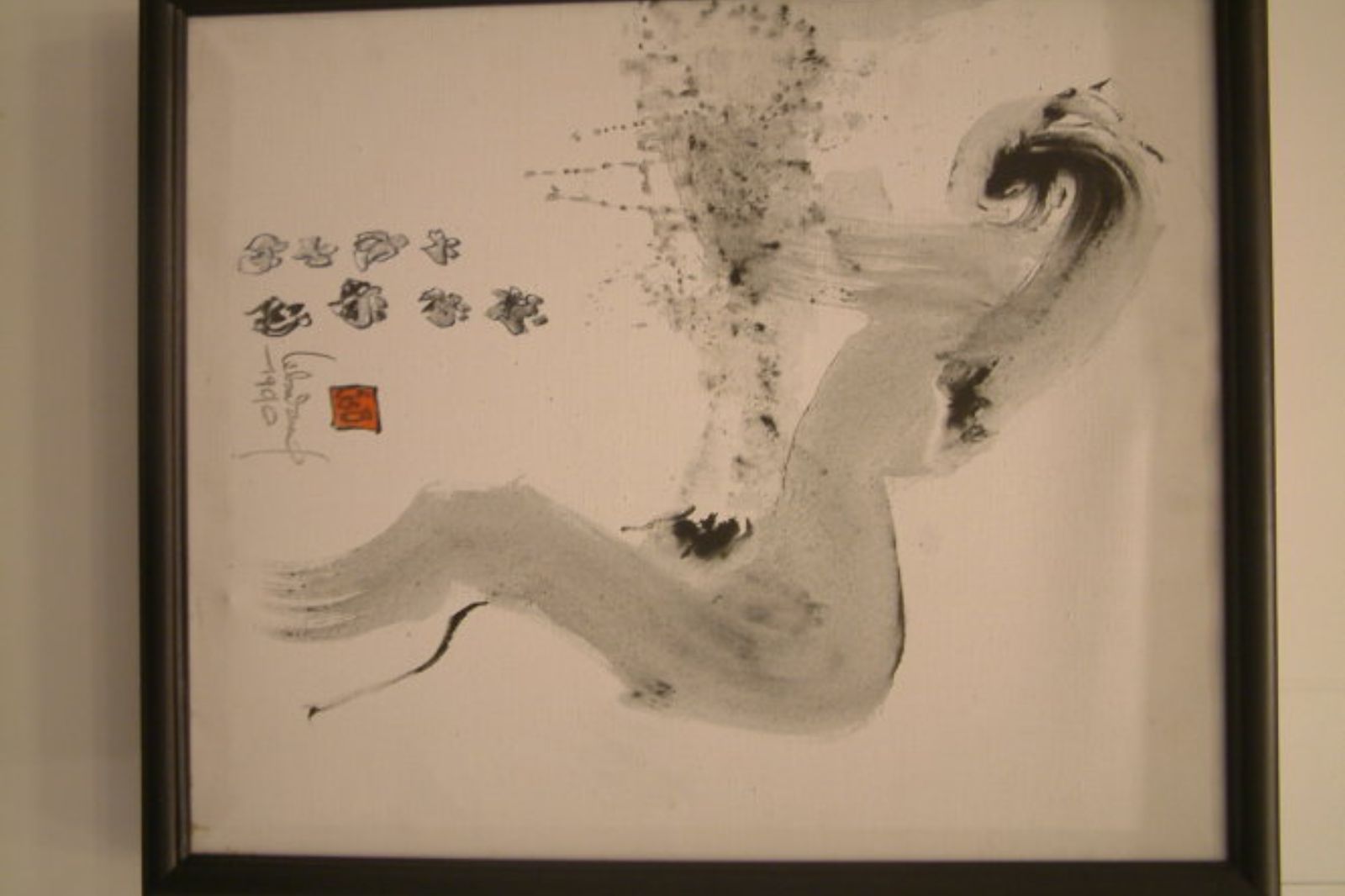
  • Le Ba Dang: A famous painter who brought honor to the Le Ba family on the international stage.

Every year, during the ancestor worship and tomb-sweeping ceremonies, the family lineages in Bich La organize study and talent encouragement movements, creating motivation for descendants to follow in their ancestors' footsteps. This is not only a cultural tradition but also a way to preserve and promote the village's studious spirit.

One of the artworks by Le Ba Dang
Photo: One of the artworks by Le Ba Dang 

4. Culture and historical relics – The foundation for nurturing talent

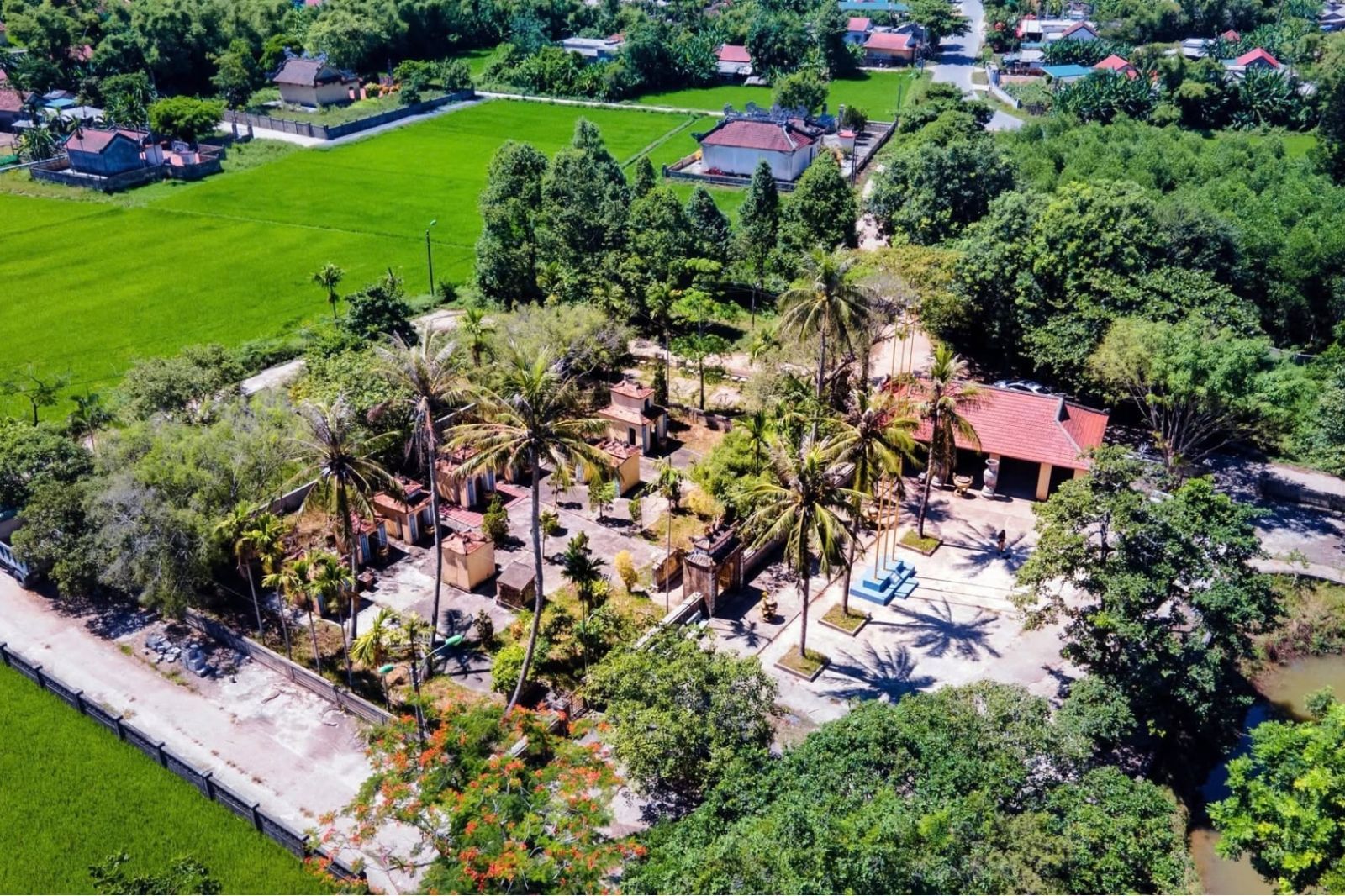
Bich La is famous not only for its scholarly tradition but also as a land rich in cultural and historical values. The village's complex of cultural and historical relics is centered around the communal house, including:

  • Shrine of Deputy General Doan Loc Hau: The founder who reclaimed Bich La village, worshiped as a guardian deity.
  • Shrine of the two founding imperial scholars: Le Canh Dieu and Le Canh Phien, symbols of learning.
  • Bich La Communal House Market: One of the most unique early New Year markets in Vietnam, where not only buying and selling take place, but it is also a space for matchmaking and community connection. The market ends early before 6:00 AM, featuring a unique cultural characteristic of the village.
Bich La Village Communal House Market
Photo: Bich La Village Communal House Market 

These relics are not only places to preserve history but also a source of inspiration for generations of Bich La children to strive in learning and dedication. The spirit of “assisting the country and helping the people” is deeply ingrained in cultural values, from the couplets at the shrines to oral stories about famous figures.

5. Why is Bich La called 'The crucible of mandarins, the cradle of scholars'?

The phrase “cradle of mandarins and scholars” is not merely words of praise, but also recognition for the historical, cultural, and human values of Bich La. This title stems from:

  • Long-standing scholarly tradition: With a series of doctors, provincial graduates, and baccalaureates across dynasties, Bich La has become a symbol of learning.
  • Special feng shui terrain: Harmonious mountains and rivers, rich dragon veins, creating conditions for the growth of talents.
  • Study encouragement culture: From family lineages to the village community, the spirit of learning has always been revered and maintained across generations.
  • Prominent historical figures: From high-ranking mandarins of the Nguyen Dynasty to modern revolutionaries and intellectuals, Bich La has produced many outstanding individuals who contributed to the country's development.

The couplet at the entrance gate of the village's shrine, recited to researchers by Mr. Le Canh Doc, a village elder over 80 years old, is clear evidence of this spirit: “Heroes are born in every era”. This statement not only affirms the continuous emergence of talented individuals but also demonstrates the pride of Bich La people in their land.

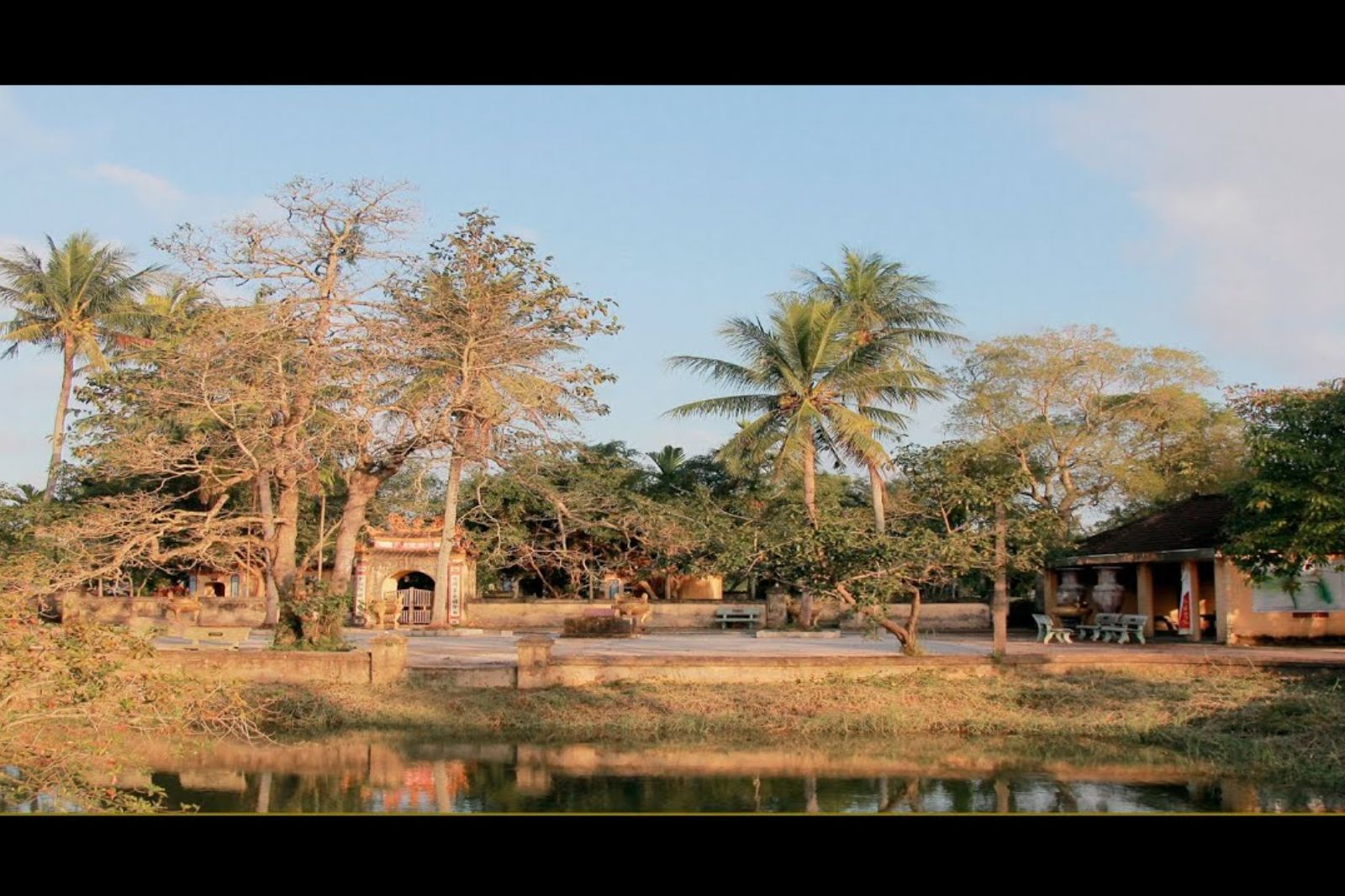
The ancient village still retains its old charm
Photo: The ancient village still retains its old charm

Today, Bich La Ancient Village still retains its traditional charm with carefully preserved cultural and historical values. The Bich La communal house market, historical monuments, and study encouragement movement continue to be highlights attracting tourists and inspiring the younger generation. With the development of cultural tourism, Bich La is gradually becoming a destination not only to explore history but also to feel the spirit of learning and community cohesion.

If you have the opportunity to travel to Quang Tri, don't forget to stop by Bich La to admire the beauty of an ancient village where every corner of the communal house, river, or story is imbued with the mark of the “cradle of mandarins and scholars”.

Loading......

Featured destinations