Discover Iconic Architectural Works at La Vang Holy Land

Central

Quang Tri

La Vang Holy Land

Sovaba.travel

Updated at: 24/09/2026

1. Basilica of Our Lady of La Vang

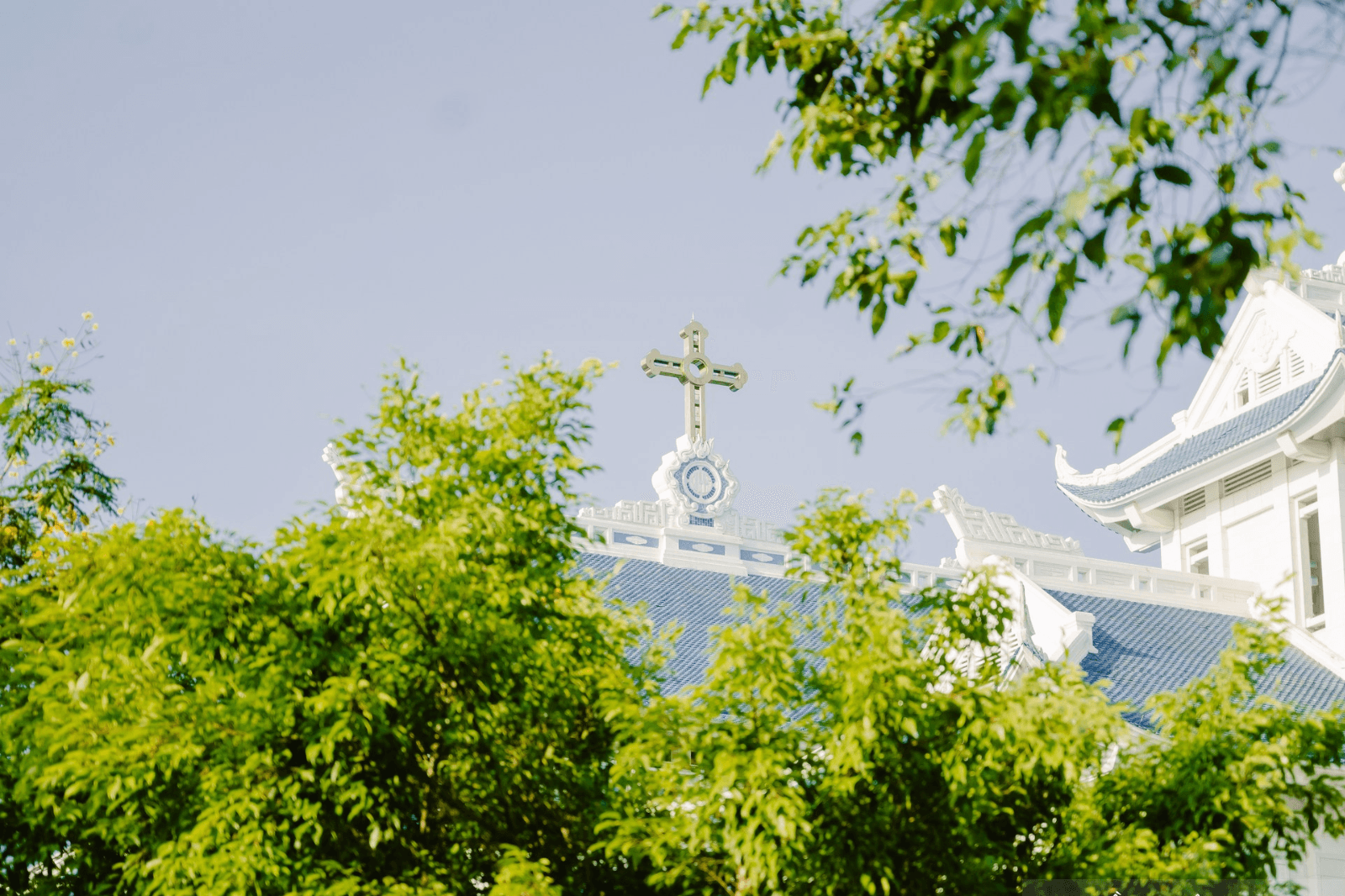
The Basilica of Our Lady of La Vang is the heart of the Holy Land, elevated by Pope John XXIII in 1961 through the Papal Bull Magnonos. The new structure, commenced on August 15, 2012, is designed in traditional East Asian and Vietnamese architectural styles, inspired by the shape of communal houses and familiar tiled roofs. Covering an area of 13,464 m², with a length of 132m, a width of 102m, and a capacity of up to 5,000 people, this is one of the largest religious buildings of the Catholic Church in Vietnam to date.

Key features: 

  • Architecture carrying the Vietnamese soul with blue glazed tiles, Lạc bird motifs, and La Vang leaf patterns – a plant closely associated with the legend of Our Lady of La Vang.
  • Interior harmonizing East–West cultural elements, with intricate carved patterns demonstrating the intersection between tradition and modernity.
  • Although still in the completion phase, the structure has become a symbol of endurance and faith.

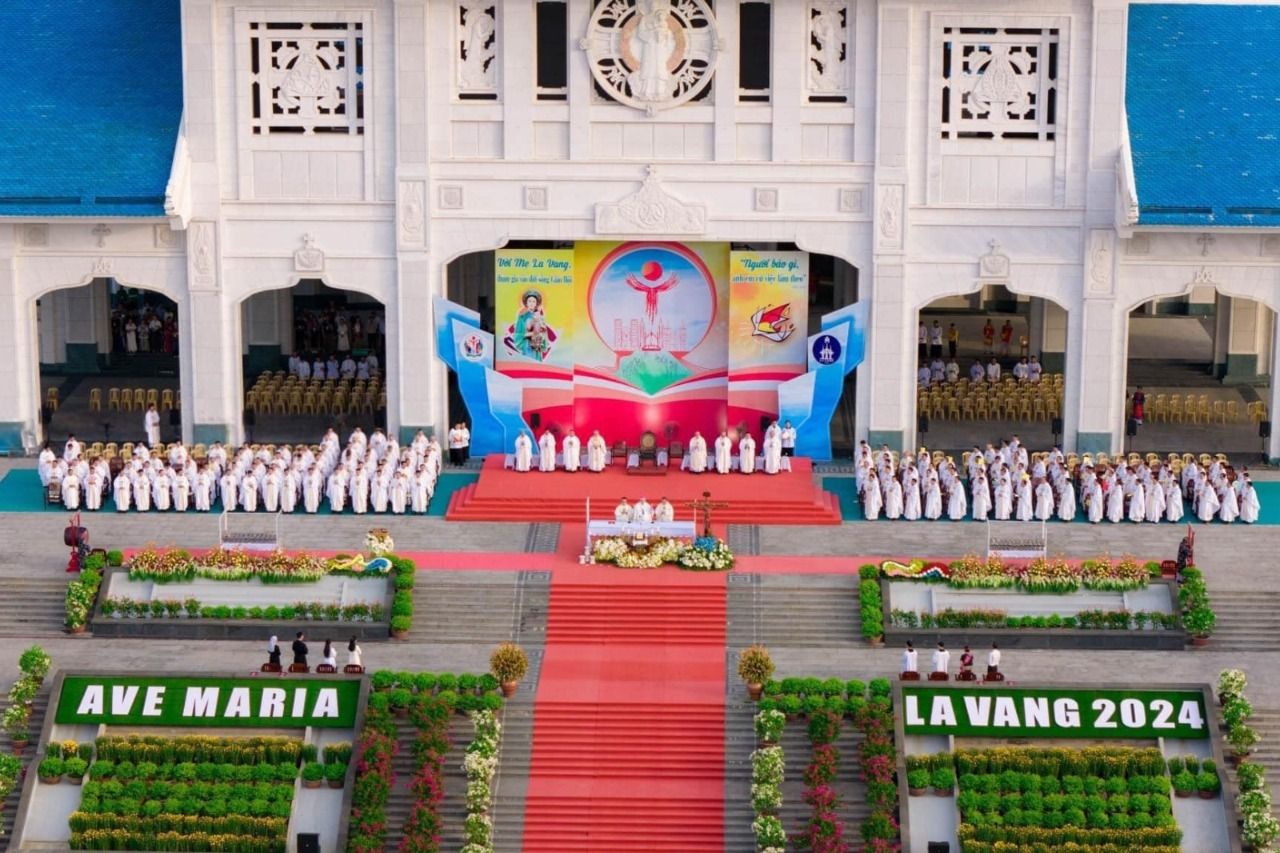
The new Basilica is the venue for important holy masses, especially during the La Vang Congress (August 13-15, held every 3 years). Visitors should dress politely and keep quiet to respect the sacredness.
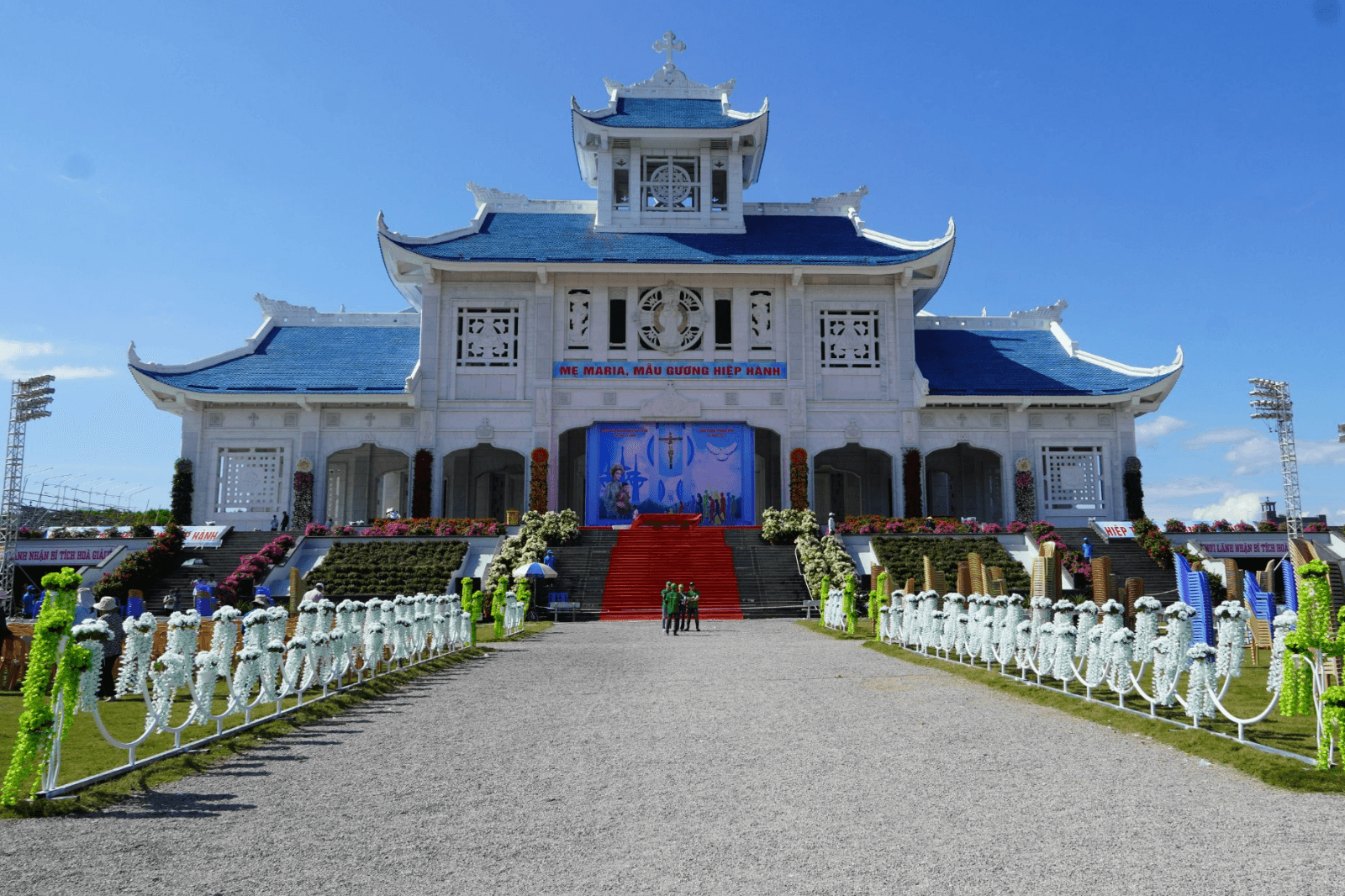
The new Basilica structure
Photo: The new Basilica structure 

2. Ancient Bell Tower

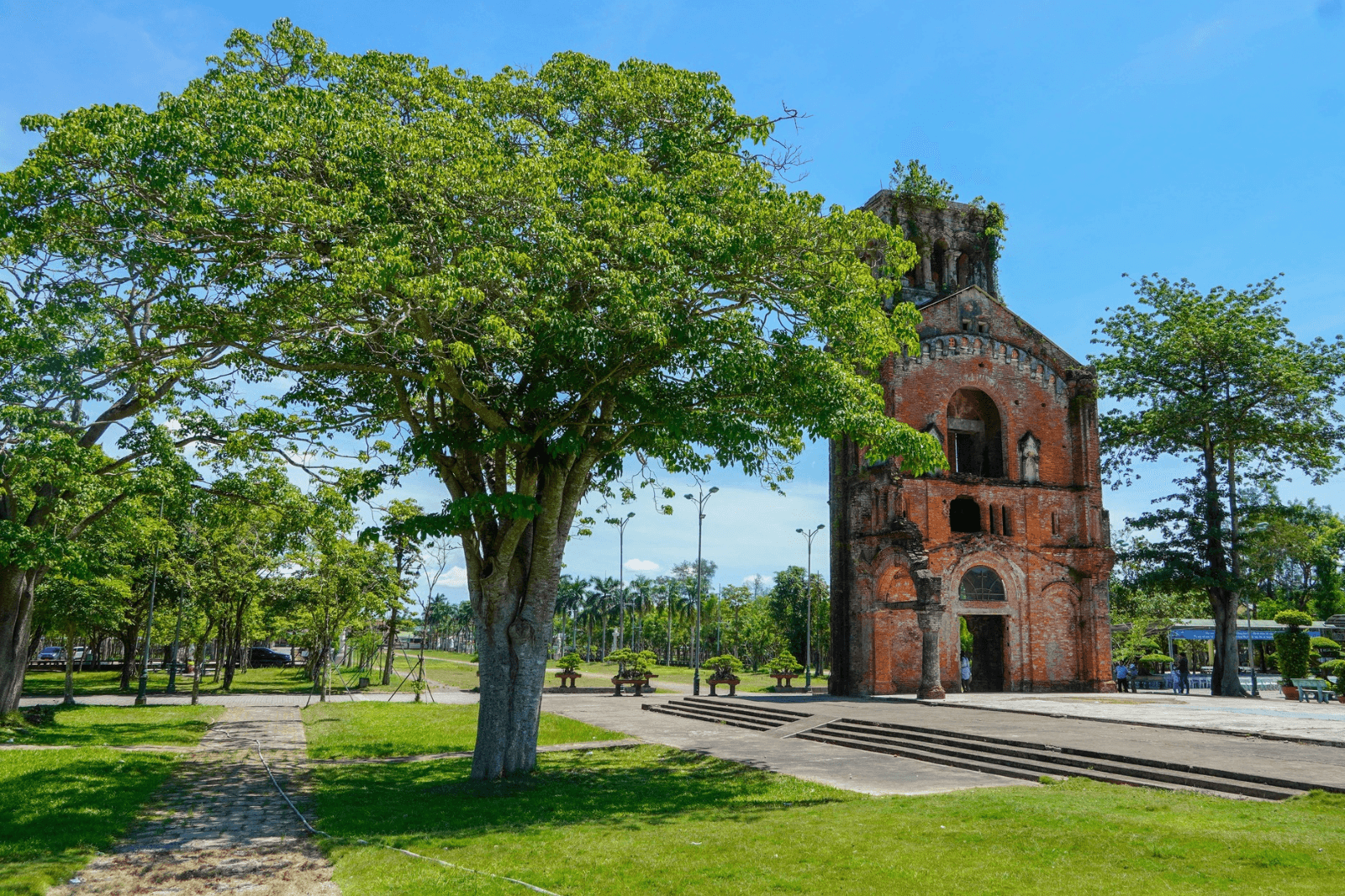
The Ancient Bell Tower is a silent witness to the ups and downs of the Holy Land. The tower belonged to the old Basilica (built 1924-1928, inaugurated 1928, restored 1959). In 1972, during the Easter Offensive, bombs completely destroyed the church, leaving only the pockmarked bell tower bearing the traces of time and war. Today, the Ancient Bell Tower is preserved as a precious relic, creating a harmonious dialogue between the old and the new beside the modern Basilica. Many pilgrims stop to pray and reflect on the steadfastness of generations of believers.

The remaining ancient bell tower in La Vang
Photo: The remaining ancient bell tower in La Vang 

3. Shrine of Our Lady of La Vang

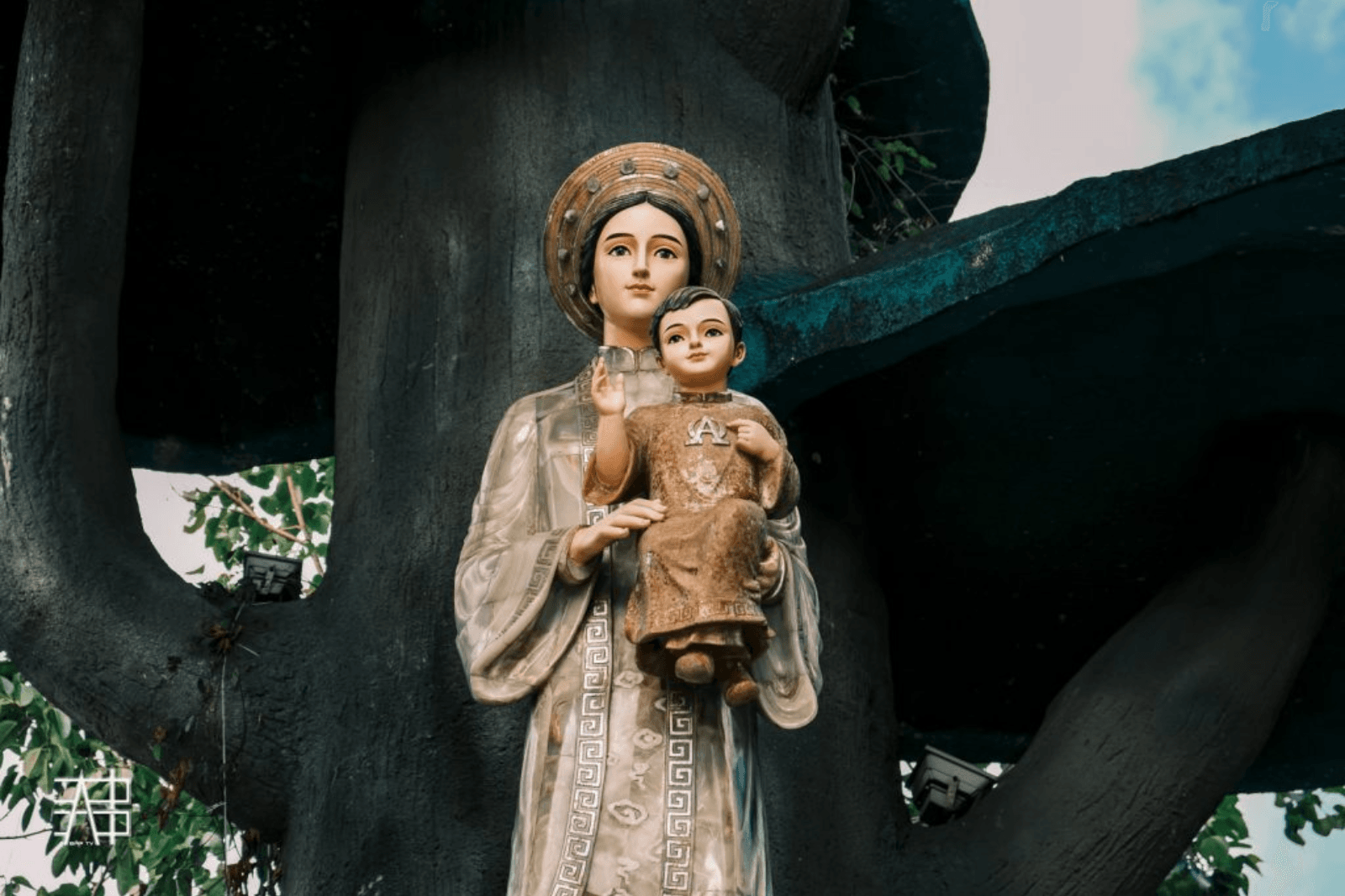
The Shrine of Our Lady of La Vang, built in 1963 by architect Ngo Viet Thu, is a structure depicting the image of three banyan trees, the site where the Virgin Mary is believed to have appeared in 1798 to comfort parishioners during the period of religious persecution. The statue of Our Lady is portrayed as a Vietnamese woman wearing an Ao Dai, holding the Infant Jesus who is also in traditional attire, evoking a sense of closeness and familiarity.

The monument is situated right near the ancient banyan tree roots, marking the event of Our Lady's apparition. The structure was completed in 2008, with a design mimicking the shape of a banyan tree, creating a sacred and solemn space. This is where large crowds of parishioners gather to pray and offer flowers during major festivals. When visiting the Shrine, you can join prayer sessions or recite the Rosary to feel the sacredness of this place more deeply.

The Shrine of Our Lady
Photo: The Shrine of Our Lady 

4. Our Lady of La Vang Well

The Holy Well of Our Lady of La Vang is one of the must-visit spots in the Holy Land compound. Many believers believe that the water from this well has healing properties and brings peace. According to legend, Our Lady instructed the parishioners to look for La Vang leaves to cure illness, and this well has become a symbol of protection and grace.

How to experience: 

  • Visitors usually take a sip of water or ask for water to take home as a sign of reverence.
  • The area around the well is shaded by green trees, creating a cool and peaceful space.

Bring a small bottle to collect holy water and maintain a respectful demeanor when visiting the well area.

5. Stations of the Cross

The Stations of the Cross area at La Vang Holy Land consists of 14 main stations, arranged along the paths within the pilgrimage campus. Each station is presented through elaborate and artistic sculptures, depicting the Passion of Jesus according to Christian tradition. The sacred and dignified space here offers believers an opportunity for contemplation, prayer, and deeper reflection on the mystery of Redemption. This is also a meaningful pilgrimage destination for individuals, families, or parish groups, especially during Lent, retreats, and major Church feast days.

Walking the Stations of the Cross at La Vang is not only a religious ritual, but also a journey that helps each person find inner peace, strengthen faith, and connect more deeply with spiritual life.

6. Rosary Square and Pilgrim House

Rosary Square is a vast plaza located in front of the main shrine area of La Vang Holy Land. On both sides of the square are marble statues depicting the Mysteries of the Rosary, creating a space that is both solemn and rich in artistic and spiritual value. This is the frequent location for important religious rituals such as processions, outdoor masses, and events gathering large numbers of pilgrims from many places. The spacious and serene environment of Rosary Square contributes to the characteristic sacred atmosphere of La Vang Holy Land.

In addition, the Pilgrimage House, built in 2004, serves the resting, living, and accommodation needs of pilgrims. This area is equipped with necessary amenities, helping visitors and believers have a more convenient, comfortable, and meaningful journey when coming to visit and pray at La Vang.

The square is where outdoor ceremonies take place
Photo: The square is where outdoor ceremonies take place 

7. La Vang Plant Area

The La Vang plant, associated with the legend of Our Lady instructing parishioners to use it for healing, is planted throughout the campus. This plant not only holds spiritual significance but also medical value, often used as traditional herbal medicine or antibacterial tea. Visitors can purchase dried La Vang leaves at souvenir stalls inside the premises as gifts or for personal use.

La Vang Holy Land is a spiritual destination for Catholics
Photo: La Vang Holy Land is a spiritual destination for Catholics

La Vang Holy Land is not only a sacred destination for Catholics, but also a place that touches the cultural and spiritual depth of the sun-drenched and windy Central region of Vietnam. Amidst the peaceful landscape, structures like the Basilica, the ancient bell tower, the Shrine of Our Lady, and the holy well appear both magnificent and solemn, bearing historical imprints and faith across generations. Whether you are a pilgrim seeking faith, or simply a traveler wishing to explore spiritual beauty and find inner peace, La Vang will welcome you with its unique serenity and sacredness. The journey to the Holy Land is not just a trip, but an emotional experience where you can slow down amidst the rush of life, listen to yourself, and touch timeless beauty. If you are ready for a contemplative and memorable journey, book a La Vang Holy Land tour today with Sovaba Travel to discover one of the largest pilgrimage destinations in Central Vietnam.

Loading......

Featured destinations