Why Was La Vang Holy Land Recognized by the Church as a Minor Basilica?

Central

Quang Tri

La Vang Holy Land

Sovaba.travel

Updated at: 24/09/2026

1. Overview of La Vang Holy Land

In 1798, during the reign of King Canh Thinh of the Tay Son Dynasty, Catholicism in Vietnam faced severe persecution. Anti-Catholic edicts forced believers to flee from the royal court's pursuit. Under harsh conditions, many Catholics from the Dinh Cat area (now Quang Tri town) sought refuge in the wild forest of La Vang. Surrounded by disease, fear, and a perilous jungle environment, they placed their full trust in God and the Virgin Mary.

According to tradition, during a night of prayer under a banyan tree, believers witnessed the Apparition of Our Lady Mary, wearing a long cloak, holding the Infant Jesus, with two angels attending on either side. Our Lady comforted them, taught them to gather La Vang leaves to boil for water to cure illnesses, and promised to grant graces to those who pray in this place. This event not only brought hope but also laid the foundation for La Vang to become the largest pilgrimage center in Vietnam.
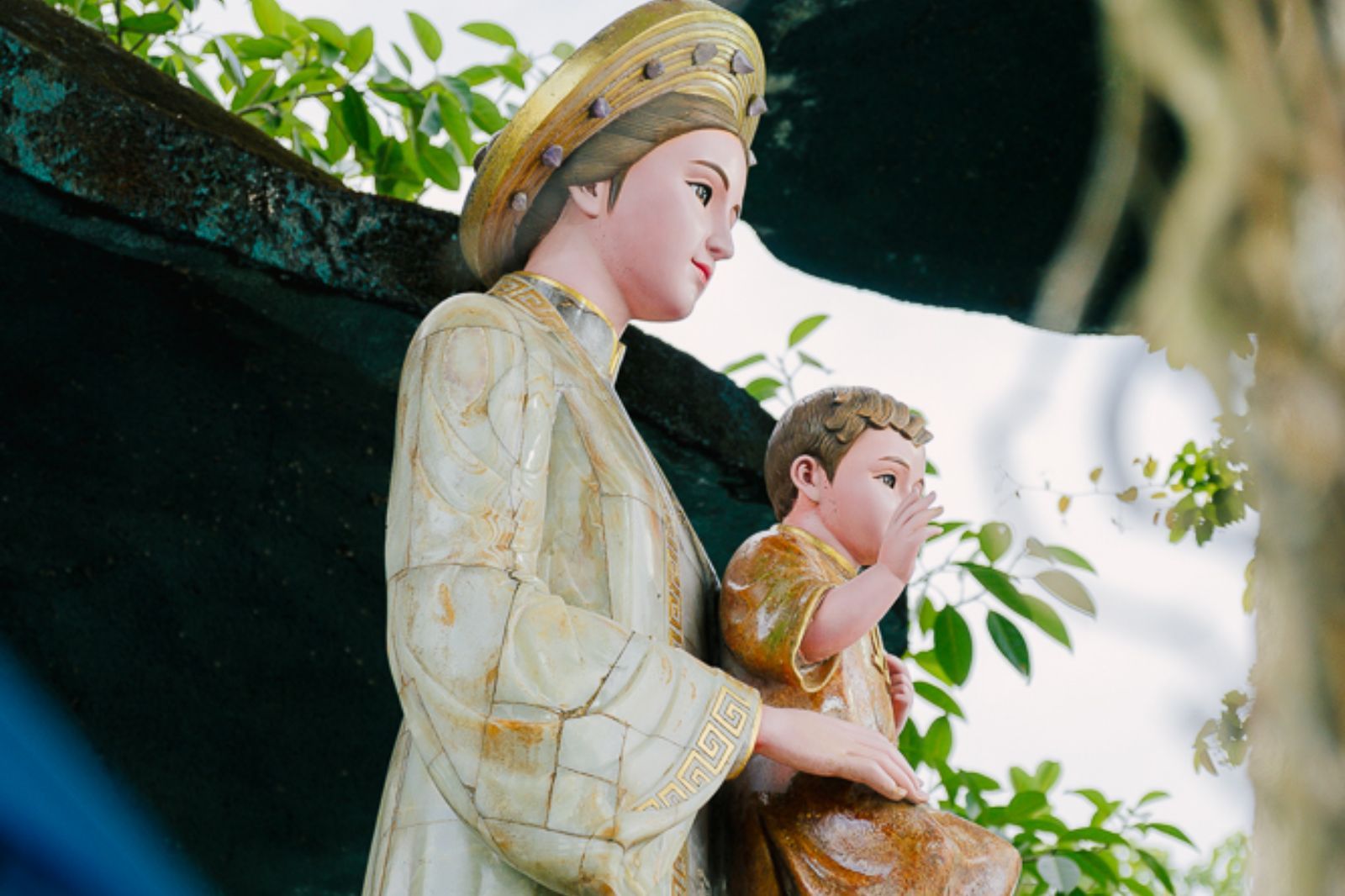
Our Lady of La Vang
Photo: Our Lady of La Vang 

There are several explanations for the name "La Vang", but the most popular connects it to the dense jungle area with many "la vang" plants, a precious herb. Another hypothesis suggests that "La Vang" originates from the shouting cries ("la vang" in Vietnamese) of people seeking help when facing danger in the forest. Whatever its origin, the name has become a symbol of the protection and peace brought by Our Lady.
2. Why was La Vang elevated to a Basilica?

Basilica is a noble title bestowed by the Pope on churches with special historical, architectural, or spiritual value, or those serving as important pilgrimage centers. Vietnam currently has 4 Basilicas, among which La Vang is one of the most prominent symbols. In 1961, during a meeting in Da Lat, the Catholic Bishops' Conference of Vietnam (South), presided over by Archbishop Pierre Martin Ngo Dinh Thuc, requested the Holy See to elevate the Shrine of Our Lady of La Vang to the status of a Basilica. Pope John XXIII granted this request through the Papal Bull Magnonos on August 22, 1961.

  • A history of resilient faith: La Vang is a living testimony to the resilience of Vietnamese Catholics through persecutions. The apparition of Our Lady during times of hardship for both the nation and the Church has become a source of comfort and spiritual strength across generations.
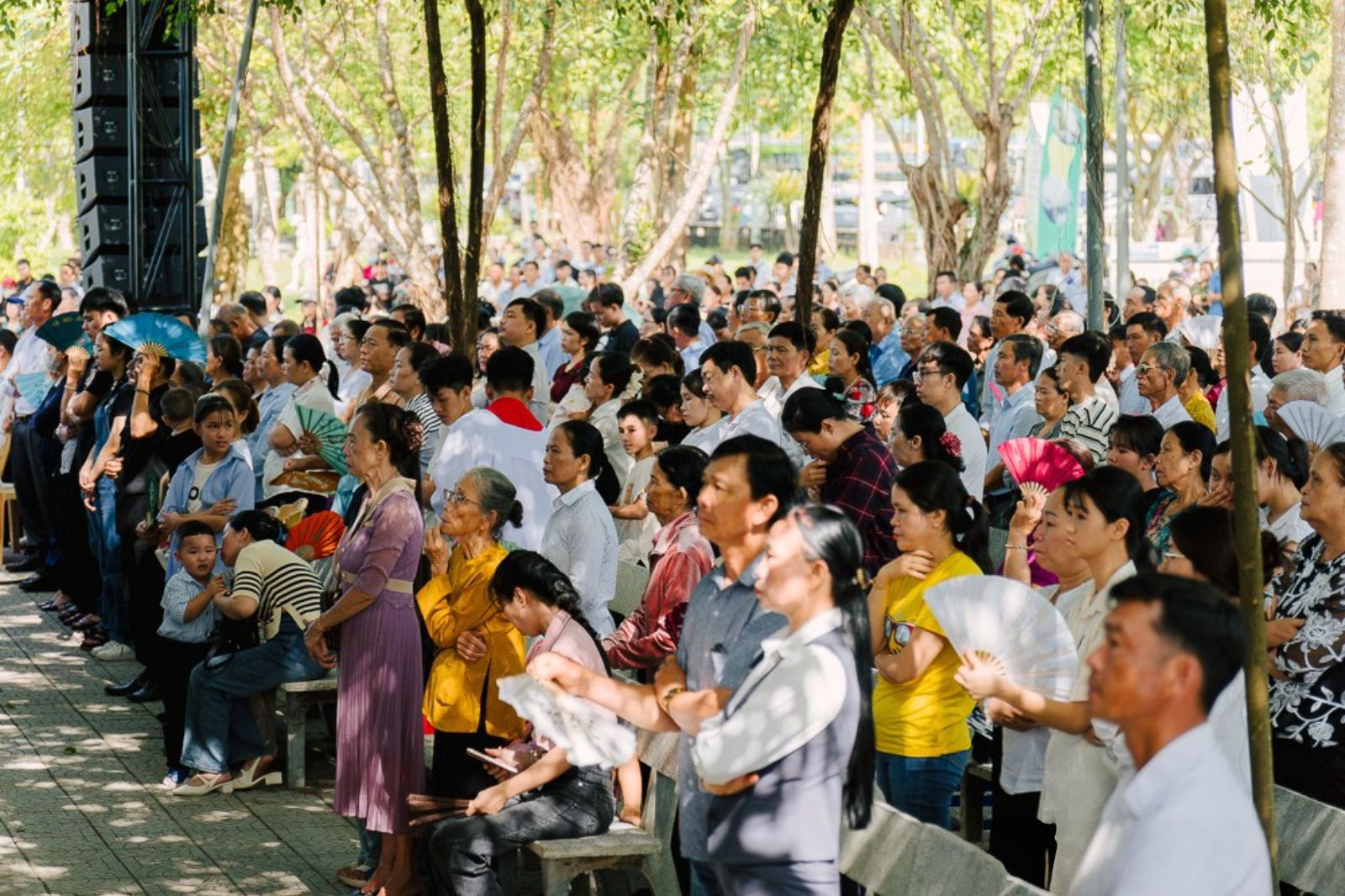
  • National pilgrimage center: For hundreds of years, La Vang has attracted numerous believers from all over, demonstrating its vital role in the faith life of the local Church.
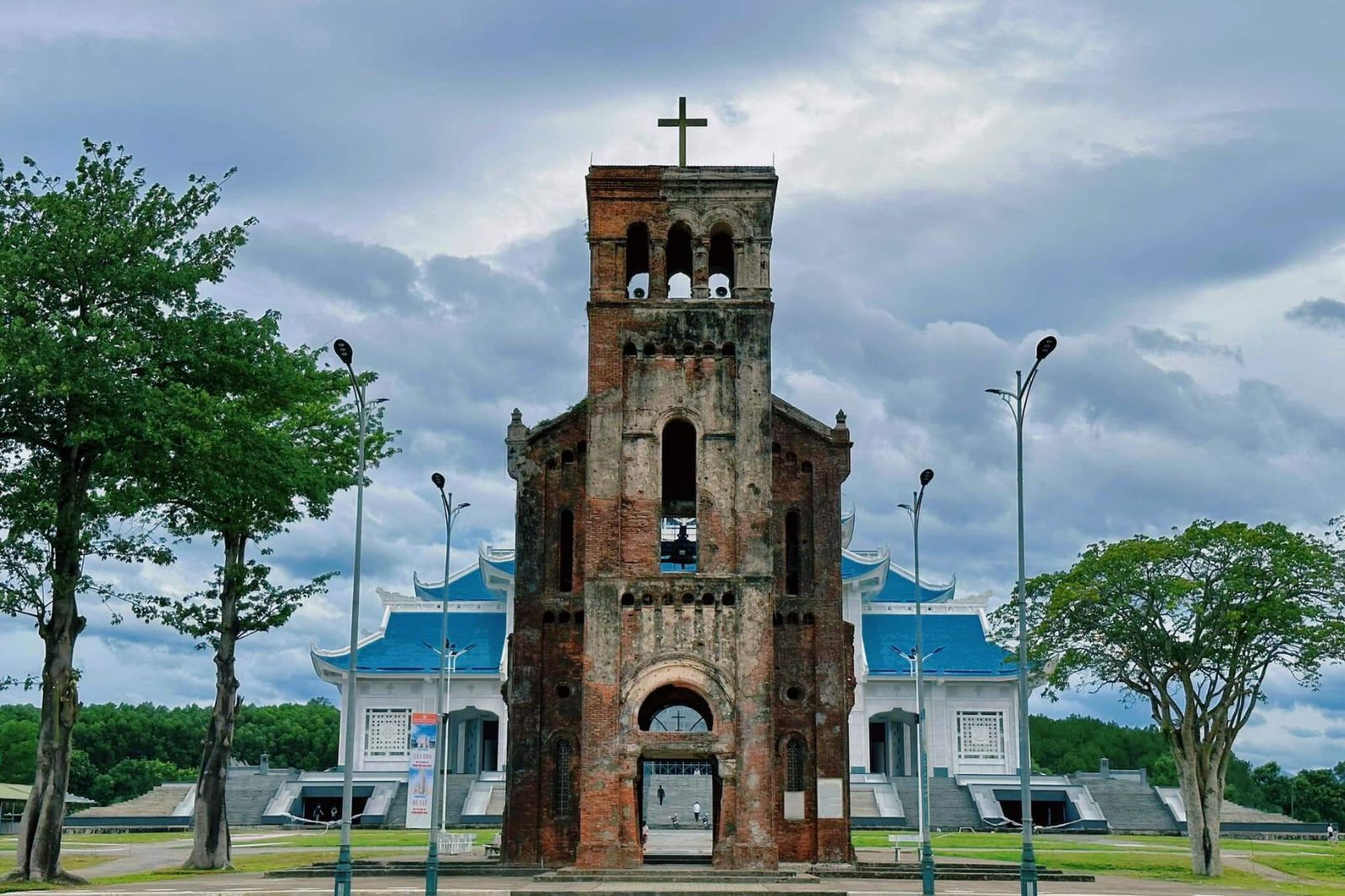
  • Spiritual and cultural values: This place not only preserves historical relics (an ancient bell tower, sacred shrine) but also serves as a symbol of devotion to Our Lady, deeply tied to Vietnamese Catholic identity.
Remnant bell tower in La Vang
Photo: Remnant bell tower in La Vang 

La Vang is not only a sacred place for Catholics but also a cultural symbol of Vietnam. The statue of Our Lady of La Vang, sculpted by sculptor Van Nhan in 1998, depicts a Vietnamese woman wearing an Ao Dai, holding the Infant Jesus in traditional attire. This image represents the harmony between Catholic faith and national identity, making La Vang a destination not only for Catholics but also for anyone seeking peace of mind.

3. The significance of the Basilica to the Vietnamese Church

The title of Basilica is the highest dignity that the Pope can bestow upon a church, reserved exclusively for places of exceptional historical, spiritual, and cultural value. There are two types: Major Basilica in Rome and Minor Basilica throughout the rest of the world. La Vang belongs to the second category, conferring privileges such as:

  • Plenary indulgence: Pilgrims can receive full remission of sins during major feast days.
  • Liturgical privileges: The use of silver bells, beeswax candles, and distinct insignia during Mass.
  • Symbol of unity: Connecting the local Church with the Holy See, affirming La Vang as the "shrine of the entire Vietnamese Church".

For Vietnamese Catholics, this title not only elevates the status of the holy land but also fosters devotion to Our Lady of La Vang – who was proclaimed Patroness of the Church in Vietnam by Pope Francis in 2015. It serves as a reminder of the journey from persecution to freedom, encouraging the younger generation to live out their faith in the modern world.

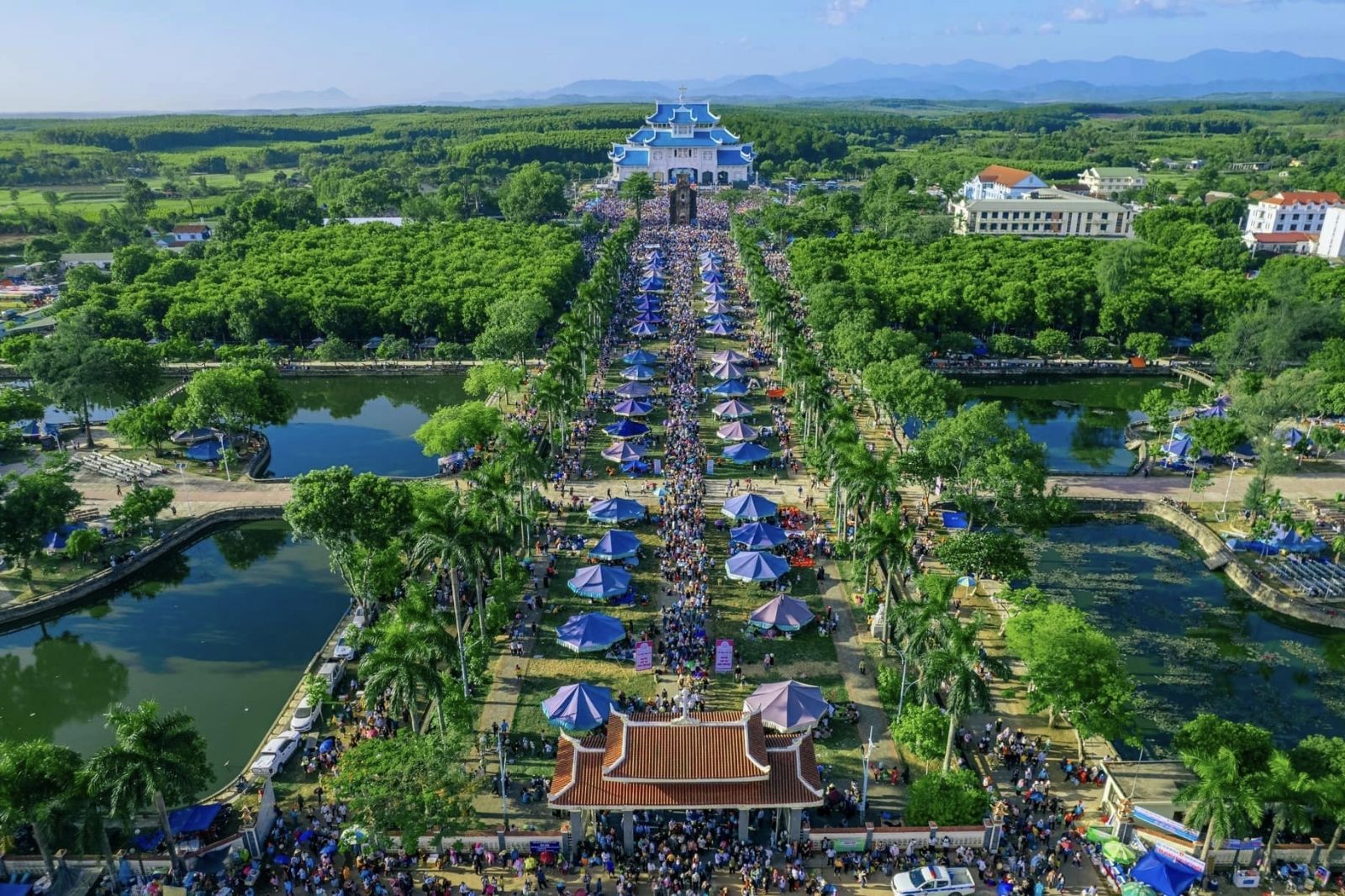
La Vang Holy Land seen from above
Photo: La Vang Holy Land seen from above 

4. Why La Vang always remains a sacred destination?

Within the holy land grounds, Our Lady of La Vang's well is believed by faithful pilgrims to possess healing powers. Many take a sip of the well water to express devotion and pray for blessings. This belief, although not officially recognized by the Church, has become an integral part of La Vang spirituality.

The new Basilica is designed with the Divine Mercy Square, capable of accommodating up to 50,000 people, along with an altar platform seating 1,500 concelebrants. The architecture strongly reflects Vietnamese identity, featuring green tile roofs blending with nature and intricate carvings, creating a space that is both sacred and welcoming.

La Vang Congress
Photo: La Vang Congress 

La Vang Holy Land is recognized as a Minor Basilica not only because of its 200-year history tied to the apparition of Our Lady, but also due to its spiritual significance and role as the main pilgrimage center for Vietnamese Catholics. From a place of refuge deep in the forest, La Vang has become a symbol of faith, protection, and the love of the Virgin Mary.

If you are seeking a place to find inner peace, La Vang Holy Land Tour is the perfect choice for you to immerse yourself in a serene atmosphere, where the echoes of bell towers and prayers will guide you closer to faith and hope. 

Loading......

Featured destinations