Discover the Cultural Beauty of the Pa Cô People - Quang Tri

Central

Quang Tri

Sovaba.travel

Updated at: 24/09/2026

1. The Pa Co People in Quang Tri

The Pa Cô people belong to the Mon-Khmer language group, often categorized together with the Tà Ôi ethnic group, but they possess many distinct characteristics regarding language, customs, and self-identity. In the Tà Ôi language, "Pa" means side and "Kô" means mountain, so Pa Cô translates to "people on the mountain side".

In Vietnam, the Pa Cô community is mainly concentrated in the two mountainous districts of Huong Hoa and Dakrong (Quang Tri province), along with a portion in A Luoi district (Thua Thien Hue province). They live alongside other ethnic groups such as the Van Kieu (Bru), Co Tu, and Tà Ôi. Their traditional life is closely tied to slash-and-burn farming, hunting, and gathering in the Truong Son mountains.

According to folk legend, the ancestors of the Pa Cô once lived in the plains, but due to their honesty during a citadel-building competition, they had to migrate to the mountains. Even as modern life brings changes, they maintain a tight-knit community lifestyle with traditional long stilt houses and a strong spirit of solidarity. The Pa Cô population in Vietnam is nearly 20,000 people, forming an important part of Quang Tri's diverse cultural tapestry. 
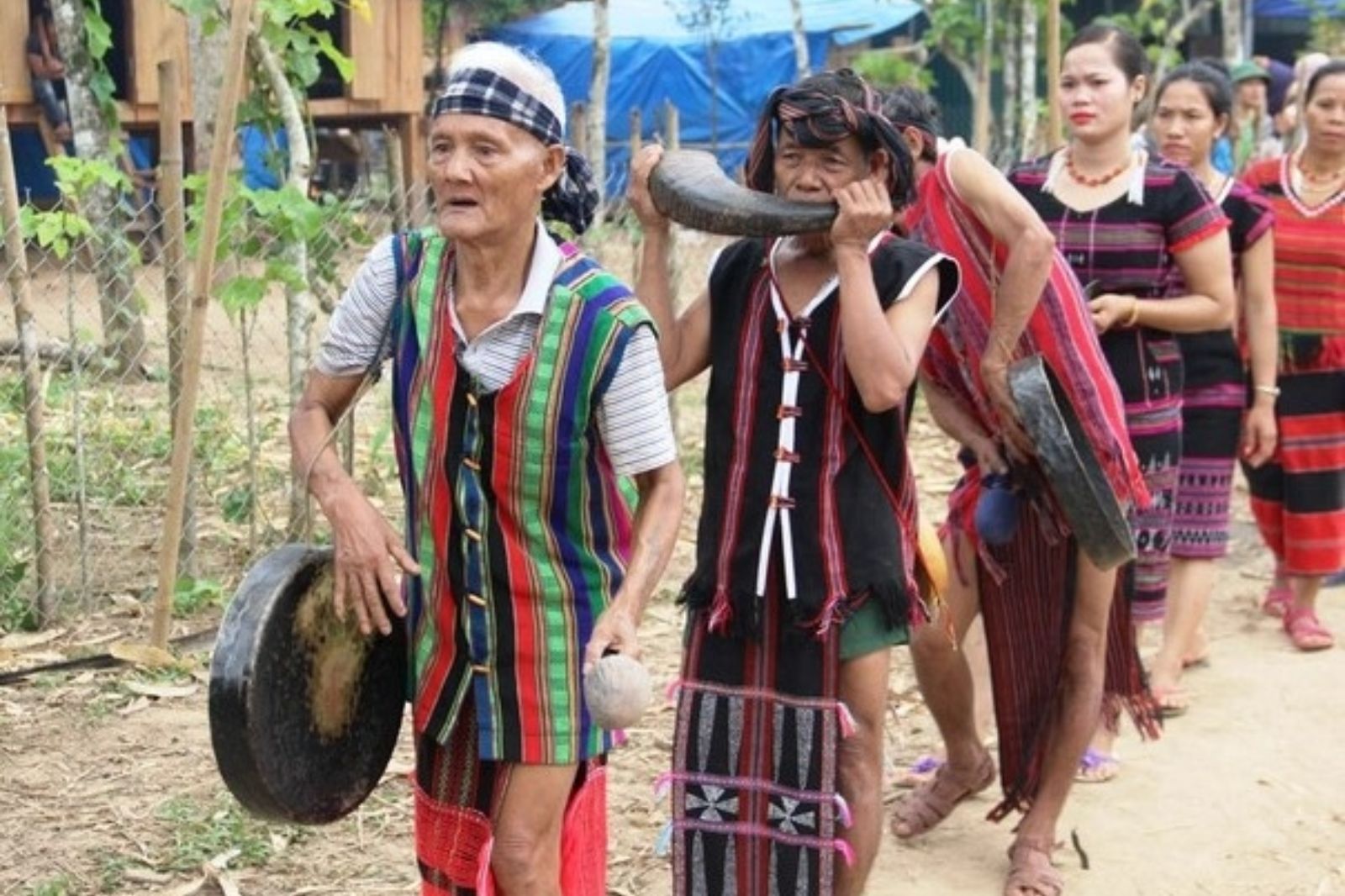
The Pa Cô people
Photo: The Pa Cô people 

2. Traditional Costumes

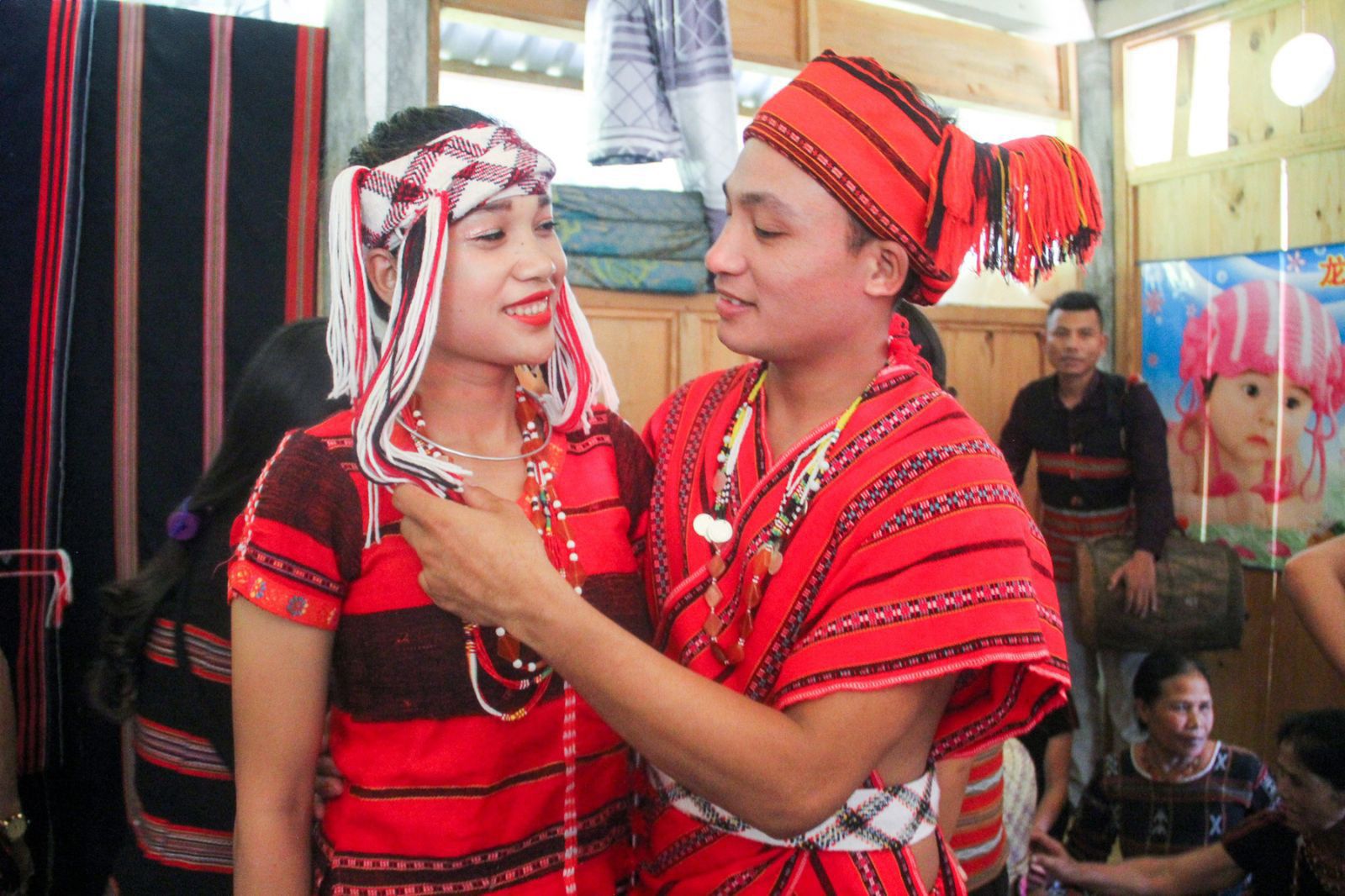
The traditional costume of the Pa Cô people is one of their most prominent features, showcasing the skill and creativity of ethnic women. Pa Cô women are famous for their exquisite brocade weaving techniques using natural cotton yarn, dyed with forest leaves and bark.

  • Women: Usually wear flared skirts (xin or xan), chu hoe or ado shirts combined with headscarves, silver rings, and copper bracelets. Outfits feature geometric patterns and motifs representing mountains, forests, rivers, and streams.
  • Men: Wear wing-sleeved brocade shirts and traditional loincloths with strong, bold patterns, sometimes going bare-chested to display physical vigor.

Costumes are worn not only in daily life but also during all festivals, weddings, and funerals. Today, many artisans and young people in Dakrong and Huong Hoa are striving to restore and creatively adapt traditional attire with modern elements to integrate them into tourism.

Wedding of the Pa Cô people
Photo: Wedding of the Pa Cô people 

3. Music and Folk Songs

Music is the soul of Pa Cô culture. Folk melodies carry the breath of the wilderness, expressing romantic love, labor production, and gratitude to nature.

Famous folk singing genres:

  • Xieng Singing: A lyrical antiphonal singing style, often performed at festivals, traditional Lunar New Year, or when young men and women express their feelings.
  • Cha Chap, A Den, Ka Loi: Solo songs sung during labor or to convey personal thoughts and feelings.
  • Folk Dances: Gong dances and welcoming dances.

Rich traditional musical instruments include the Ta Lu (a traditional stringed instrument), panpipes, gongs, flutes, drums... Artisan Mai Hoa Sen and especially Kray Suc (Meritorious Artisan) have contributed greatly to collecting and teaching these musical traditions.

4. Community Festivals and Beliefs

To the Pa Cô people, everything in this world—from ancient trees and winding rivers to wild animals roaming deep in the forest—possesses a living soul. The land has the Earth deity, the water has the Water deity, and rain and wind each have their own guardian deities protecting their daily lives.

Main festivals:

  • Pul Boh (Field Preservation Ceremony): Praying for fertile land before farming.
  • Ada (New Crop Festival): Celebrating the rice harvest and giving thanks to heaven and earth.
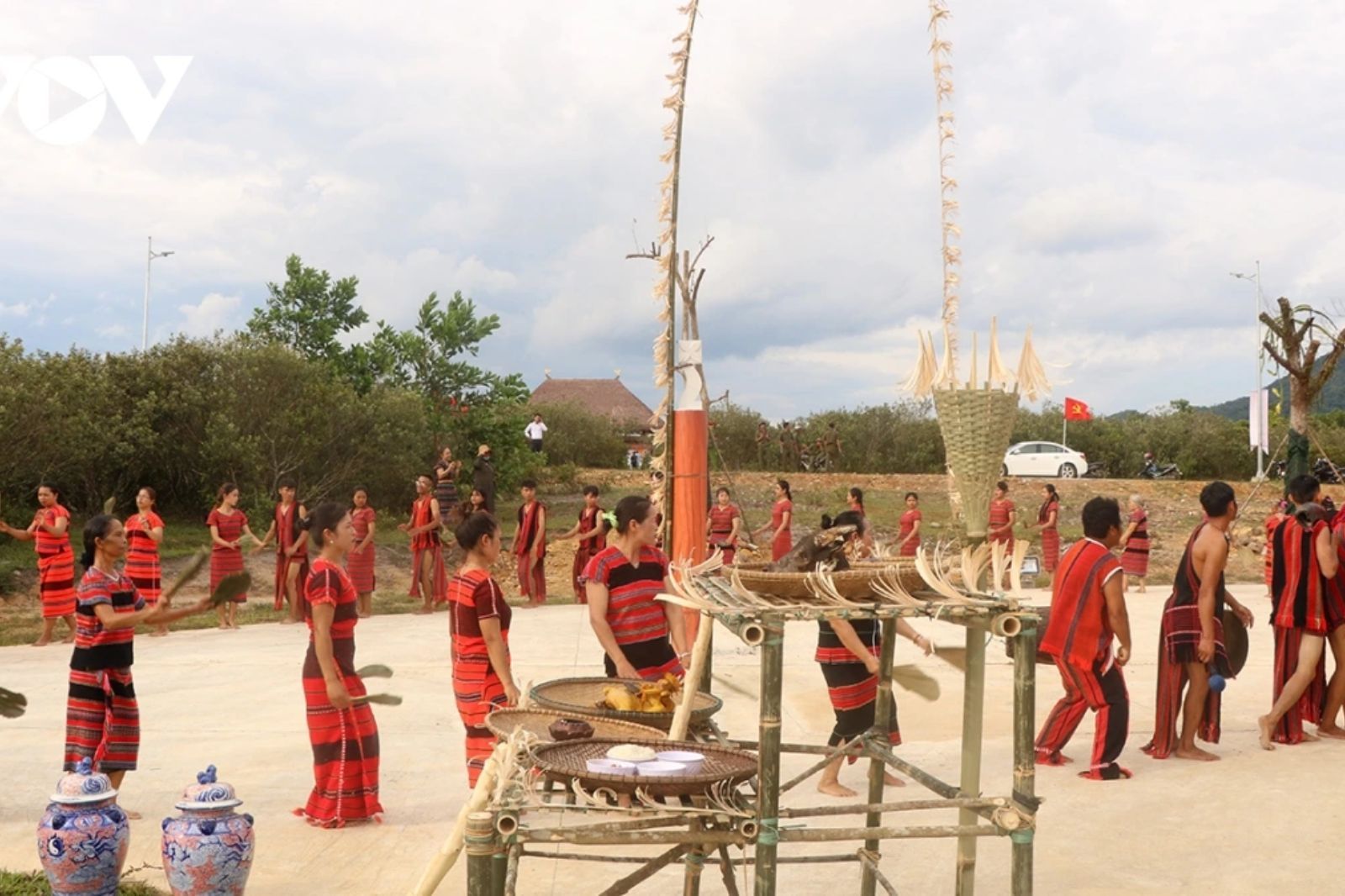
  • Arieu Ping (Tomb Exhumation / Grave House Festival): The most important festival, held every 5-7 years to rebury ancestors, release the souls of the deceased, and pray for peace for the community. The festival features buffalo sacrifice, singing, dancing, and lively gong performances.
The Pa Cô people hold many unique festivals
Photo: The Pa Cô people hold many unique festivals 

Beyond the reburial ceremony, the Pa Cô also observe many unique rituals such as worshiping the Ant God, Porcupine God, and Rain God, deities who bring good luck, protect bountiful harvests, and ensure a peaceful life. Each ritual is an ancient story, a sincere prayer sent to heaven and earth, as well as an occasion for the community to gather, dance, sing, share joy, and strengthen family bonds. Surrounded by the breath of the forest and echoing gong beats, the animistic faith of the Pa Cô people remains resilient over time, preserving the sacred soul of their ethnicity.

5. Efforts to Preserve Pa Co Culture

In the context of modernization and deepening international integration, preserving the traditional cultural values of the Pa Cô people has become an essential task to protect ethnic identity. Facing the risk of losing many forms of folklore, artisans, local communities, and local authorities have implemented practical activities to safeguard these precious values for future generations.

One exemplary figure is artisan Kray Suc in Ta Rut commune, Dakrong district. With his passion and dedication to ethnic culture, he has collected hundreds of valuable photos and documents, compiled folk songs and dances, crafted traditional musical instruments, and directly taught the younger generation. Notably, he once personally funded an exhibition to introduce Pa Cô culture to the community. Furthermore, many schools in Huong Hoa and Dakrong have integrated Pa Cô folk songs and dances into extracurricular activities, while local governments actively support the development of brocade weaving, build community tourism models, and encourage residents to wear traditional clothing during festive occasions. These persistent efforts not only contribute to preserving the distinct cultural values of the Pa Cô people but also create a foundation for indigenous culture to spread further, becoming a vital resource for community tourism and economic growth in western Quang Tri.

6. Connecting Pa Co Culture with Quang Tri Tourism

Not only possessing distinct traditional cultural values, the Pa Cô community is also becoming an important highlight in community-based and experiential tourism development in western Quang Tri. 

  • Homestay in stilt houses, enjoying bamboo-cooked rice, grilled meats, and wild vegetables.
  • Participating in the Arieu Ping Festival and Ada Festival (when permitted).
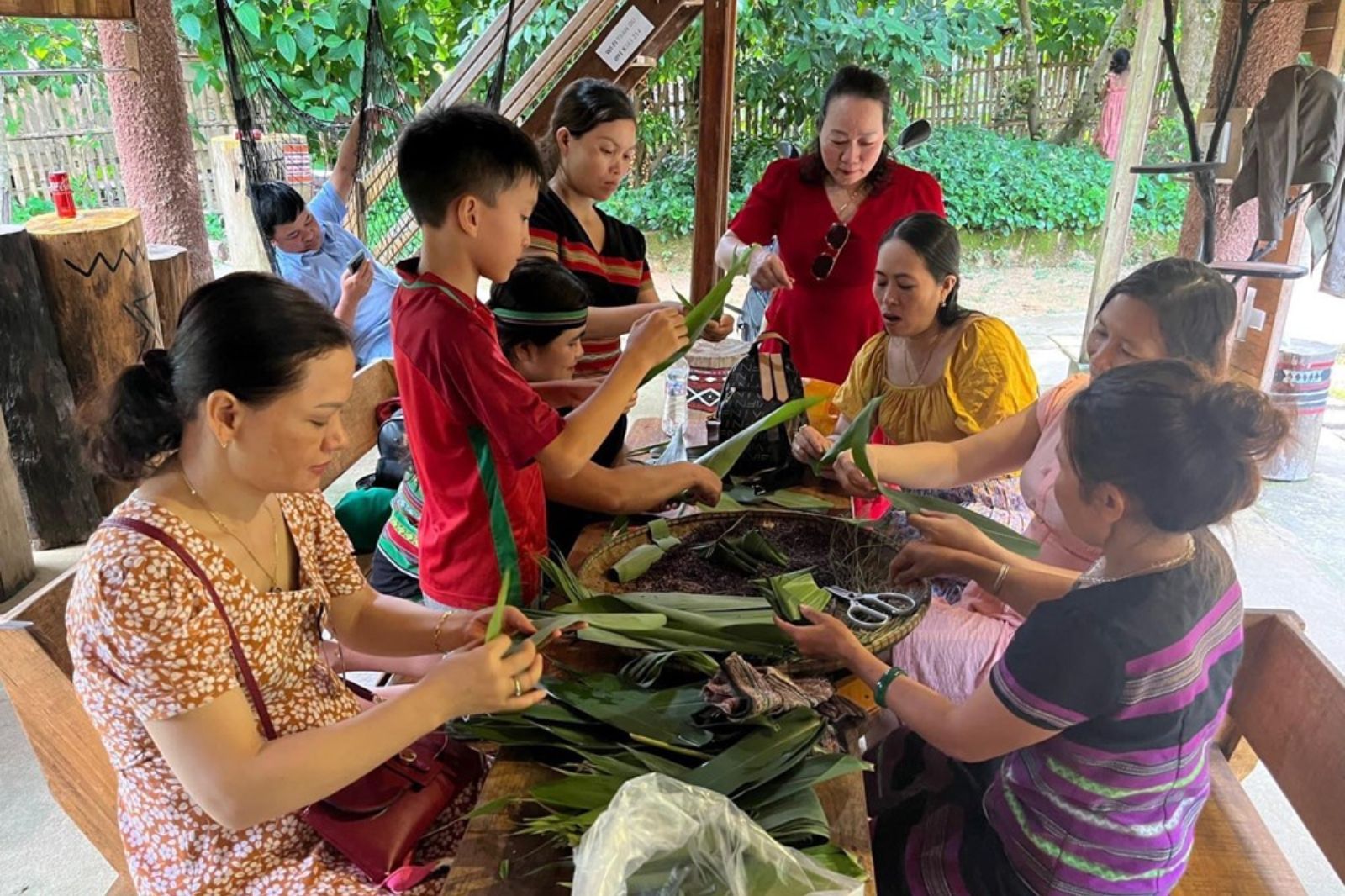
  • Learning brocade weaving, playing the Ta Lu instrument, and listening to Xieng singing.
  • Exploring villages in Dakrong and Huong Hoa combined with trekking in the Truong Son forest.

Community tourism projects not only generate income but also inspire locals to take pride in and preserve their culture. As tourism develops, Pa Cô culture will become even more vibrant, helping promote the image of Quang Tri – a heroic land rich in ethnic identity.

Community-based tourism models are gradually bringing tourists closer to the Pa Cô people
Photo: Community-based tourism models are gradually bringing tourists closer to the Pa Cô people

The culture of the Pa Cô people in Quang Tri is a vivid picture of resilience, creativity, and deep love for their mountainous homeland. From colorful hand-woven brocade costumes crafted with great skill, to poignant folk melodies echoing through the vast forest and mystical spiritual rituals, the Pa Cô people have preserved and passed down a precious cultural heritage through generations. Every stilt house, festival, and lively gong rhythm hides emotional stories about their life and beliefs.

If you wish to touch the soul of the mountain forest and gain a deeper appreciation for this unique cultural beauty, a trip to Quang Tri will be an unforgettable journey. Cultural tours here will take you to explore rustic Pa Cô villages, experience unique festivals like Arieu Ping, listen to echoing gong dances, and admire the majestic scenery of Truong Son. Check out Quang Tri travel tours to learn more about Pa Cô culture with Sovaba. Let this journey offer you authentic experiences, allowing you to immerse yourself in the flow of Pa Cô life and feel the simple yet vibrant beauty of this land.

Loading......

Featured destinations