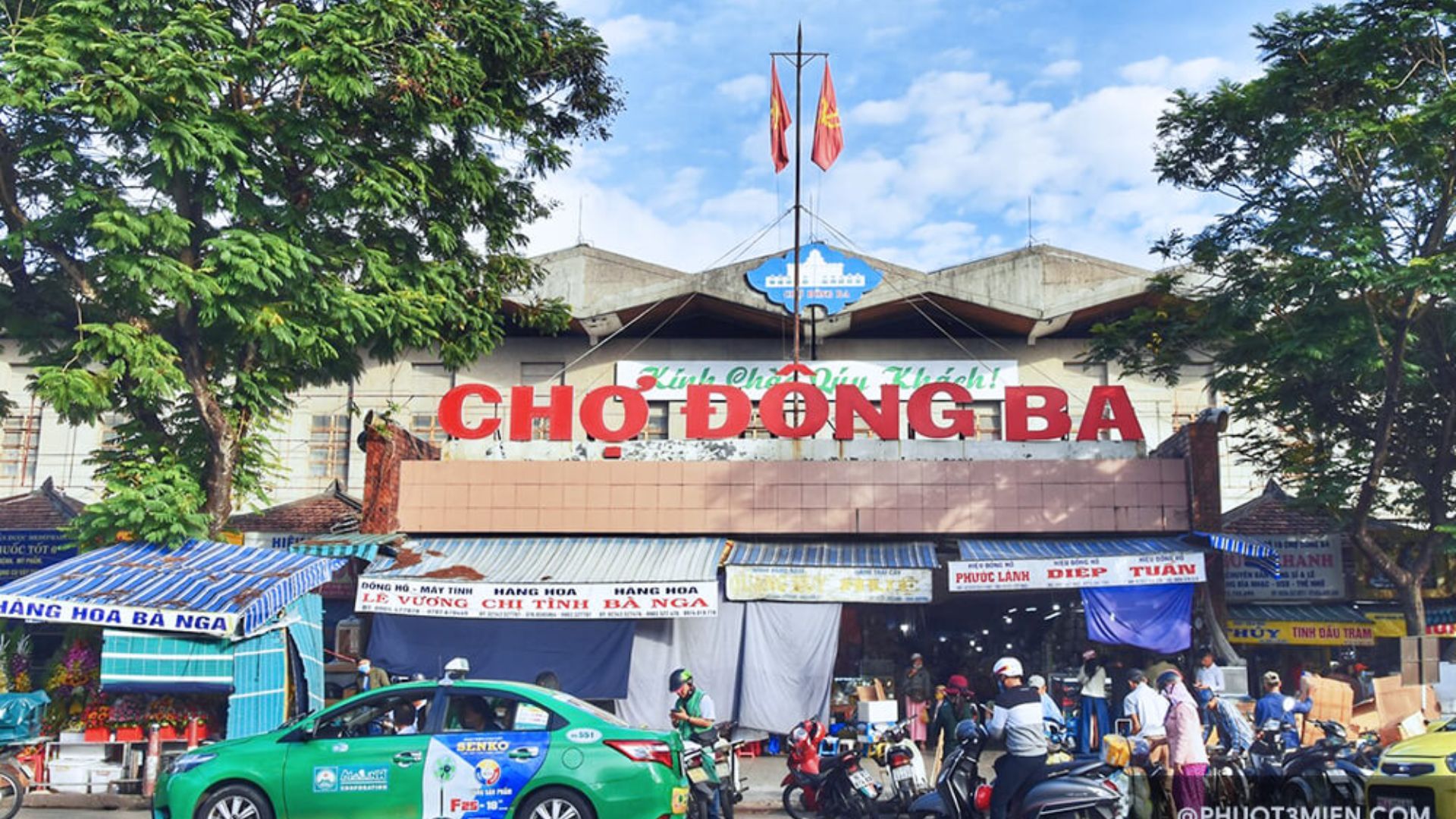
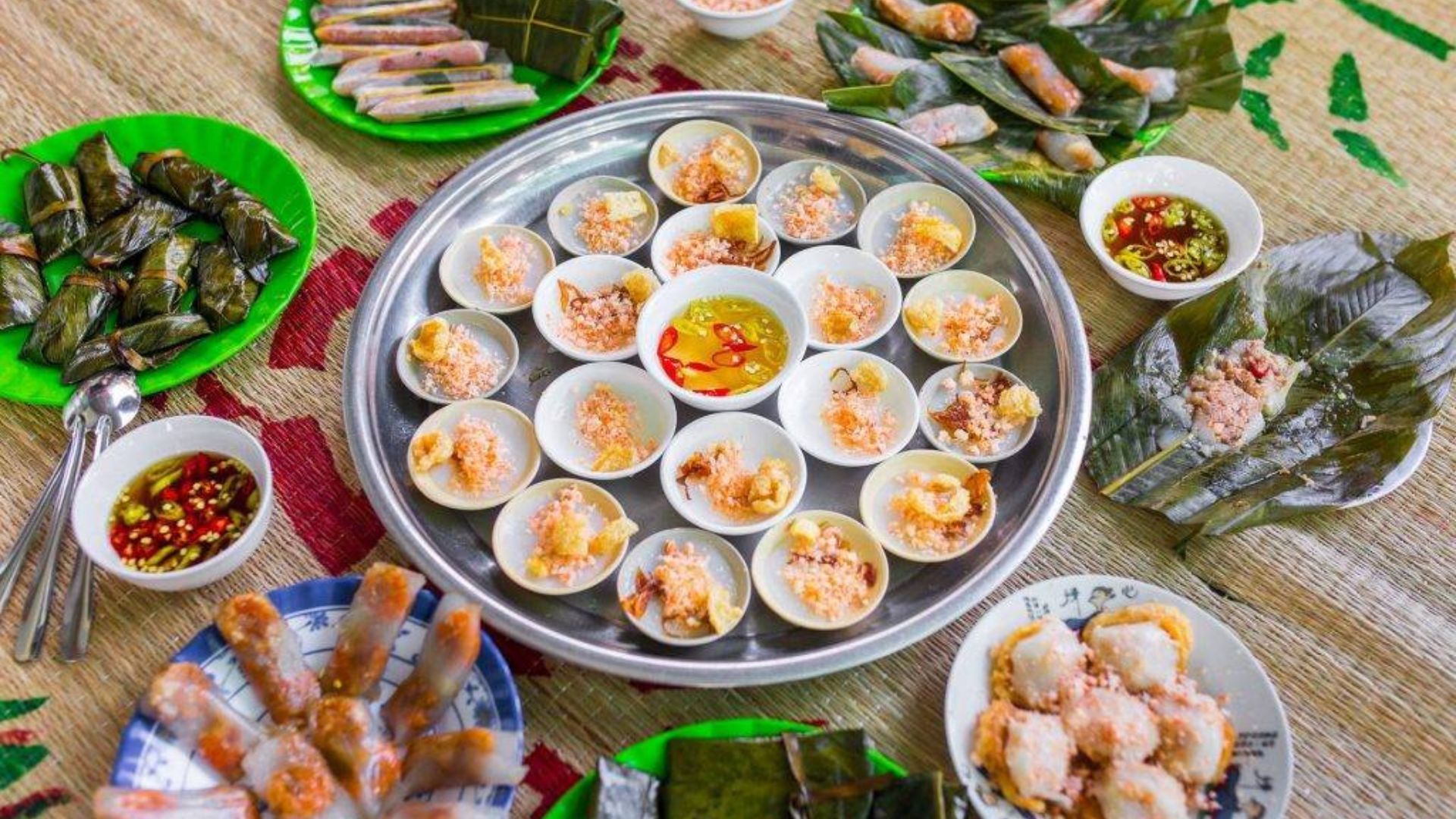
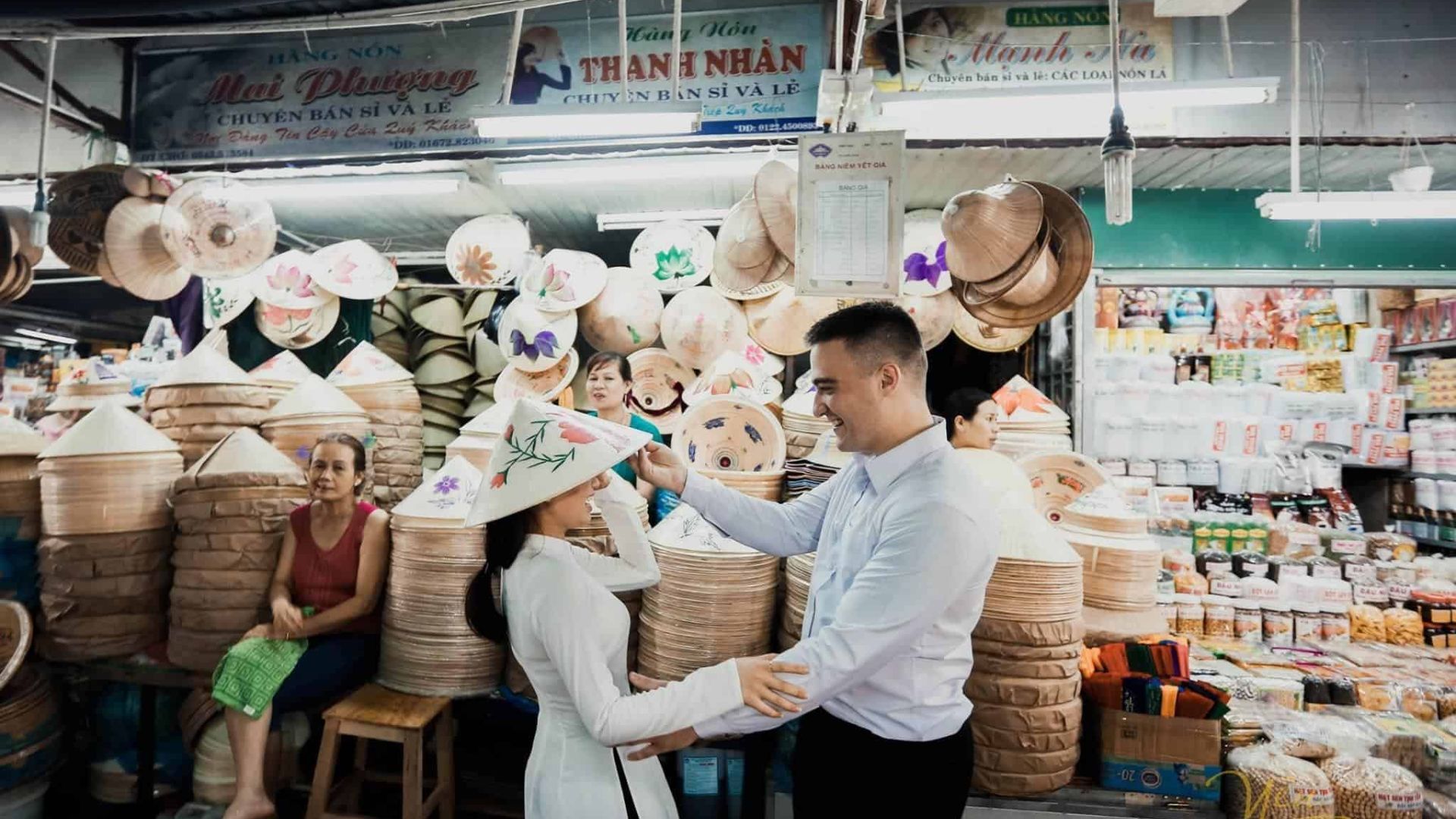
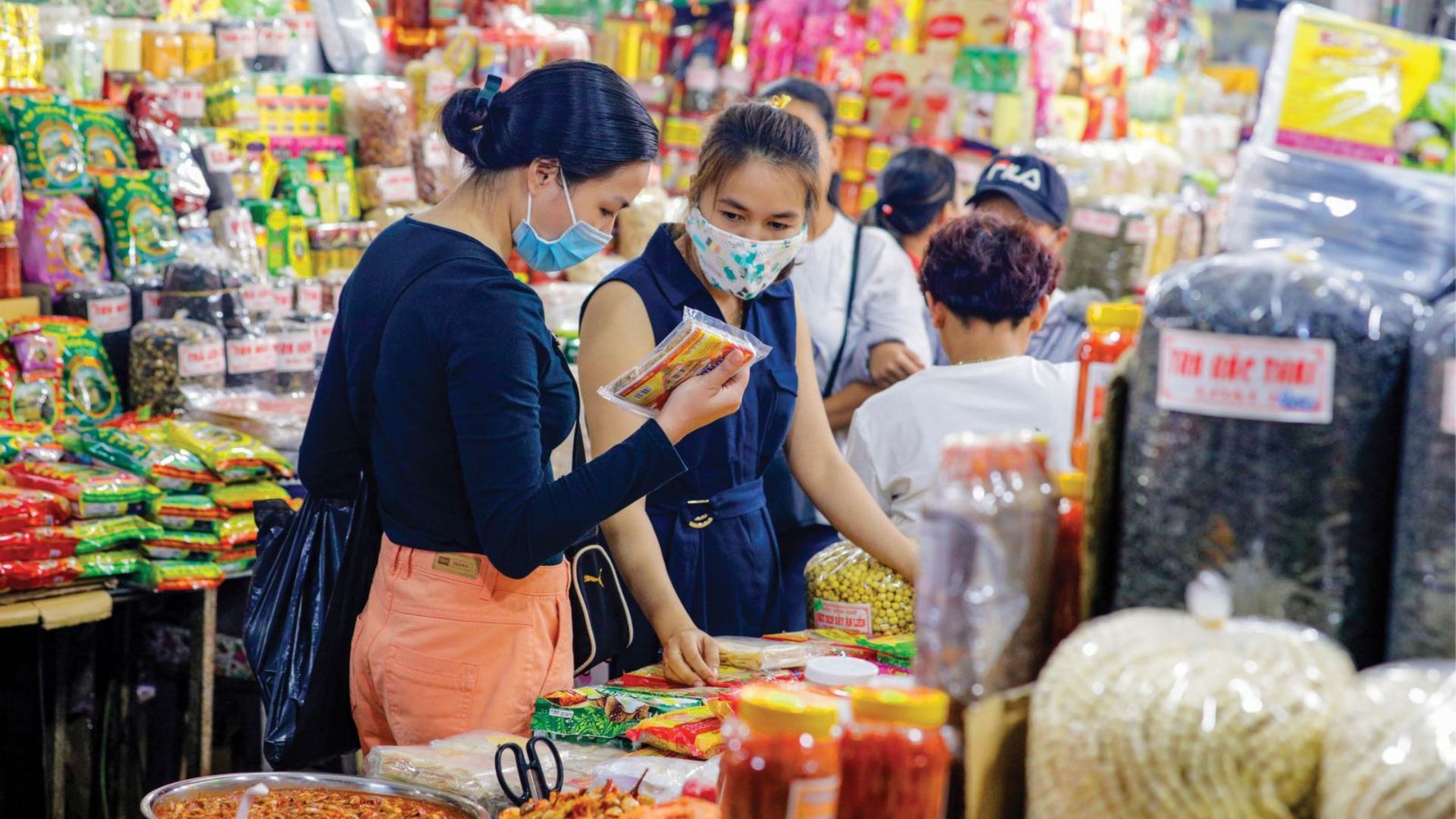
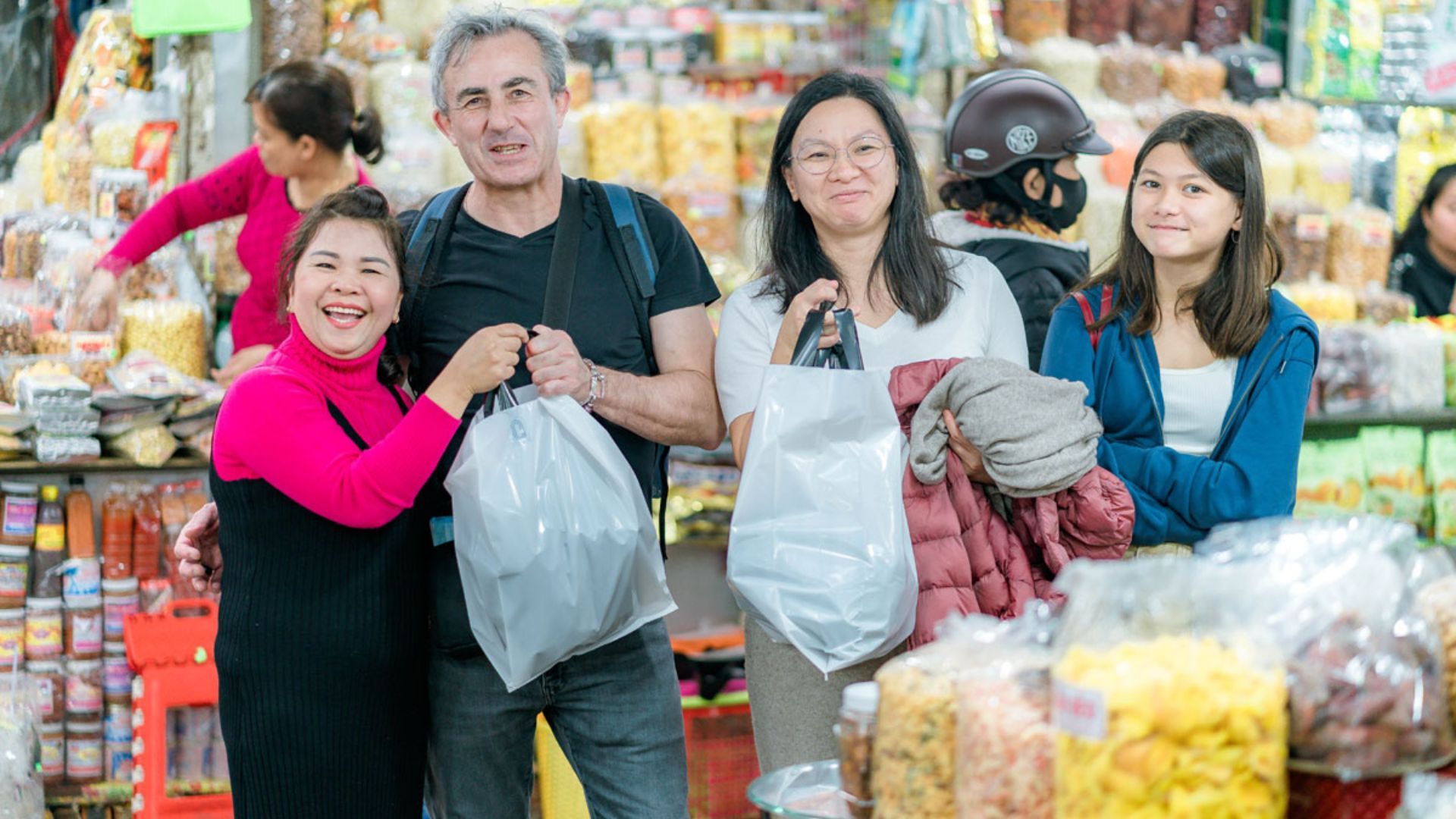
Over many years, Dong Ba Market has grown to become a centuries-old cultural icon, preserving and spreading the quintessential values of the imperial capital.
Over 100 years of history linked to the ancient capital
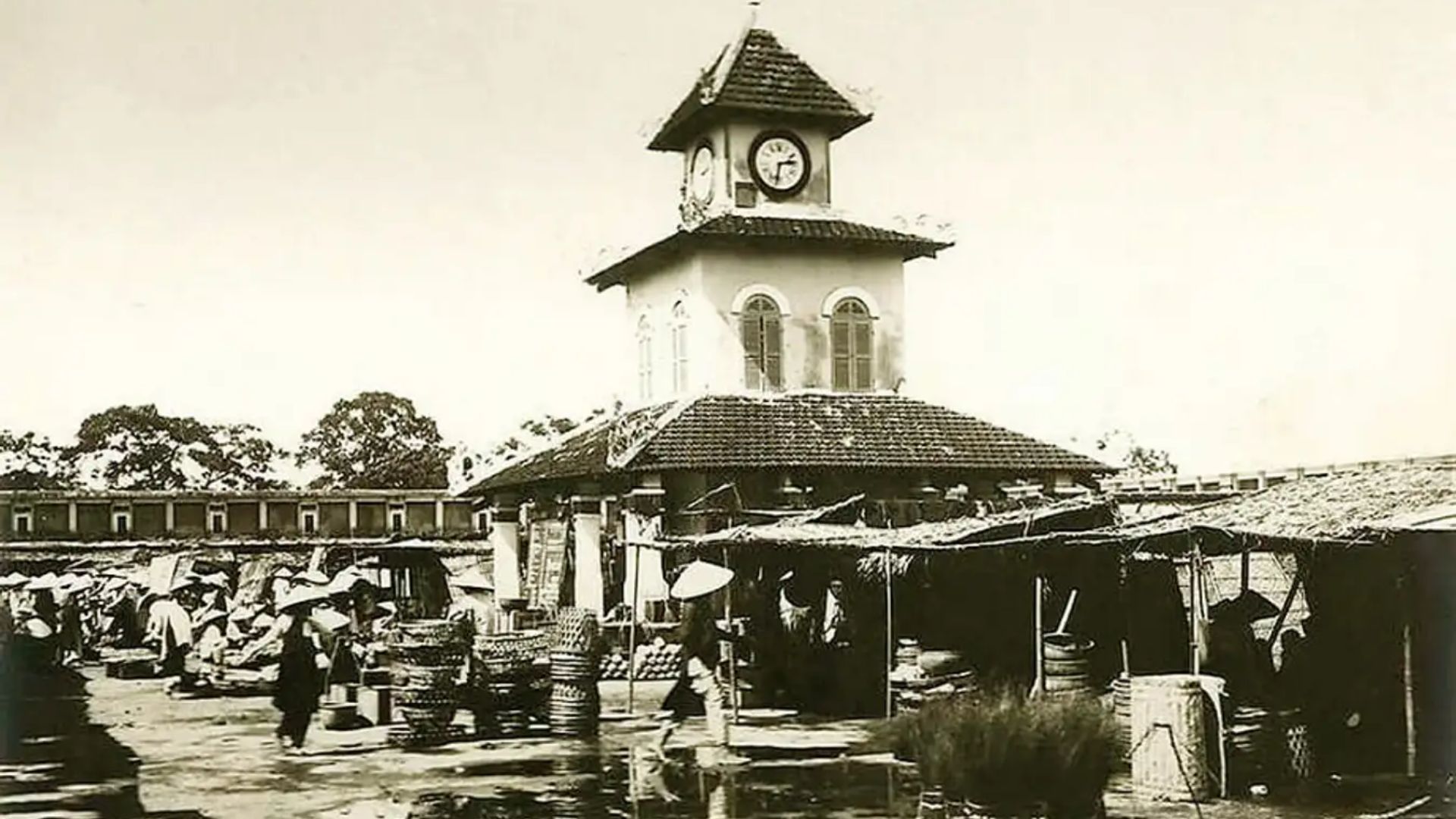
Dong Ba Market was first built in 1899 during the reign of King Thanh Thai, strategically located between the center of Hue city and the romantic Perfume River. Spanning over a century, the market has witnessed many ups and downs of the ancient capital, from the golden age of the Nguyen Dynasty to the upheavals of wars. Initially just a small market, over various reigns and administrations, it was expanded and renovated to become the largest commercial center in Hue. Despite being destroyed several times, especially during wars, Dong Ba Market was repeatedly rebuilt by local residents with resilience, standing as an indelible symbol of Hue's culture and spirit. Today, Dong Ba Market is not only a historical heritage site but also a witness to the development and renovation of Hue city through different eras.
Prime location along the romantic Perfume River
Dong Ba Market is located right on the banks of the Perfume River, an extremely prime location in the heart of the ancient capital of Hue. This location not only imparts poetic beauty to the market but also provides favorable conditions for trade and cargo transport. Since ancient times, the Perfume River has been a vital waterway connecting surrounding regions with central Hue. Thanks to its riverside location, Dong Ba Market became a hub for goods flowing in from all around, creating a rich and diverse range of products. Furthermore, its proximity to famous landmarks such as the Imperial City and Trang Tien Bridge attracts tourists for sightseeing and shopping, contributing to the market's growing bustle. This strategic location has not only helped Dong Ba Market thrive economically but has also contributed to preserving and promoting the cultural values of the ancient capital of Hue.