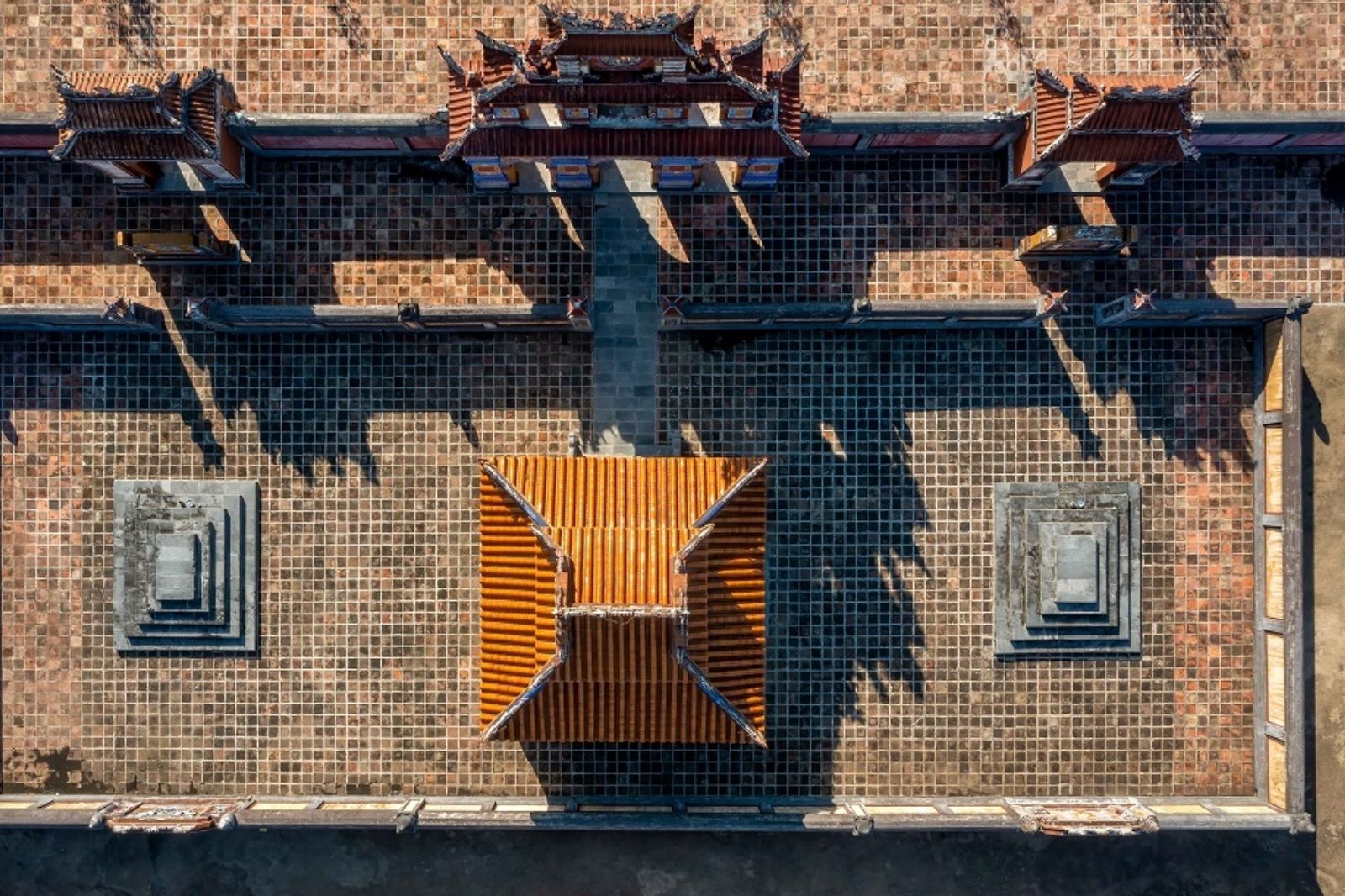
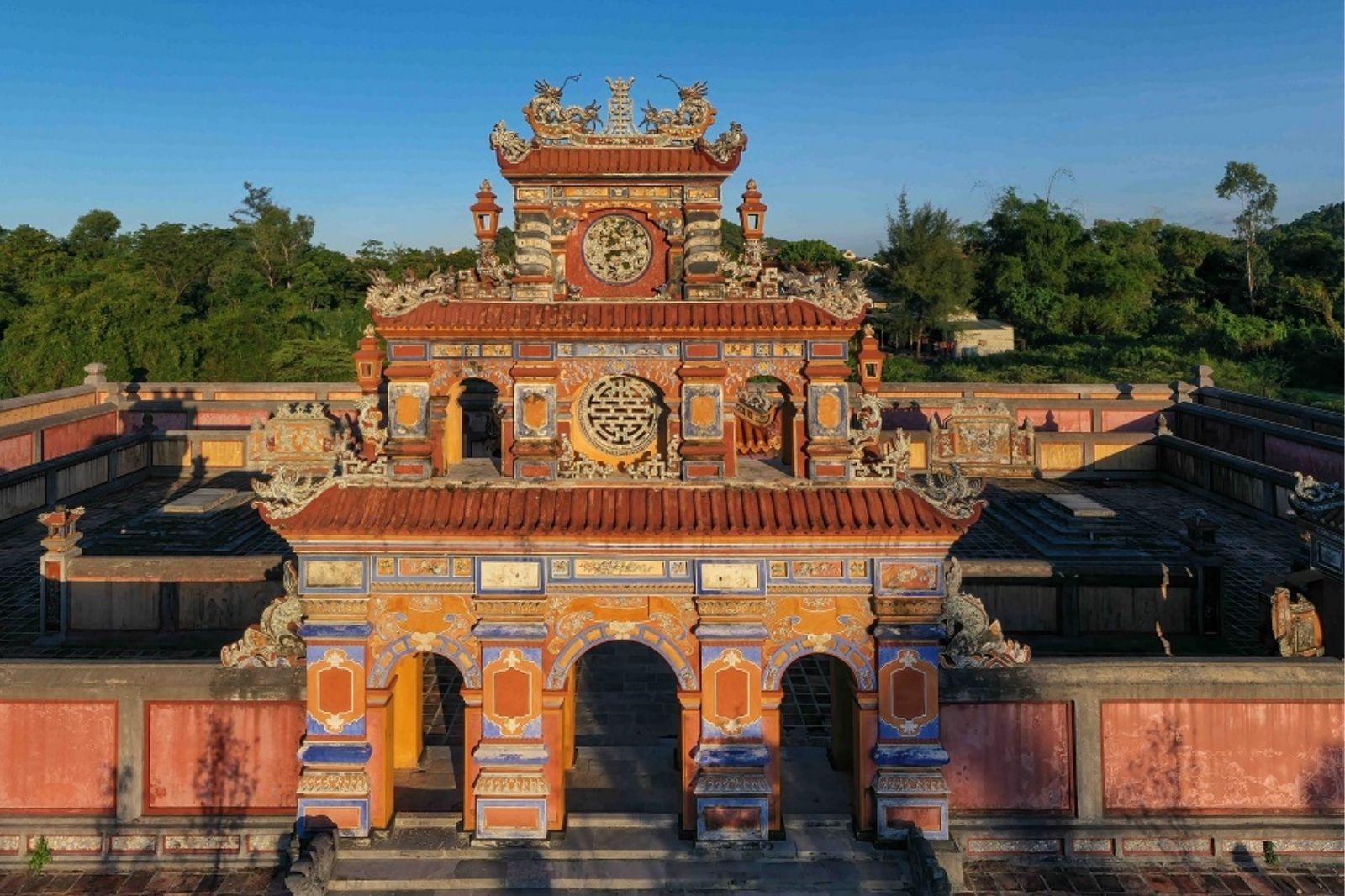
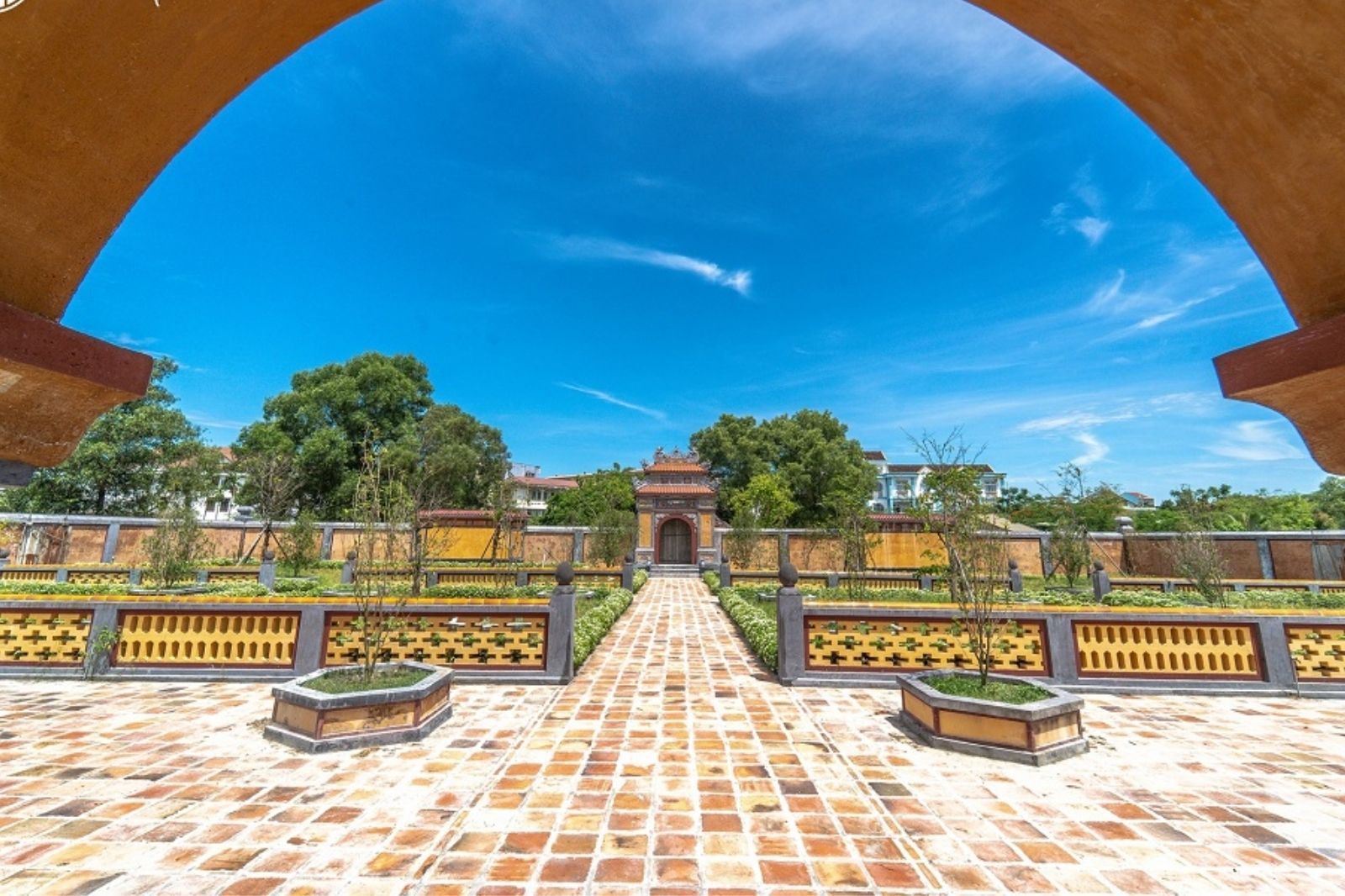
Duc Duc Tomb, also known as An Lang, is one of the special historical monuments of the ancient capital of Hue. Unlike the majesty and splendor of many Nguyen Dynasty royal tombs, this place evokes the tragic events of the late 19th and early 20th centuries. Not only the resting place of one king, An Lang is also the final resting place of three emperors, each carrying a fate intertwined with the decline of the dynasty.
The tragic life of Emperor Duc Duc
Emperor Duc Duc, whose birth name was Nguyen Phuc Ung Ai (later changed to Ung Chan), was born in 1852 as the 26th son of Emperor Thieu Tri. At the age of 2, he was adopted by Emperor Tu Duc and raised at Duc Duc House inside the Imperial City of Hue. In 1883, after Emperor Tu Duc passed away without a direct heir, Ung Chan was crowned under the reign title Duc Duc. However, his reign lasted for only three days (July 19–22, 1883 in the lunar calendar).
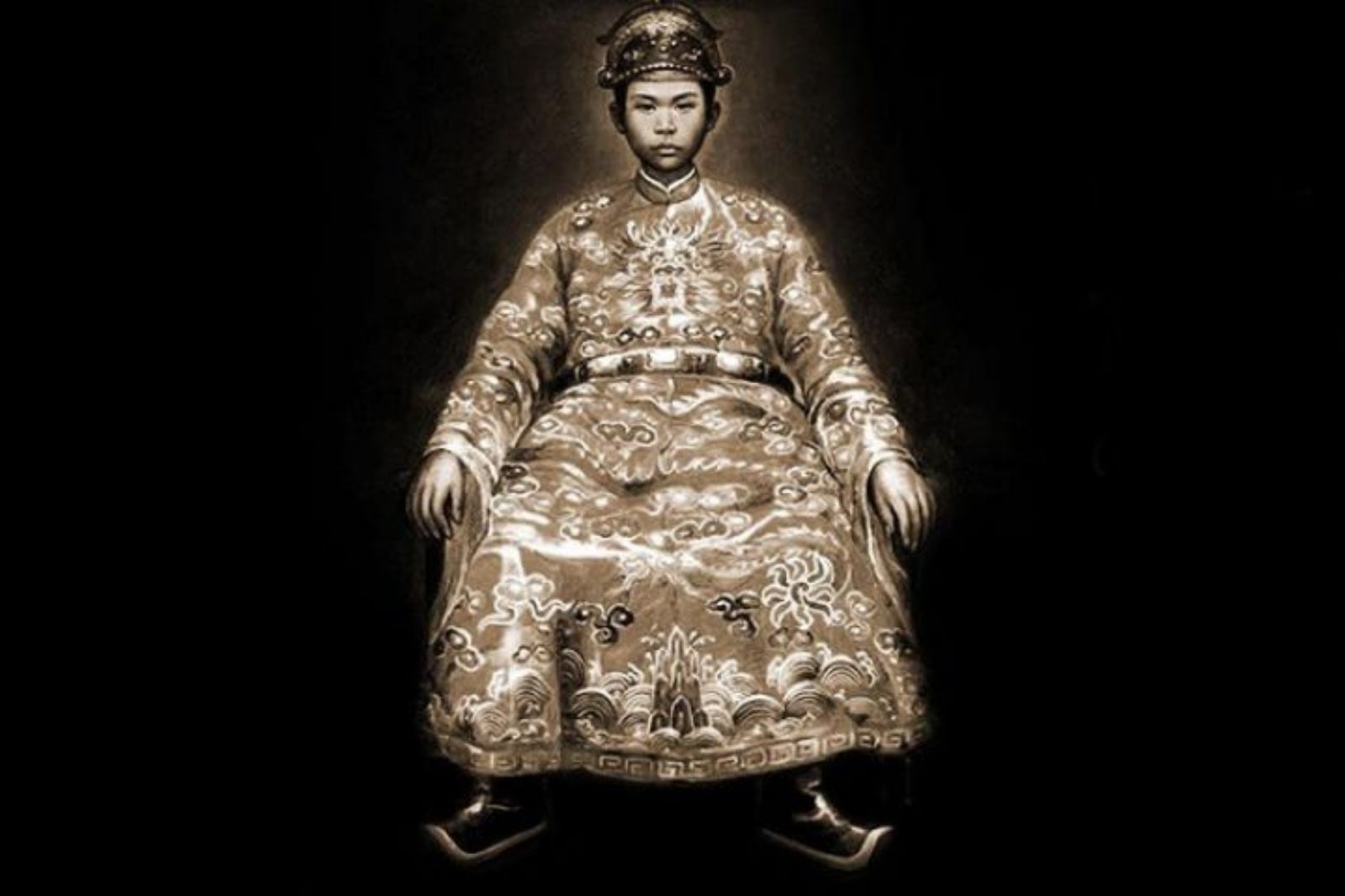
The cause stemmed from Emperor Tu Duc's royal testament. The testament was claimed to contain criticism of court regents, prompting two powerful mandarins, Ton That Thuyet and Nguyen Van Tuong, to plot his deposition. Emperor Duc Duc was put under house arrest at Duc Duc House and later transferred to Thua Thien Prison. There, he was starved of food and water for seven consecutive days, leading to his tragic death on October 6, 1883. His body was wrapped in a ragged mat and hurriedly carried to be buried during a rainstorm by a stream near Phuoc Qua Hill, next to Tuong Quang Pagoda.
This remains one of the most tragic stories of the Nguyen Dynasty, exposing the cruelty and harshness of court politics at the time. Only a few days later was Lady Tu Minh – the Emperor's main consort – allowed to pay her respects and organize a simple funeral service at Tuong Quang Pagoda to commemorate her ill-fated husband.