Exploring Mui Nghe – “The Place Where the Sun Rises First” on Son Tra Peninsula, Da Nang
Central
Da Nang
Son Tra Peninsula
Sovaba.travel
Updated at: 24/09/2026
1. Where is Mui Nghe Da Nang located?
Mui Nghe (also known as Hon Nghe) is located in the southeast of Son Tra Peninsula, Tho Quang Ward, Son Tra District, Da Nang City. It is considered the easternmost point of Da Nang, with coordinates around 16.0972°N, 108.2542°E, about 10–17 km from the city center depending on the route.
Thanks to its location facing straight out to sea, Mui Nghe is known as the place to welcome the very first sunrise in Da Nang. As the sun just peeks over the horizon, early rays illuminate this spot before spreading across the city, creating a magical and impressive natural landscape. It is precisely this pristine beauty along with its special geographical value that makes Mui Nghe an attractive destination for those who love exploring and hunting for sunrises on Son Tra Peninsula.
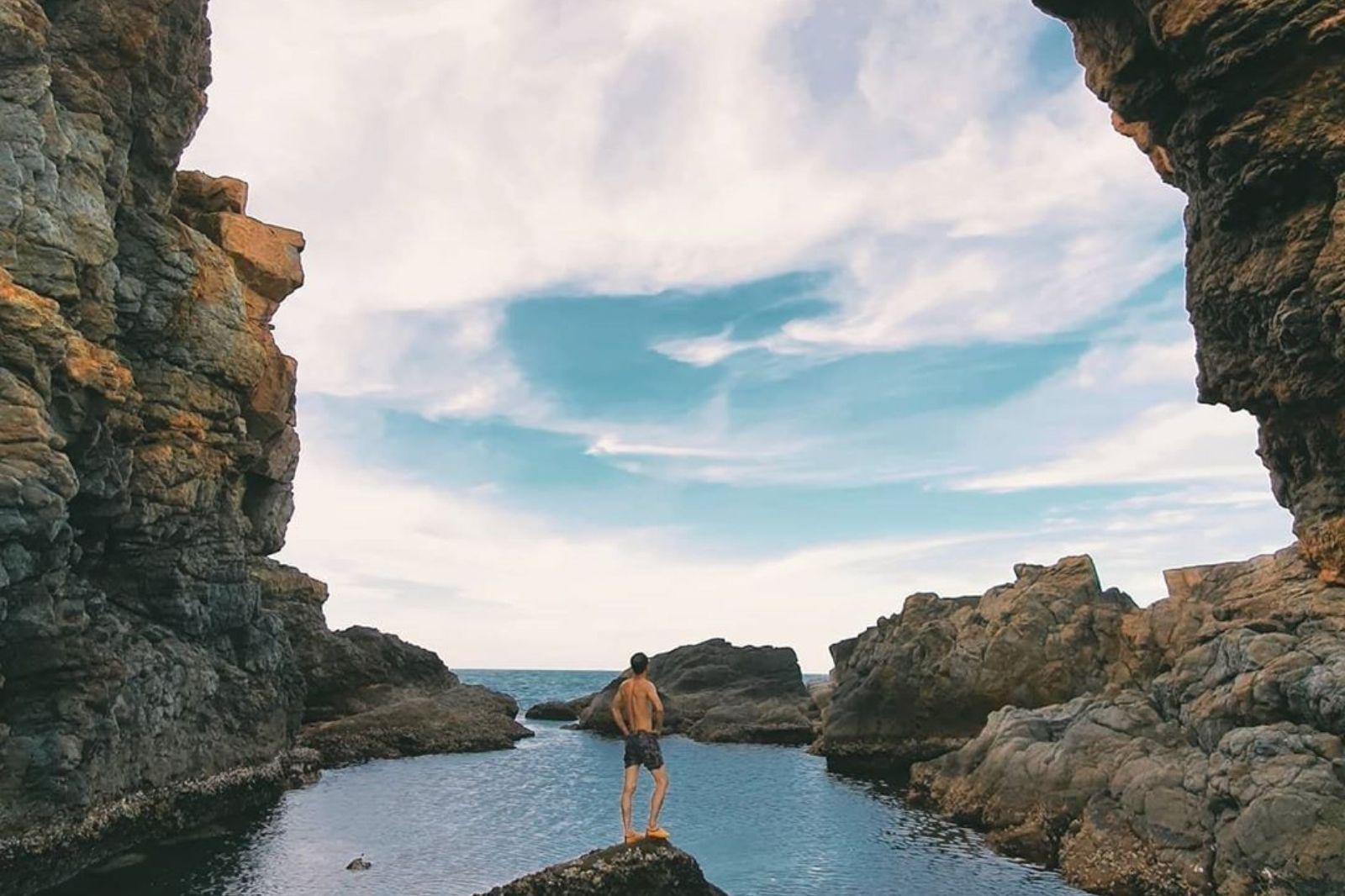
Photo: Mui Nghe on Son Tra Peninsula
2. History and meaning of the name Mui Nghe
The name “Mui Nghe” originates from the special shape of a large rock formation “crafted” by nature resembling a Nghê – a mythical creature in Vietnamese folk beliefs, with its head facing the mountain and its back turned toward the East Sea. This landmark is also one of the three ancient mountains that contributed to forming the Son Tra Peninsula, alongside Mo Dieu and Co Ngua. According to geological history, Son Tra was once an isolated island, later connected to the mainland by alluvial deposits.
Not only carrying symbolic value, Mui Nghe is also an important part of the ecosystem of Son Tra Peninsula. The area around Mui Nghe is home to various marine species and diverse coral reefs, while the forest above is the habitat of the red-shanked douc langur – a rare endemic primate species. To the people of Da Nang, the image of Mui Nghe is not only a landscape symbol but also a spiritual support, representing peace and good fortune for the Central coastal region.
3. How to get to Mui Nghe
Since it has not been developed for mass tourism, the road to Mui Nghe still holds a strong sense of adventure, suitable for those who love backpacking experiences. Currently, there are two popular ways to travel:
Travel by road:
From the center of Da Nang - cross Dragon Bridge - Vo Van Kiet street - Vo Nguyen Giap street - turn into Hoang Sa to go up Son Tra peninsula
Pass through the area near InterContinental Danang Sun Peninsula Resort, reach the forest checkpoint and park your vehicle
Continue trekking for 1–2 hours through primeval forest trails with steep terrain and rocky paths
Total time: about 35–45 minutes by motorbike and 1–2 hours on foot
Motorbikes are the most suitable vehicle, with rental costs around 100,000–150,000 VND/day
Travel by waterway:
Rent a speedboat from Tho Quang or Tien Sa area to admire the panoramic view of Son Tra from the sea
Due to the rocky shore terrain, speedboats cannot dock right at Mui Nghe, so extra walking is required to reach it
Important note: Currently, spontaneous trekking routes down to Mui Nghe are strictly prohibited to ensure safety for visitors and to protect the natural landscape of Son Tra reserve. Visitors should only follow authorized routes and notify the Son Tra Peninsula Management Board if planning a visit in groups or organized tours.
The ideal time to depart is from 4:00 AM–5:00 AM if you want to watch the sunrise, or late afternoon to avoid the harsh sun and enjoy the fresh air as the sun slowly sets over the sea.
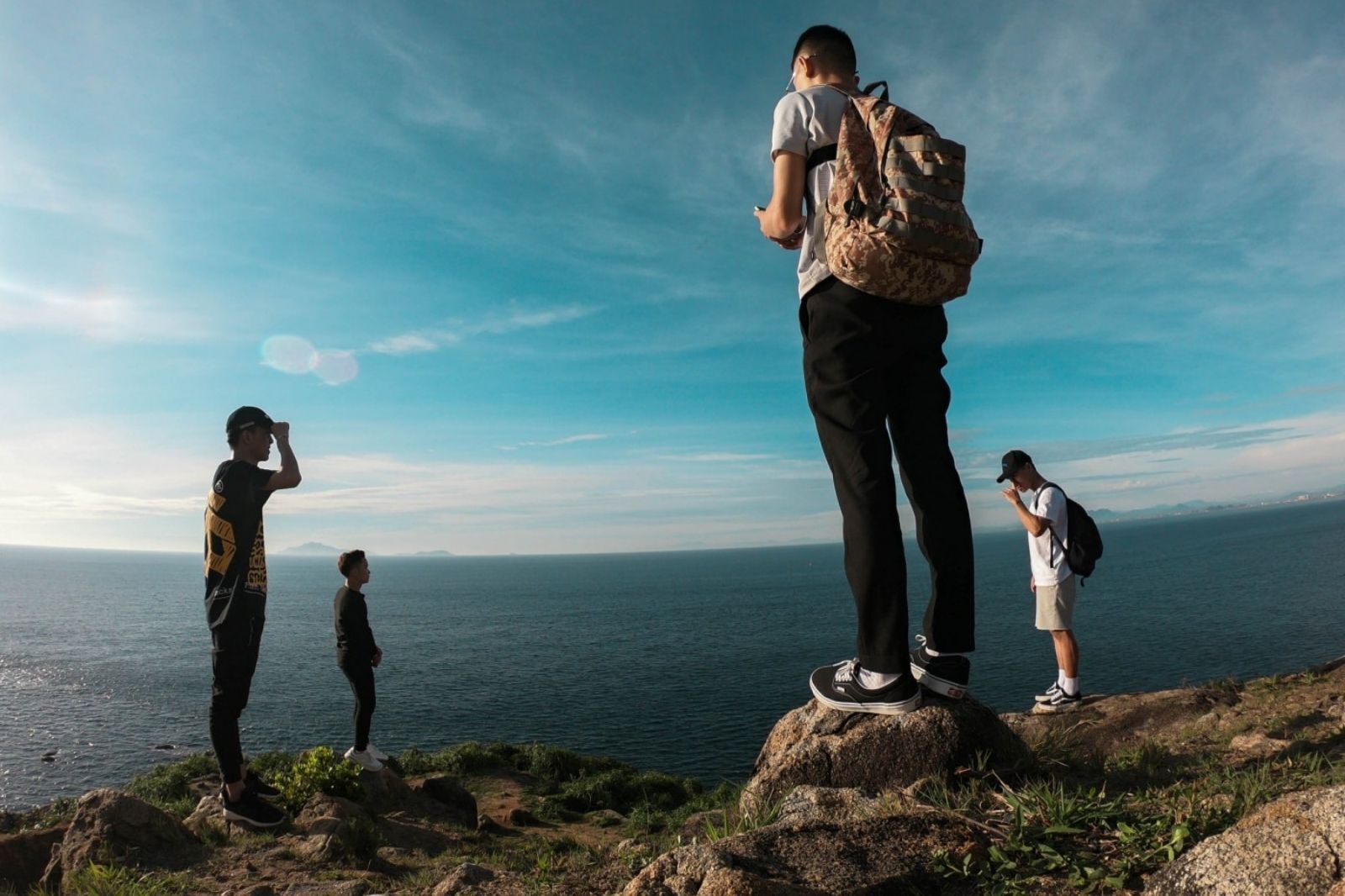
Photo: Do not go to Mui Nghe alone to ensure safety
4. Exciting activities at Mui Nghe
Mui Nghe not only attracts visitors with its wild scenery but also offers many memorable experiences for nature lovers and adventurers.
Sunrise watching: Arrive between 4:00 AM–5:00 AM to catch the first sunbeams; the shifting vibrant colors are truly impressive.
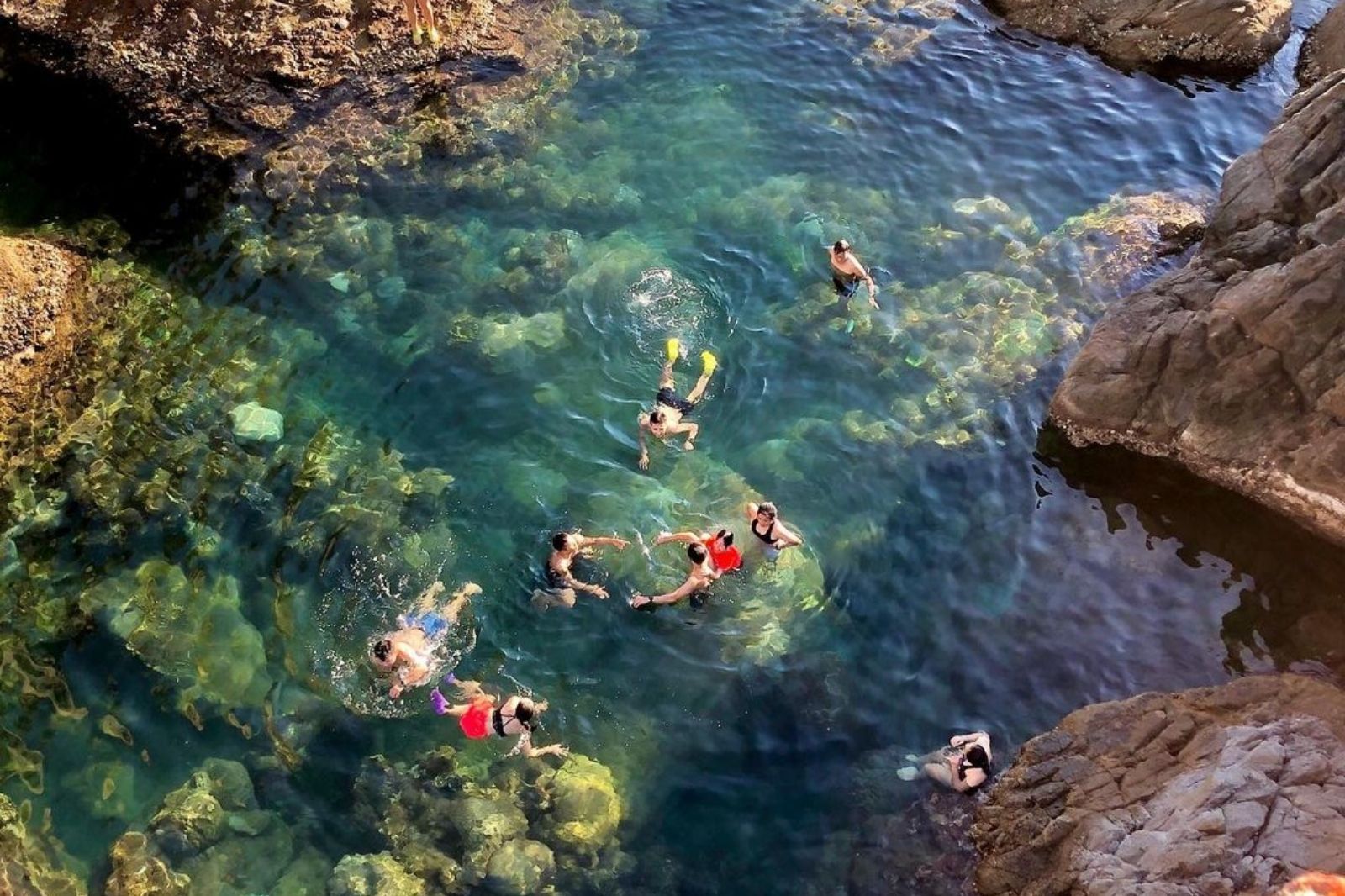
Natural pool amidst the sea: Clear blue water surrounded by rocks, suitable for swimming and photos.
Snorkeling for corals: Clear water, rich ecosystem, ideal for snorkeling.
Camping and picnics: Spacious area, suitable for setting up tents, BBQ, and fishing.
Son Tra forest trekking: Experience nature, with chances of spotting rare red-shanked douc langurs.
With diverse and unique experiences, Mui Nghe is an ideal destination for an exploration journey into Da Nang's pristine nature.
Photo: Bathing in the natural lake at Mui Nghe
5. Tips for exploring Mui Nghe
Although becoming increasingly known, Mui Nghe still retains its raw character and has no developed tourism services. Therefore, before setting off, you should prepare thoroughly for a safe and complete trip:
Prepare essential items: Bring drinking water, snacks, sunscreen, non-slip shoes, and personal medication. There are almost no shops or stalls in this area, so self-sufficiency is mandatory.
Do not go alone: The mountainous and rocky terrain is quite challenging to navigate, especially during the rainy season (September–December) when paths are slippery and sea waves are strong. If you go, invite companions to support each other when needed.
Protect the environment: Do not litter, pick flowers, or capture marine life, so that Mui Nghe can always maintain its original natural beauty.
Safety when taking boats: If choosing sea travel, select reputable providers equipped with full life jackets and safety gear.
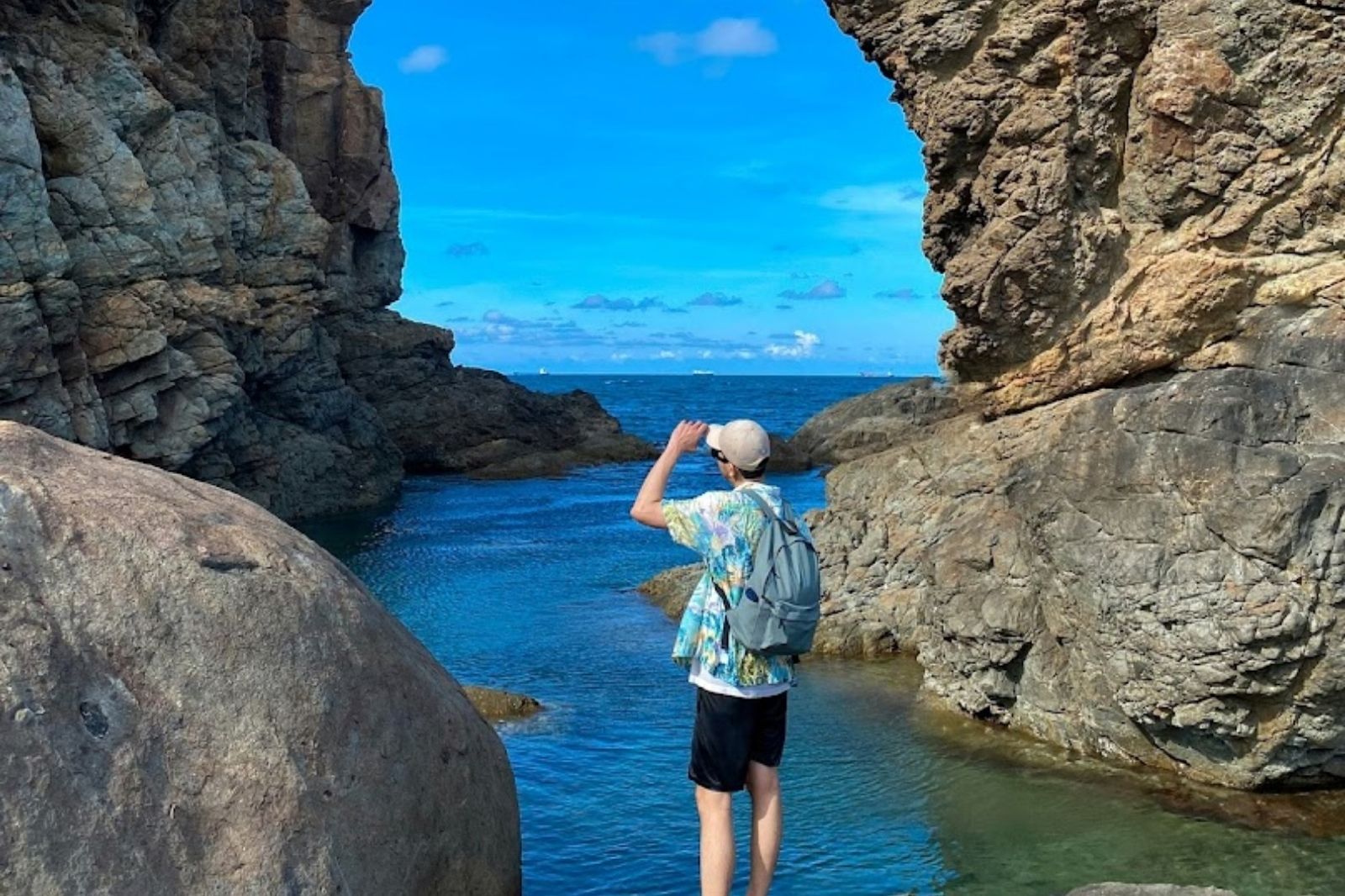
Photo: Mui Nghe is an ideal location for summer days
Though not easy to reach, Mui Nghe remains a special destination for those who love nature and wish to see Da Nang in the purest moment of a new day. The first light of sunrise emerging between waves and rocks, the sound of the wind rustling along mountain slopes create an experience that cannot be found at any other beach in the city. If you want to explore Son Tra Peninsula fully while ensuring safety, consider joining all-inclusive Son Tra tours. These journeys often combine visits to Mui Nghe, Linh Ung Pagoda, Thousand-Year Banyan Tree, Ban Co Peak, and famous beaches like Bai But and Bai Rang. With guidance from local experts, you will not only enjoy the scenery but also gain a deeper understanding of the history, culture, and unique ecosystem of the “green lung of Da Nang”.