|

Back Home

Exploring the Flora and Fauna of Cuc Phuong National Park: A Biodiversity Treasure Trove

Northern

Ninh Binh

Cuc Phuong National Park

Sovaba.travel

Updated at: 28/08/2026

1. Introduction to Cuc Phuong National Park

Cuc Phuong National Park is located about 120 km south of Hanoi, situated in the typical karst limestone mountain area of Northeastern Vietnam. Recognized by UNESCO as a World Biosphere Reserve in 2004, Cuc Phuong not only conserves primary ecosystems but also serves as an international research center for biodiversity. With a humid tropical climate and an average rainfall of 1,800-2,200 mm/year, this place creates ideal conditions for the development of primary rainforests, where trees remain lush green year-round and wildlife thrives.

Cuc Phuong National Park during firefly season
Photo: Cuc Phuong National Park during firefly season 

According to studies by the Center for Nature Conservation and Development, Cuc Phuong is one of the richest biodiversity areas in Vietnam, with over 4,000 species of flora and fauna recorded. This makes Cuc Phuong the "national park capital" – a successful conservation model combining sustainable tourism and scientific research. Beyond its ecological values, the park also holds historical significance as it served as a revolutionary base during the resistance war against the US.
2. Rich Flora

The flora of Cuc Phuong National Park is a vivid testament to the vibrant vitality of the tropical rainforest. With over 2,234 species of higher plants and mosses, accounting for about 31% of Vietnam's total plant species, Cuc Phuong is a natural "living museum". Among them, ancient trees reaching up to thousands of years old stand out, such as the Cho Chi tree (also known as Green Cho) with a trunk diameter of up to 5m and a height of 40-50m, or the ancient Dang tree standing 45m tall with exposed roots spanning 20m.

Prominent Plant Species and Values

  • Medicinal and Edible Plants: There are 433 species of medicinal plants and 229 species of edible fruits and wild vegetables. For example, Shan Snow tea leaves – a specialty ancient tea that not only offers a rich flavor but is also rich in antioxidants, supporting cardiovascular health.
  • Rare Species in the Red Data Book: 57 species are listed, including 15 endemic species such as Cuc Phuong Yellow Camellia (Camellia cucphuongensis), Cuc Phuong Begonia (Begonia cucphuongensis), Vietnamese Slipper Orchid (Paphiopedilum vietnamense), and Cuc Phuong Jamun (Syzygium cucphuongense). These species exist only in the Cuc Phuong limestone mountain area, making them vulnerable to climate change and poaching.
  • Multi-Layered Primary Forest: The flora is clearly stratified: the emergent layer (Cho, Sau, Lim trees), the understory (shrubs like Tram, Lat), and the herbaceous layer (orchids, ferns). This creates a balanced ecosystem that supports the animal food chain.

The Cuc Phuong Botanical Garden, spanning 167 hectares and established in 1985, is a place to conserve precious gene sources, making it easy for visitors to observe and learn about Cuc Phuong flora without disturbing the primary forest.

3. Diverse Fauna

If the flora is the "backbone" of Cuc Phuong, then the fauna is the "soul" that creates its vibrant life. With 669 species of vertebrates belonging to 120 families and 35 orders, Cuc Phuong is one of Asia's most diverse areas for wildlife. Additionally, there are around 1,899 invertebrate species, mostly insects (454 beetle species, 378 butterfly and moth species).

Classification and Featured Species

Mammals and Primates

  • 138 mammal species, 73 of which are listed in the Vietnam and IUCN Red Data Books. Prominent among them is the Delacour's langur (Trachypithecus delacouri) – an endemic species with only about 200 individuals remaining, recognizable by its distinct white fur patch on the rump. They live in troops of 10-20, feeding mainly on leaves.
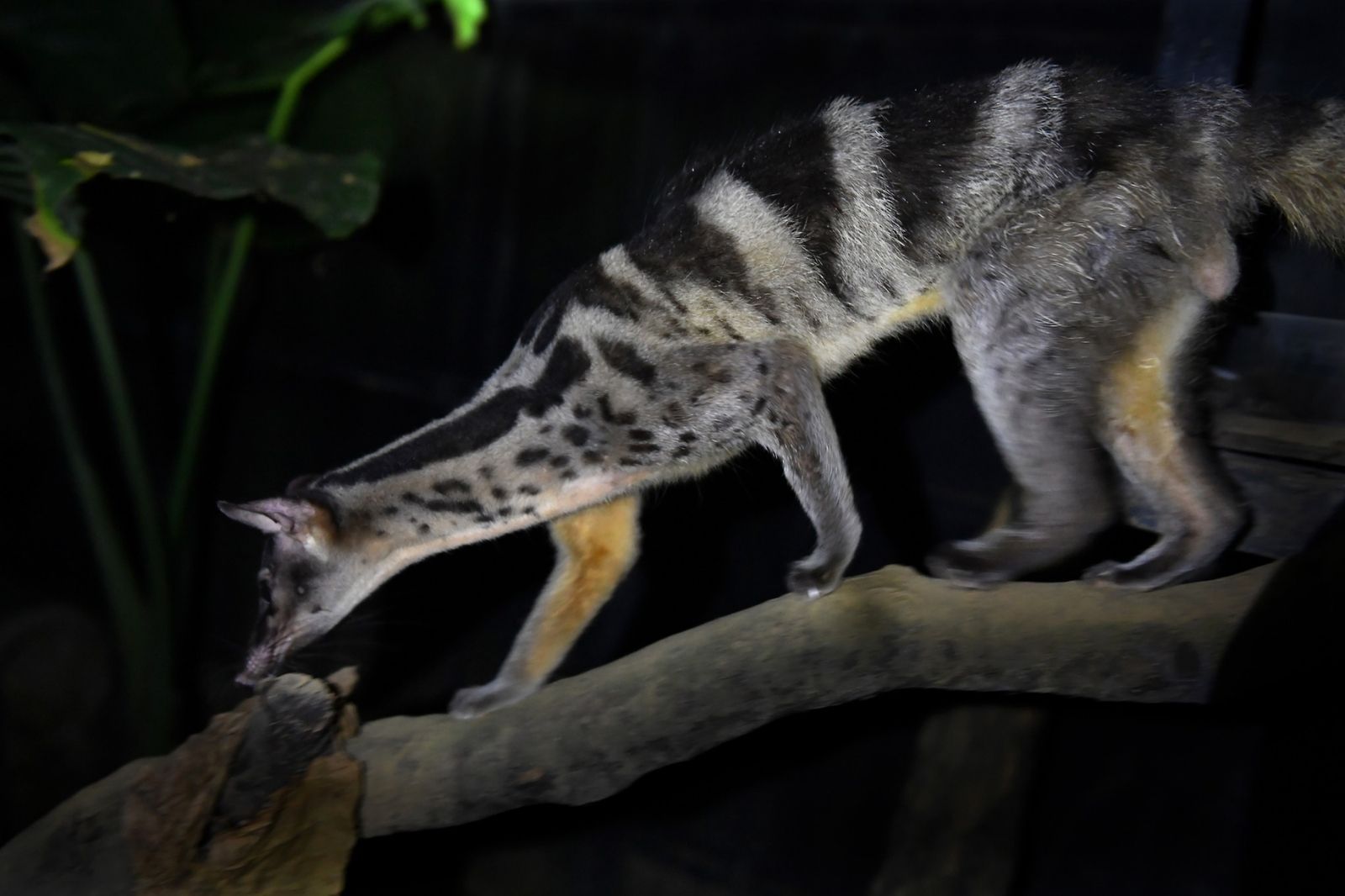
  • Other species: Clouded leopard (Neofelis nebulosa), Mainland serow (Capricornis sumatraensis), Masked palm civet (Paguma larvata) – an endemic Cuc Phuong species.
Many wild animal species
Photo: Many wild animal species 

Birds and Aquatic Life

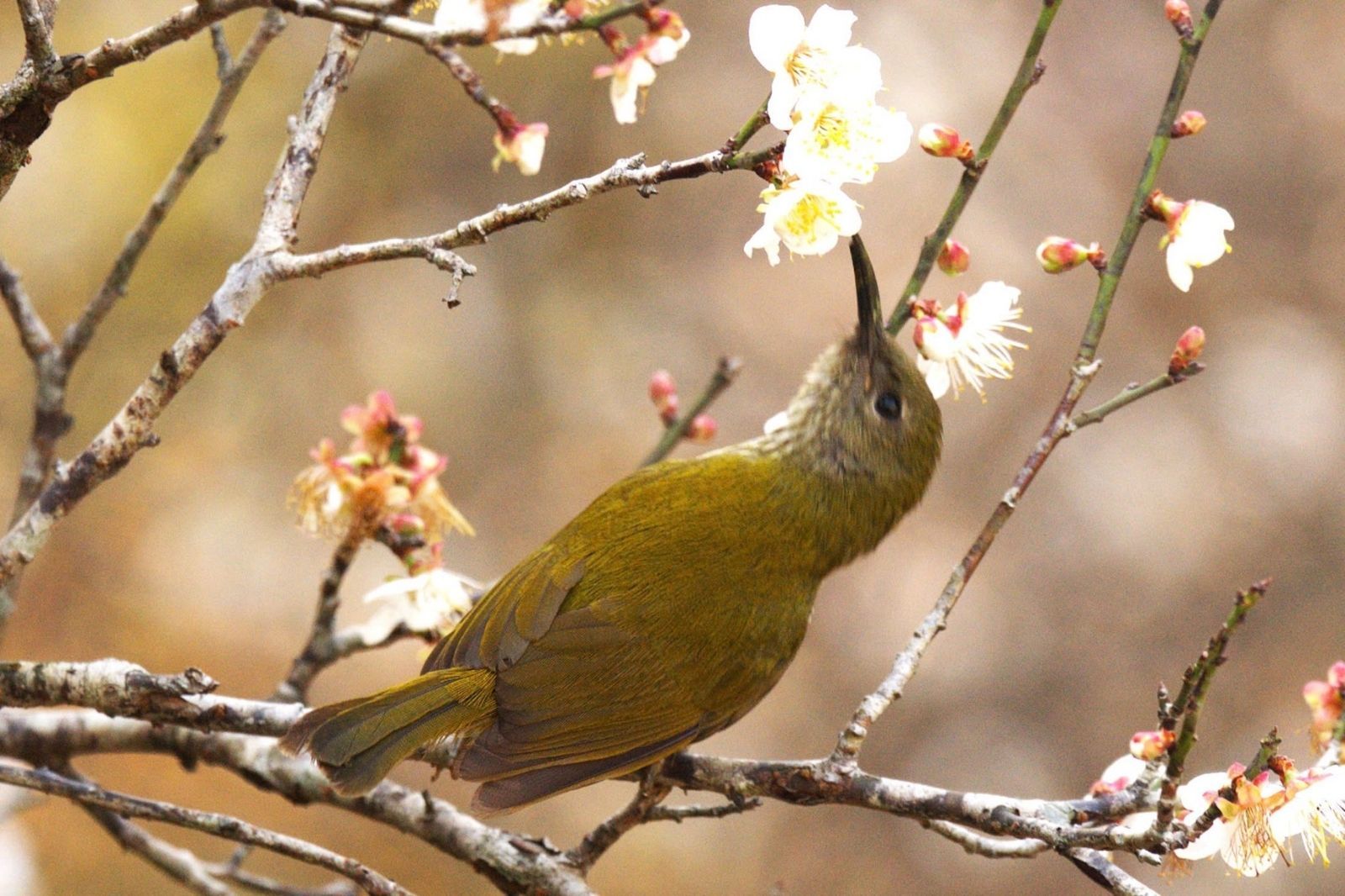
  • 337 bird species, accounting for 40% of all bird species in Vietnam, including the crested argus and white-crested kalij pheasant. Wetland areas host over 100 species of migratory birds.
  • 66 fish species, notably the Cuc Phuong cave catfish (Silurus cucphuongensis) – an endemic species living in limestone caves.
Birds in Cuc Phuong National Park
Photo: Birds in Cuc Phuong National Park 

Reptiles and Amphibians

  • 80 reptile species and 48 amphibian species, such as the Cuc Phuong earless lizard (Takydromus cucphuongensis) – a small endemic species that plays an important role in the ecosystem by controlling insects.

These species are not only aesthetically remarkable but also play a key role in the food chain, helping to maintain ecological balance.

4. Biodiversity Conservation Efforts in Cuc Phuong

Conservation is the core mission of Cuc Phuong National Park. Over the past 10 years, the park has rescued more than 5,000 wildlife individuals across nearly 100 species, successfully bred 2,550 individuals, and released 2,900 individuals back into the wild. Currently, the rescue center is caring for 3,400 individuals belonging to 78 species, including pangolins, turtles, primates, and sika deer.

Key solutions:

  • Research and Monitoring: Collaborating with IUCN and WWF to monitor Delacour's langur populations via camera traps.
  • Community Education: The "Children and Forests" program attracts thousands of students, raising awareness about biodiversity conservation.
  • Sustainable Tourism: Limiting visitor numbers, banning hunting, and promoting guided tours.

These efforts not only save endangered species but also contribute to combating climate change, as the Cuc Phuong forest absorbs thousands of tons of CO2 every year.

Rescue and monitoring of individuals
Photo: Rescue and monitoring of individuals 

5. Exploring Flora and Fauna Through Tourism Activities

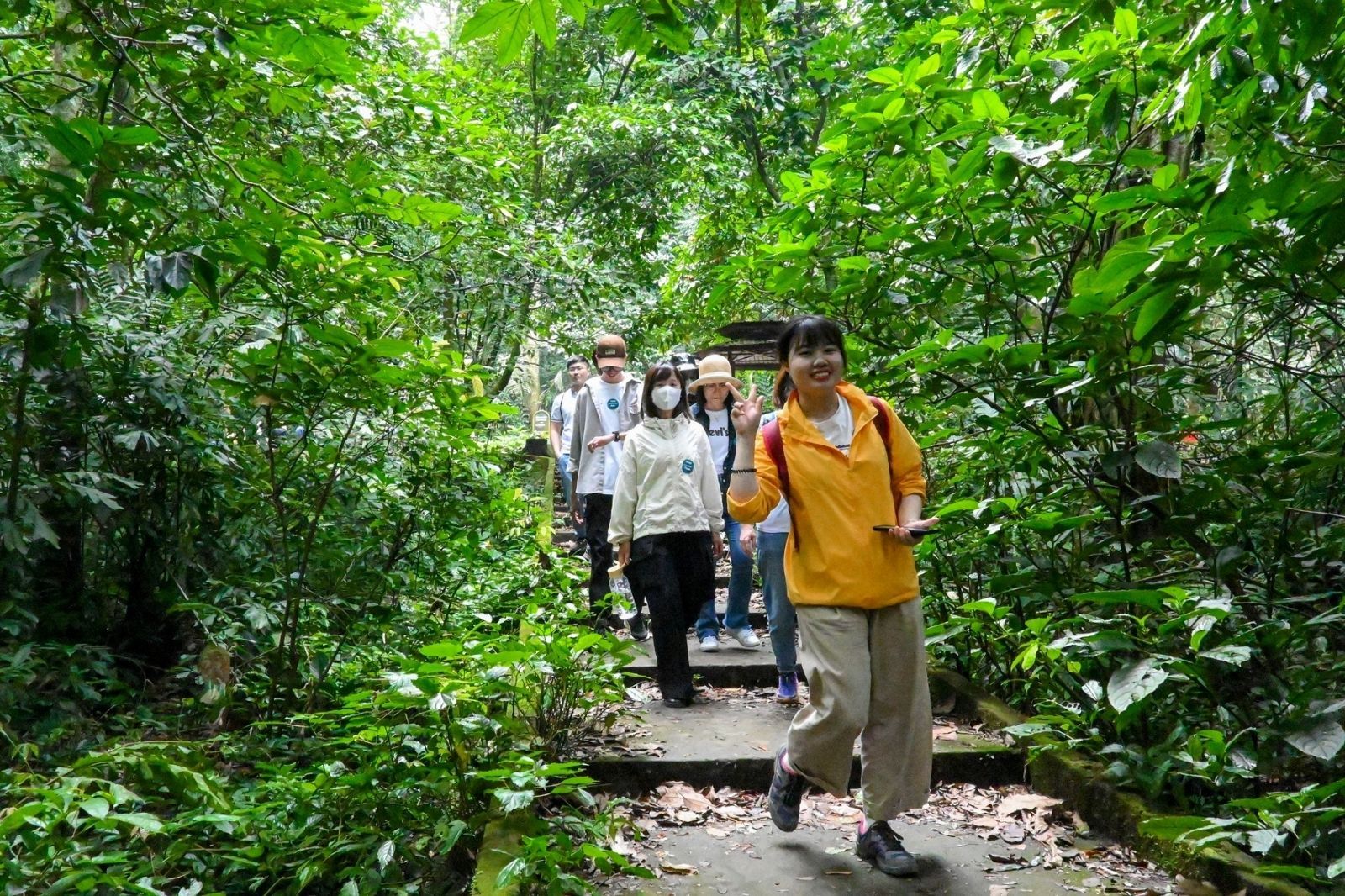
Visiting Cuc Phuong, travelers do not merely tour a primary forest, but also have the opportunity to immerse themselves in a lively natural world with many unique exploration experiences close to wild nature.

  • Jungle Trekking Tour: Walk along the Pu Luong trail, admire the ancient Dang tree, and listen to birdsong.
  • Observing Delacour's Langurs: From the observation post at Nguoi Xua Cave (Cave of Prehistoric Man), use binoculars to watch langur troops without disturbing them.
  • Visiting Rescue Centers: See turtles, pangolins, and learn about breeding procedures.
  • Nighttime Insect Watching: Take a Night tour to discover hundreds of butterfly species and fireflies – the "lights of the forest".

The ideal time to explore Cuc Phuong is from March to May – the season of blooming wild flowers, or from September to November when nature enters the wild mushroom season and the weather becomes more pleasant.

6. Useful Tips for Visiting Cuc Phuong National Park

To make your trip to Cuc Phuong National Park complete and eco-friendly, you should prepare thoroughly and adhere to conservation principles:

  • Necessary preparations: Bring mosquito repellent, sturdy trekking shoes, drinking water, and lightweight personal items. Limit travel during the rainy season (June–August) due to slippery forest paths.
  • Code of conduct: Do not break branches or pick leaves; do not feed animals; always follow designated paths and comply with instructions from rangers or guides.
  • Accommodation: Prioritize eco-homestays or camping areas in the forest to immerse yourself in nature while ensuring sustainability.
  • Sightseeing costs: Entrance fee is around 60,000 VND/adult, guided tours start from 500,000 VND/day depending on the itinerary and group size.

Responsible tourism not only helps you fully enjoy the pristine beauty of Cuc Phuong but also contributes to protecting its precious biodiversity treasure trove.

Experience visiting Cuc Phuong National Park
Photo: Experience visiting Cuc Phuong National Park 

The journey to discover the flora and fauna of Cuc Phuong National Park not only provides valuable knowledge about biodiversity but also helps every visitor feel more deeply connected to the pristine beauty of Vietnam's ancient forest. From thousand-year-old trees to rare animals currently being preserved, Cuc Phuong is truly a natural treasure worth exploring at least once in a lifetime. If you want a complete experience without having to arrange your own itinerary, Sovaba Travel offers an all-inclusive Cuc Phuong National Park tour with an optimized route, eco-knowledgeable guides, and professional transportation. This is an ideal choice for you to explore, learn, and enjoy the beauty of the primary forest safely and deeply.

Loading......

Featured destinations