Thạch Hãn River is about 155 km long, originating from the Trường Sơn mountain range, flowing through many districts of Quảng Trị before emptying into the East Sea via Cửa Việt. During the war, especially the Spring - Summer Campaign of 1972, the river became a “red flower river” – witnessing countless heroic sacrifices.
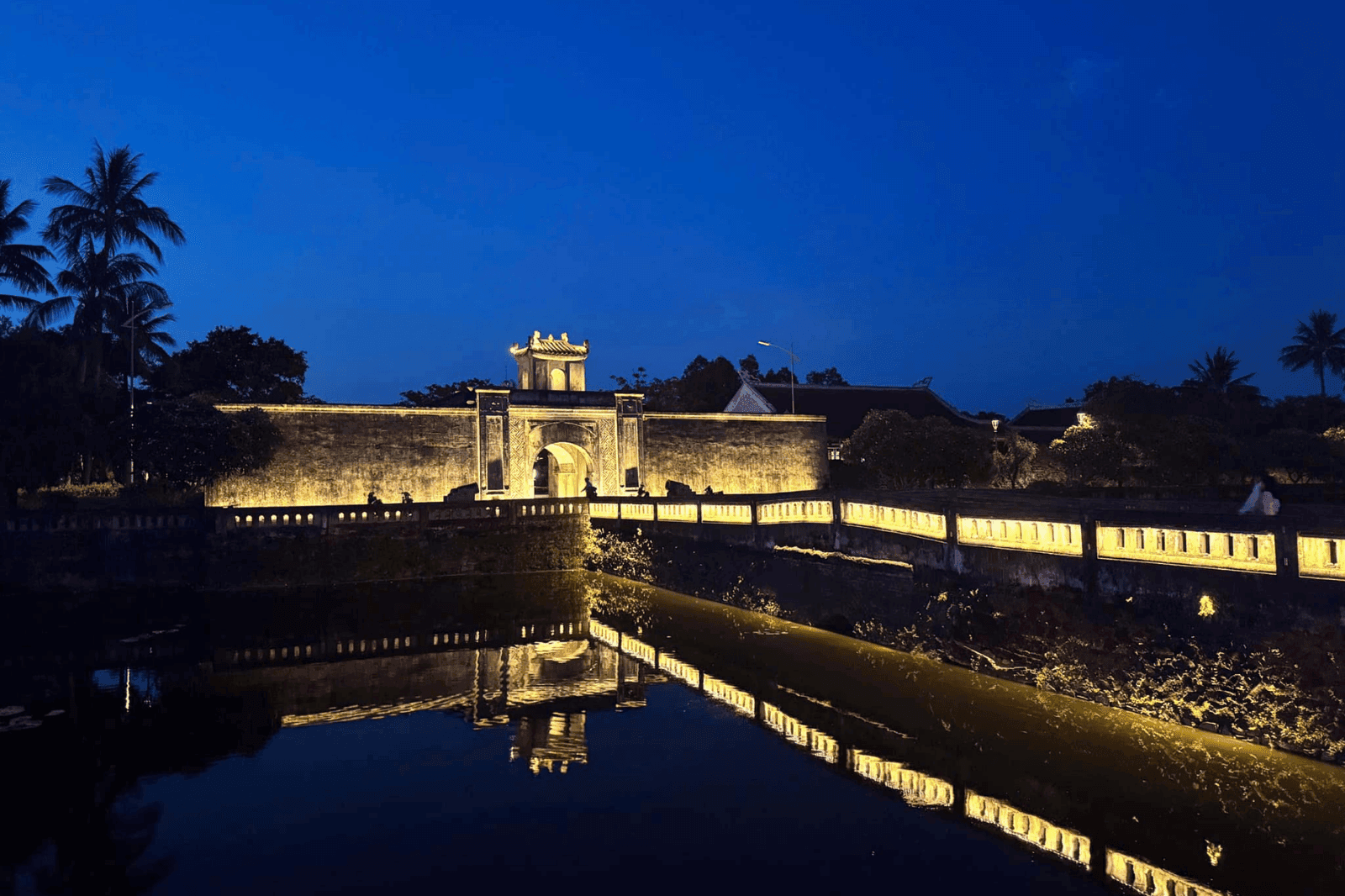
The climax was the 81 days and nights defending Quảng Trị Ancient Citadel (from June 28, 1972 to September 16, 1972). The town and the Quảng Trị Ancient Citadel located right on the riverbank became a fierce “bomb pocket”. Our army and people faced a terrible density of bombs and bullets (hundreds of thousands of tons of ammunition), yet remained resilient in holding onto the position, clinging to the river and bridges to resupply and maintain this strategic location.
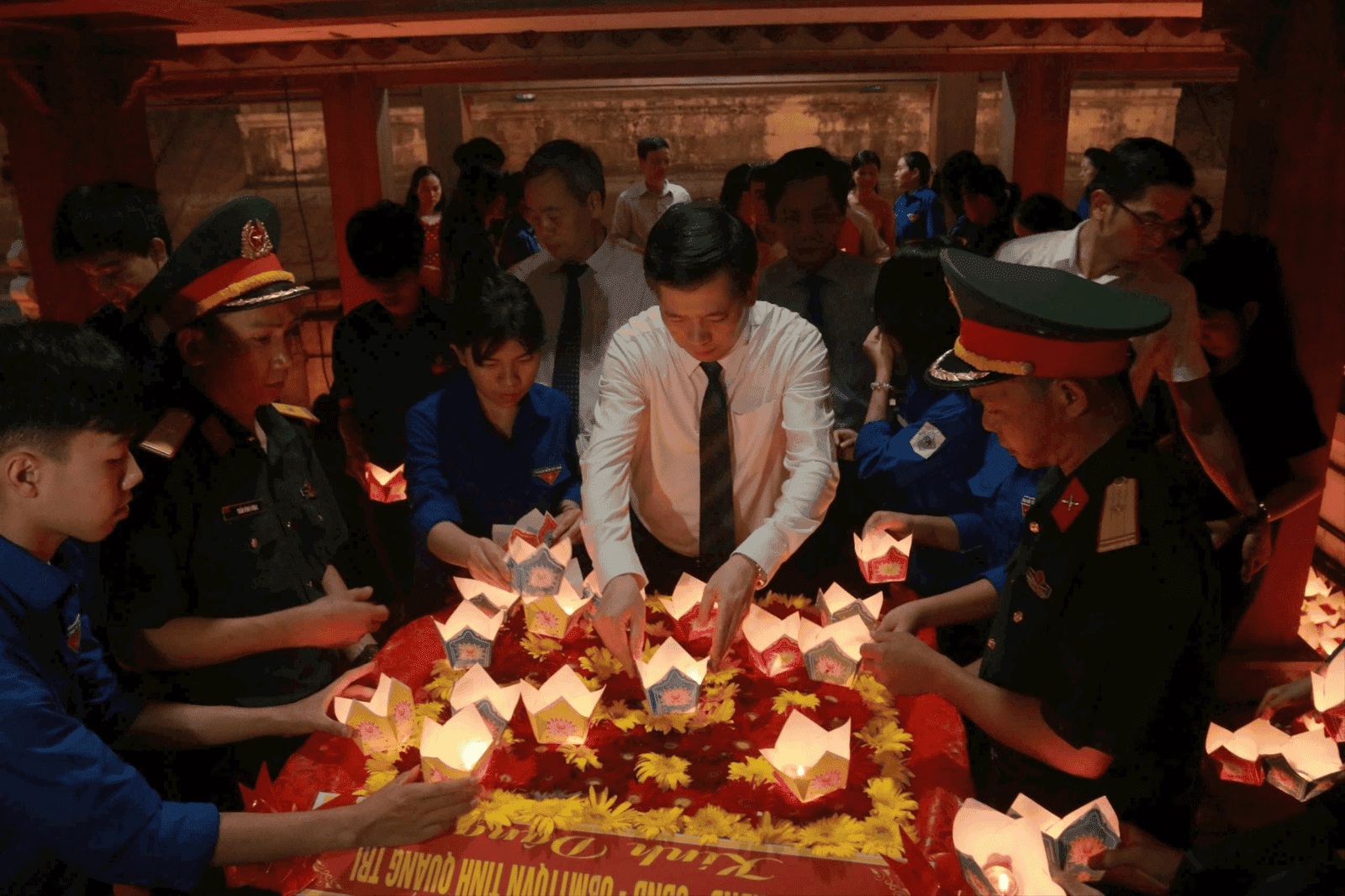
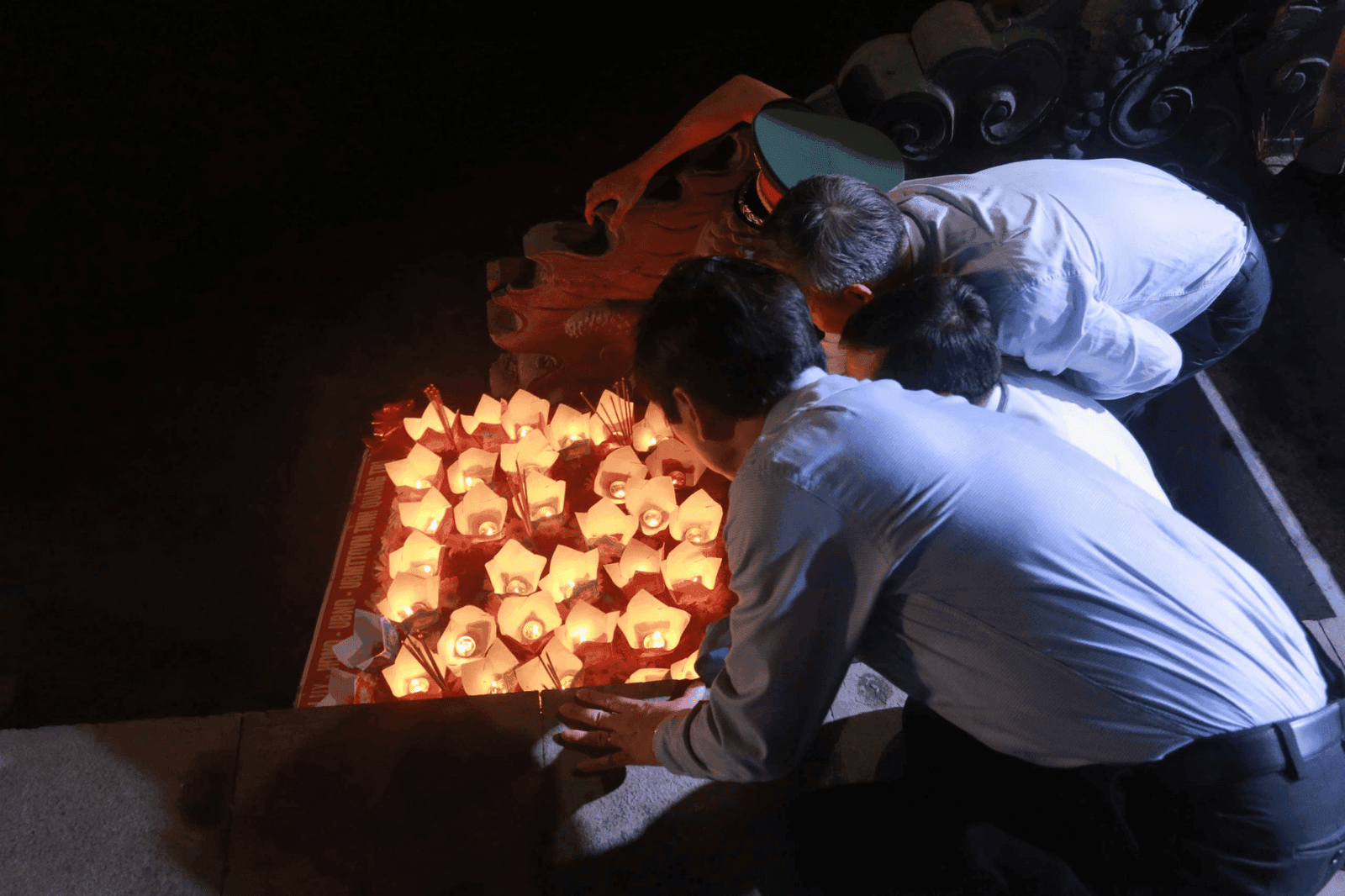
Thousands of soldiers, mostly in their twenties, fell while crossing the river under a hail of bombs and bullets. Many rest forever at the bottom of the Thạch Hãn River. Veteran Lê Bá Dương (a journalist and photographer) composed an immortal poem when releasing flowers in memory of his comrades:
Rowing up Thạch Hãn... please paddle gently
Deep in the river bed my comrades lie
Their youthful twenties turned to rolling waves
Soothe the peaceful shore for thousands of years
The poem is not only a farewell to fallen comrades, but has also become a sacred symbol of patriotism, courage, and the unerasable memory of a generation that dedicated their entire youth to national independence.