Hoi An Chicken Rice: The culinary essence of the Ancient Town wrapped in a golden plate of rice

Central

Da Nang

Sovaba.travel

Updated at: 24/09/2026

1. What is Hoi An chicken rice?

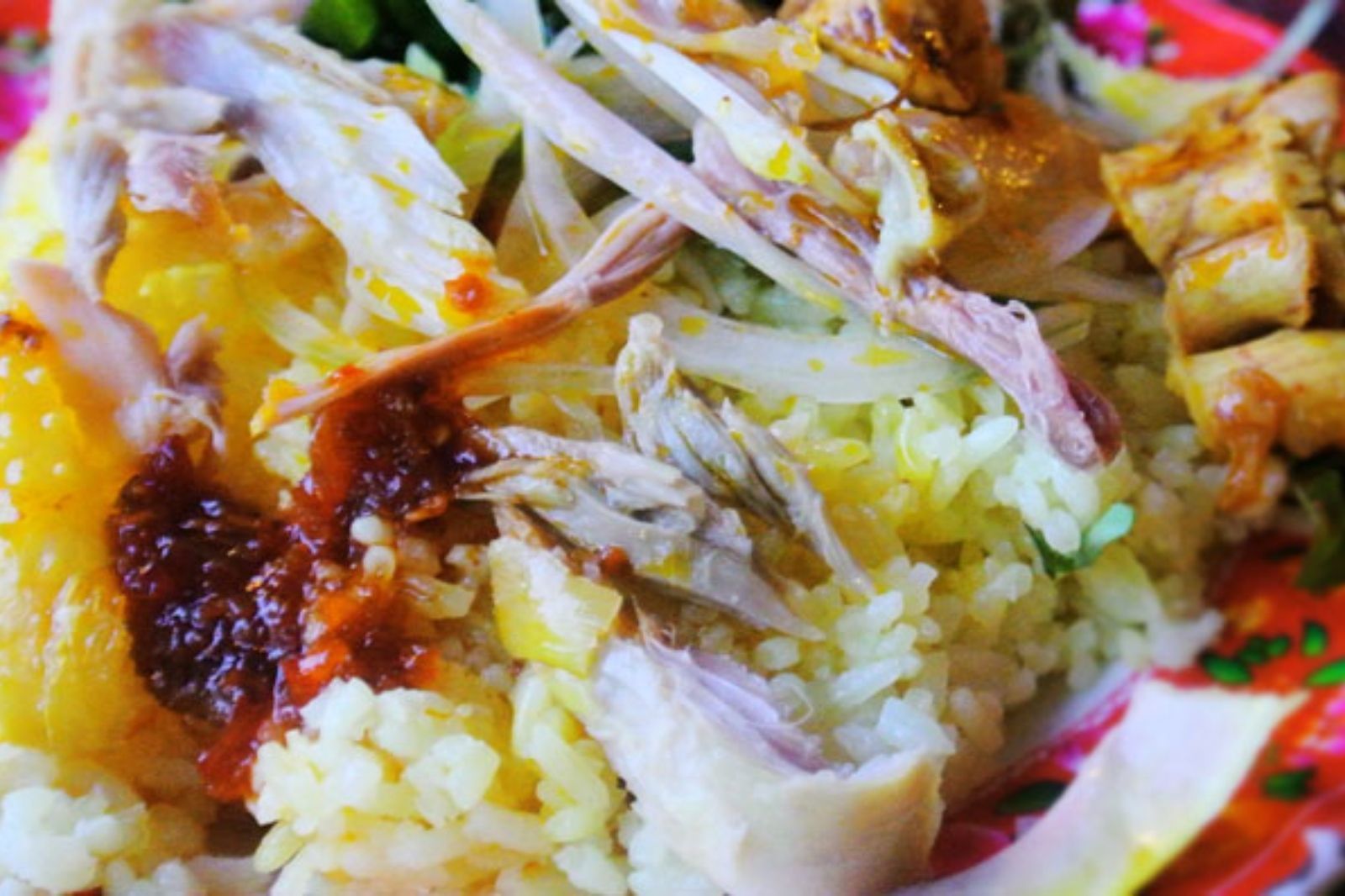
In the list of dishes that define the mark of the ancient town, Hoi An chicken rice holds a very unique appeal. A modest portion of rice, dyed a vibrant golden color with turmeric, is topped with fragrant tender shredded chicken, Vietnamese balm (rau răm), onions, and a bit of crunchy grated papaya. It looks simple, but upon tasting, it reveals multiple intertwined layers of flavor. The rice is cooked using chicken broth, which gives each grain a sticky texture, rich aroma, and natural sweetness. The chicken is usually boiled just right, shredded, and mixed with Vietnamese balm, onions, and spices. It is served with crisp and refreshing pickled papaya, fresh herbs, and "nước mạ" – a rich sauce made from chicken giblets that adds a distinctive savory depth.

The appeal of the dish lies in its perfect harmony: fragrant and rich rice, sweet chicken, refreshing herbs, mildly tangy papaya, and flavorful giblet sauce. Without needing too many toppings or elaborate preparation, each component plays its own role and complements the others. From small street-side stalls to restaurants within the Hoi An Ancient Town, chicken rice has become an familiar part of local cuisine. For the people of Hoi An, it may simply be an everyday meal; but for travelers, sometimes just a plate of hot golden rice is enough to evoke the flavors of the ancient town.
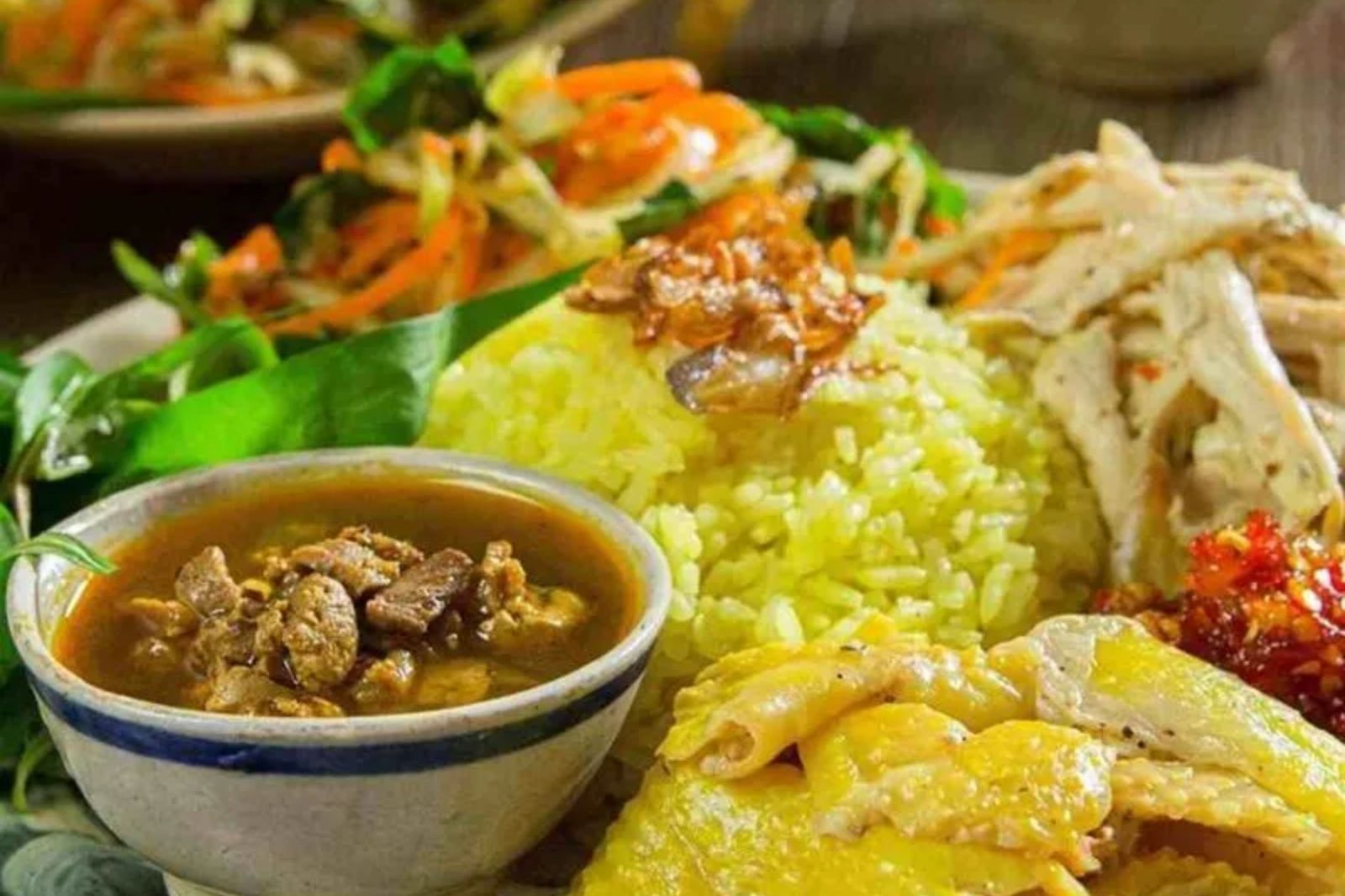
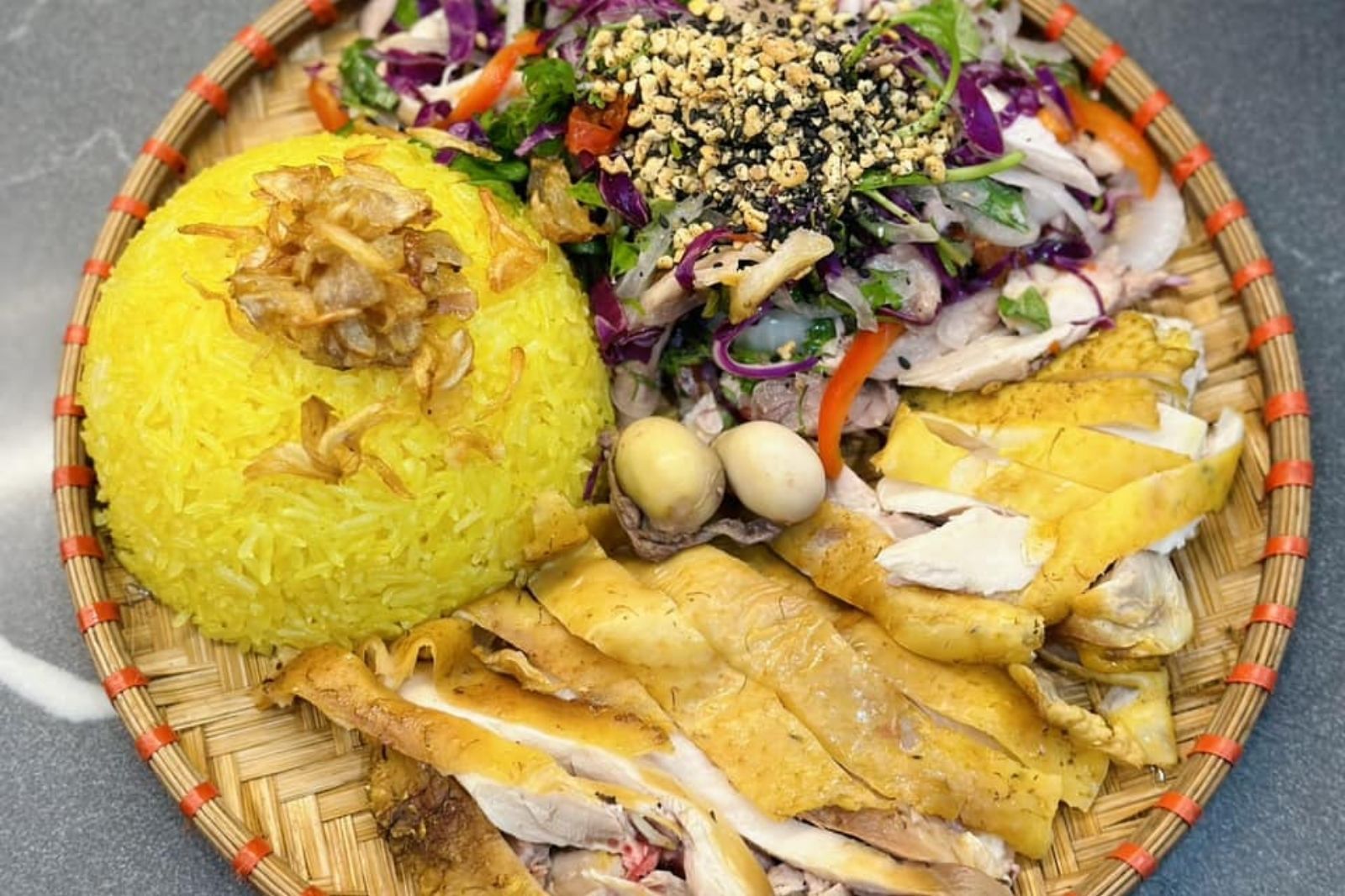
Hoi An chicken rice cooked with chicken broth

Photo: Hoi An chicken rice cooked with chicken broth 

2. Origins of Hoi An chicken rice

Hoi An chicken rice originated in the 1950s in Hoi An, Quang Nam, tracing its roots back to the Tam Ky region – an area renowned for its flavorful, tender chicken breed with golden skin. Initially, the dish was prepared using Tam Ky chicken combined with fragrant sticky rice grown along the Thu Bon River, gradually becoming a specialty of the ancient town thanks to the creativity of local residents. To this day, Hoi An chicken rice has been granted a geographical indication certificate, solidifying its standing in Quang Nam's culinary scene.

Compared to chicken rice in other regions of Vietnam, Hoi An chicken rice stands out for its sophistication and bold Central Vietnamese flavors. For instance, unlike Hainanese chicken rice (of Chinese origin, popular in Singapore and Malaysia) which features whole poached chicken and rice cooked in broth with pandan leaves or coconut milk, Hoi An chicken rice uses shredded chicken mixed with herbs and a sweet-and-sour salad, creating a signature spicy kick. Compared to Tam Ky chicken rice (also in Quang Nam), Hoi An chicken rice features fewer herbs, softer rice, and is typically served with a mildly tart la giang leaf soup. Meanwhile, Phu Yen chicken rice uses rice pan-fried with garlic and chicken chopped into large pieces, quite different from Hoi An's shredded style. The biggest difference lies in local ingredients: fresh Tu Ky chicken, countryside rice, and spicy Central Vietnamese spices, creating an unmistakable flavor.

3. Ingredients that make an authentic plate of Hoi An chicken rice

A delicious plate of Hoi An chicken rice starts with familiar ingredients that are carefully selected. From the chicken and rice grains to the mixed salad and giblet sauce, every component contributes to the dish's signature flavor.

  • Chicken: Fresh Tam Ky or Tu Ky free-range chicken, weighing about 800g-1kg, boiled just until cooked so the meat is firm yet not tough.

  • Rice: 200g of ordinary white rice mixed with a little sticky rice, soaked and cooked in chicken broth for a sticky, fragrant result.

  • Chicken boiling spices: Bruised ginger, shallots, coarse salt, seasoning powder.

  • Salad and toppings: Grated papaya (100g), carrots (100g), onions (100g), Vietnamese balm, chili peppers, calamansi, crispy fried shallots.

  • Sauce: Giblet sauce ("nước mạ") made from chicken organs (gizzards, livers, young eggs) stir-fried with spices, served alongside chili sauce simmered with garlic.

  • Others: Turmeric powder for the golden color, cooking oil, fish sauce, sugar, salt.

The chicken is boiled with ginger and shallots until just cooked, then left to cool and shredded. The chicken meat is tossed with onions, Vietnamese balm, and spices, while the papaya and carrots are prepped to make the accompanying salad. After washing, the rice is cooked in chicken broth infused with turmeric, giving the rice its natural golden hue and allowing it to absorb the sweetness of the broth. The internal organs are stir-fried separately with spices to make the giblet sauce. When serving, the hot golden rice is portioned out, topped with shredded chicken, papaya salad, Vietnamese balm, crispy fried shallots, and drizzled with a bit of giblet sauce.

The preparation is not overly complicated, but the deliciousness of Hoi An chicken rice heavily depends on ingredient selection and seasoning. The harmony between fragrant rice, sweet chicken, crunchy vegetables, and savory sauce is what creates the distinctive character of this dish.

Hoi An chicken rice uses shredded chicken

Photo: Hoi An chicken rice uses shredded chicken 

4. What makes the flavor of Hoi An chicken rice special?

The flavor of Hoi An chicken rice is a delicate blend of the nutty sweetness from rice cooked in chicken broth, the richness of the chicken, the sour and spicy notes of the papaya salad, and aromatic herbs. The rice is golden, soft, and glossy thanks to chicken fat and fried garlic, carrying a natural sweetness. The chicken meat is tender and sweet with crispy skin, combined with the savory giblet sauce made from stir-fitted seasoned organ meats. The highlight is the bold Central Vietnamese spice from simmered chili, the sweet-and-sour tang of calamansi, and the Vietnamese balm, creating a sensation that is refreshing, aromatic, and rich without being greasy. This dish embodies the "soul of the Quang region" – the quintessence of earth and sky, leaving diners captivated from the very first bite.

Locals eat Hoi An chicken rice by thoroughly mixing everything together: hot rice drizzled with giblet sauce, tossed with shredded chicken, papaya salad, fresh herbs, and simmered chili. Start by squeezing calamansi juice over the salad to enhance the tartness, and sprinkle crispy fried shallots on top for crunch. Enjoy it alongside a hot bowl of soup made from chicken broth, adding pickled vegetables (carrots, radishes) to balance the flavors. It is best not to eat the components separately, but rather mix them thoroughly so the sour, spicy, salty, and sweet flavors meld together harmoniously. Accompanied by a glass of iced tea or lemonade to cut through the richness.

5. Where to eat delicious and authentic Hoi An chicken rice?

If you want to enjoy authentic Hoi An chicken rice in the true style of the ancient town, you can check out some well-known addresses favored by many diners:

  • Ba Buoi Chicken Rice: 22 Phan Chau Trinh

  • Ba Nga Chicken Rice: 09 Phan Chau Trinh

  • Co Dien Chicken Rice: 625 Hai Ba Trung St.

  • Ba Thuan Chicken Rice: 685/4 Nhi Trung

  • Huong – Kiet Sica Chicken Rice: 56 Le Loi

  • Xi Chicken Rice: 47/2 Tran Hung Dao

  • Ty Chicken Rice: 27–29 Phan Chau Trinh

Each eatery has its own seasoning and presentation style, from the fragrant golden rice and hand-shredded chicken to the papaya salad and giblet sauce. If you have the chance to wander around the ancient town, you can choose a location convenient to your itinerary and enjoy this dish right where it has become a familiar part of Hoi An's culinary life.

Enjoying chicken rice at local eateries

Photo: Enjoying chicken rice at local eateries 

Hoi An chicken rice is not an elaborate dish, but it clearly demonstrates how the people of the ancient town preserve traditional flavors through every small detail: from the rice cooked in chicken broth, the perfectly hand-shredded chicken, to the bowl of accompanying sauce. Amidst numerous culinary choices, chicken rice maintains its unique position thanks to its consistency and familiarity, suitable for both locals and first-time visitors. Savoring an authentic plate of chicken rice is also a simple way to better understand the rhythm of life and culinary culture of Hoi An – gentle, unhurried, and enduring over time.

Loading......

Featured destinations