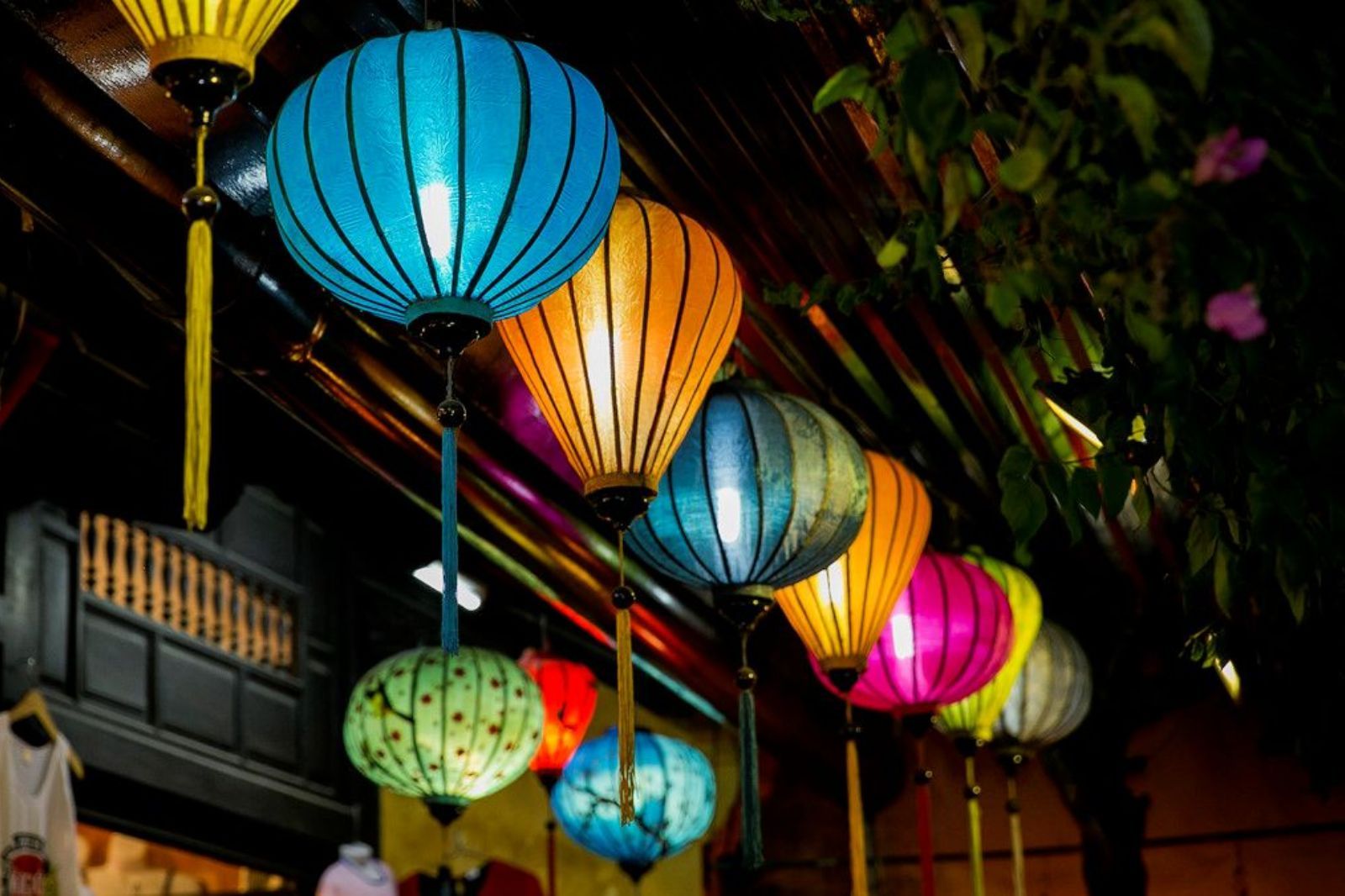
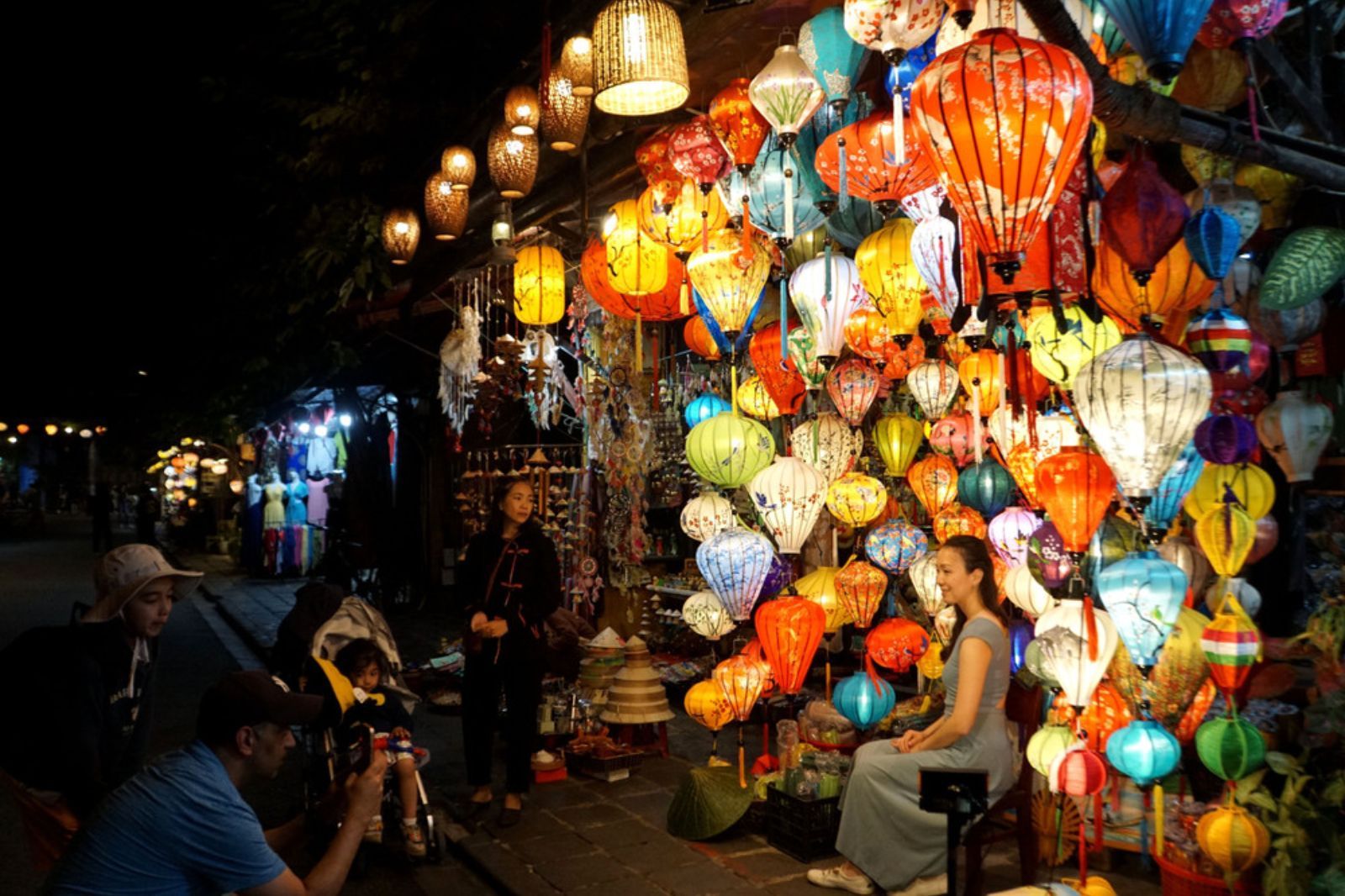
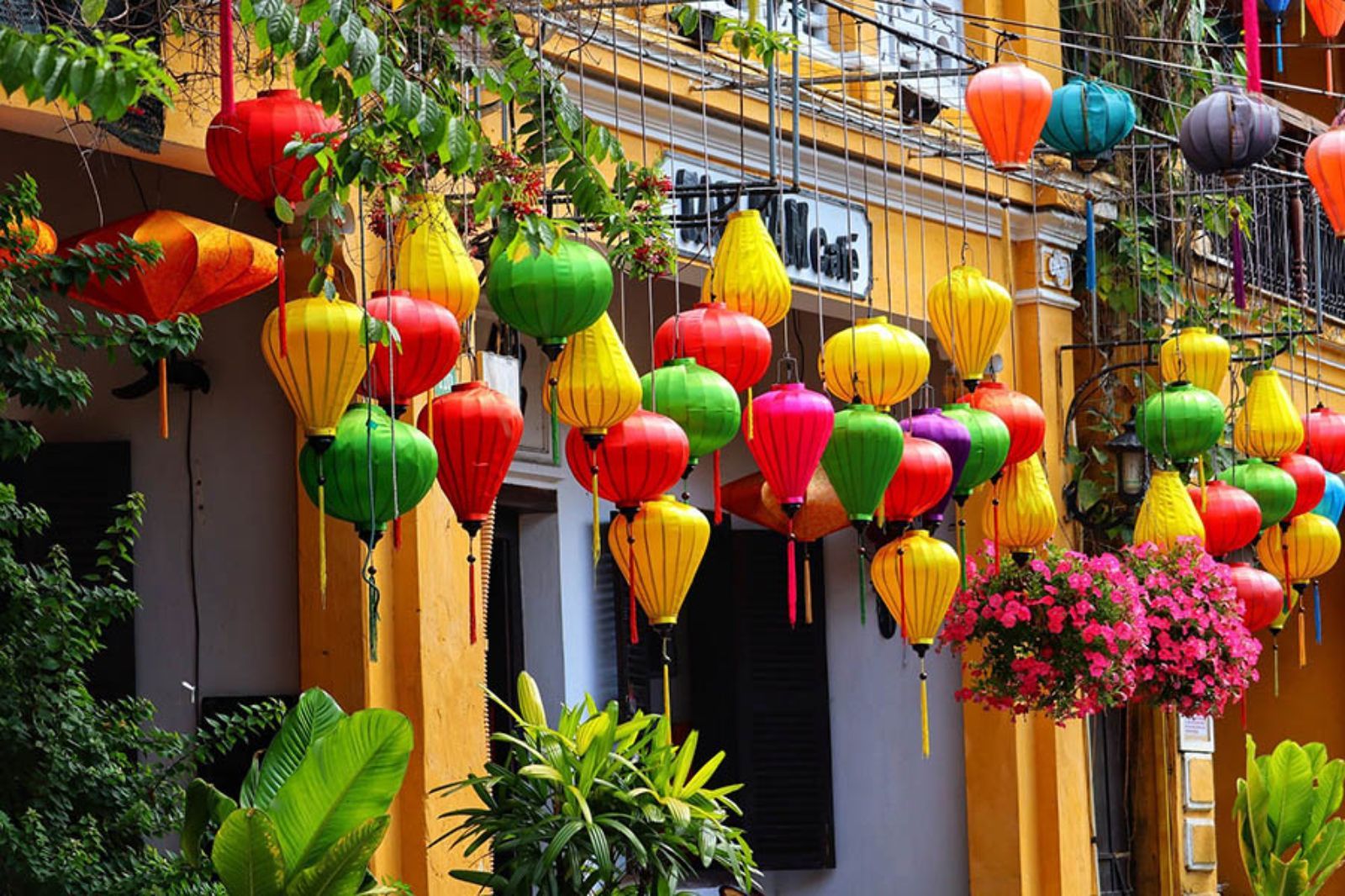
The craft of lantern making in Hoi An emerged in the late 16th century when the Chinese community migrated here, bringing along the tradition of hanging lanterns in front of homes and shops to pray for good luck and ward off evil spirits. Initially, lanterns were used during festive occasions, especially the Mid-Autumn Festival and the 15th day of every lunar month according to Buddhist tradition – the time when the full moon shines brightest, symbolizing completeness and reunion.
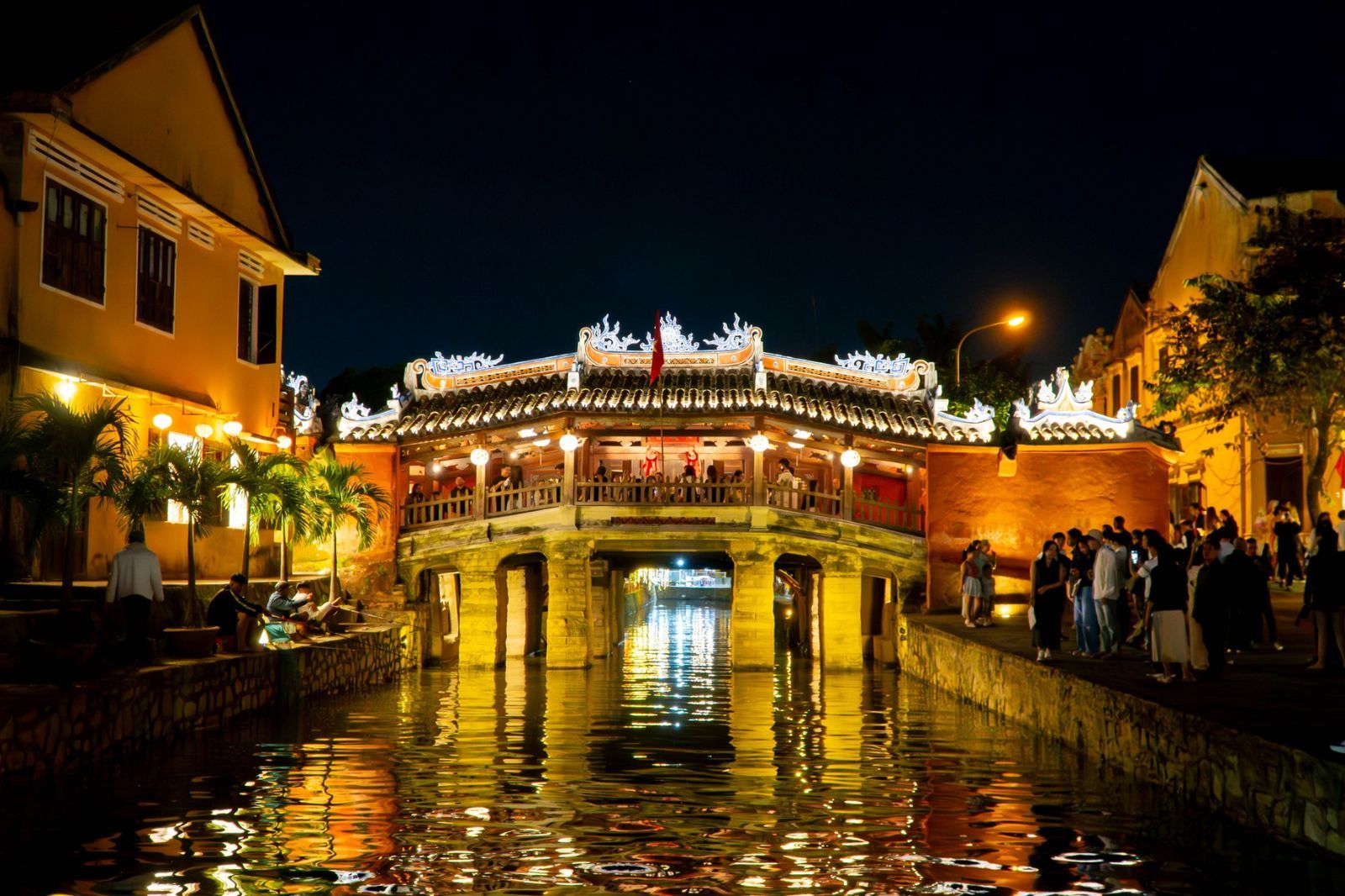
In 1988, the local authority officially established the Hoi An Lantern Festival on full moon nights (the 14th day of the lunar month) to preserve traditional craft and attract tourism. The event became even more prominent after Hoi An Ancient Town was recognized by UNESCO as a World Cultural Heritage Site in 1999. Since then, the festival has not only preserved cultural identity but also become a tourism symbol, ensuring that this delicate craft is passed down through generations.
Today, Hoi An lanterns are not merely decorative items but also carry spiritual significance: each lantern represents a prayer for peace, happiness, and prosperity.