When going trekking in the forests and mountains of Quang Binh, mosquitoes and leeches are two "uninvited guests" that can cause a lot of trouble. Understanding them will help you better prepare to avoid them.
Mosquitoes in the Forest
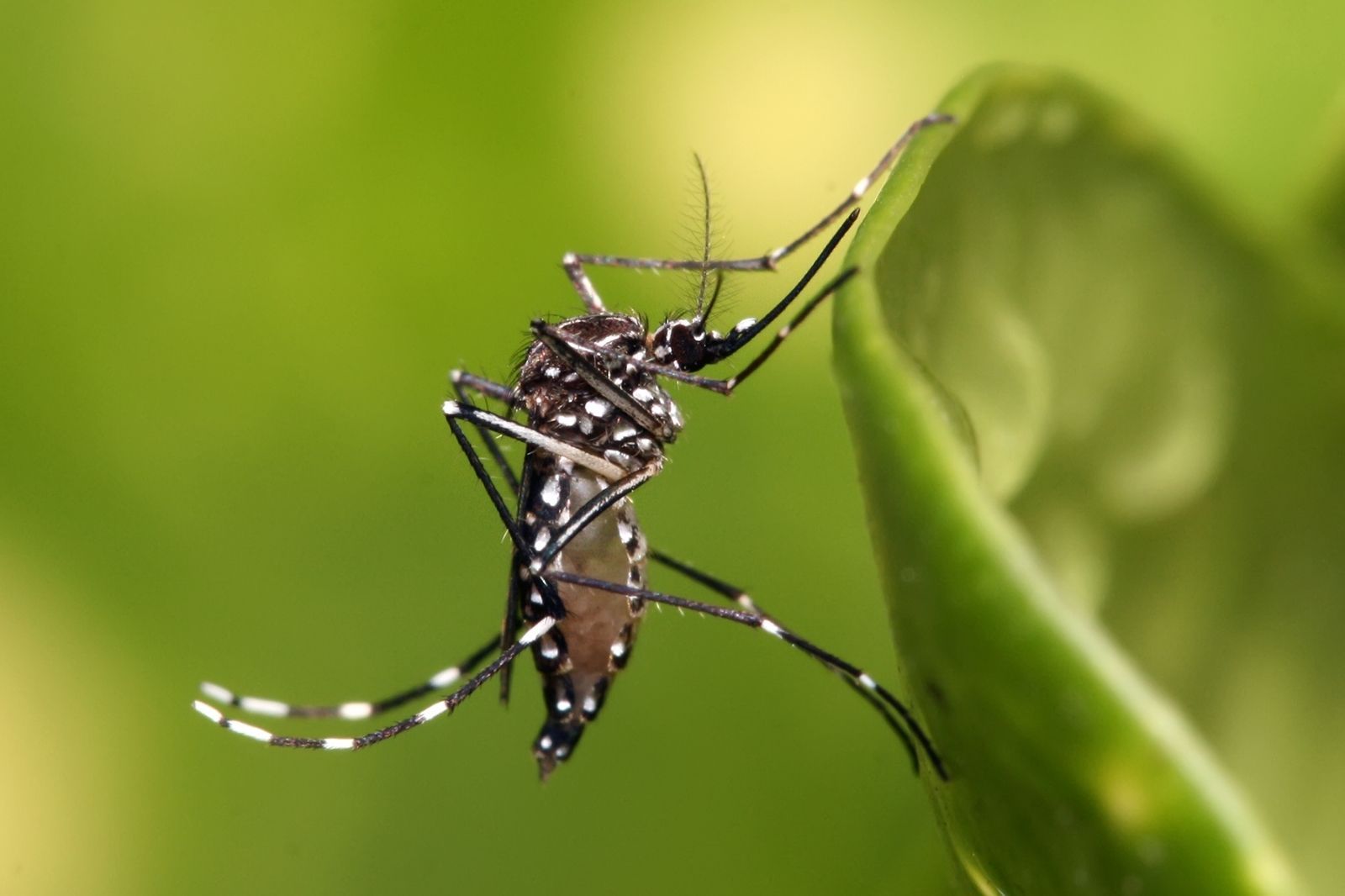
Everyone knows mosquitoes, but deep in the forest, they are even more worrisome. The Aedes aegypti mosquito species is often most active in the early morning and late afternoon, when dew still rests on leaves or dusk falls. Mosquitoes are attracted to our breath, specifically CO₂ gas, sweat, and body temperature. Besides causing itching and discomfort, mosquitoes are also the cause of many dangerous diseases such as dengue fever, malaria, or Zika virus. These diseases not only appear in major cities like Hanoi and Ho Chi Minh City but are also a concern in rural and mountainous areas.
What is a Forest Leech?
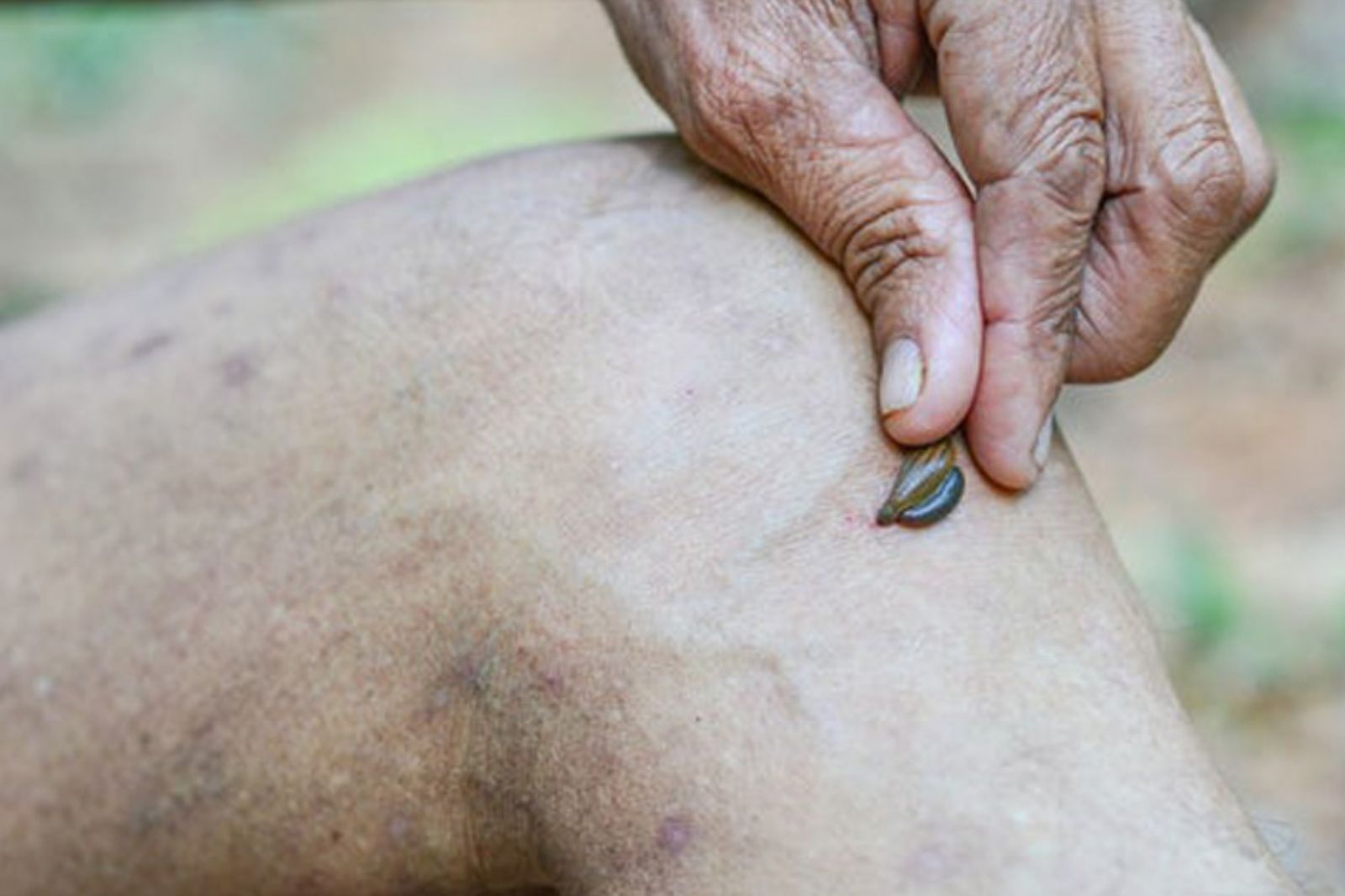
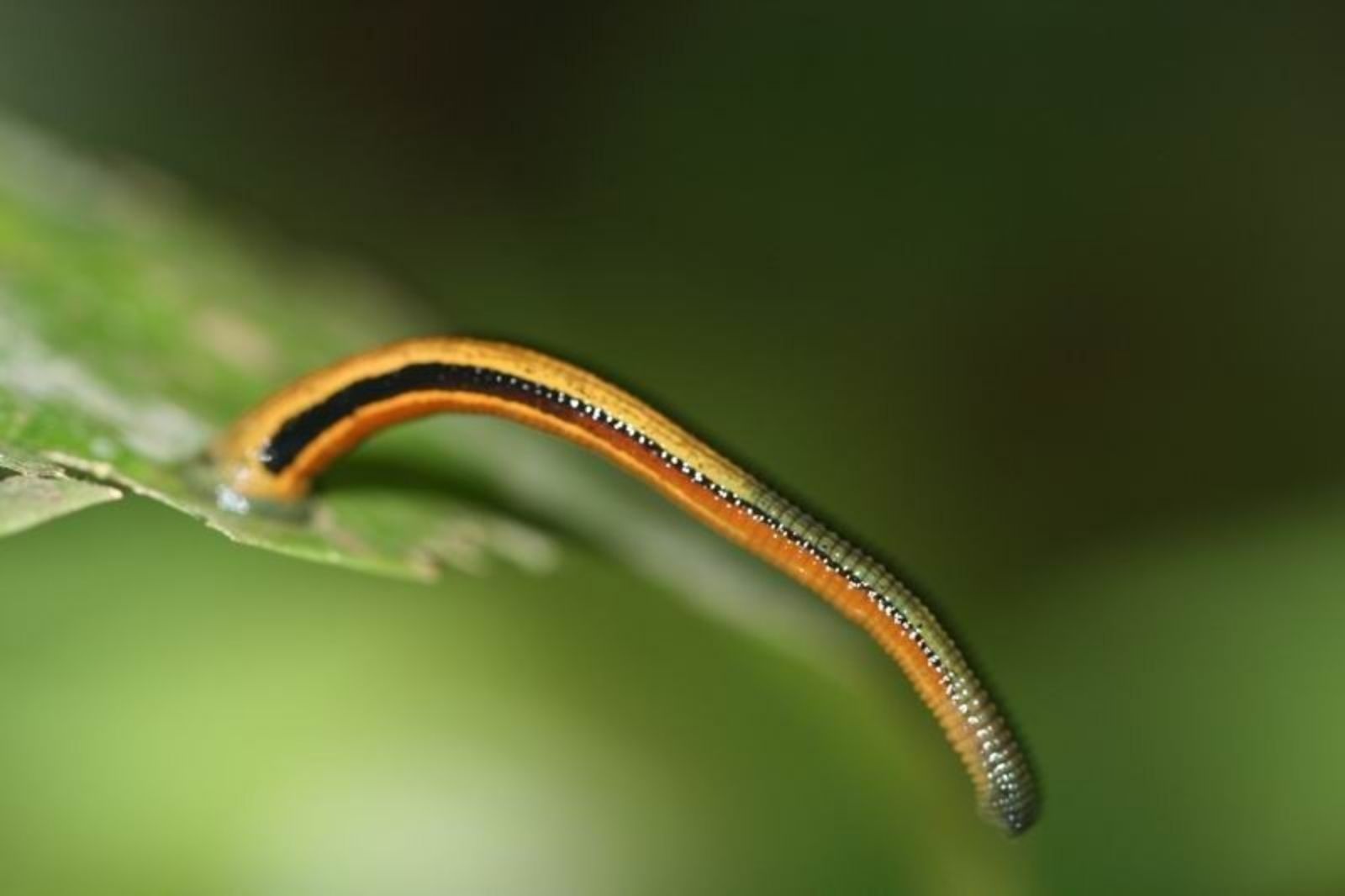
Leeches are "cousins" to water leeches; they look a bit scary but are familiar to anyone who has trekked through forests. Normally, land leeches are as small as a toothpick head, but when fully engorged with blood, they can grow as thick as a chopstick tip. They live mainly in damp places with plenty of decaying leaves or dense vegetation, such as the primeval forest of Phong Nha - Ke Bang National Park. During the rainy season, leeches become even more active, latching onto your skin unnoticed. They secrete an anesthetic, so their bite doesn't hurt at first, but by the time you notice them, they are already full of blood. The bite can bleed for a long time and is prone to infection if not cleaned properly.
If you go into the forest without careful preparation, you can easily become a "mobile buffet" for mosquitoes and leeches before you know it. But don't worry, in the next section, Sovaba Travel will guide you on how to prevent them so your trekking trip is complete and enjoyable!