Phuong Duc Bronze Casting in Hue: The Journey of Preserving Special Royal Bronze Art

Central

Thua Thien Hue

Sovaba.travel

Updated at: 31/10/2026

1. Where Is Phuong Duc Bronze Casting Village Located?

On the southern bank of the Perfume River, about 3 km southwest of Hue city center, Phuong Duc bronze casting village nestles along Bui Thi Xuan Street, extending from the Gia Vien Bridge area toward Long Tho. The craft village is primarily situated within the former Phuong Duc Ward and part of Thuy Xuan Ward, tied to a land where multiple generations of bronze casting artisans have lived and established their livelihoods.

Leaving behind the bustling city streets and following the Perfume River toward Long Tho, visitors will encounter workshops interspersed among residential neighborhoods. There, the rhythm of village craft life continues behind workshop doors: blazing kilns, meticulously prepared clay molds, and artisans diligently attending to every phase of production. Lacking the crowded clamor of commercial tourist hotspots, Phuong Duc retains the rustic simplicity of an ancient craft village, where the story of the trade is narrated through the sounds of labor and the bronze pieces brought to life by skilled hands.

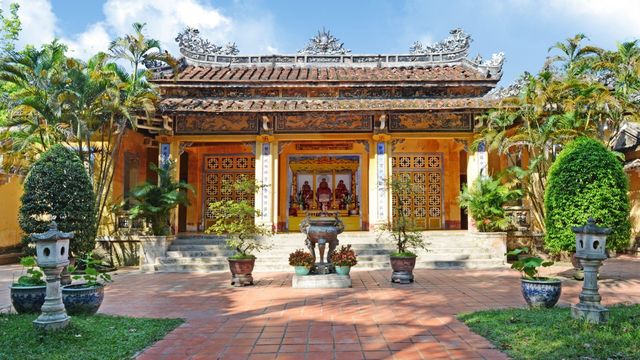
A craft village with a history of nearly 400 years

Photo: A craft village with a history of nearly 400 years

2. The History of Formation and Development of Phuong Duc Bronze Casting Village

The craft of bronze casting in Phuong Duc originated in the early 17th century under the rule of the Nguyen Lords. According to local records, Nguyen Van Luong, originally from Dong Xa Village (present-day Bac Ninh), is considered the founding patriarch of the bronze casting craft in the land of Thuan Hoa. When the Nguyen Lords consolidated their power and chose Phu Xuan as their capital, many skilled casting artisans from across the country were assembled here to manufacture weapons, coinage, ritual objects, and royal court utensils. From these initial artisan guilds, the Phuong Duc craft village gradually took shape and flourished.

Through countless historical upheavals, bronze casting experienced both triumphs and setbacks, yet it was steadfastly preserved and passed down through generations of craft lineages. In particular, under the Nguyen Dynasty, Phuong Duc entered its golden era with numerous bronze works of profound historical and artistic value, such as the Nine Holy Cannons, the Nine Dynastic Urns, the Great Bell of Thien Mu Pagoda, and the bell of Dieu De Pagoda. These are not merely iconic monuments of the imperial capital, but also testament to the extraordinary talent of Hue's bronze casting masters.

Today, although no longer serving exclusively the royal court, the bronze casting workshops in Phuong Duc continue their operations, creating statues, bells, sacred worship items, and decorative handicrafts. Amid modern living, the furnaces that remain alight stand as living proof of the enduring vitality of a traditional craft, where ancestral techniques continue to be transmitted through the hands of contemporary artisans.

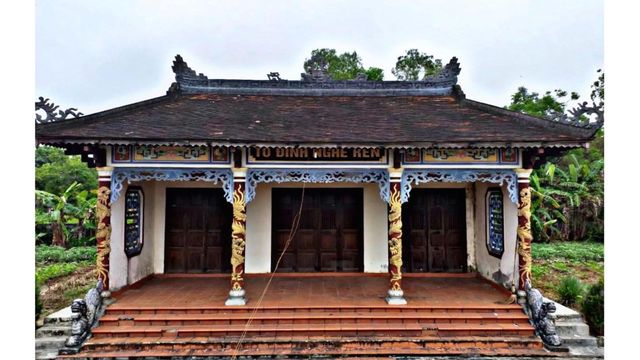
The guardians keeping the craft alive in Phuong Duc, Hue

Photo: The guardians keeping the craft alive in Phuong Duc, Hue

3. Bronze Creations Bearing the Cultural Imprint of the Ancient Capital Hue

When mentioning the creations of Phuong Duc bronze casting village, one cannot overlook the masterpieces closely intertwined with royal architecture and the religious life of Hue. Prominent among them are the Nine Dynastic Urns, featuring 162 relief carvings depicting the landscapes, indigenous products, and symbolic imagery of Vietnam, as well as the Nine Holy Cannons, a set of nine cannons named after the four seasons and the five elements. These works showcase the sophisticated casting techniques and exquisite artistry of ancient craftsmen.

Today, alongside historical monuments, the workshops in Phuong Duc maintain various product lines catering to daily life:

  • Ritual worship items: Bronze incense burners, incense bowls, three-piece and five-piece altar sets, Buddha statues, bells, and gongs.

  • Fine handicrafts: Statues of historical figures, bronze drums, vases, bronze crane statues, and ornamental items.

  • Custom-ordered creations: Monumental bronze statues, large bells, and dedicated works for pagodas, temples, and cultural structures.

Each product undergoes numerous meticulous phases, from molding and melting metal to casting and final finishing. It is this painstaking attention to detail at every step that defines the uniqueness of Phuong Duc bronze wares, allowing traditional handicraft values to endure and thrive in contemporary life.

4. Visiting Experience at Phuong Duc Bronze Casting Village in Hue

Visiting Phuong Duc gives travelers the opportunity to step into a traditional workshop space that has been intertwined with the local residents across centuries. From Hue city center, you can travel to the village by motorbike, taxi, or as part of a cycling tour along the Perfume River. At several family-run foundries, if you visit during production sessions, you can directly observe artisans crafting clay molds, melting bronze alloy, pouring molten metal, and refining finished pieces. This is also an ideal opportunity to learn about traditional bronze casting techniques and the stories behind each artwork.

Mornings or late afternoons are generally the best times to visit when the weather is cooler and more pleasant. You can also combine your itinerary with the Hue Imperial Citadel and Thien Mu Pagoda to admire renowned historical bronze works. A helpful tip is to contact workshops in advance to inquire about casting schedules and visitor availability, as not all facilities operate regular tour visits.

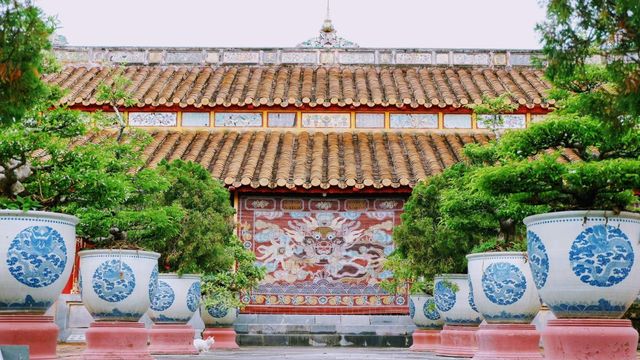
The journey of preserving a unique royal art heritage

Photo: The journey of preserving a unique royal art heritage

Indeed, Phuong Duc is not merely a place where exquisite bronze products are crafted; it serves as a living museum of Hue's art and cultural heritage. Every creation born from these workshops is not only a synthesis of metal and fire, but also carries historical narratives, a profound dedication to the craft, and the tireless devotion of generations of master artisans. Through the passage of time, these talented craftsmen diligently maintain their rhythmic strikes, producing the resonant echoes of a traditional craft village, contributing to the enduring beauty of the Ancient Capital, and affirming the value of a special cultural heritage in the hearts of the Vietnamese people.

Follow Sovaba Travel to discover more captivating stories about Hue, spanning its heritage, cuisine, and traditional craft villages.

Featured destinations