|

Back Home

Hue Pressed Cake (Banh Ep): A Familiar Street Snack for Lovers of Rustic Hue Flavors

Central

Thua Thien Hue

Sovaba.travel

Updated at: 28/08/2026

1. What is Hue pressed cake?

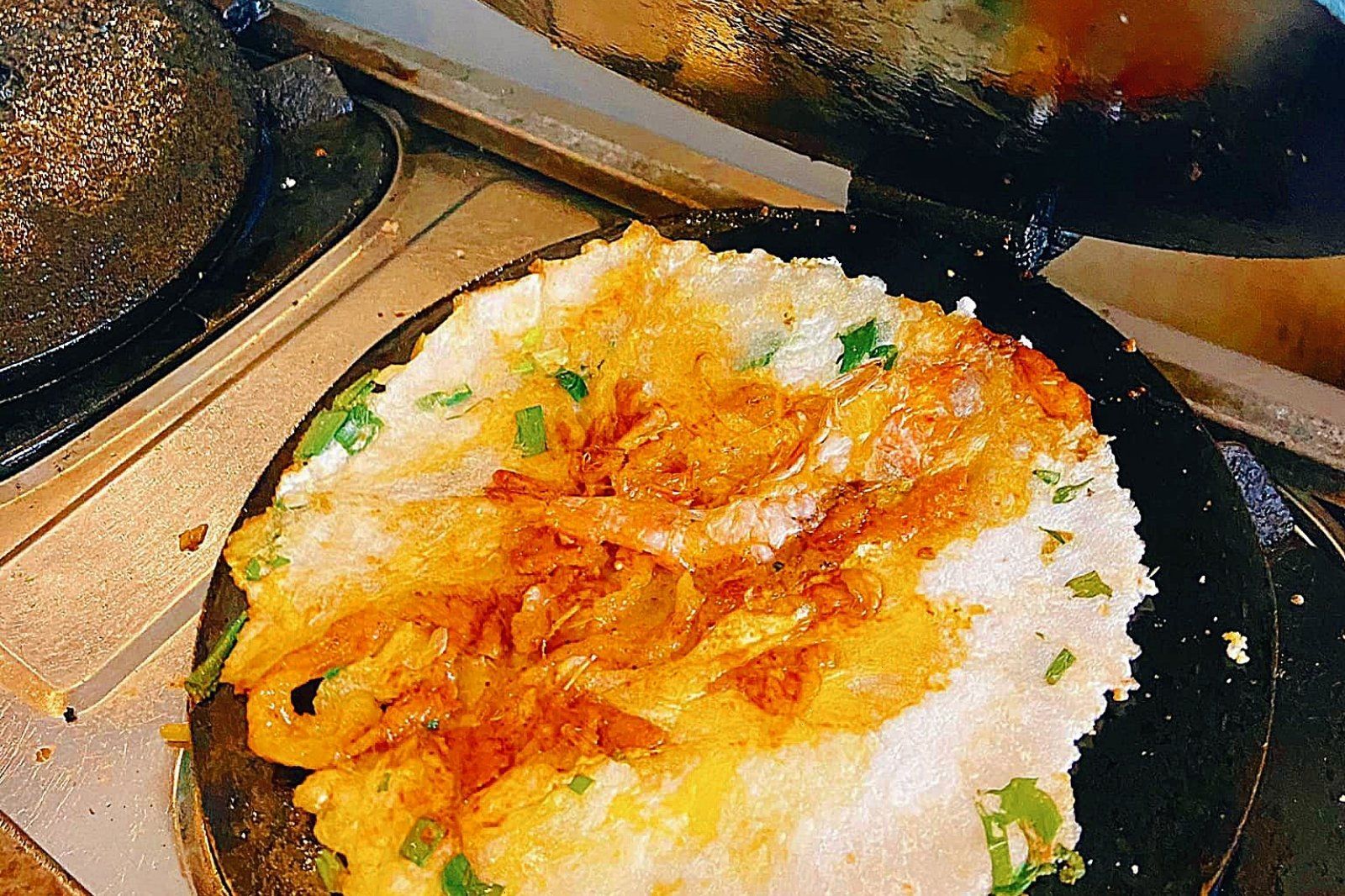
Hue pressed cake (Bánh ép Huế) is made from tapioca starch, carefully filtered cassava starch kneaded until smooth and pliable, then placed on a hot cast iron or aluminum mold and pressed flat along with the filling. The name “bánh ép” (pressed cake) stems from its preparation method: batter and fillings are pressed tightly between two mold surfaces, creating a thin, translucent cake with a signature chewy texture and crispy edges after meeting the fire.

This dish is often associated with the Thuận An area, where these rustic cakes once appeared in the daily life of locals before gradually spreading into Hue city via street vendors and small stalls. From a quick, easy-to-make, and budget-friendly dish, bánh ép became a familiar afternoon treat across generations. Arriving in Hue, it's not hard to spot a few people gathered around a small table, waiting for fresh batches just pressed, hot enough that you must eat them immediately to savor the full flavor.

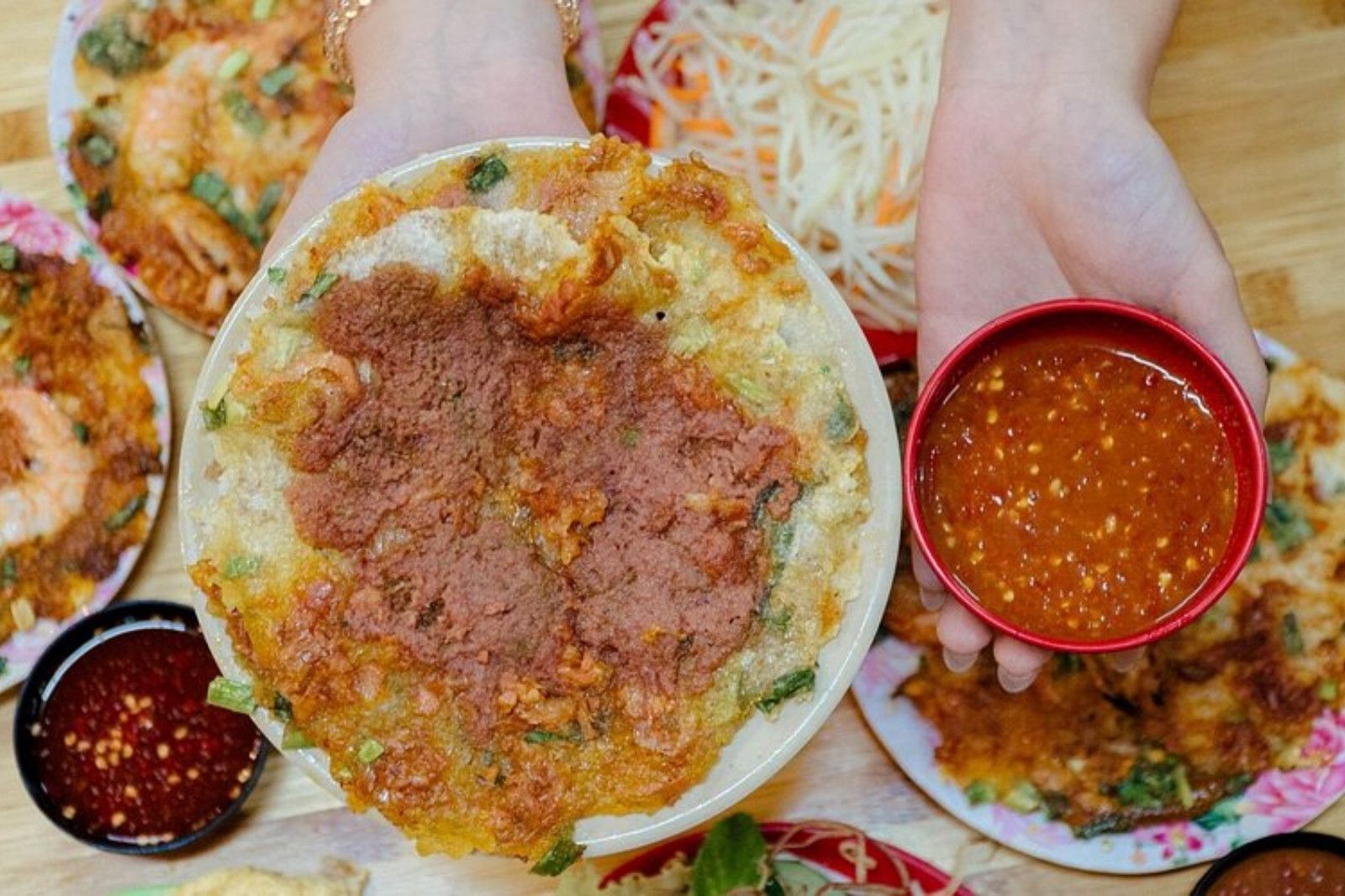
What makes bánh ép so alluring lies in its simplicity yet harmony. A pliable, chewy cake piece with savory egg, pate, and rich fragrant meat fillings, accompanied by green onions, fresh herbs, dipped in a sweet, sour, salty, and spicy sauce. The cake is only the size of a palm, but the joy comes from ordering one after another while chatting away.
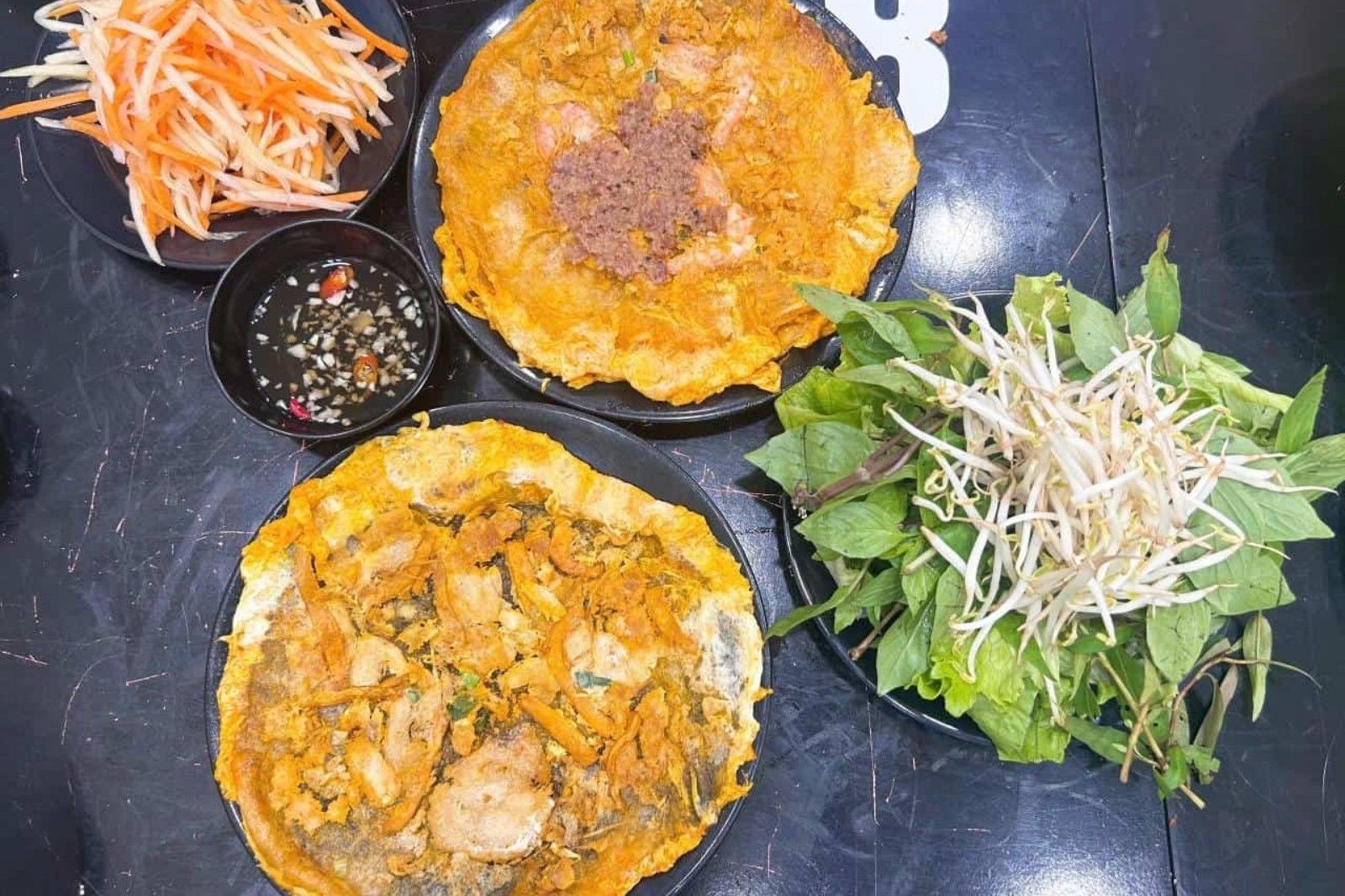
Bánh ép, a unique name in Hue cuisine

Photo: Bánh ép, a unique name in Hue cuisine

2. What ingredients are used to make Hue pressed cake?

With no fancy ingredients, Hue pressed cake is made from very familiar staples in Vietnamese kitchens. Tapioca starch, meat, eggs, green onions, fresh herbs, and a flavorful dipping sauce—it sounds simple at first, but achieving the right pliability, aroma, and taste depends heavily on how the maker selects and processes the ingredients.

  • Cake batter: The most crucial ingredient is tapioca starch. The flour needs to be fresh, thoroughly kneaded with water and a pinch of salt to form a smooth, flexible dough. This is the deciding factor for the translucent look, chewiness, and softness of the cake after pressing.

  • The filling: Pork is usually chosen with a balance of lean meat and fat so the filling doesn't dry out. Depending on the shop, fillings may include shrimp, chicken eggs, or quail eggs with scallions. Some places add variations with pate, dried beef, sausage, or pork rolls, offering more choices for diners.

  • Herbs and sides: A plate of bánh ép usually comes with fresh greens, Vietnamese coriander, mint, cucumbers, and pickles. The refreshing taste of herbs balances the rich, chewy texture of the cake, keeping the dish from feeling heavy even if you order several more.

  • Dipping sauce: If the cake is the main star, the dipping sauce is the piece that completes the flavor profile. Fish sauce is typically blended with a sweet, sour, salty, and spicy balance using garlic, chili, sugar, and lime or vinegar. Some stalls use fermented fish sauce (mắm nêm) for a richer, more distinctive taste.

The ingredients may be humble, but the difficulty of making bánh ép lies in the technique. The dough must be just right, the filling well-seasoned, the mold sufficiently hot, and the fire stable so the cake cooks evenly without hardening. It is this meticulous attention to seemingly small steps that creates a thin, chewy, fragrant cake preserving the unique spirit of Hue snacks.

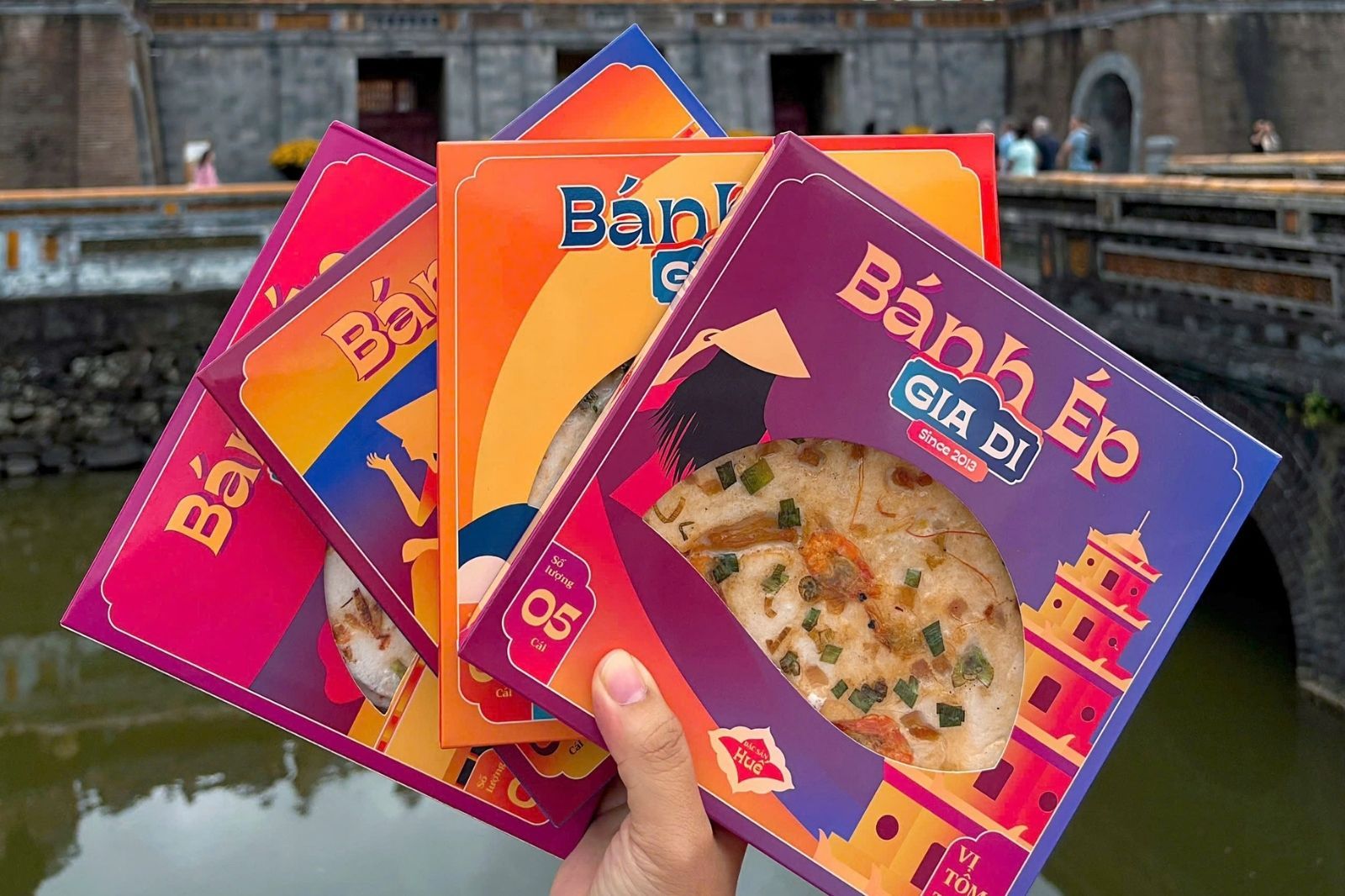
Dried pressed cakes are popular gifts for many travelers

Photo: Dried pressed cakes are popular gifts for many travelers

If you order bánh ép for the first time in Hue, you might be surprised by how many ways there are to enjoy this single dish. From soft, chewy freshly pressed cakes to thin, crispy versions that travel well, each type offers a distinct feel while preserving the rustic flavor characteristic of this snack.

  • Soft/Chewy pressed cake (Bánh ép dẻo): This style is favored by many when dining in. The cake is pressed just enough for the batter to cook through, keeping it soft, chewy, and slightly moist, topped with eggs, scallions, and your choice of filling. Fillings are versatile, ranging from eggs, meat, shrimp to pate, dried beef, or mixed toppings. Each stall has its own combination, so if you have time, ordering a few variations to try is a fun way to discover your favorite flavor.

  • Dried pressed cake (Bánh ép khô): Unlike the soft version, dried pressed cake is pressed longer on the hot mold to make it thin and crispy. These cakes can be preserved longer, making them convenient to carry along or buy as gifts. When eaten, dipping them in chili sauce or mixed fish sauce offers plenty of rich flavor.

Besides the two familiar styles, many shops tweak the fillings with pate, sausage, tré (fermented pork), Hue pork rolls, giving diners more choices. The price is very budget-friendly, around 2,000 – 10,000 VND per cake, depending on the filling and size. Because it is easy to eat, easy to order more, and affordable, bánh ép has long been a familiar afternoon street food in Hue.

Piping hot pressed cake flattened thin

Photo: Piping hot pressed cake flattened thin

4. Tips for enjoying Hue pressed cake the authentic way

To fully appreciate the flavor of Hue pressed cake, how you eat it is just as important as the ingredients. This dish is at its best when freshly pressed from the hot mold, enjoyed right at the stall alongside fresh greens and well-balanced dipping sauce. Here are a few tips to enhance your tasting experience:

  • Eat hot right after pressing. At this point, the edges are slightly crispy, the center is soft and chewy, and the filling is aromatic. Buying to-go often makes the cake soft and less appealing.

  • Pair with greens and pickles: Vietnamese coriander, cucumbers, fresh herbs, pickled veggies, or green mango help balance the richness of egg and meat while adding fresh crispness.

  • Dip lightly in fish sauce: Dipping sauce usually balances salty, sweet, sour, and spicy notes. Dipping in moderation highlights the cake's flavors without overpowering the filling.

  • Order in small batches: Bánh ép is usually served individually and should be enjoyed immediately after pressing. Ordering in small batches ensures the cakes are always hot and lets you easily try different fillings.

  • Ideal time: Bánh ép stalls are usually crowded in the afternoon and evening, around 2:00 PM – 9:00 PM. This is also the perfect time to enjoy hot cakes on the spot, especially if you want to experience the local street food vibe.

If you are trying Hue pressed cake for the first time, start with egg or meat filling to clearly taste the tapioca batter, the chewiness, and the fragrant fillings. Afterward, you can try shrimp, pate, or other creative fillings to find your preferred taste.

To find a truly 'Hue' dish, you don't always need to visit famous landmarks. Just stop by a small bánh ép stall in the afternoon, order a few cakes fresh off the mold, add a bit of fresh greens and a bowl of spicy dipping sauce, and you can feel a very distinct beat of local life. Here are some popular bánh ép addresses recommended by food lovers when exploring Hue street food:

  • Bánh ép Chị Huệ (118 Le Ngo Cat, Thuy Xuan, Hue): Famous for large, round cakes packed with filling and a signature sauce with a harmonic balance of spicy, salty, and sweet.

  • Bánh ép Duy Tân (12 Duy Tan, An Cuu, Hue): A favorite spot for generations of Duy Tan students, featuring excellent cake quality and a friendly atmosphere.

  • Bánh ép Nguyễn Du (37D Nguyen Du, Group 16, Hue): Highlights a diverse filling menu such as pate, dried beef, and mixed toppings, highly popular among young people.

  • Bánh ép Gia Di (4 Phung Chi Kien, Xuan Phu, Hue): Spacious atmosphere and special pressed cake flavors paired with unique sweet-and-sour salad.

  • Bánh ép Cầu Hai (54 Le Ngo Cat, Thuy Xuan, Hue): Features the signature flavor of Cau Hai village, with added shrimp and lemongrass in the filling, and black sesame in the dipping sauce creating a unique twist.

If you are looking for an authentic, rustic Hue flavor, drop by one of these spots to experience bánh ép and capture memorable moments during your culinary journey through the ancient capital.

Distinctive flavor from the delicious dipping sauce

Photo: Distinctive flavor from the delicious dipping sauce

Hue pressed cake (bánh ép) is not merely a street snack; it is a piece of memory and a humble culinary tradition of the ancient capital. Enjoying a hot, chewy, and crispy bánh ép dipped in rich fish sauce lets you fully savor the rustic, genuine character of Hue. If you have the chance to visit this poetic city, don't forget to drop by one of these famous bánh ép stalls to experience and cherish this unforgettable flavor.

Loading......

Featured destinations