Khe Sanh Coffee – The Agricultural Pride of Khe Sanh

Central

Quang Tri

Khe Sanh

Sovaba.travel

Updated at: 24/09/2026

1. What is Khe Sanh coffee?

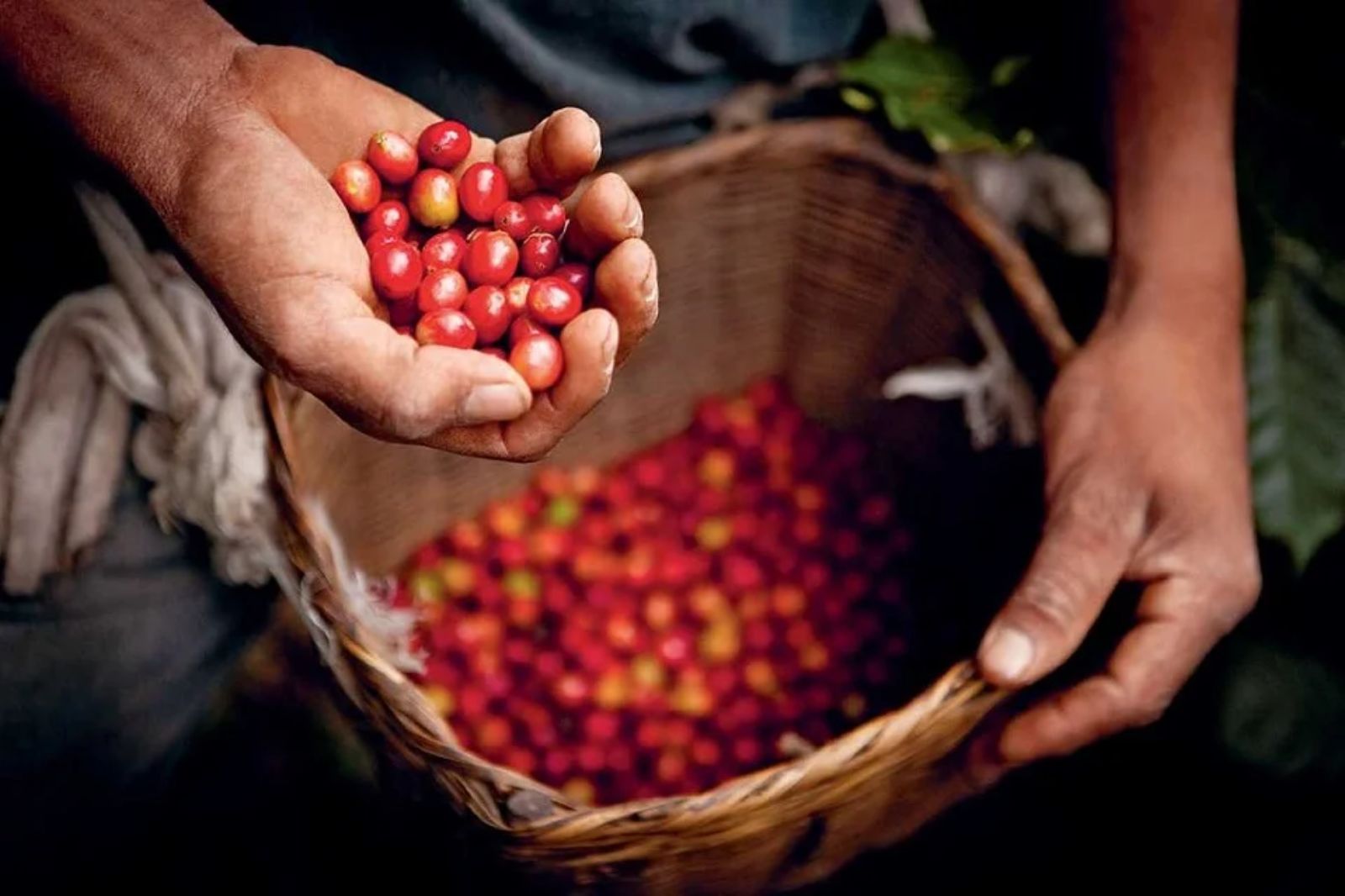
Khe Sanh coffee is not only a famous agricultural product of Huong Hoa, but is also gradually becoming a signature mark of western Quang Tri. Mainly consisting of Arabica, especially Catimor, alongside a small proportion of Liberica coffee, the coffee farms here currently span about 4,000 hectares, of which over 3,700 hectares are currently harvested, providing livelihoods for more than 8,600 households, including many Bru – Van Kieu and Pa Co ethnic people.

Grown in mountainous areas with favorable altitudes and climate, Khe Sanh coffee beans feature a signature aroma, bright acidity, and a sweet aftertaste. These characteristics create a distinct difference compared to the popular Robusta grown in lowland areas, while paving the way for developing Khe Sanh coffee toward high-quality and specialty coffee segments.

Notably, several local products have achieved 5-star National OCOP certification, contributing to bringing the Khe Sanh coffee brand closer to domestic and international markets. From the basalt red soil and highland climate to the farmers' experience, everything comes together to create a flavor unique to Khe Sanh—a taste where just one sip is enough to envision the western land of Quang Tri.
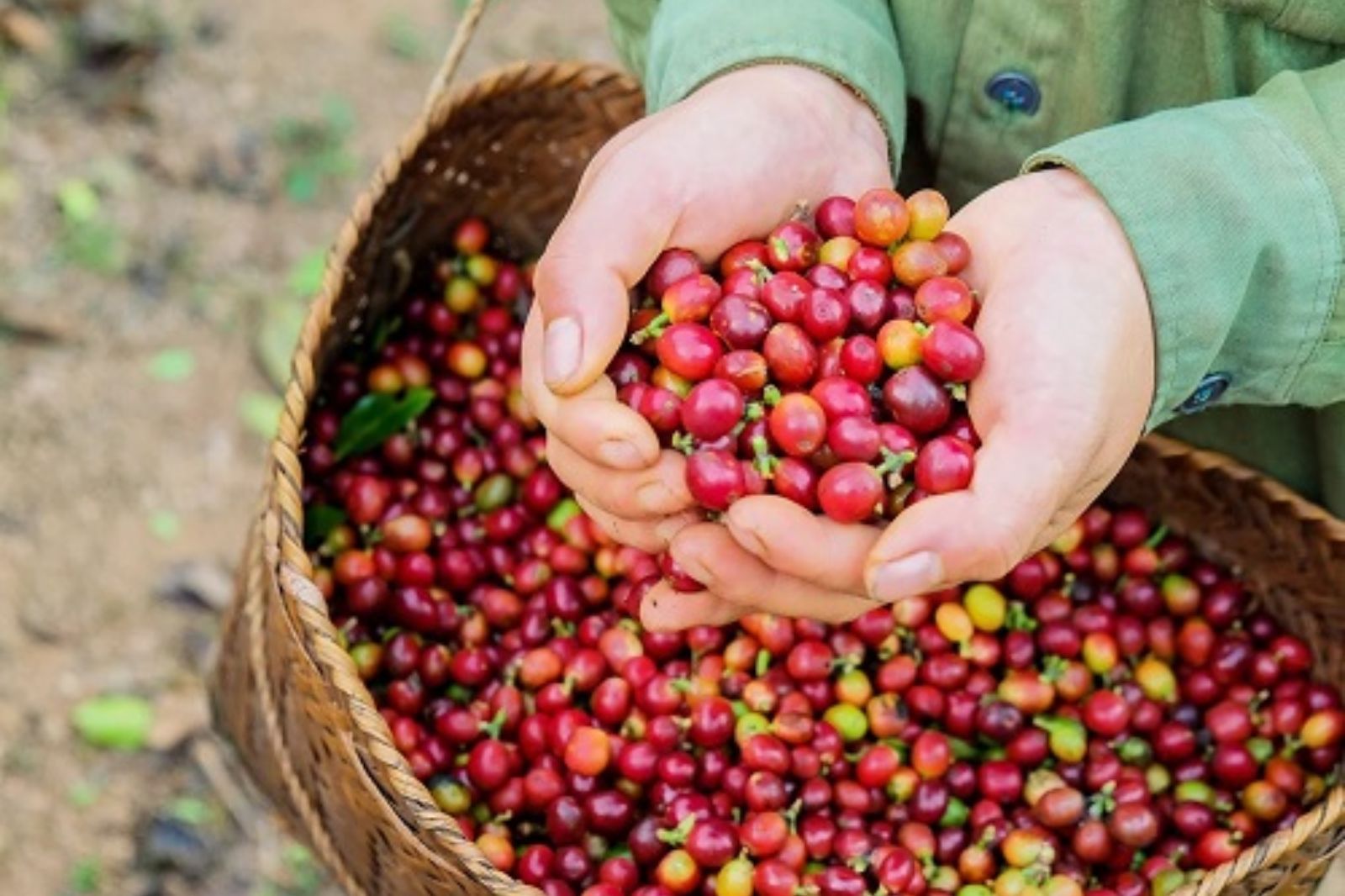
Khe Sanh coffee becomes a symbol of the red soil land

Photo: Khe Sanh coffee becomes a symbol of the red soil land 

2. History of the Khe Sanh coffee region

The story of coffee in Khe Sanh began nearly a century ago. Following a survey of the red basalt region in 1918, French botanist Eugène Poilane was recorded to have brought coffee varieties to Khe Sanh for experimental planting. By 1926, the first plantations gradually took shape in Khe Sanh, Huong Phung, and Mu Rom, laying the foundation for Huong Hoa's renowned coffee region later on.

War once heavily devastated the coffee hills here, especially during the Battle of Khe Sanh in 1968. After 1975, the land once littered with war remnants began to revive. The Khe Sanh Coffee Farm was established in 1978, opening a new chapter for local coffee cultivation. Since the mid-1990s, the Catimor variety was widely introduced due to its resistance to coffee leaf rust and stable yield, gradually becoming the region's main coffee variety.

From the earliest plantations to the sprawling coffee areas on basalt red soil today, coffee trees have been tied to Khe Sanh's revival. In a land once defined by war, successive coffee harvest seasons have painted a different picture: lush green hill slopes, coffee beans bearing the livelihood and pride of the people of Huong Hoa.

Khe Sanh coffee is famous for its distinctive flavor

Photo: Khe Sanh coffee is famous for its distinctive flavor 

3. Where is Khe Sanh coffee grown?

The Khe Sanh coffee region is mainly concentrated in Huong Hoa, where coffee plantations spread across areas with natural conditions suitable for Arabica trees. Key coffee-growing areas include Khe Sanh town, Huong Phung, Huong Loc, Huong Tan, Tan Hop, Tan Lap, Huc, Huong Son, A Doi along with neighboring areas like Ba Tang and Tan Lien. This area is also associated with the geographical indication for Khe Sanh coffee products.

Beyond agricultural production, many households and cooperatives are gradually integrating coffee farming with agritourism, creating opportunities for tourists to get closer to the coffee hills, learn about cultivation practices, and taste coffee right in the raw material area. This approach enhances the value of coffee beans while generating additional livelihoods for the local community.

What is special about the flavor of Khe Sanh coffee?

Khe Sanh Arabica is highlighted by:

  • Bright acidity

  • Multi-layered aroma: floral, honey, chocolate, caramel

  • Medium body, smooth; mild bitterness, long-lasting and clean sweet aftertaste.

  • Caffeine content is typically higher than in some other Arabica regions, delivering a rich feel without being harsh.

Besides Arabica, Liberica (jackfruit coffee) also adds a distinct nuance to the Huong Hoa coffee region with tropical fruit notes and a deep aftertaste. Bean quality also relies heavily on harvesting time and processing methods. Highly ripe cherries are selected, then undergo wet or natural processing, drying, and careful storage to preserve their inherent characteristics.

Harvested coffee beans are carefully selected

4. Khe Sanh coffee tourism

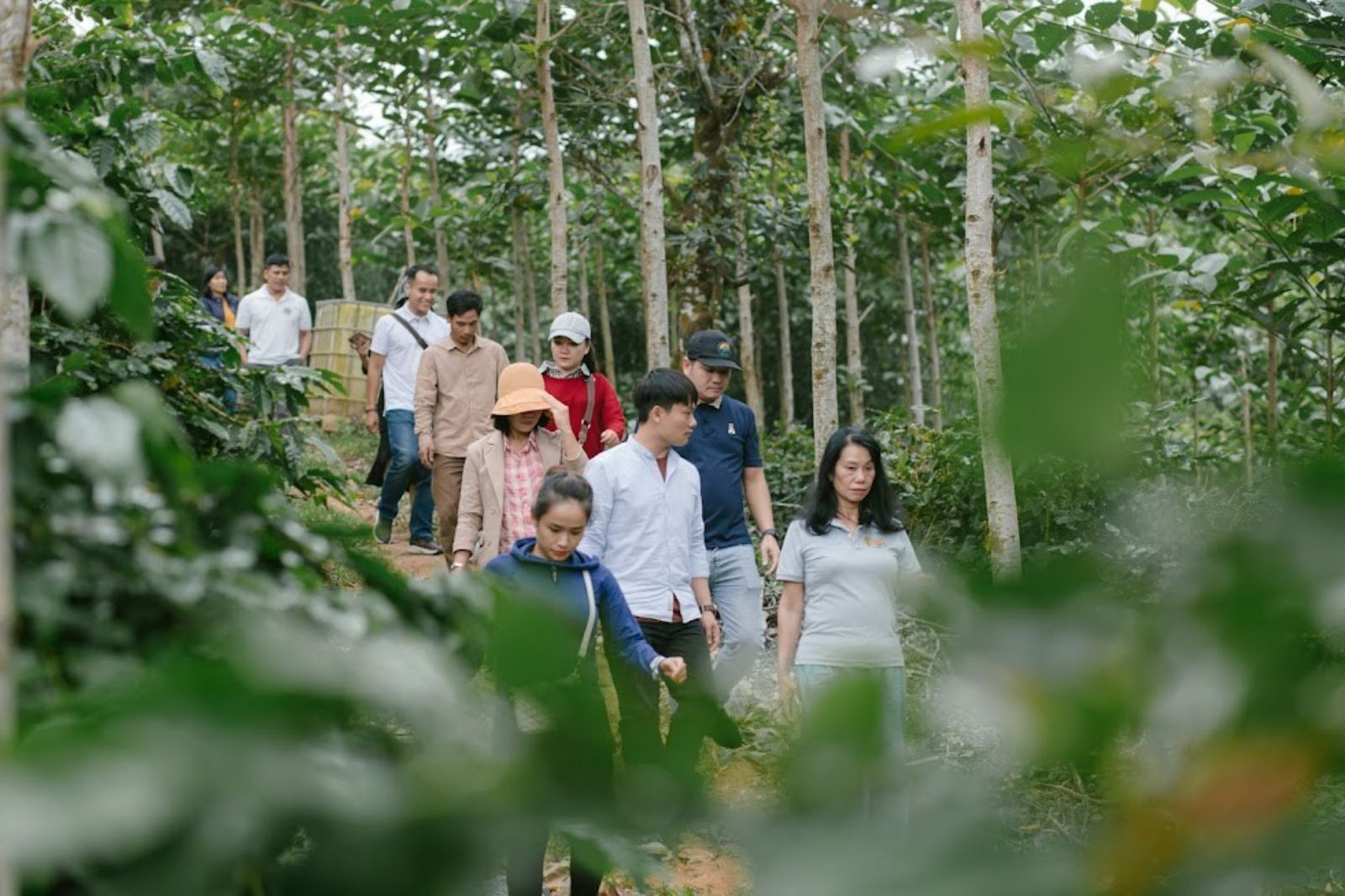
Khe Sanh Coffee Tour is an experiential approach combining tourism and agriculture, bringing visitors closer to Huong Hoa's signature coffee region. Instead of just enjoying a cup of coffee, visitors have the chance to step right into where coffee beans are grown, learning how locals care for and harvest each crop season.

  • Visit organic coffee farms.

  • Experience harvesting and processing coffee.

  • Savor a cup of specialty coffee right in its homeland.

  • Learn about the heroic history of Khe Sanh, from a past battlefield to today's agricultural hub.

Combining tourism through the Khe Sanh Coffee Tour

Photo: Combining tourism through the Khe Sanh Coffee Tour

5. Tips for buying Khe Sanh coffee as a gift

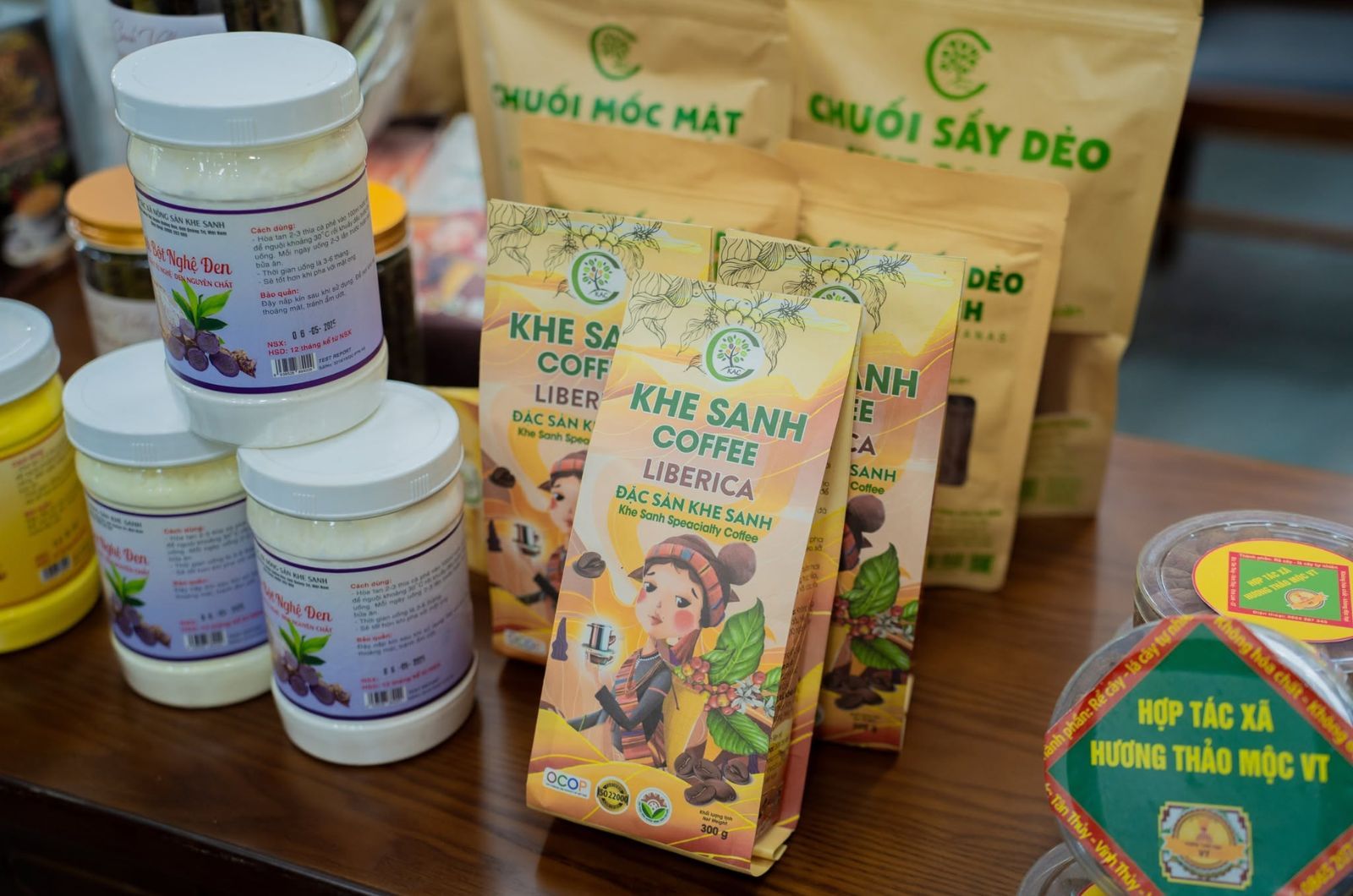
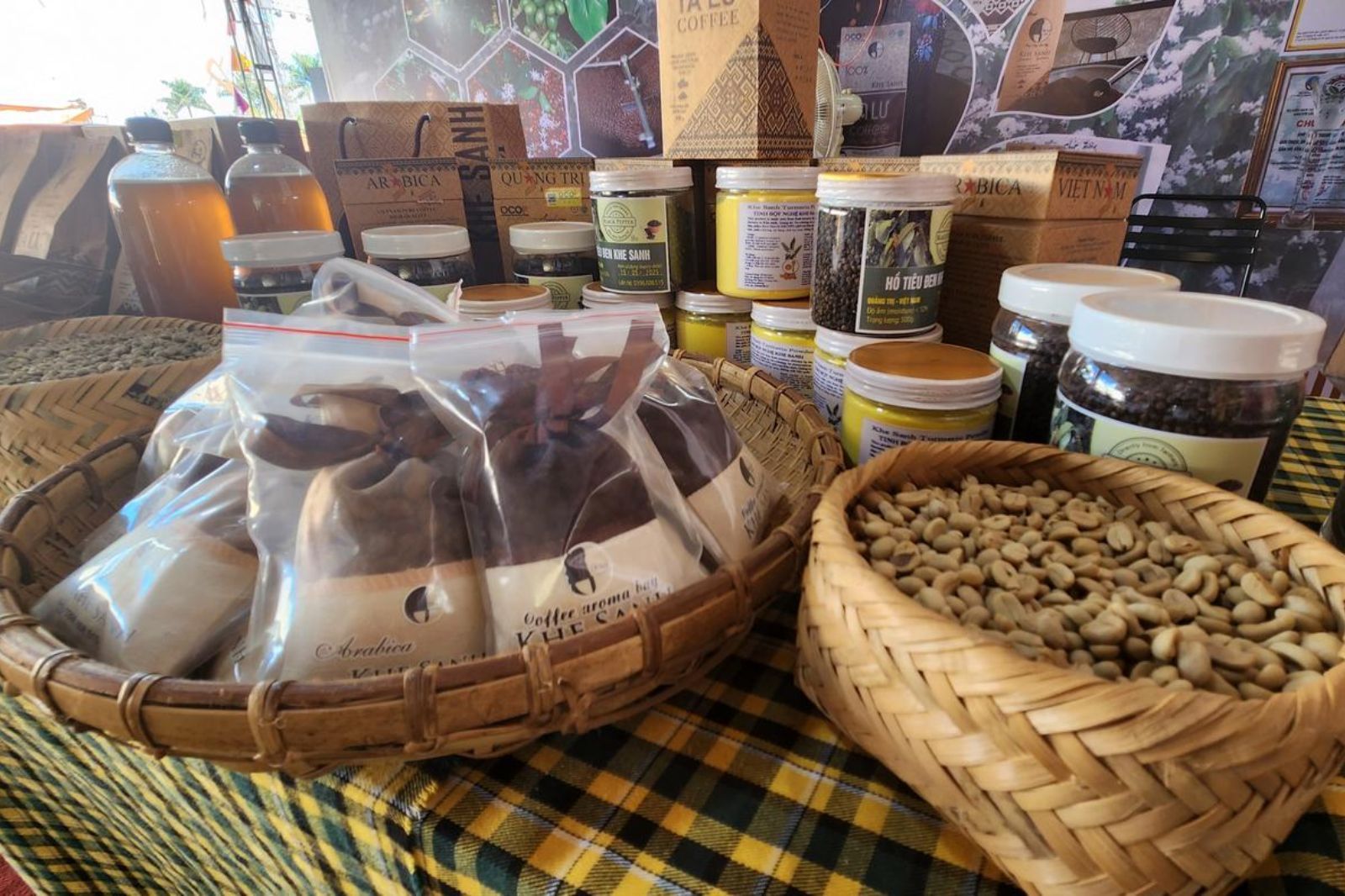
A bag of Khe Sanh coffee brought home after your trip is not just a gift imbued with highland flavors, but also a way to preserve a piece of memory about Huong Hoa. Therefore, when choosing, you should prioritize pure Arabica coffee, products certified under OCOP or carrying the “Khe Sanh” geographical indication, and purchase from cooperatives, farms, and facilities with clear traceability details.

For whole-bean coffee, choose products roasted relatively recently, packaged in sealed bags, preferably with a one-way valve to minimize air contact. Whole beans also retain aroma longer than ground coffee. When tasting, Khe Sanh Arabica usually features bright acidity, clear aroma, and a sweet aftertaste; products with harsh bitterness or unclear origin details should be carefully reconsidered.

After purchasing, store coffee in a cool, dry place away from direct sunlight and humidity. If possible, choose whole beans and grind them right before brewing to better retain flavor. In particular, you can favor products produced directly by local cooperatives, farming families, or coffee tourism models. A thoughtful choice when buying gifts can help keep the value of Khe Sanh coffee beans anchored in the very land that nurtured them.

Khe Sanh specialty coffee as gifts

Photo: Khe Sanh specialty coffee as gifts

Khe Sanh coffee not only carries the unique flavor of Huong Hoa's basalt red soil, but is also tied to the revival and development journey of a land that has endured many ups and downs. From lush green coffee farms to individually selected, carefully roasted beans, every product contributes to bringing the image of Khe Sanh closer to coffee lovers and explorers of Quang Tri. If you have the chance to visit western Quang Tri, take the time to stop by a coffee farm, savor a cup of Arabica right in the raw material area, and experience the distinct flavor of Khe Sanh in the most complete way.

To learn more about destinations, delicious food, travel tips, and exciting experiences in Quang Tri, you can visit Sovaba Travel. The updated information will help you easily plan a more enriching trip to Quang Tri.

Loading......

Featured destinations