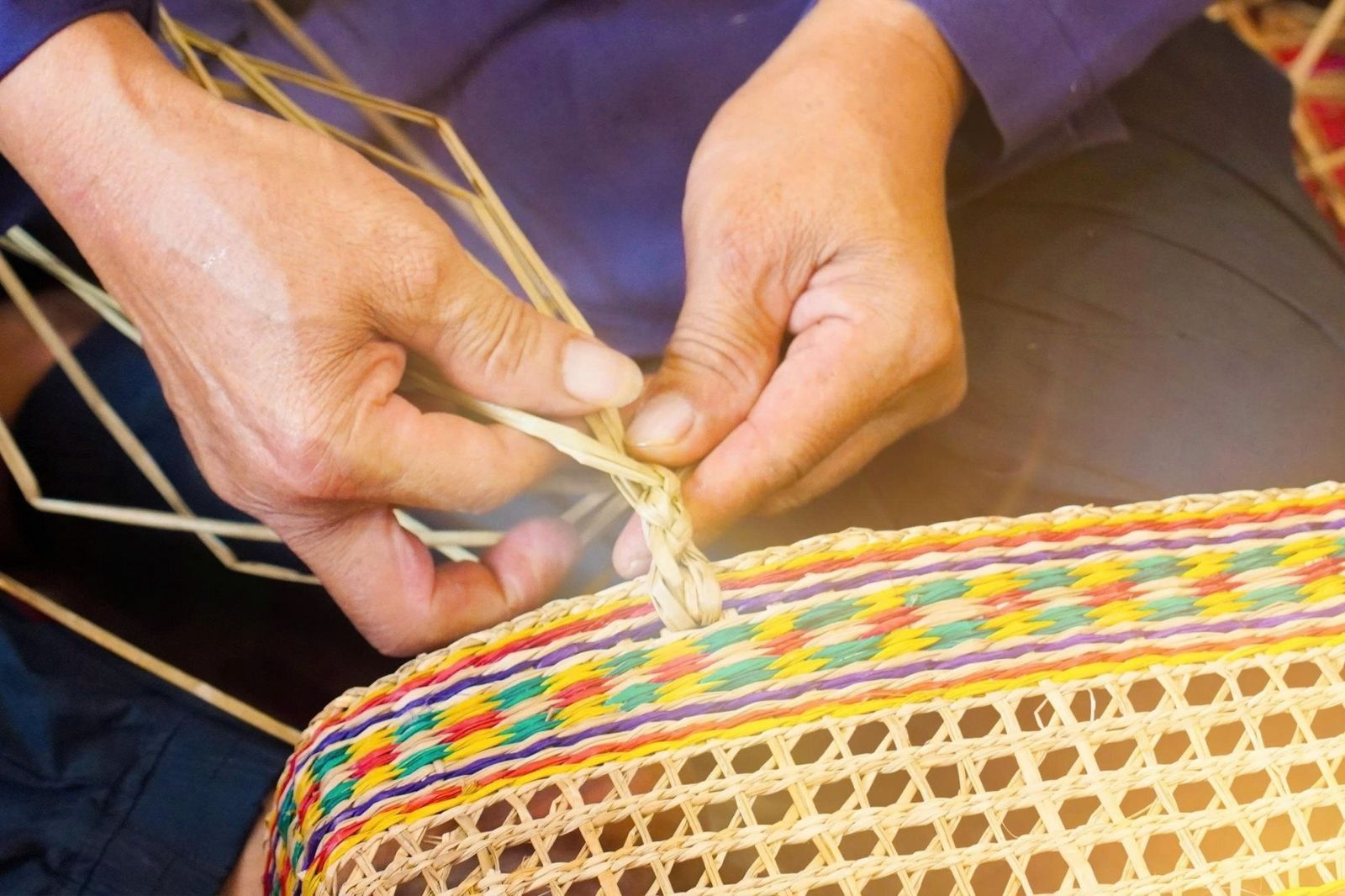
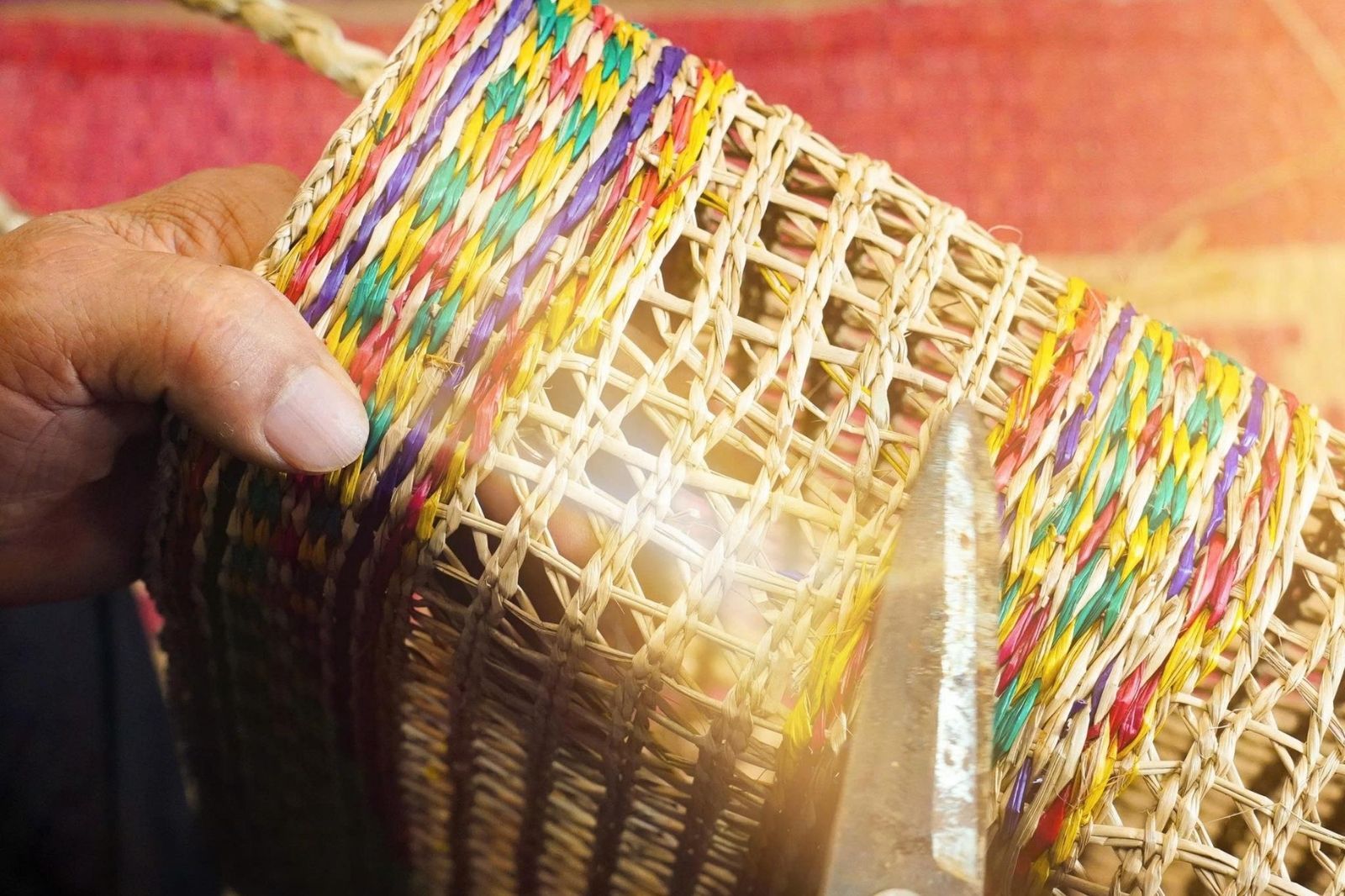
Kim Son sedge weaving craft village is located in Kim Son district, Ninh Binh province, about 35km from the center of Ninh Binh city. It was established in the 19th century, associated with the land reclamation and sea encroachment effort led by the Royal Envoy of Land Reclamation Nguyen Cong Tru in 1829. This coastal area was originally wild alluvial flats, where sedge plants grew naturally on saline soil. Migrants from the Northern Delta regions came here and utilized the sedge plants to develop the weaving craft, turning it into their primary livelihood.
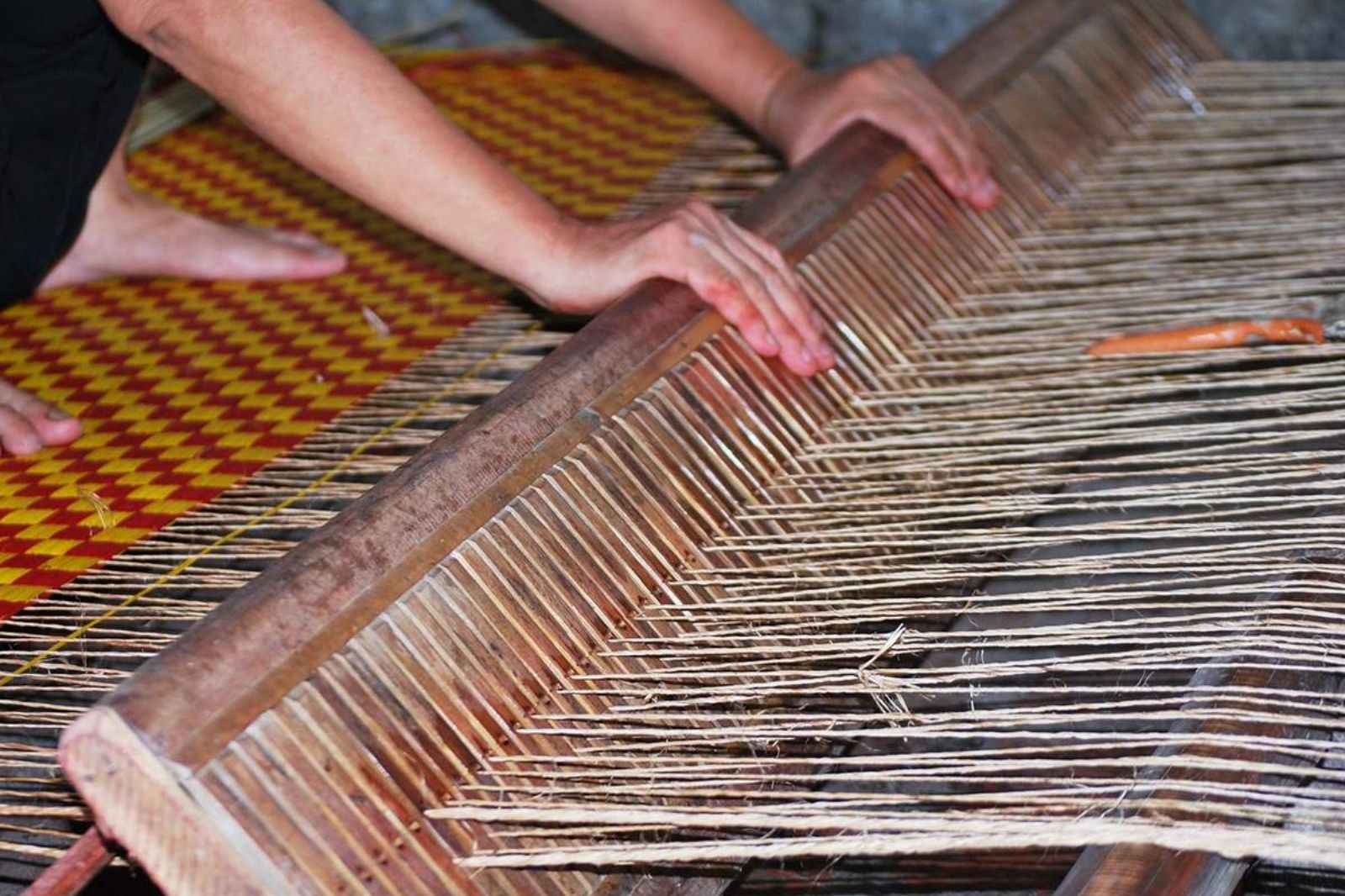
According to historical records, the sedge weaving craft flourished after Kim Son district was established with 7 cantons and 63 villages. Initially, wild sedge was used to weave coarse mats or rugs, but gradually, with field cultivation techniques, the products became more refined. Today, Kim Son sedge craft has existed for over 200 years and was recognized as a National Intangible Cultural Heritage in 2024 by the Ministry of Culture, Sports and Tourism. This not only affirms its cultural value but also helps preserve the traditional craft against the decline of many other craft villages during the period of economic integration.