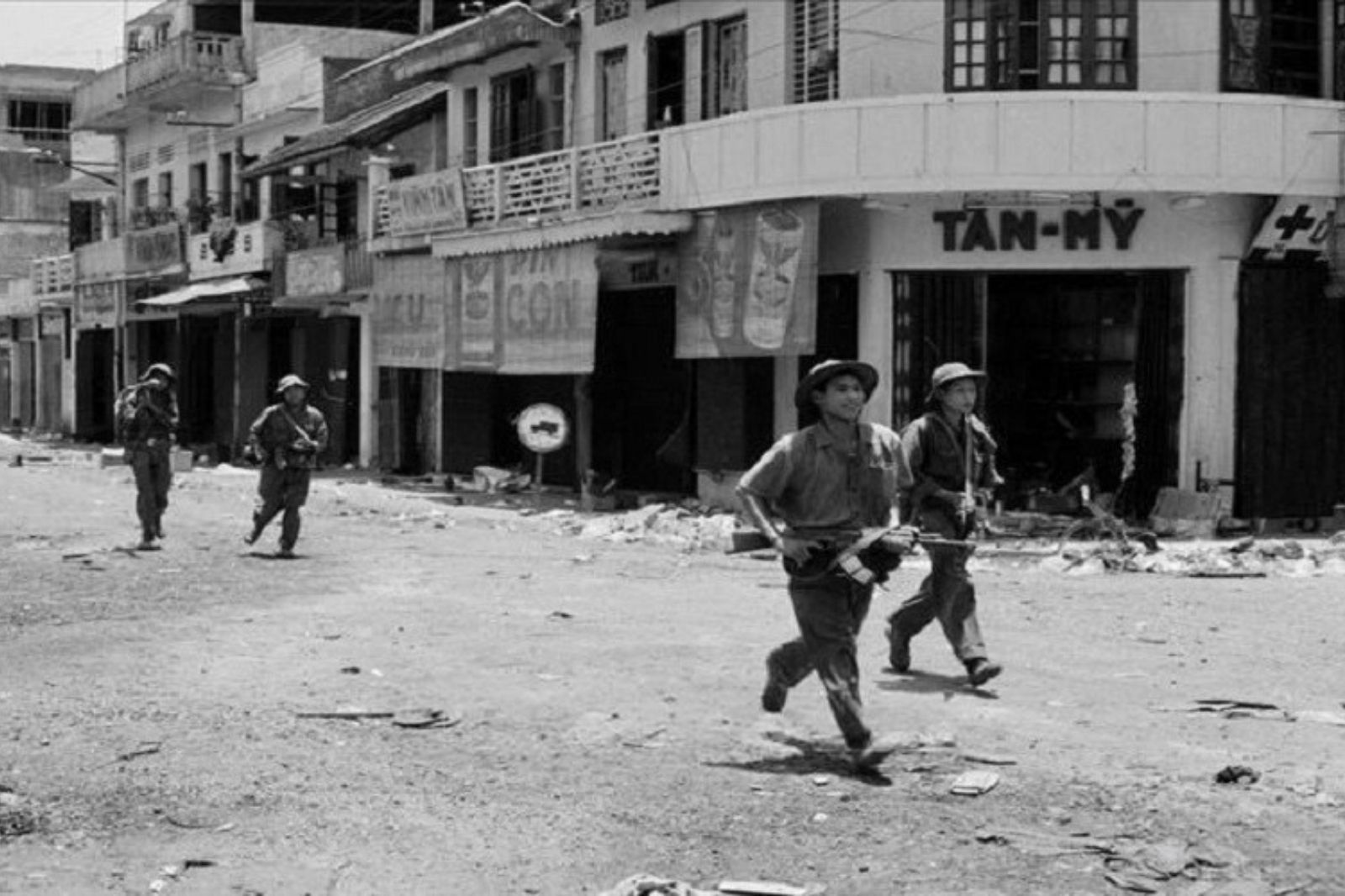
On the morning of June 28, 1972, Quang Tri Ancient Citadel entered its fiercest 81 days and nights. The battle lasted until September 16, 1972, becoming one of the most grueling and intense engagements of the Vietnam War. The enemy employed a creeping attack tactic: using destructive firepower (carpet-bombing B-52s, naval artillery, land artillery) to flatten every meter of land, followed by advancing infantry and armor. During the 81 days, the US and Saigon forces dropped approximately 328,000 tons of bombs and artillery shells onto the Ancient Citadel and the town area—equivalent to the explosive power of about 7 atomic bombs. On some days (such as July 25), the Citadel endured over 5,000 artillery shells. On average, each of our soldiers endured about 100 bombs and 200 artillery shells.
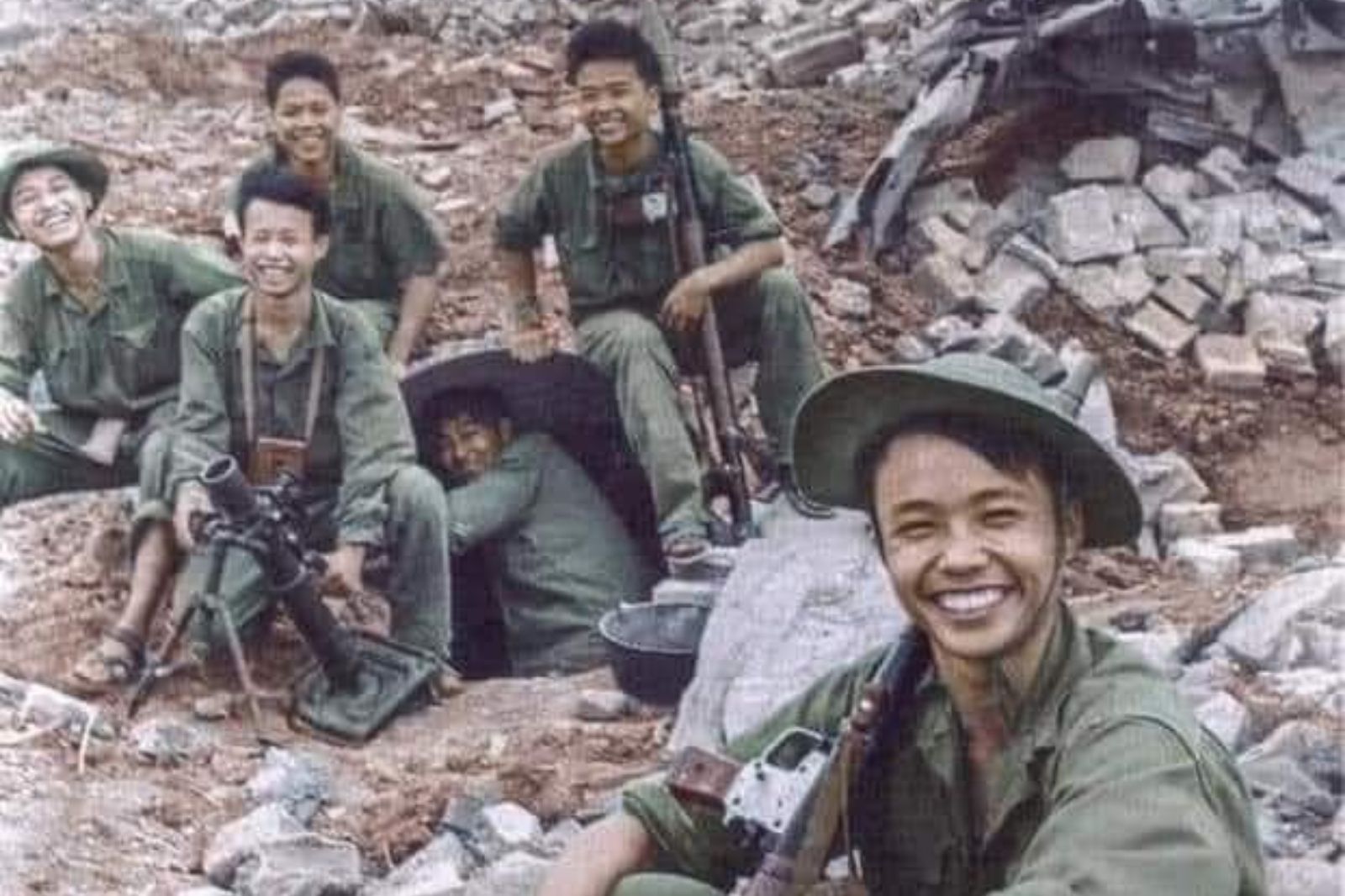
Amid that rain of bombs, the soldiers held fast to every position, defending every wall section and every house. The Liberation Army organized defenses, counterattacks, and received reinforcements from the north bank of the Thach Han River. On some days, 5–7 engagements took place, sometimes up to 13. The Ancient Citadel became a place where every meter of land had to be traded for resilience and sacrifice.
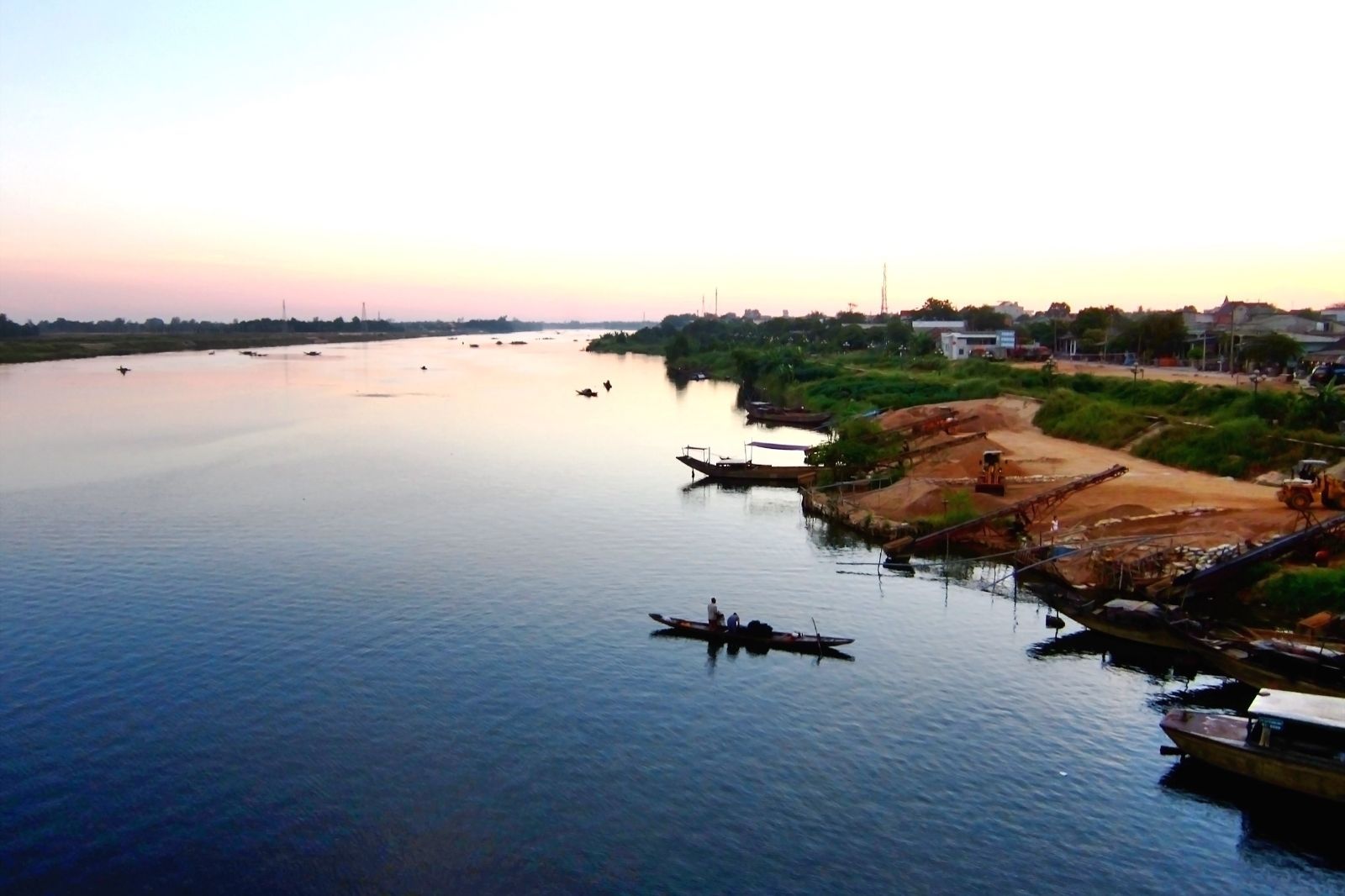
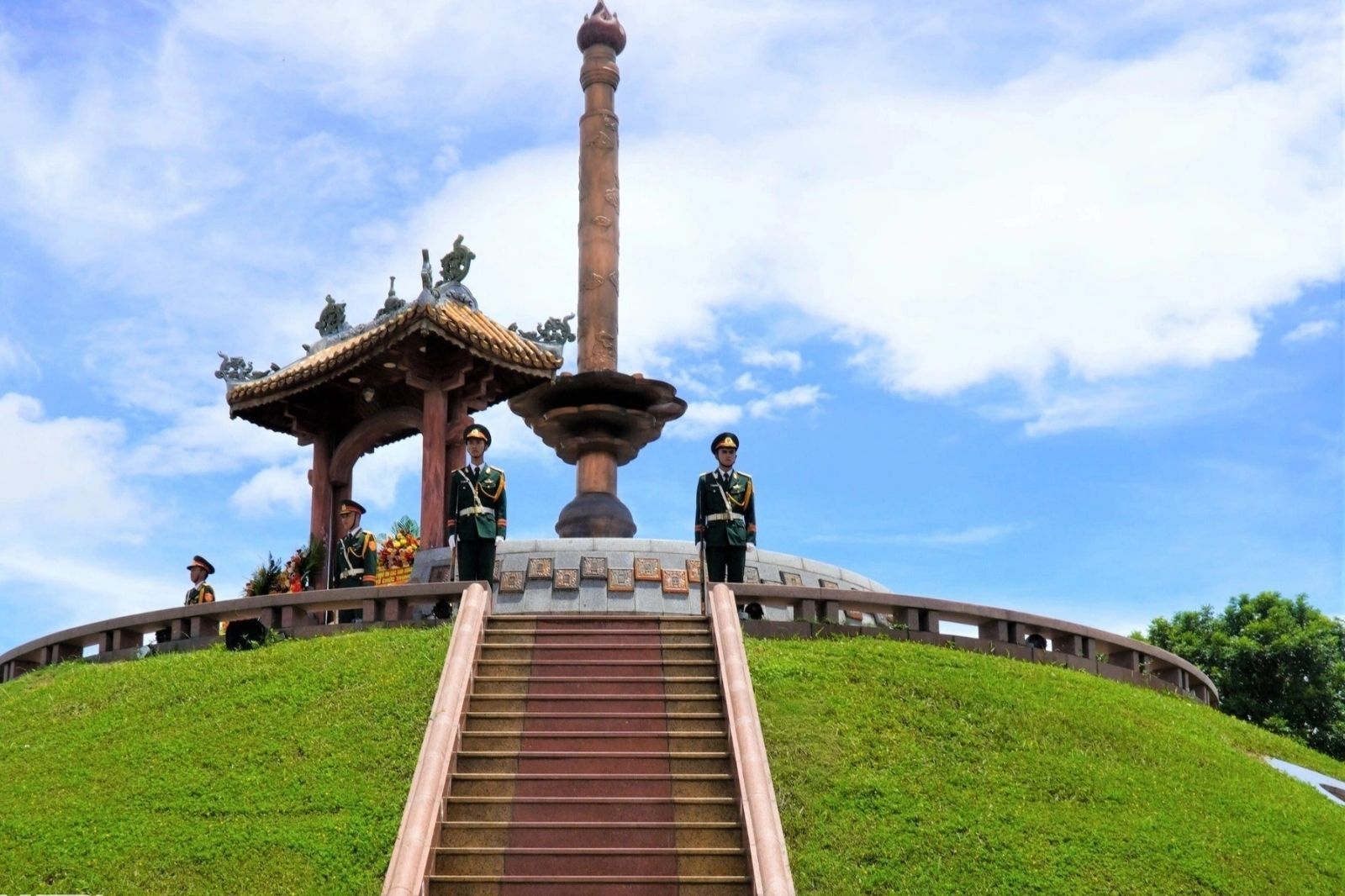
After days of relentless bombardment, Quang Tri town was virtually flattened, and the Ancient Citadel was reduced to scarred wall remnants and gates bearing the marks of war. On September 16, 1972, after 81 days and nights of fighting and when the remaining forces were very thin, our troops proactively withdrew to the north bank of the Thach Han River under superior orders. This was a tactical withdrawal, taking place after completing the task of holding down the enemy and inflicting significant losses. According to our data, across the entire front, about 26,000 enemy troops were killed, over 200 aircraft shot down, and hundreds of tanks and armored vehicles destroyed. Our side also suffered immense losses, with thousands of officers and soldiers making the ultimate sacrifice.
Importantly, the battle lasted many times longer than the enemy's original plan, significantly weakening their elite forces and creating crucial pressure on both the battlefield and at the negotiating table. The events in Quang Tri in 1972 thus became an important part of the process leading to the Paris Peace Accords on January 27, 1973.
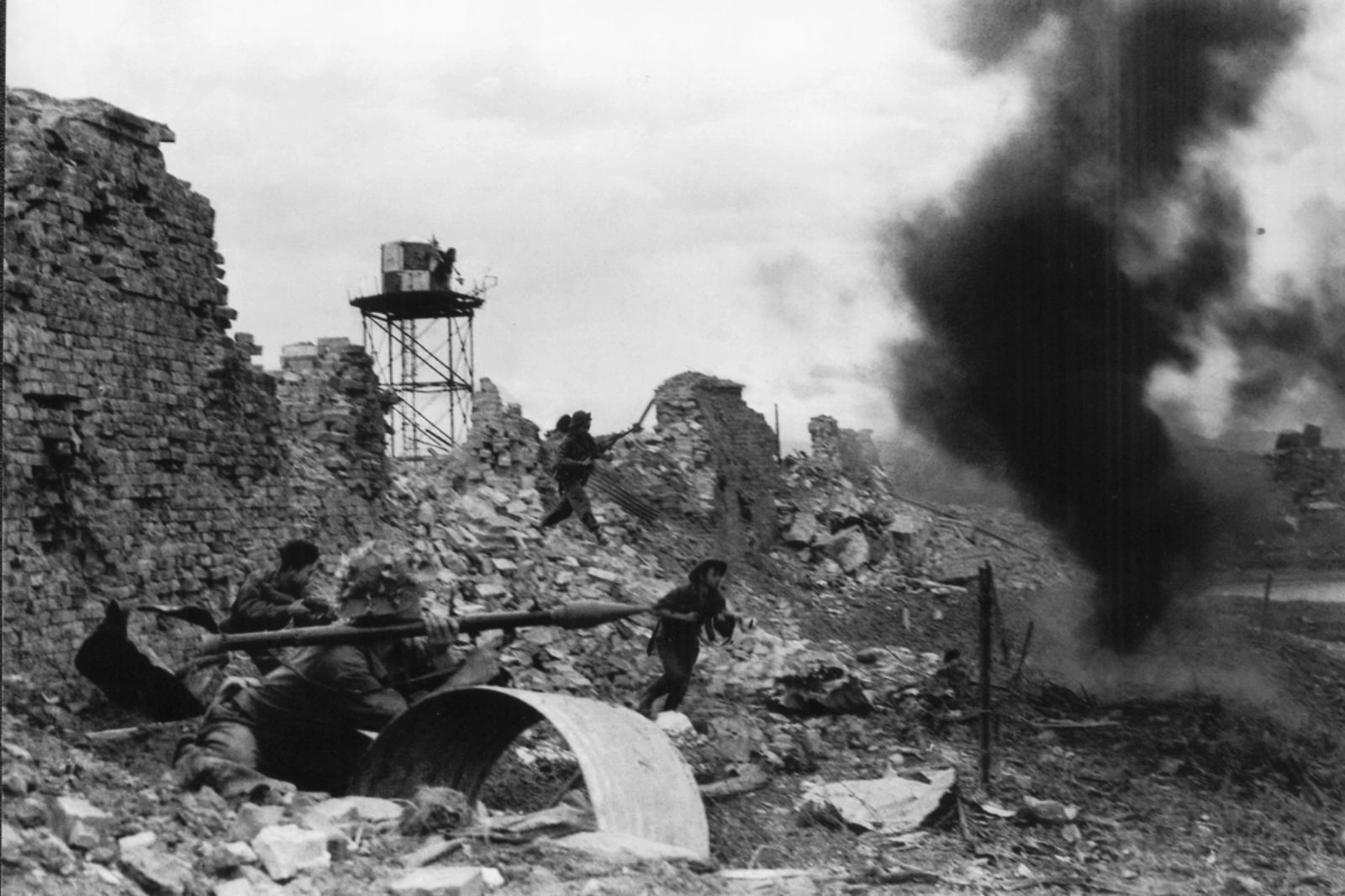
Photo: Soldiers still in their twenties