When Was Quang Tri Ancient Citadel Built - Construction and Development Process
Central
Quang Tri
Quang Tri Ancient Citadel
Sovaba.travel
Updated at: 24/09/2026
1. When was the Quang Tri Ancient Citadel built?
Quang Tri Ancient Citadel is a historical monument built under the Nguyen Dynasty, marking an important milestone in the military and administrative fortification system of the country at that time. According to historical records, in the early 19th century, the citadel was originally built in Tien Kien Ward (now Trieu Thanh Commune, Trieu Phong District, Quang Tri Province). In 1809, under the reign of King Gia Long, the citadel was relocated to its current position in Thach Han Commune (now Ward 2, Quang Tri Town). During the initial phase, the structure was built with earth to meet the defensive and administrative needs of the region.
In 1837, under the reign of King Minh Mang, Quang Tri Ancient Citadel was rebuilt solidly with fired bricks. The completion process lasted nearly 28 years, from 1809 to 1837. With its strategic location, the citadel served as both the administrative center of Quang Tri Province and a vital military defense line protecting the north of Phu Xuan Imperial Capital (Hue).
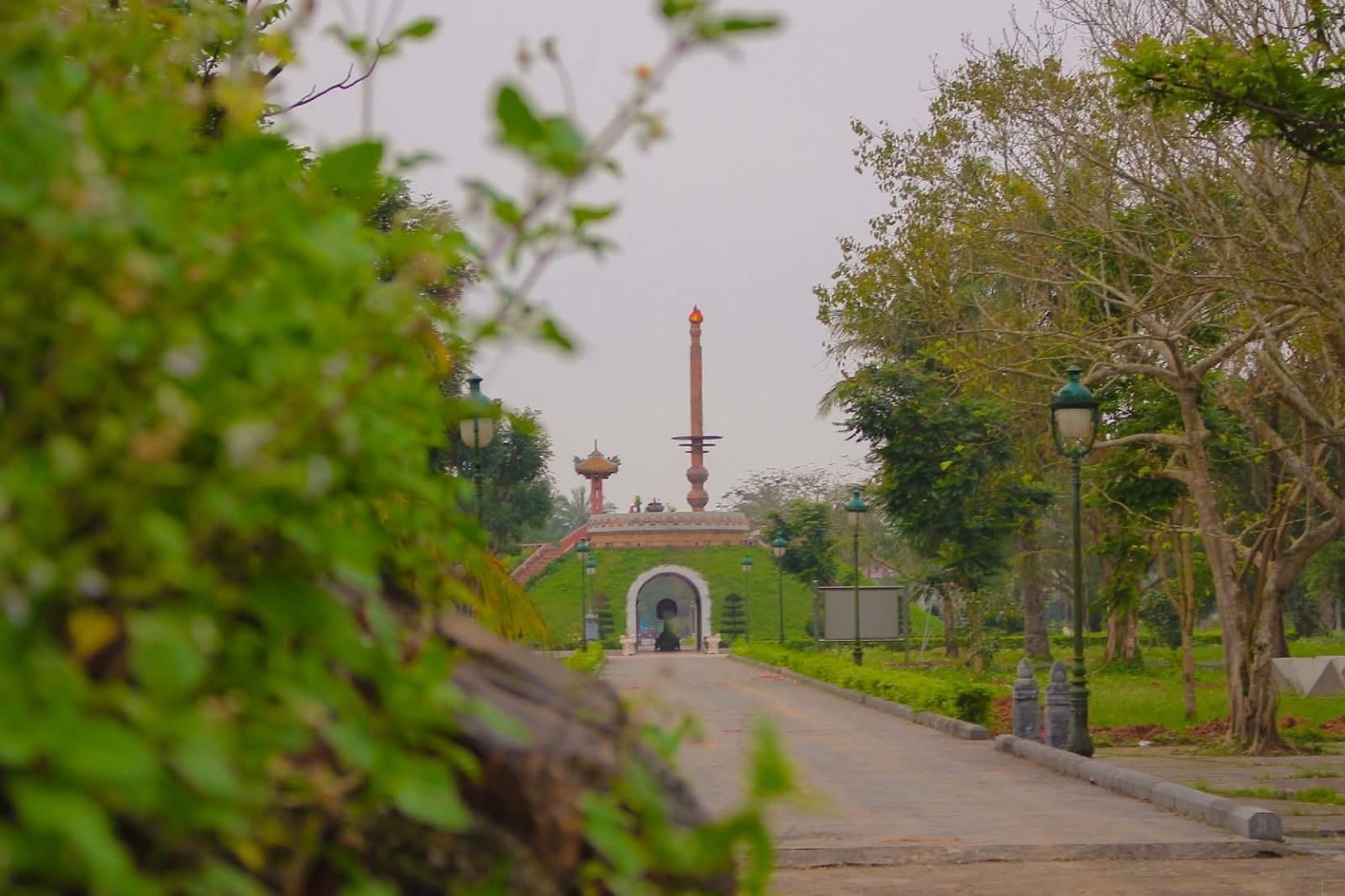
Photo: A living testament to history
2. The construction process of the Quang Tri Ancient Citadel
The construction of Quang Tri Ancient Citadel took place in two main phases, reflecting a significant investment in labor and materials by the Nguyen Dynasty.
Initial Construction Phase (1809): The citadel was built with earth in a simple style for urgent military purposes. The new location in Thach Han was chosen for its strategic terrain near the Thach Han River, allowing easy defense and transportation. Construction began in August 1801 at the former site, but it was not until 1809 that it was officially relocated and built at the current location.
Completion Phase (1837): Under the reign of King Minh Mang, the citadel was rebuilt with fired bricks, using binding techniques with lime, molasses, and traditional additives. This made the citadel stronger and more resistant to attacks. This process took about 28 years, involving thousands of local workers and royal soldiers. The citadel had a square shape with a perimeter of over 2,000 meters, a height of over 4 meters, and a base thickness of over 12 meters, ensuring high defensive capability.
The construction process not only focused on architecture but also integrated a surrounding moat system and four projecting bastions at the corners, in the style of traditional Vietnamese fortresses. This made the Ancient Citadel a typical work of 19th-century military architecture.
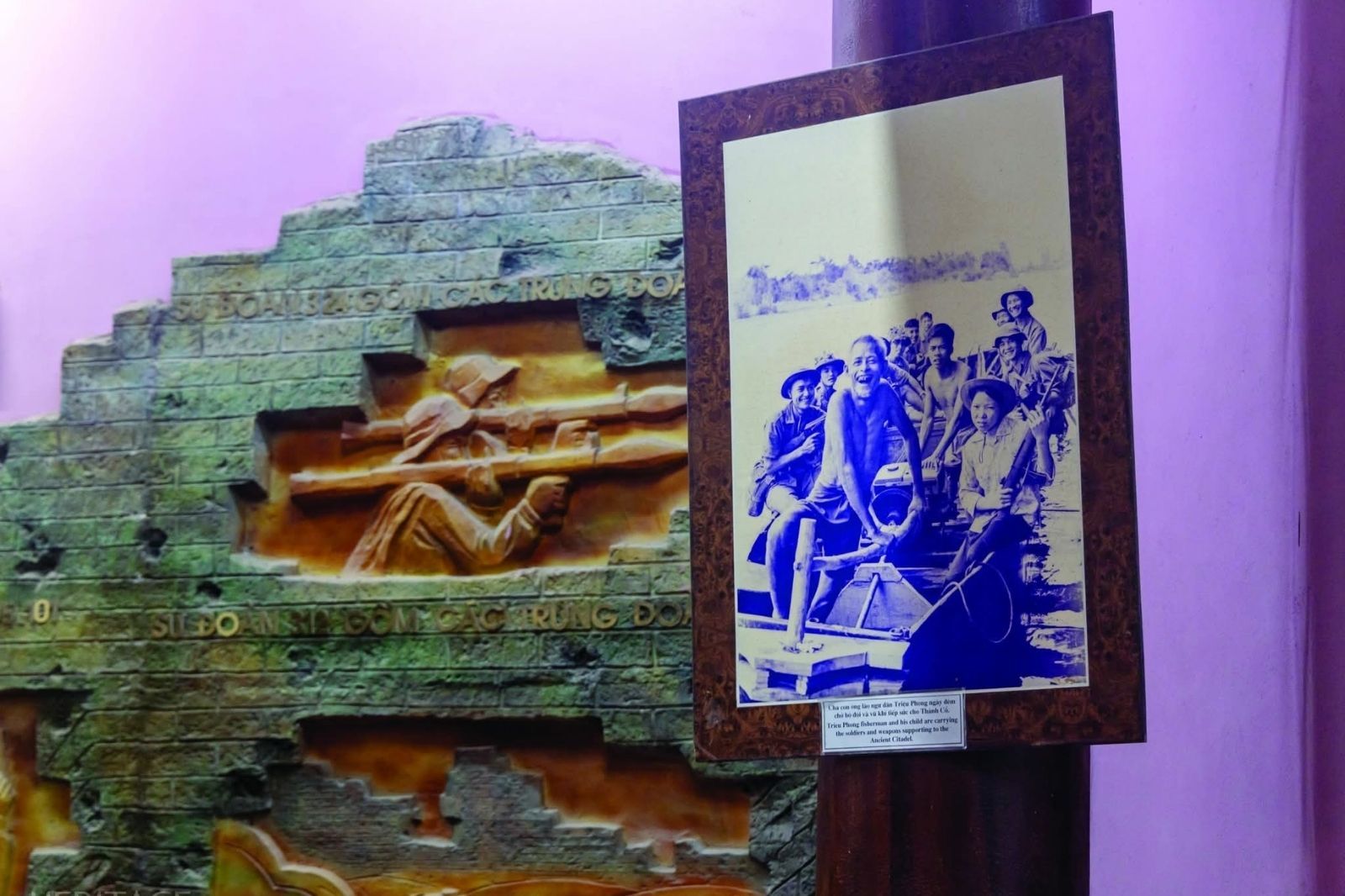
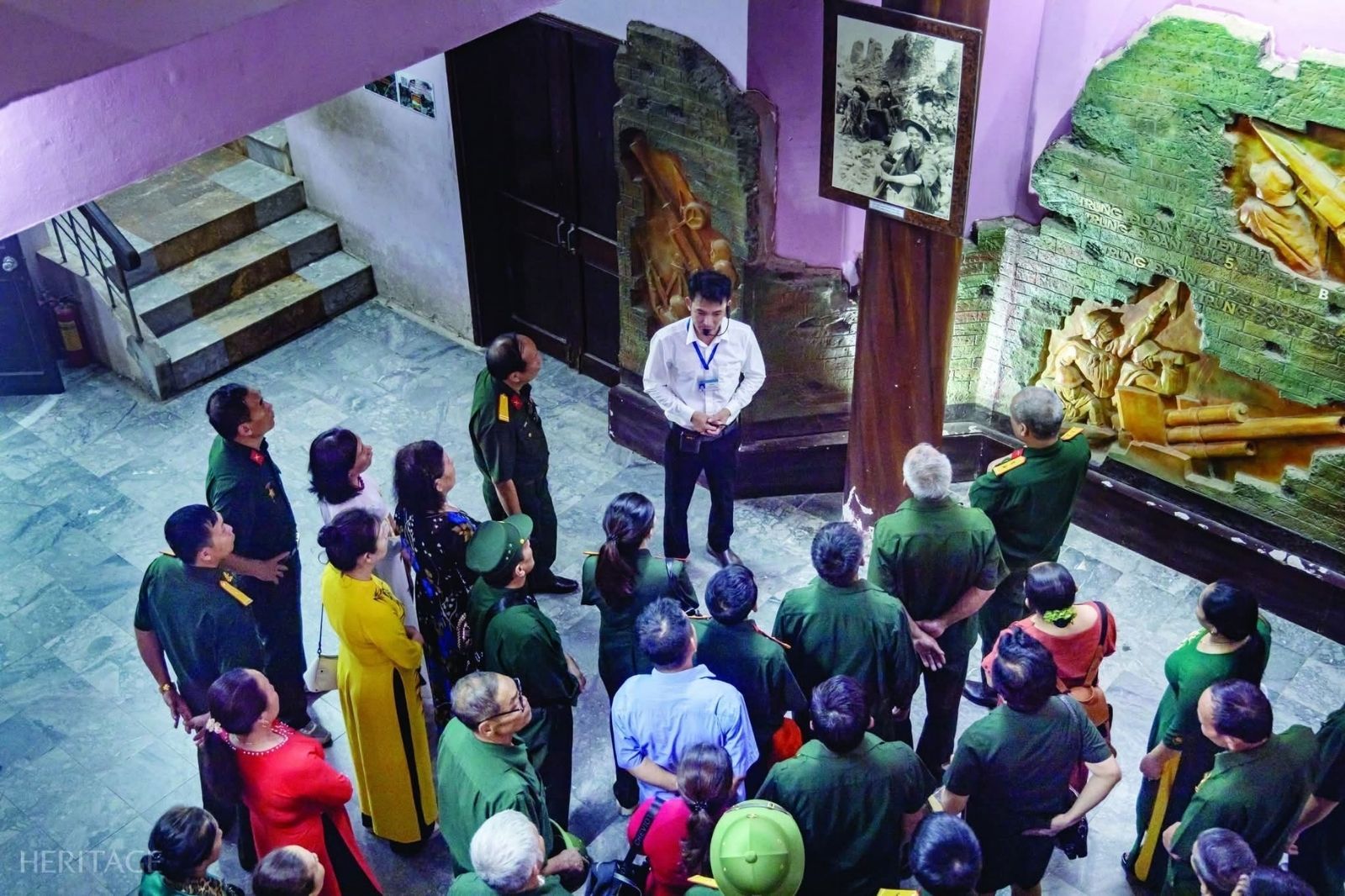
Photo: A corner inside Quang Tri Ancient Citadel Museum
3. The development of the Quang Tri Ancient Citadel through different periods
Quang Tri Ancient Citadel is an important historical relic closely linked to many stages of the country's development and changes. Over time, it has transformed from a military structure and administrative center into a historical site of memorial and traditional educational significance.
The Nguyen Dynasty (1809-1945): The citadel served as the administrative headquarters and military fortress governing the Quang Tri region. It witnessed the transition from earthen structures to fired bricks and was used as an administrative center under the imperial capital of Hue.
The French Colonial Period (1929): The French colonialists built a prison inside the citadel to detain political prisoners, turning it into a symbol of colonial oppression.
The Vietnam War Era (1968-1972): The Ancient Citadel became a fierce battlefield, especially in the 1968 battle and the 1972 Spring-Summer Campaign with 81 days and nights of intense fighting between the Liberation Army of South Vietnam and the US-Republic of Vietnam alliance. The citadel was razed by bombs and shells, leaving only a few sections of wall and the East Gate.
Post-1975 and Modern Era: Since the 1990s, Quang Tri province has restored and rehabilitated the citadel, building the 81-day-and-night memorial, a museum, and turning it into a historical park. In 1986, the citadel was classified as a National Relic, and is now a Special National Relic covering an area of 25 hectares.
Today, Quang Tri Ancient Citadel is not only the remnant of an ancient fortress but also a symbol of history, sacrifice, and the desire for peace, attracting many tourists and younger generations to visit and learn about the nation's past.
Photo: Thousands of soldiers sacrificed their lives in this battle
4. The distinctive architecture of the Quang Tri Ancient Citadel
The architecture of Quang Tri Ancient Citadel follows the Vietnamese fortress style, combined with European defensive elements of the colonial period.
Overall form: Square shape, perimeter of 2,160 meters, height of 3-4 meters, base thickness of 13.5 meters, top thickness of 0.72 meters.
Main structure: Four main gates facing East, West, South, and North; a surrounding deep moat system; four corner bastions for placing cannons.
Materials: Fired bricks bound with lime and molasses, ensuring high durability.
After restoration, the citadel keeps its war scars intact, with concrete paved grounds and green grass plots, creating a solemn space.
5. Important historical events associated with the Quang Tri Ancient Citadel
Quang Tri Ancient Citadel is a landmark marking many important historical events in the nation's resistance wars. These events have contributed to the special historical value of the relic site today.
The Battle of 1968: During the 1968 Tet Offensive, Quang Tri Ancient Citadel became one of the locations of fierce fighting. Many structures were heavily damaged by bombs and artillery during the hostilities.
The 81 Days and Nights Campaign (June 28 – September 16, 1972): This is the most famous and fiercest battle associated with Quang Tri Ancient Citadel. For 81 days and nights, the Liberation Army forces fought resiliently against powerful offensives by the US and Republic of Vietnam forces, supported by B-52 bombers and naval gunfire. Thousands of soldiers sacrificed their lives here, and these events played an important role in leading to the 1973 Paris Peace Accords.
Post-War Era: After 1975, the Ancient Citadel area was restored and turned into a historical memorial site. Many war relics, such as letters, personal items, and weapons, are preserved and displayed in the museum, helping visitors better understand the country's turbulent historical period.
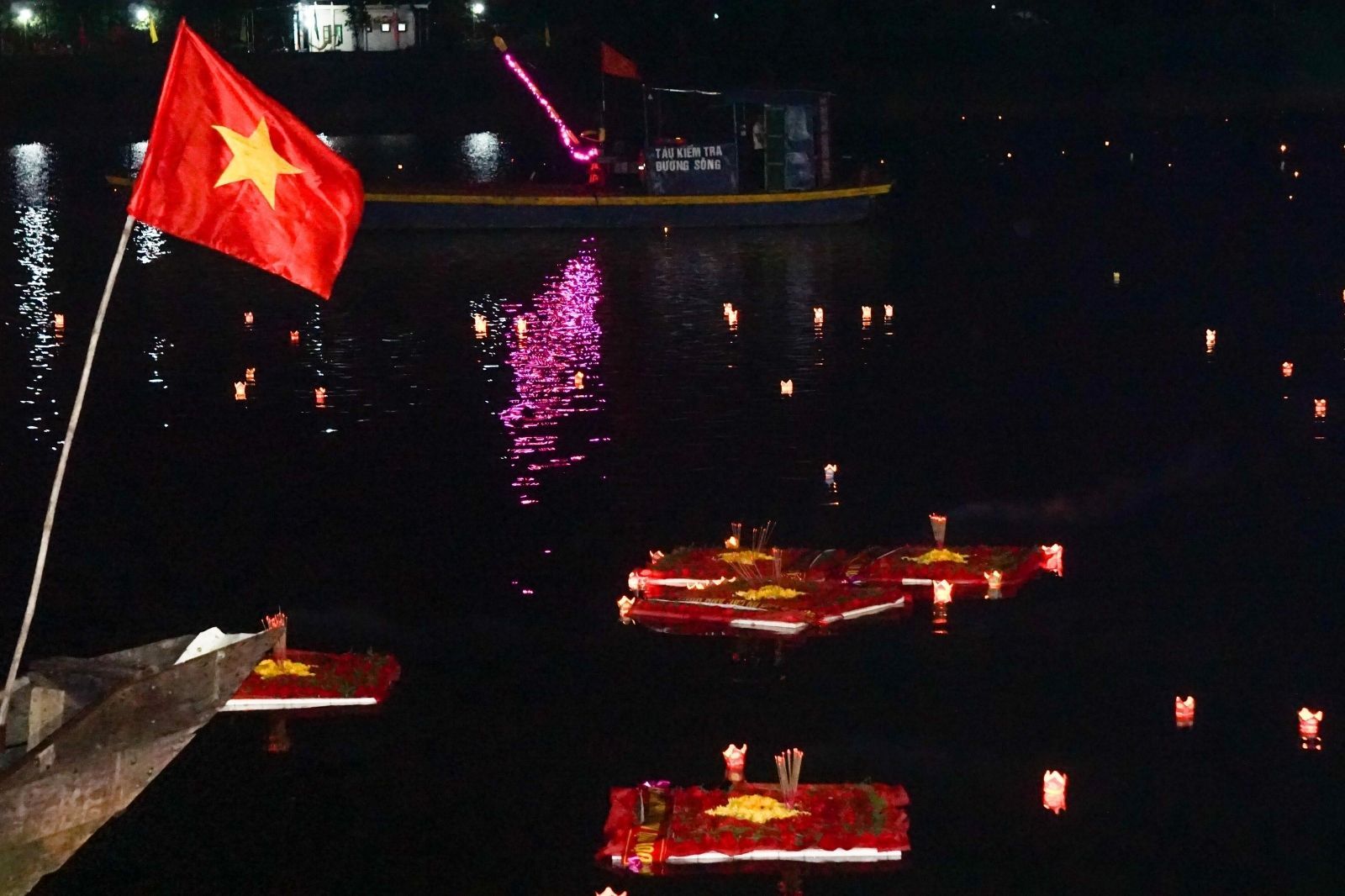
These historical milestones have made Quang Tri Ancient Citadel a place of deep spiritual significance, where the sacrifices of previous generations are remembered and the value of peace today is reminded.
Photo: Releasing flower lanterns on Thach Han River
Spanning over two centuries of existence, Quang Tri Ancient Citadel is not only a military architectural work of the Nguyen Dynasty but has also become a historical symbol associated with key phases of the country. From a fortress protecting the northern region of Hue capital, this place has witnessed many historical events, especially the fierce battles during the Vietnam War. Today, Quang Tri Ancient Citadel is a place of remembrance and traditional education, attracting many tourists and younger generations to learn about history and pay tribute to those who sacrificed for national independence.
If you want to fully explore Quang Tri Ancient Citadel and better understand the historical stories behind the relic, you can join the Quang Tri Ancient Citadel tour with Sovaba Travel. The tour itineraries are rationally designed, combining visits to many prominent landmarks of Quang Tri such as Truong Son National Martyrs Cemetery or Hien Luong Bridge, accompanied by knowledgeable tour guides, making your trip more meaningful and profound.