Minh Hoa Sac Bua Singing - Quang Binh: The Soulful Rural Melody

Central

Quang Binh

Sovaba.travel

Updated at: 24/09/2026

1. The national soul in Minh Hoa's Sac Bua singing

Sac Bua singing in Minh Hoa is a unique folk art form, distilled and handed down from the ancient Viet-Muong cultural roots. Unlike the vibrant energy of many other folk tunes, Sac Bua carries a deep, melodious rhythm, gentle and graceful like the trickling of mountain streams or the forest wind whispering through the canopy.

Sac Bua verses often resound during Tet holidays, the March Full Moon Festival, or joyous events like housewarming celebrations and longevity wishes. The lyrical content is filled with blessings of peace, wishes for bountiful harvests, warm and prosperous families, while dispelling bad luck and evil spirits.

“Softly and tenderly, expressing deep affection,  

Listen quietly as we introduce the drum rhythm,  

We perform Sac Bua on New Year's Eve…”

Those rustic verses, like a fragrant cup of Minh Hoa's doac wine, intoxicate you the moment they touch your lips and calm your mind as soon as you listen. According to local artisans, Sac Bua singing is not just a performing art, but also possesses spiritual depth—a ritual sending human aspirations to the gods and ancestors to pray for protection and blessings for a peaceful, fulfilling new year.
2. Unique features of Minh Hoa's Sac Bua singing

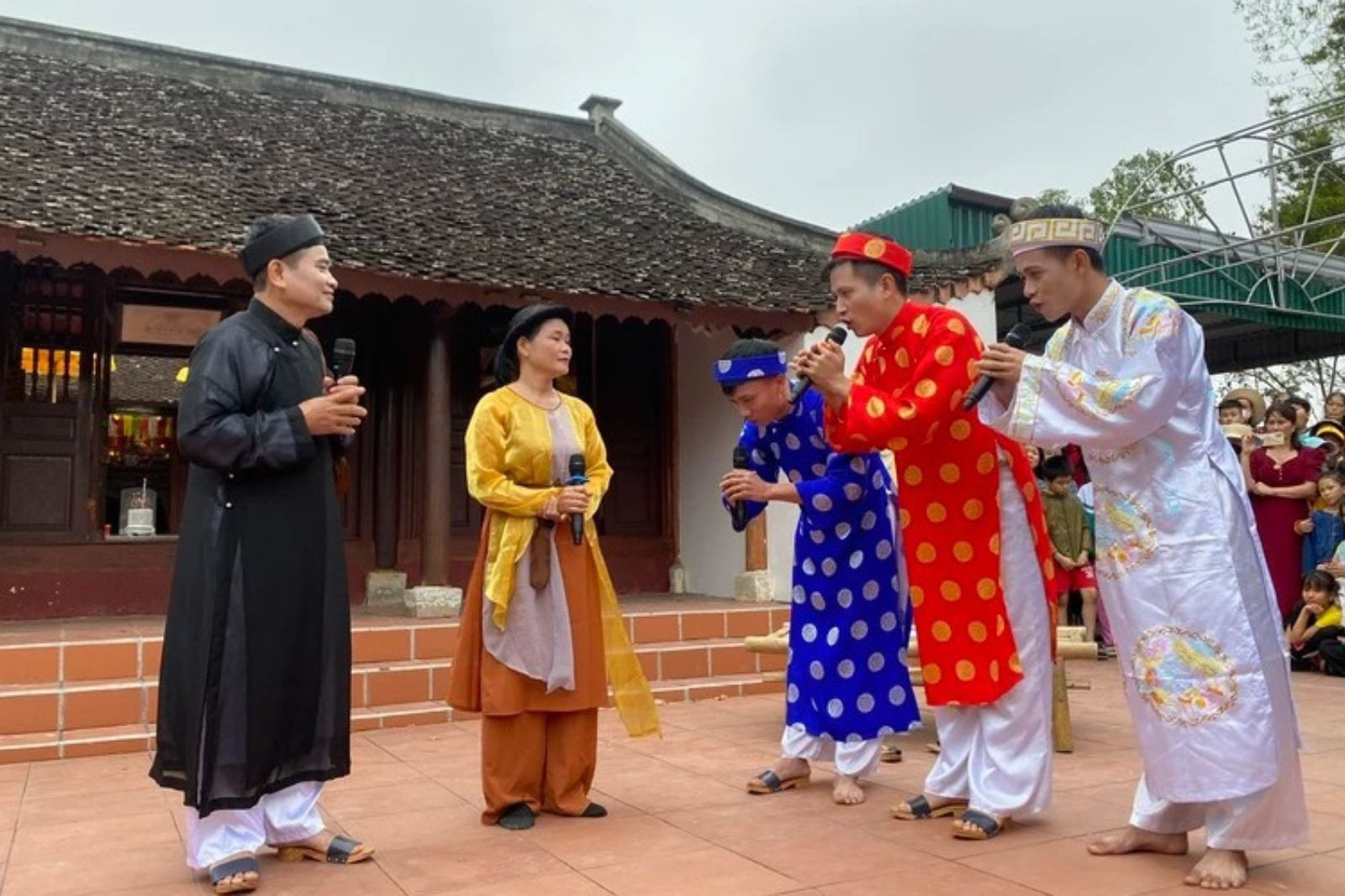
Compared to Sac Bua singing in other regions such as Phu Le (Ben Tre) or Ky Anh (Ha Tinh), Minh Hoa Sac Bua singing bears a distinct, uniquely mountainous mark. While in the plains, singing groups usually consist of both men and women, in Minh Hoa, according to traditional beliefs, only men are permitted to sing New Year blessings. The local people believe that the powerful voices of men bring prosperity and smooth fortune to the host, much like the spring breeze spreading fragrance everywhere.

The accompanying musical instruments are also a unique highlight. The small rice drum (trong com) made of jackfruit wood and covered with monitor lizard skin produces a crisp, tight sound, combined with the clack of old bamboo clappers and cymbals to create a rustic yet captivating ensemble. These instruments not only maintain the rhythm but also act as companion "friends," helping artisans elevate their performance in every verse.

Musical instruments that harmonize the melody with the lyrics
Photo: Musical instruments that harmonize the melody with the lyrics

Unlike the custom of singing all night long in the plains, in Minh Hoa, Sac Bua singing usually takes place in full daylight. A singing session in the past was divided into three structured parts: first, warming up at the gate to invite the host; second, the main section delivering long, wish-filled blessing songs; and finally, the conclusion expressing heartfelt gratitude. Each part unfolds like a poetic story, echoing in tune, opening hearts with every drumbeat and song, softly spreading and seeping into listeners' hearts like cool spring water.

3. Sac Bua singing - National Intangible Cultural Heritage

In 2024, the Sac Bua singing of Minh Hoa and Dong Hoi City, Quang Binh, was recognized by the Ministry of Culture, Sports and Tourism as a National Intangible Cultural Heritage. This is an important milestone, affirming the historical and cultural value of this art form. Sac Bua singing is not only the pride of the Minh Hoa people, but also a cultural bridge between the Viet and Muong communities, preserved and developed over generations from Hoa Binh, Thanh Hoa, and Nghe An down to Quang Binh.

However, like a small flame in the wind of integration, Minh Hoa Sac Bua singing faces the threat of fading away. The younger generation, caught up in the fast pace of modern life, shows little interest in learning and passing down ancient tunes. Senior artisans like Mr. Cao Tien Quyen or Mrs. Truong Thi Phuong, despite being nearly 80 years old, still tirelessly sing, but their strength is gradually waning. This poses an urgent question: how can we preserve the soul of this heritage in the digital age?

4. Sac Bua singing in the Minh Hoa March Full Moon Festival

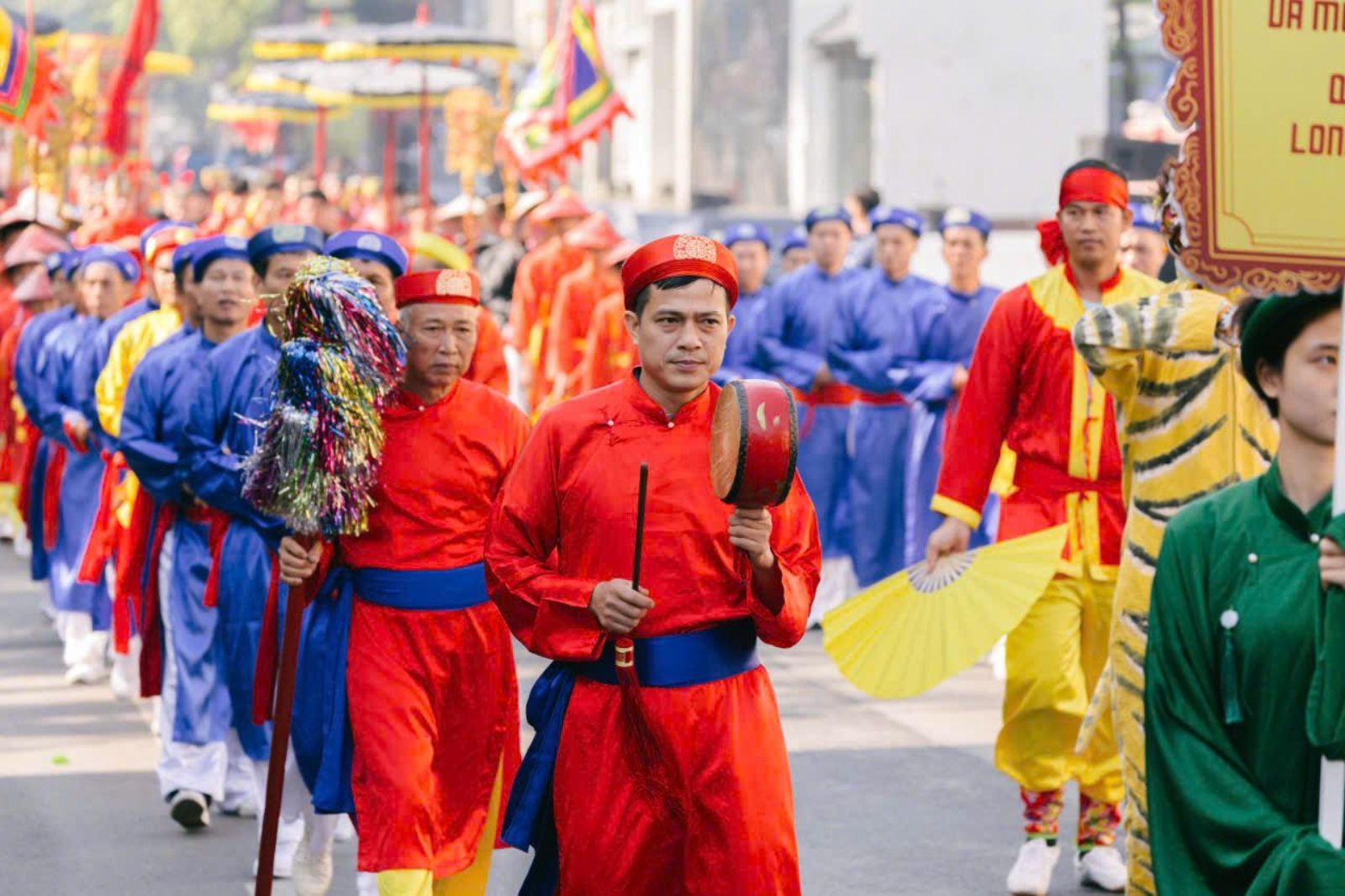
If you have the chance to visit Minh Hoa during the March Full Moon Festival, you will be immersed in the bustling atmosphere of Sac Bua melodies. This festival, usually taking place from the 10th to the 15th day of the third lunar month, is an occasion for ethnic groups to interact, promote their culture, and attract visitors. Sac Bua singing teams from communes like Tan Hoa, Yen Hoa, or Quy Dat perform to deliver wishes of peace, leaving visitors feeling refreshed and serene.

The March Full Moon Festival features not only Sac Bua singing, but also folk performances such as "ho thuoc ca" (fish poisoning chants), Ca Tru, and food stalls offering local specialties such as doac wine, com lon, and sticky rice. Together, they create a vibrant cultural picture, making visitors feel as if they have stepped into a fairy-tale world in the heart of Quang Binh.

Sac Bua singing becomes a precious melody in modern life
Photo: Sac Bua singing becomes a precious melody in modern life 

Minh Hoa Sac Bua singing, like a quiet mountain spring amid the vast wilderness, silently nurtures the souls of generations. Each song and drumbeat that resounds is not merely music, but the voice of the heart, the breath of the land and the people in the high mountain borderlands of Quang Binh. In the rushed rhythm of modern life, that melody becomes even more precious—a gentle reminder that we truly mature only when we still know how to listen to the echoes of our roots.

Keeping Minh Hoa's Sac Bua singing echoing forever is not only the duty of the local people, but the shared responsibility of everyone who treasures Vietnamese cultural heritage. For as long as those songs echo in the mountain wind, the soul of the homeland and nation will endure through time.

Loading......

Featured destinations