Long ago, in Duong Van An's 'O Chau Can Luc', the historical milestone of Son Trach commune was recorded 465 years ago. This land gave birth to four ancient villages: Cu Lac, Phong Nha, Xuan Son, and Gia Tinh, with each name serving as an echo of the past, deeply ingrained in the memories of the local people.
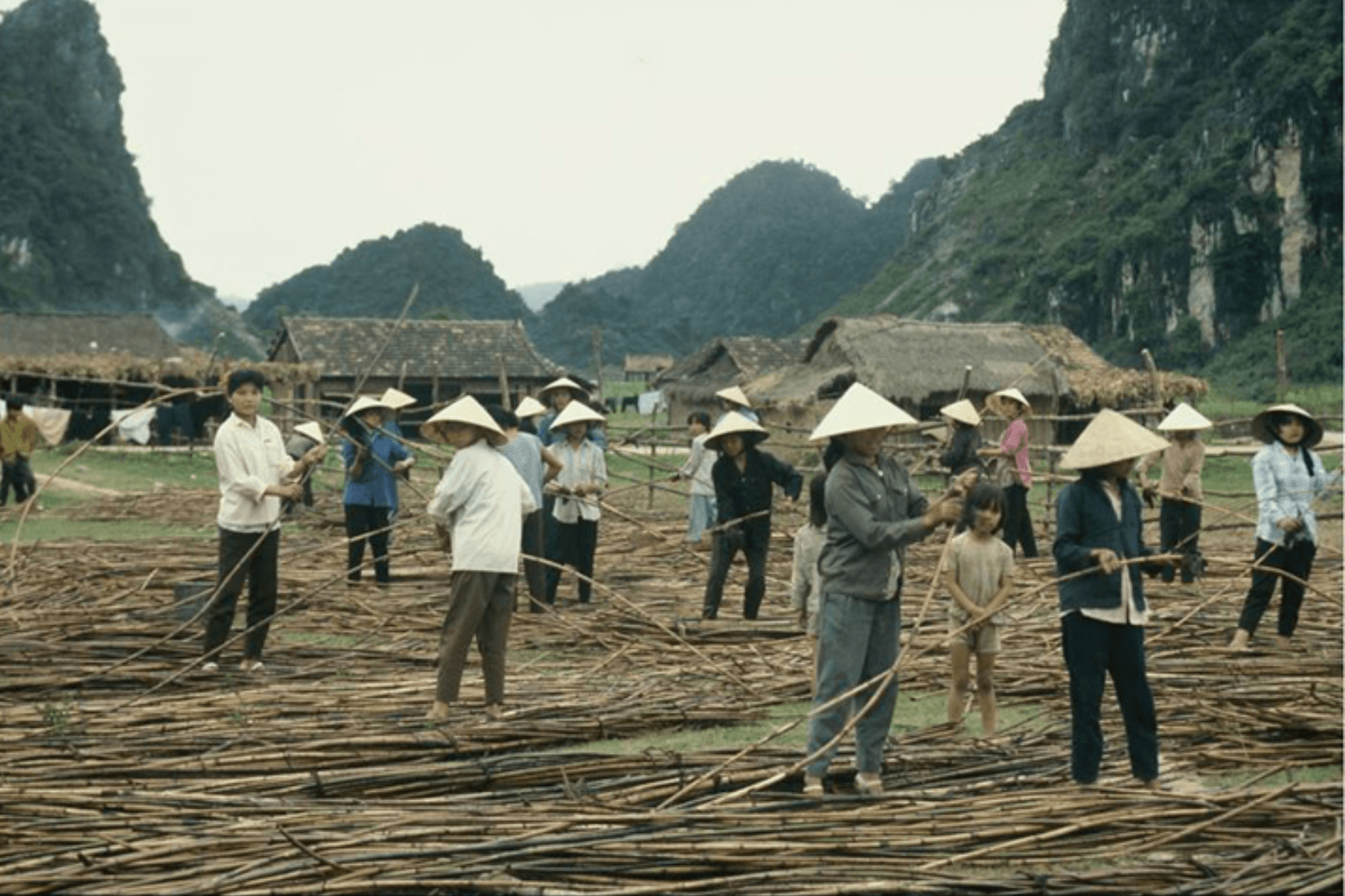
In those days, Phong Nha village was also known as Chua Nghe village, because whenever thunder struck, locals would hear sounds echoing from deep within the cave like a sacred whisper of the forest. The small village nestled at the foot of the mountain, like a sleeping child in the arms of Mother Nature. Winding red-dirt roads snaked across hill slopes; during the dry season, dust billowed into the sky, while the rainy season turned them into muddy streams, leading to simple thatched-roof cottages tucked away in quiet solitude.
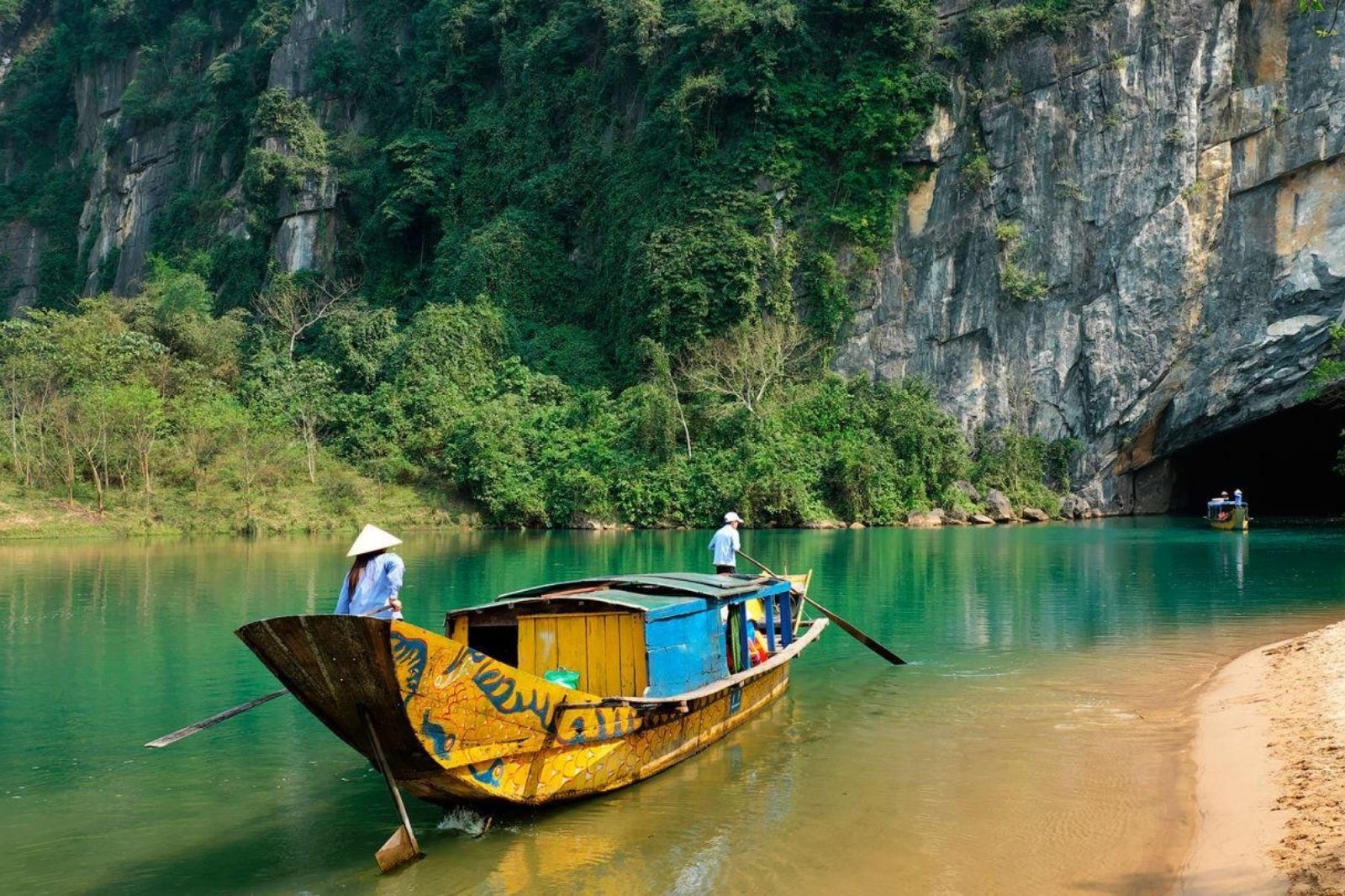
The Son River continued to flow, carrying the laughter of children, echoing chants of boatmen, and unfinished, nameless dreams. Life back then was arduous; many villagers quietly left their homeland to work far away, or ventured into the jungle searching for agarwood and digging for gold amid lurking dangers. Phong Nha Cave – a forgotten gem sleeping underground – had not yet revealed its full splendor. Darkness was the companion of glistening stalactites, like quiet tears of heaven and earth. With only flickering oil lamps, very rarely would a few curious travelers come and go, leaving Phong Nha with its mysterious beauty, like wordless music deep in the forest. Back then, Phong Nha was no different from an unwritten poem, waiting unfinished for the hand of destiny to call its name.