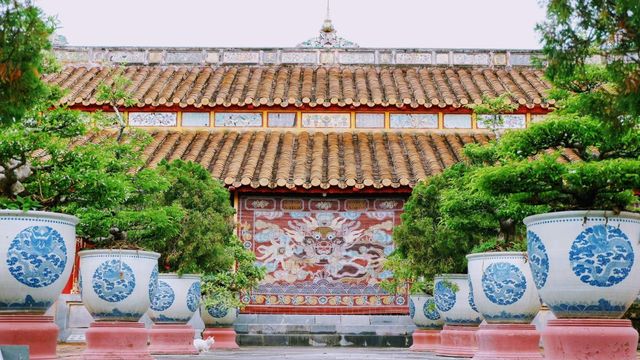
Phuoc Tich Ancient Village – A Century-Old Gem in the Heart of the Ancient Capital of Hue

Central

Thua Thien Hue

Sovaba.travel

Updated at: 09/10/2026

1. Where is Phuoc Tich Ancient Village located?

Phuoc Tich Ancient Village is situated along the O Lau River in Phong Hoa Commune, formerly of Phong Dien District and now part of Hue City. Located approximately 35–40 km north of central Hue, the village exudes the rustic charm of an age-old countryside, where emerald waters embrace antique wooden houses, shady gardens, and time-worn alleyways.

Embraced on three sides by the O Lau River, Phuoc Tich boasts a unique setting that not only offers picturesque scenery but also favored the birth and prosperity of its traditional pottery craft. Abundant water resources, waterway transport, and suitable clay deposits all contributed to establishing Phuoc Tich pottery as a distinctive hallmark of this region.

Covering an area of around 49 ha, the village still retains its tranquil rural lanes, neatly trimmed green tea hedges, verdant canopies, and ancient river landings closely tied to communal life. It is this harmonious blend of natural landscape, traditional architecture, and village lifestyle that gives Phuoc Tich its distinctive appeal—a destination for those seeking to explore the cultural depth and rustic beauty of Hue.

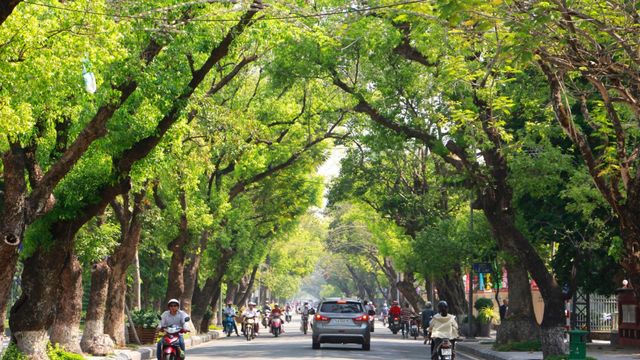
Phuoc Tich - The most beautiful ancient village in the imperial land

Photo: Phuoc Tich - The most beautiful ancient village in the imperial land

2. Over 500 years of history of Phuoc Tich Ancient Village

Established in 1470 during the reign of King Le Thanh Tong, Phuoc Tich Ancient Village has endured and flourished for over half a millennium along the O Lau River. According to local legend, general Hoang Minh Hung, a native of Nghe An, chose the Con Duong area to clear wasteland and establish a settlement following his participation in the campaign against Champa. Alongside 11 family clans, he settled here, built the village, and developed the traditional pottery craft. Later, he was venerated by villagers as the founding ancestor and craft patron, worshiped at Doi Shrine.

The village's name also reflects numerous historical milestones. Originally named Cam Quyet, also referred to as Dong Quyet, it was later renamed Phuc Giang, signifying a prosperous riverside land. During the Tay Son era, the village was called Hoang Giang before officially being named Phuoc Tich during the reign of King Gia Long. This name carries the meaning of accumulating blessings and virtues to pass down to future generations. In folklore, the village was also known as Ke Dooc, tied to its renowned pottery-making trade in the region.

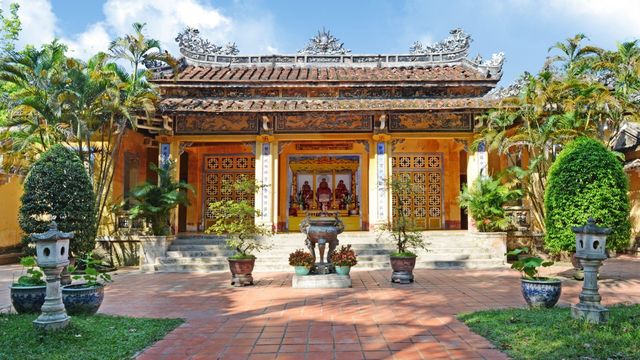
Centuries-old wooden houses in the ancient village

Photo: Centuries-old wooden houses in the ancient village

Through the vicissitudes of history, Phuoc Tich has preserved its traditional village layout featuring antique wooden houses, communal houses, pagodas, shrines, and spiritual structures bearing deep cultural hallmarks. Several relics also reflect cultural crossroads across different eras, further enriching the village's heritage value.

In 2009, Phuoc Tich Ancient Village was recognized as a National Architectural and Artistic Monument, acknowledging the historical, architectural, and cultural values safeguarded across generations. Today, heritage preservation combined with sustainable tourism is opening up opportunities for Phuoc Tich to maintain its identity while introducing the ancient village's charm to both domestic and international travelers.

3. Discovering the architecture of antique wooden houses in Phuoc Tich Village

When mentioning Phuoc Tich Ancient Village, the most memorable impression for many visitors is the antique wooden houses (nha ruong) nestled amidst lush green gardens, quietly preserving the lifestyle of Hue people across generations. Weathered tiled roofs, dark wooden pillars, and intricately carved details create a rustic yet elegant beauty, reflecting the distinctive traditional architectural artistry of the ancient imperial land.

Phuoc Tich still preserves many traditional wooden houses dating back over a century, several of which stand out for their exceptional architectural and artistic merit. The most prevalent layout is the three-compartment, two-wing house, featuring a framework built from durable hardwoods such as jackfruit wood and kien kien; roofs covered with flat tiles; and columns, rafters, lintels, and wall panels intricately carved. Motifs of dragons, phoenixes, and flora not only showcase the deft hands of ancient artisans but also convey the homeowners' aesthetic and spiritual beliefs.

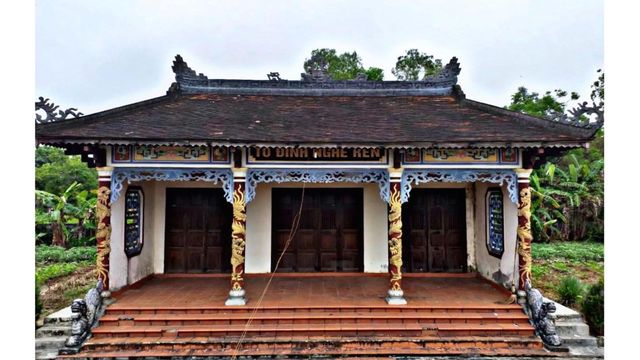
Stories of longevity in the ancient village

Photo: Stories of longevity in the ancient village

Each home is typically set within a spacious garden, fronted by a brick courtyard and enveloped by meticulously manicured green tea hedges. This layout fosters harmony between architecture and nature while reflecting the Hue people's lifestyle, which values discretion and elegance. Thus, the traditional wooden house space is not merely a residence, but a sanctuary preserving family memories, customs, and cultural heritage handed down over generations.

Alongside antique residences, the village also features a network of ancestral clan houses, a village communal house, Phuoc Buu Pagoda, Doi Shrine, and Cay Thi Shrine associated with a centuries-old gold apple tree. The presence of these monuments forms a folk architectural ensemble rich in historical and spiritual value. Strolling among the homes, gardens, and tranquil lanes, visitors can genuinely feel the charm of Phuoc Tich, where ancient architecture is preserved not only in physical structures but also lives on in the daily routine of the locals.

4. Phuoc Tich pottery craft

One of the village's most famous symbols is the ancient gold apple tree and Cay Thi Shrine, recognized as a heritage tree in 2015. The gold apple tree not only holds an important place in the spiritual life of local residents but is also intertwined with heroic historical tales. 

During wartime, the hollow trunk of the tree served as a safe haven for revolutionary cadres and local soldiers, functioning as a hiding spot for documents and a base for counteroffensives. This bears testament to the resilience and patriotism of the people of Phuoc Tich Ancient Village.

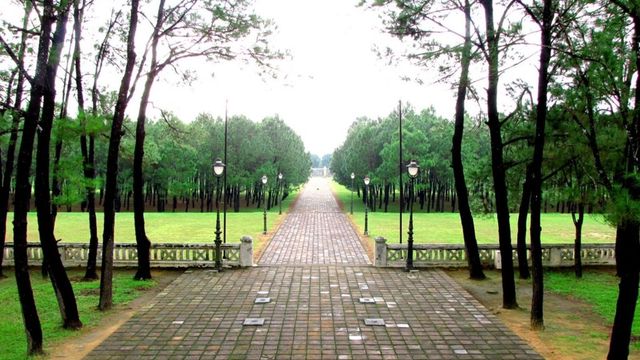
Visiting Phuoc Tich Ancient Village to explore the mysterious Cay Thi Shrine
Photo: Visiting Phuoc Tich Ancient Village to explore the mysterious Cay Thi Shrine

5. The traditional pottery village and renowned products

Phuoc Tich is also renowned for its traditional pottery craft spanning over 500 years. A unique straw-firing technique yielded distinctive ceramic wares that were once presented to the royal court for the Nguyen emperors' personal use. Most famous is the folk verse: "Phuoc Tich clay pots cook the Emperor's delicious rice, Ha Tri lotus honors the elegance of Phu Xuan," affirming the prestigious reputation of Phuoc Tich pottery in the heart of Hue.

Today, when visiting Phuoc Tich, travelers can not only admire fine pottery creations but also experience pottery-making firsthand, crafting unique pieces with their own hands to take home as souvenirs.

Heritage of Phuoc Tich pottery village
Photo: Heritage of Phuoc Tich pottery village

Amidst the hustle and bustle of modern life, Phuoc Tich Ancient Village lies quietly, like a gentle, melodious note in the symphony of imperial Hue. Here, time seems to stand still, allowing visitors to immerse themselves in the beauty of moss-covered traditional wooden houses, listen to tales of the ancient gold apple tree, and feel the pulse of an illustrious pottery craft village. Phuoc Tich is not merely a destination, but a journey into the past, where cultural, historical, and spiritual values remain intact.

To fully experience that profound, exquisite beauty, let Sovaba Travel accompany you with a Hue tour on this heritage discovery journey, ensuring that every step in Phuoc Tich becomes a memorable and emotionally rewarding experience.

Featured destinations