Quan Thang Ancient House: A 150-Year-Old Chinese Architectural Masterpiece in the Heart of Hoi An
Central
Da Nang
Sovaba.travel
Updated at: 24/09/2026
1. Where is Quan Thang Ancient House?
Quan Thang Ancient House is located at No. 77 Tran Phu Street, Minh An Ward, Hoi An City, Quang Nam Province (now Da Nang City). This is a central position in Hoi An Ancient Town, situated on the busiest street, where visitors can easily access other famous landmarks such as the Covered Bridge, Fujian Assembly Hall, or Hoi An Market. From Da Nang, you can travel by bus, taxi, or motorbike in about 45-60 minutes to reach Hoi An, and then walk or ride a bicycle (often complimentary at hotels) to explore. This location is not only convenient for tourism but also reflects the home's important commercial role in the history of the ancient port of Hoi An.
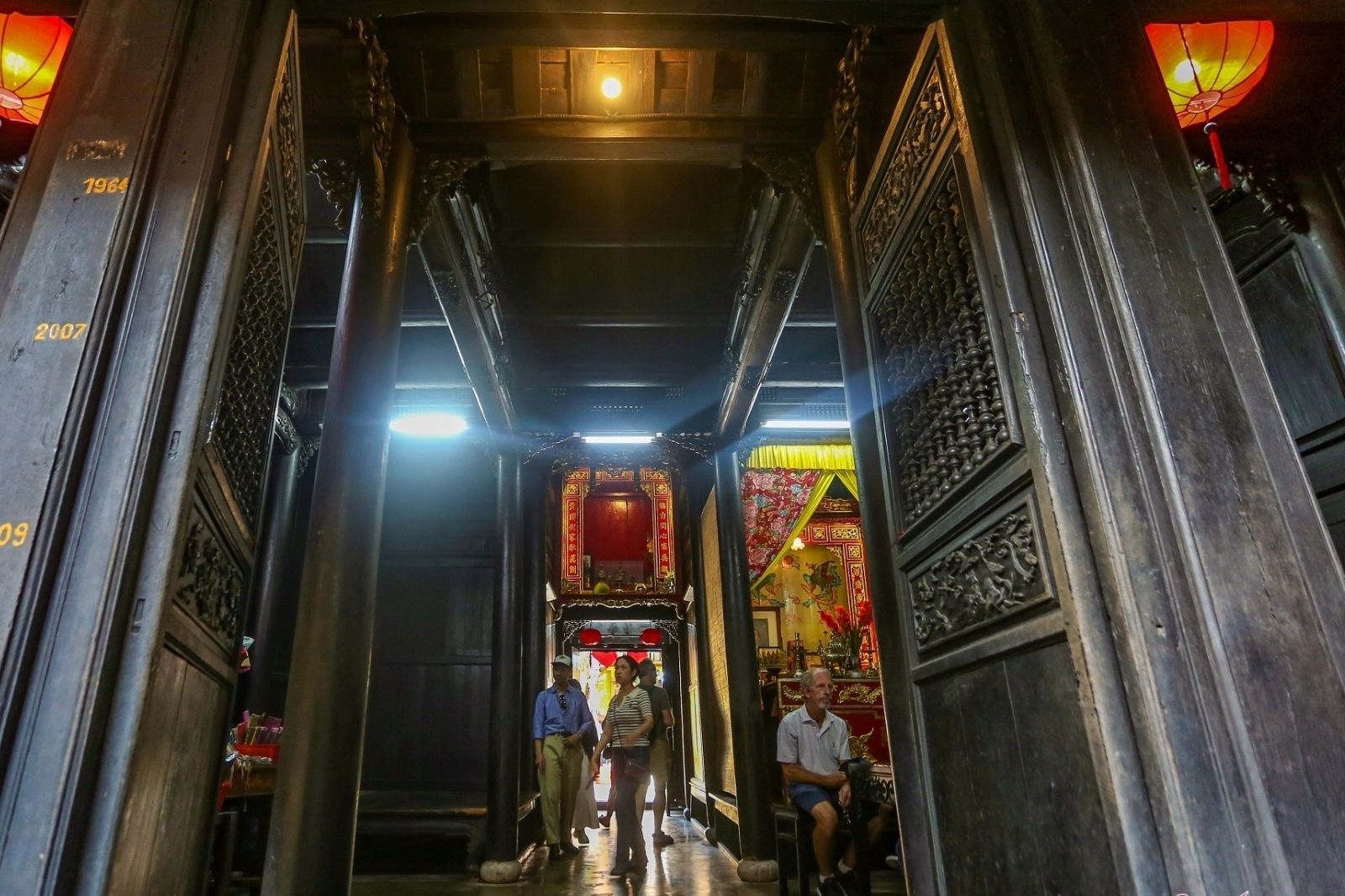
Photo: Quan Thang Ancient House in Hoi An Ancient Town
2. The history of Quan Thang Ancient House and its connection to the Chinese community
Quan Thang Ancient House was built around the late 17th or early 18th century, with an age of over 150 years (some sources estimate up to 300 years). The house was named after its first owner – Mr. Quan Thang, one of the wealthiest Chinese merchants in Hoi An at the time. Originally, this was a bustling trading shop specializing in rare goods, reflecting the prosperity of the Chinese community in Hoi An – a vibrant international trading port from the 16th to 18th centuries. The Chinese community, mainly from China, migrated here, bringing along their culture, architecture, and business skills, contributing to shaping the appearance of Hoi An today.
The house has endured many historical vicissitudes, from floods to wars, but remains intact thanks to the efforts of generations of descendants. Currently, Ms. Diep Ai Phuong – a 7th-generation descendant – manages and opens the house to visitors. Quan Thang Ancient House is not only a private monument but also a symbol of the Chinese community's deep connection with the land of Hoi An, recognized as a national heritage site in 1993 and part of the UNESCO World Cultural Heritage in 1999.
3. Architecture of Quan Thang Ancient House
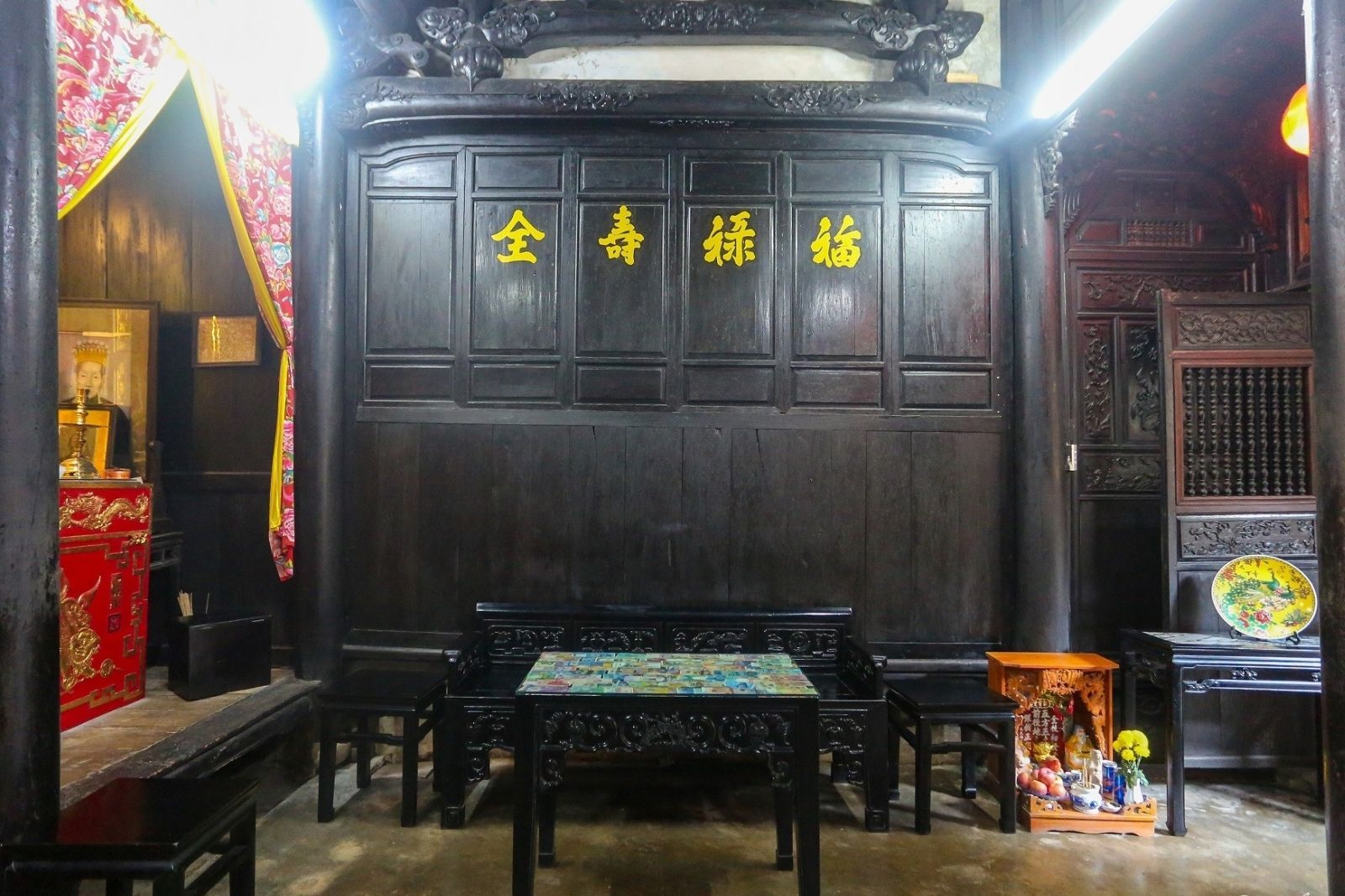
The architecture of Quan Thang Ancient House is a harmonious blend of Chinese style and traditional Vietnamese elements, creating a unique masterpiece. The house covers an area of about 300m² with a typical Hoi An tube house layout: narrow frontage but long depth, featuring intricately laid yin-yang tile roofs and rare ironwood carving details crafted by artisans from Kim Bong carpentry village.
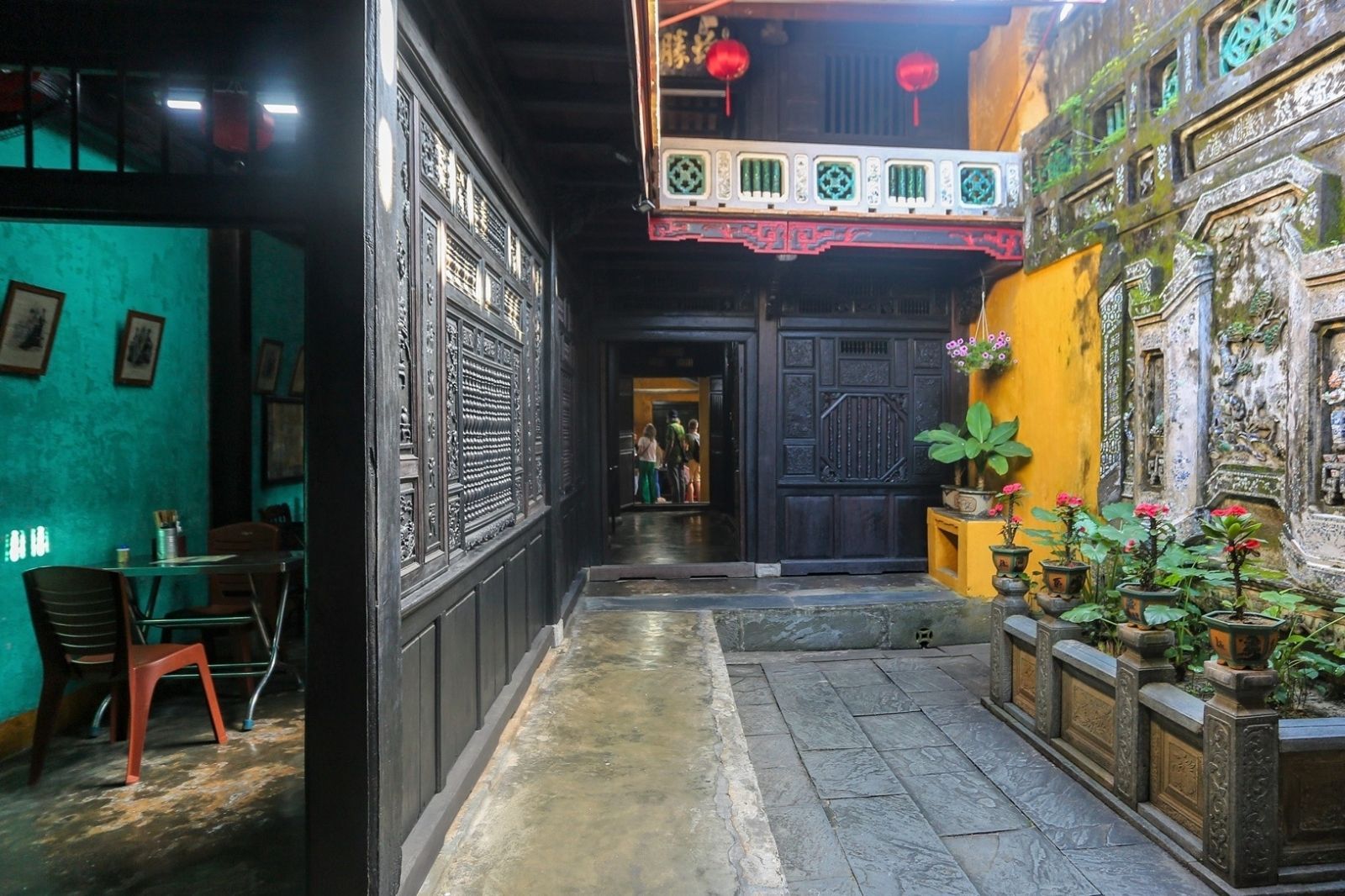
On the outside, the facade stands out with two "door eyes" (cua mat) decorated with yin-yang symbols and bodhi leaves, believed to ward off evil spirits and bring good luck—a distinctive feature unique to Hoi An. The main and side doors are made of long wooden panels that can be flexibly disassembled for displaying goods or security. Inside, the house is divided into distinct functional areas: the trading room in front, the living room with an altar facing the street, a central courtyard for natural light and ventilation, and living quarters and kitchen at the back. Pillars, horizontal lacquered boards, and parallel sentences are exquisitely carved with floral, bird, and animal motifs, reflecting East Asian wealth and aesthetics. The sturdy structural frame helps the house withstand floods—a testament to adapting to the climate of Central Vietnam.
Photo: Architecture of Quan Thang Ancient House
4. Visitor experiences at Quan Thang Ancient House
Visiting Quan Thang Ancient House offers a vivid experience like stepping back into the past. Visitors can admire hundreds of ancient artifacts, from carved wooden furniture to hand-painted artwork and silk fabrics, recreating the life of past Chinese merchants. A special highlight is watching the family make white rose dumplings (banh vac) – a Hoi An specialty prepared using a secret family recipe passed down through generations. You can observe the process of kneading dough, shaping dumplings, and even order a taste right on the spot at an affordable price.
The interior space remains cool and airy thanks to the characteristic courtyard design, providing a pleasant feeling even on hot summer days. The ideal time to visit is early morning or late afternoon, making it convenient to combine with a stroll to explore the ancient town. If you are lucky, you might even hear the family descendants themselves recount stories of historic floods, marked directly on the house walls. The average visiting time is only about 15–30 minutes, just enough to take photos and appreciate the architectural space and cultural depth. To complete your journey, visitors can combine this with nearby attractions such as An Bang Beach or VinWonders Nam Hoi An.
5. Ticket prices and tips for visiting Quan Thang Ancient House
Quan Thang Ancient House does not charge an independent entrance fee, but visitors need to purchase an entrance ticket to Hoi An Ancient Town to access it. According to updates for 2026, Hoi An Ancient Town ticket prices are as follows:
Domestic visitors: 80,000 VND/adult; free for children under 1m, 50,000 VND for children from 1m-1.4m.
International visitors: 120,000 VND/adult; children over 15 years old are charged as adults, free for those below.
The ticket includes admission to 5 sightseeing spots in the ancient town and can be purchased at counters near the intersection of Tran Phu and Le Loi streets. The house is open daily from 9:30 AM to 6:00 PM.
Tips for visitors:
Dress respectfully, avoiding revealing clothing (especially if combining with visits to temples or shrines).
Do not touch artifacts, keep quiet, and do not litter to preserve the heritage site.
Dry season (February-August): Bring sunscreen, hats, and drinking water; Rainy season (September-January): Prepare raincoats and check weather forecasts to avoid floods.
Bring cash as cards are not widely accepted; if you need a tour guide, contact local authorities for more detailed information.
Support the family by purchasing souvenirs such as dried white rose dumplings.
Photo: Visitors need to purchase an Ancient Town ticket to visit Quan Thang Ancient House
After more than a century and a half of existence, Quan Thang Ancient House is not only a beautiful architectural structure, but also a living memory of the golden era of Hoi An trading port. From intricate wood carvings and spatial layouts steeped in feng shui philosophy to distinctive Chinese cultural imprints, everything creates a rare masterpiece in the heart of the ancient town. Visiting Quan Thang Ancient House, tourists do not just "see" an old house, but also touch history, culture, and the ancient rhythm of life in Hoi An. To make your journey even more complete and profound, you can combine a visit to Quan Thang Ancient House within Hoi An travel tours organized by Sovaba Travel. With a well-planned itinerary, heritage-knowledgeable guides, and professional service, Sovaba Travel will help you experience Hoi An not just as a destination, but as a memorable cultural story – from ancient houses and Chinese assembly halls to local cuisine and daily life.