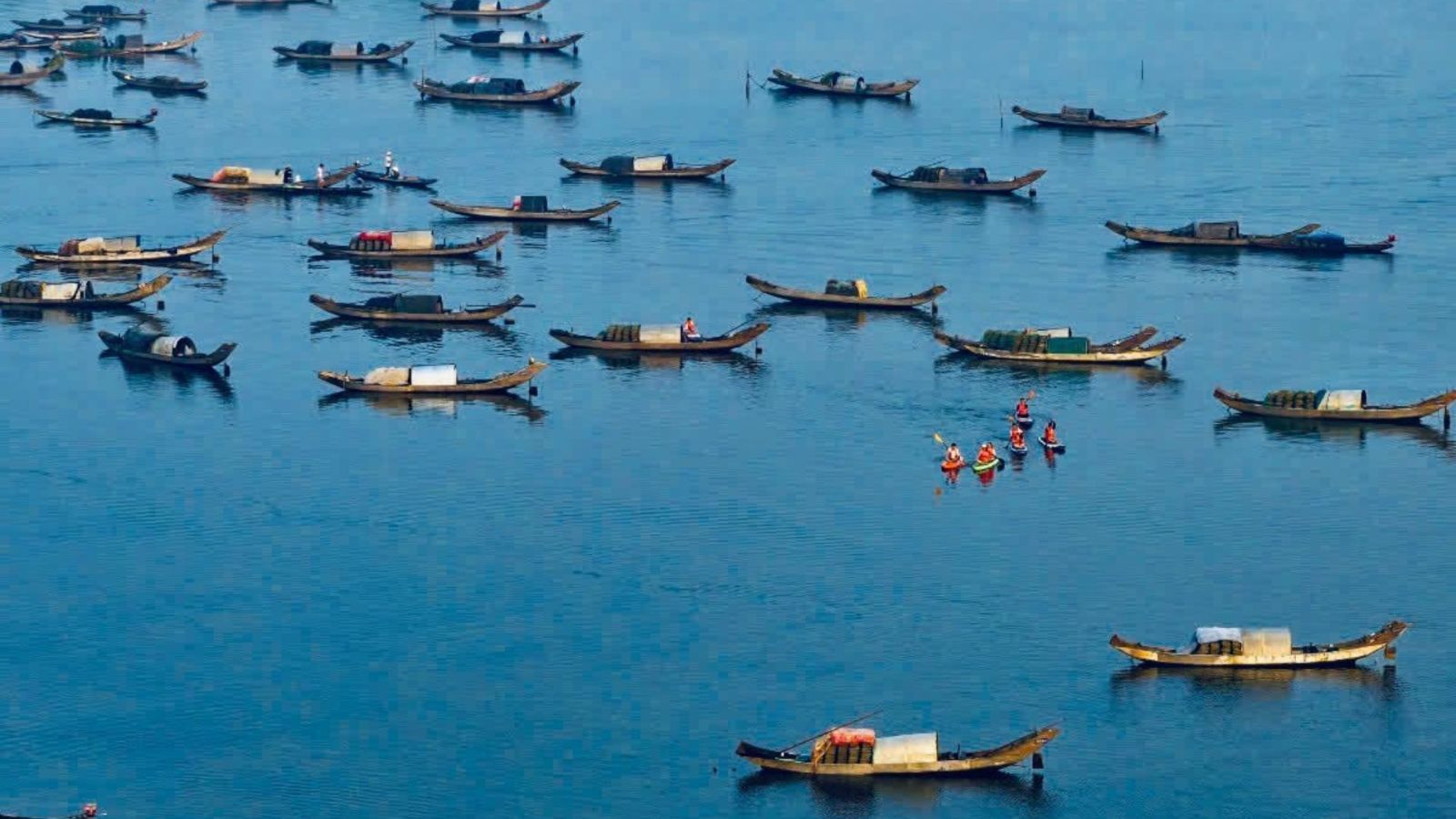
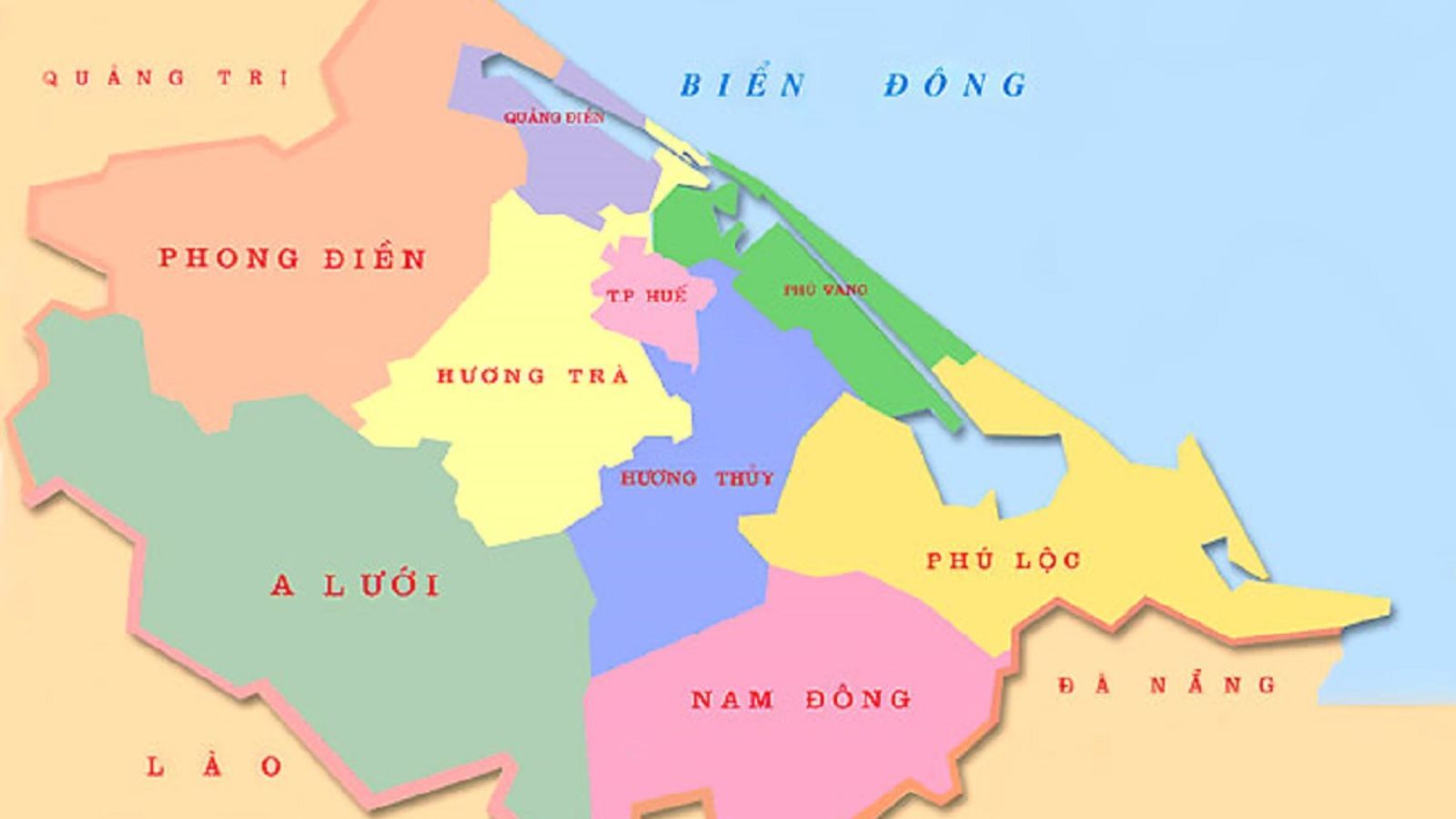
Hue – a unique cultural and historical heritage, located in Central Vietnam, lies between the majestic Truong Son mountain range and the vast East Sea, creating a stunning and diverse natural landscape. The city of Hue is embraced by the gentle Perfume River flowing through it, contributing to its poetic and peaceful charm. This position not only provides scenic advantages but also shapes the climate, culture, and lifestyle of the local people.
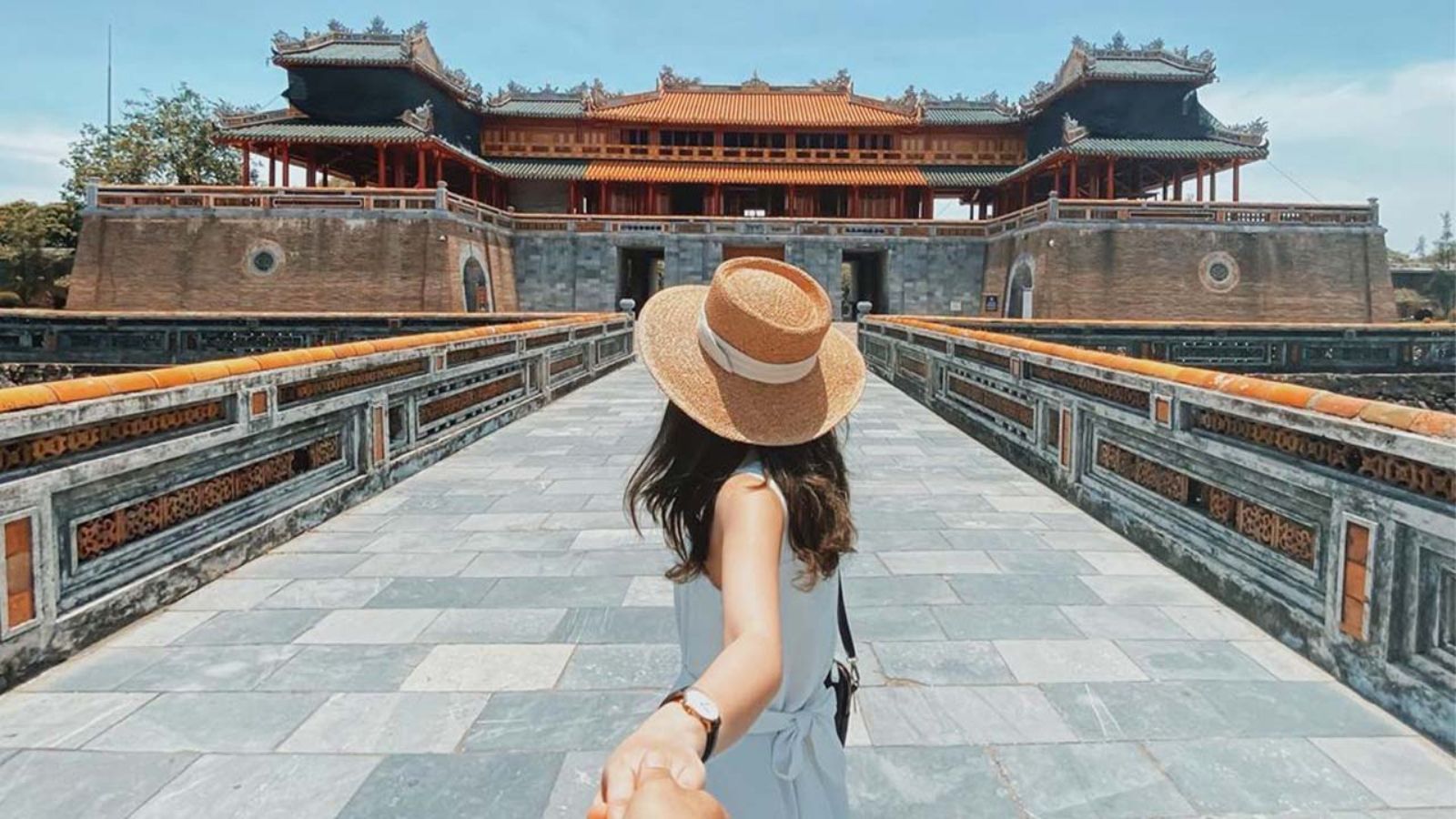
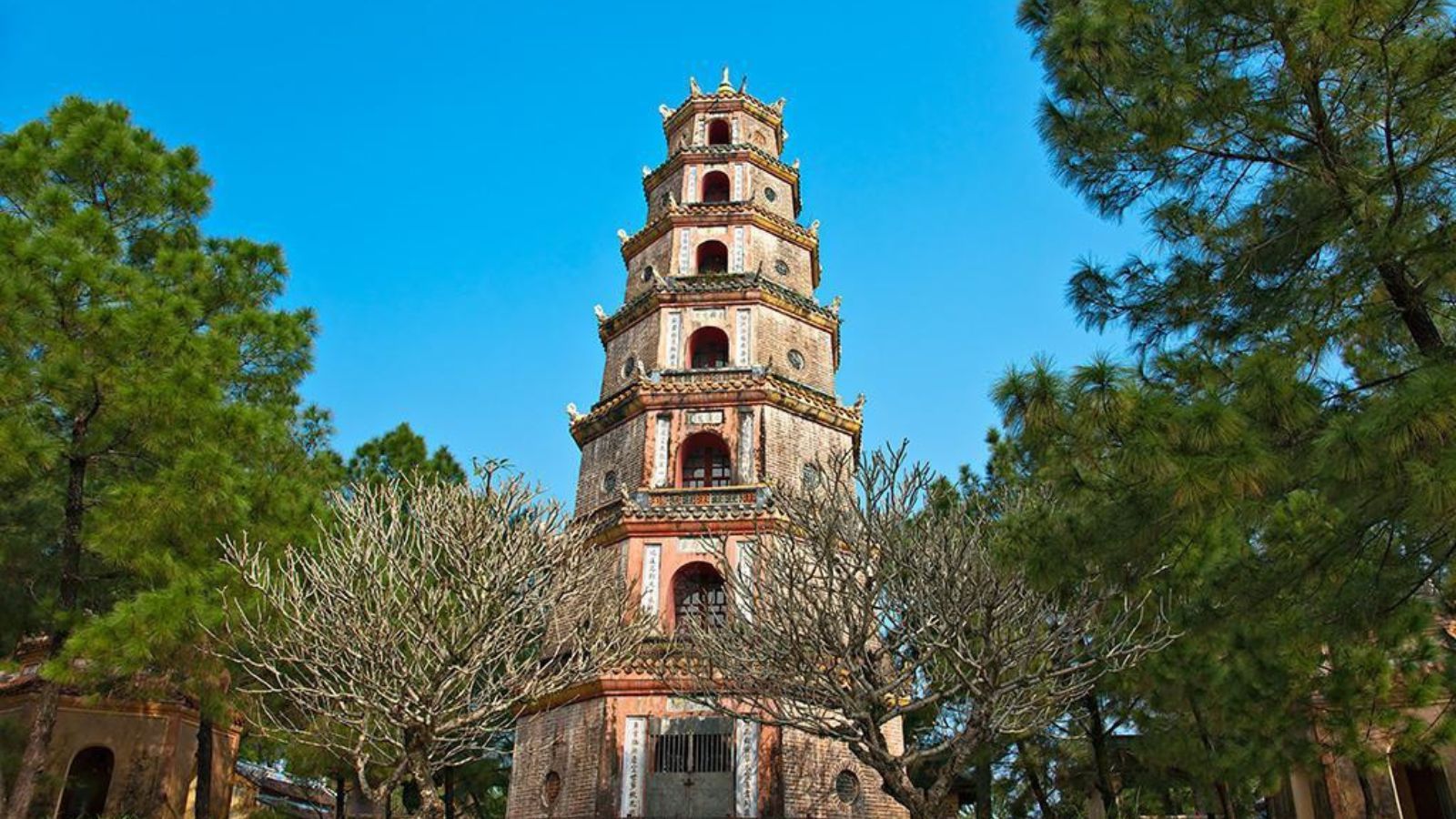
Regarding Hue's history, it was the capital of the Nguyen Dynasty, the last feudal dynasty in Vietnamese history. From the 19th century to the early 20th century, Hue served as the political, cultural, and religious center of the entire country. The Nguyen kings left a distinct mark through a complex of magnificent palaces, royal tombs, and pagodas showcasing grand architecture. Each architectural work carries the story of a historical period full of ups and downs, from times of prosperity to years of volatility and war.
Tourism in Hue attracts visitors through its harmonious blend of natural beauty and historical cultural heritage. This ancient city features not only grand palaces and tombs within the Complex of Hue Monuments recognized by UNESCO, but also carries the poetic charm of the Perfume River and Ngu Binh Mountain. Visitors to Hue can enjoy a tranquil atmosphere, completely different from the noise and bustle of major metropolises.
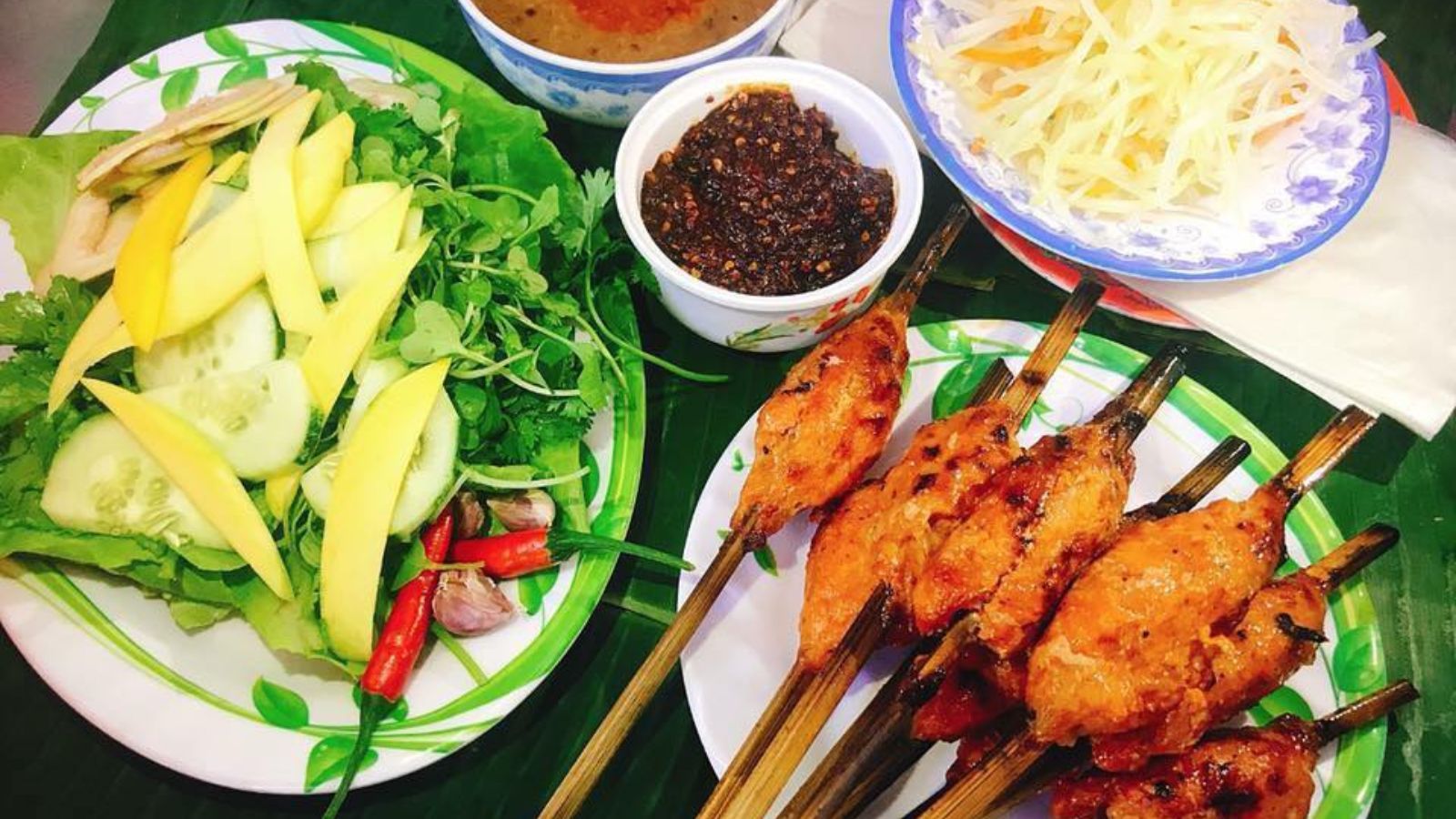
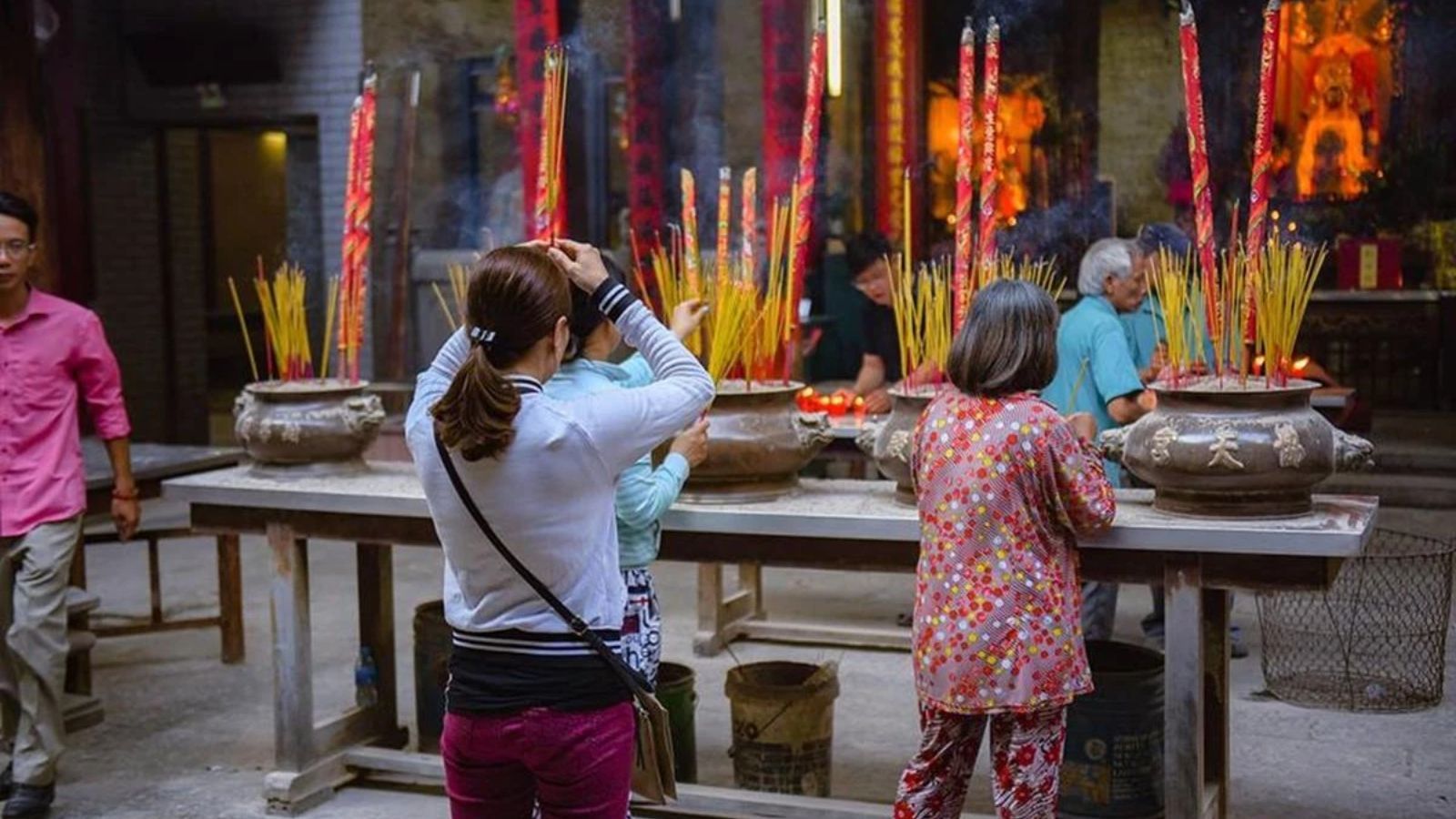
Hue is also a place where traditional cultural values are preserved, from Court Music (Nha Nhac) to folk festivals and rich culinary arts. In particular, the Hue Festival – one of the largest cultural events in the region – has turned the city into an artistic and cultural gathering point for international tourists. All these elements create a strong appeal, making Hue an ideal destination for lovers of history, culture, and natural scenery.