|

Back Home

The Ruc People – A Mysterious Tribe in the Deep Forests of Quang Binh

Central

Quang Binh

Sovaba.travel

Updated at: 31/08/2026

1. The pristine life of the Ruc people before discovery

Few people know that the Ruc people were once one of the last isolated communities in Vietnam. Before 1959, they were almost completely separated from the outside world, living in the primeval forests of Phong Nha – Ke Bang National Park, maintaining a hunter-gatherer lifestyle that had existed for centuries. The Ruc resided in caves, rock shelters, or mountain bases near natural water veins flowing from limestone mountains. It is precisely these water sources—referred to by locals as "ruc" that became the origin of the ethnic group's name.
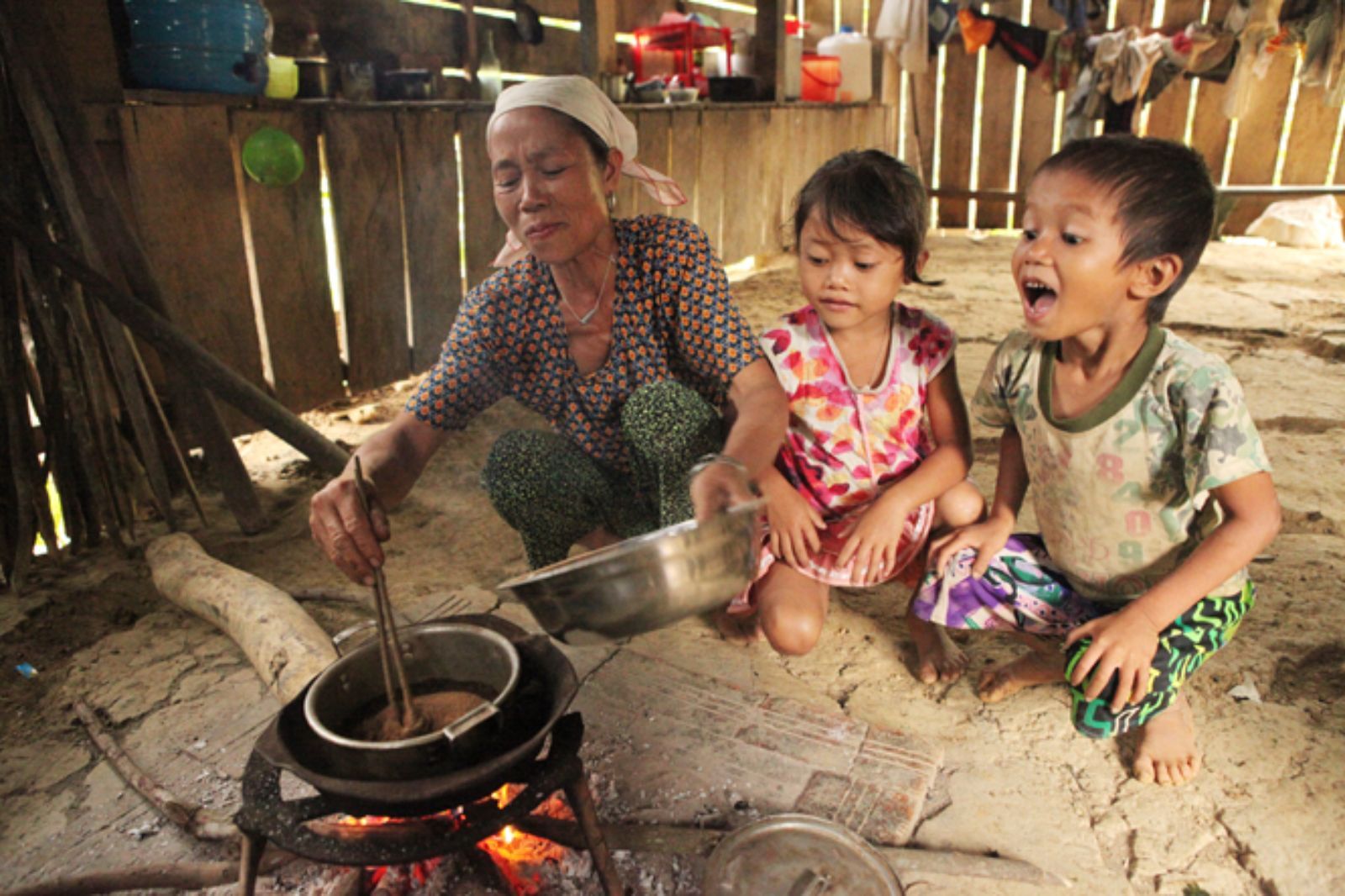
A secluded ethnic group living in the mountains and forests

Photo: The life of the Ruc people

Their lives depended entirely on nature. Their main food consisted of wild yams, sago palm powder (doac), stream fish, rock snails, and small game hunted in the forest. They had not yet learned farming, had not established a settled lifestyle, and still preserved many primitive customs such as striking stones and iron to make fire, using fire for warmth, and keeping wild beasts and insects away. By late 1959, during a patrol, the Ca Xeng Border Guard discovered the Ruc community living in caves. After months of encouragement, the first 11 households with 34 individuals left the forest to settle in the Ruc Lan Valley. This was considered an important milestone, marking the beginning of an integration journey for a community that once faced the risk of extinction.

According to researchers, the Ruc are descendants of the pre-Viet-Muong population, belonging to the Viet-Muong language group. To this day, they are still considered one of the communities preserving many ancient cultural traces, contributing to the rich cultural tapestry of the Quang Binh region.

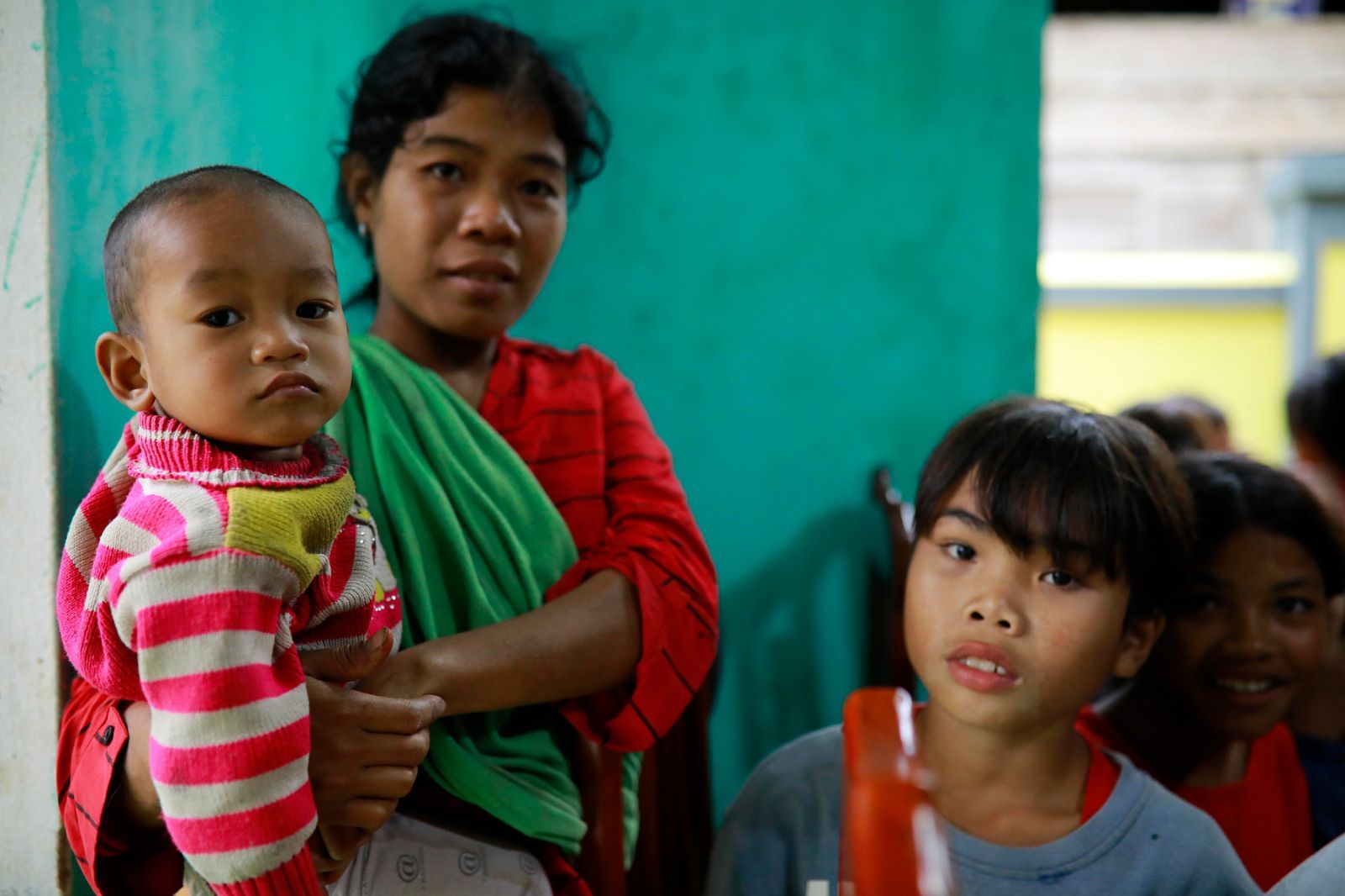
Border guard officers and the Ruc people

Photo: Border guard officers and the Ruc people

2. Culture and traditions of the Ruc people

Although simple, the life of the Ruc people still holds unique cultural aspects, closely tied to the mountains and wild nature. One of the most special elements of Ruc culture is their rituals, considered a bridge connecting them to the spiritual world and the mysteries around them.  

The Ruc believe that these rituals can help them control wild beasts, ward off bad fortune, protect themselves from evil spirits, or heal wounds. One of the rituals often recounted is the "closing" ceremony, used to prevent unwanted pregnancies or protect health. During the ritual, the shaman—a figure capable of connecting with the invisible realm—uses bamboo tubes to produce resonant sounds while reciting mysterious incantations. The rustling wind merging with the bamboo notes sounds like a whisper from the ancient forest, both intimate and mystical.  

Even so, the specific contents of these spells and chants are known only to the Ruc, who keep them guarded as a sacred treasure. They rarely share them, considering them exclusive to the Ruc ethnic group. Those fortunate enough to witness these rituals clearly feel the reverence, deep faith, and an inexplicable sense of mystery.  

The Ruc people rarely share their spells and rituals
Photo: The Ruc people rarely share their spells and rituals

The Ruc speak a language belonging to the Viet-Muong group (Austroasiatic language family). That language was once their sole bridge to the surrounding world, a medium for storytelling, lullabies, and passing down knowledge to future generations. However, time and change have caused that language to gradually fade. The number of fluent Ruc speakers is dwindling, as many young people have become more accustomed to Vietnamese than their mother tongue.  

3. Current status and integration of the Ruc people

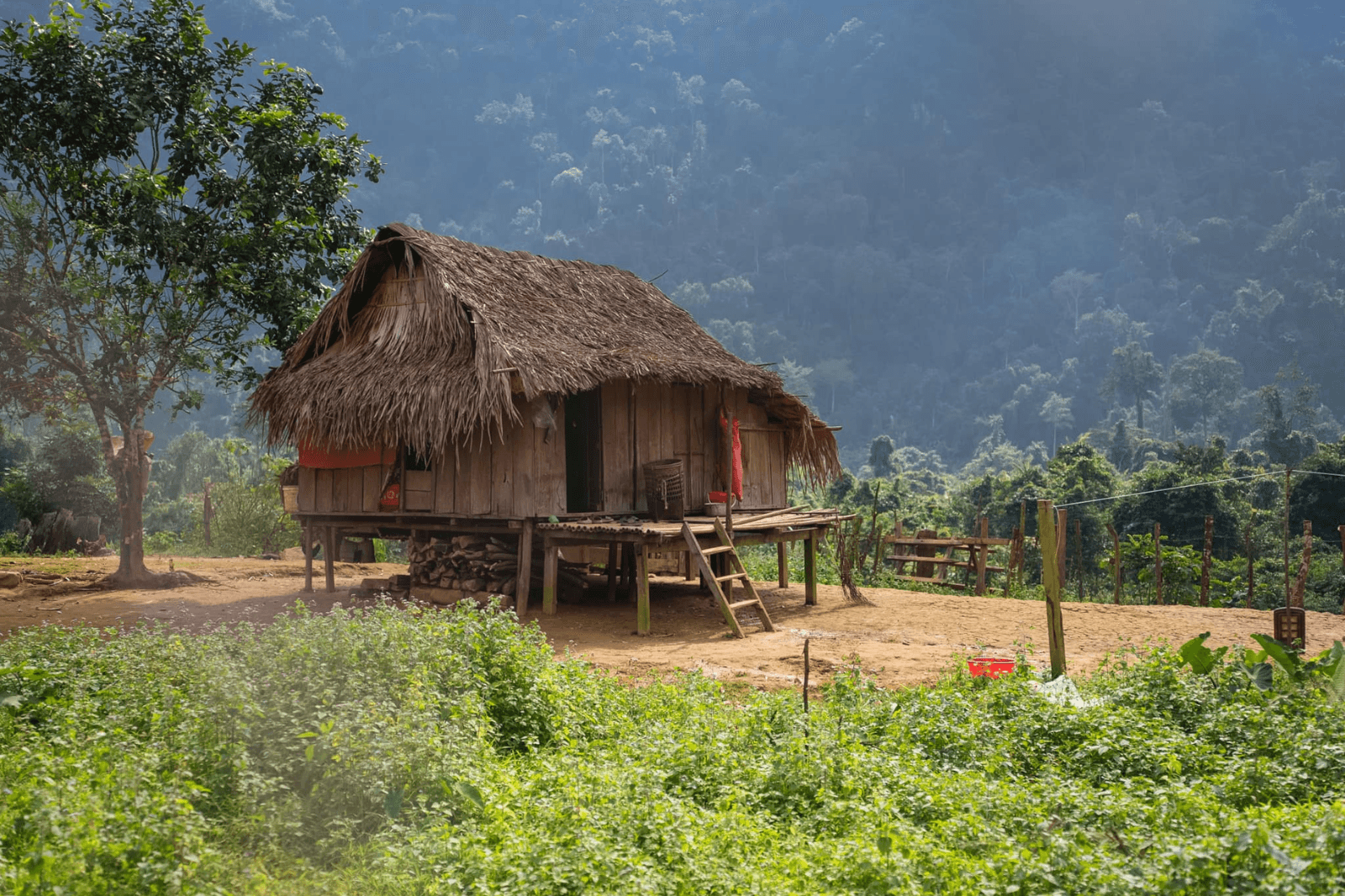
Today, the Ruc people mainly reside in Dan, On, and Mo O O O villages located within Phong Nha - Ke Bang National Park. Their lifestyle has gradually changed, no longer relying entirely on hunting and gathering as before. The Ruc now know how to cultivate rice, corn, and beans on small patches of land along the mountainsides, build houses, and live in more stable villages. Simple stilt houses on hillsides and lush green rice fields in the valley are familiar sights in Ruc villages today.  

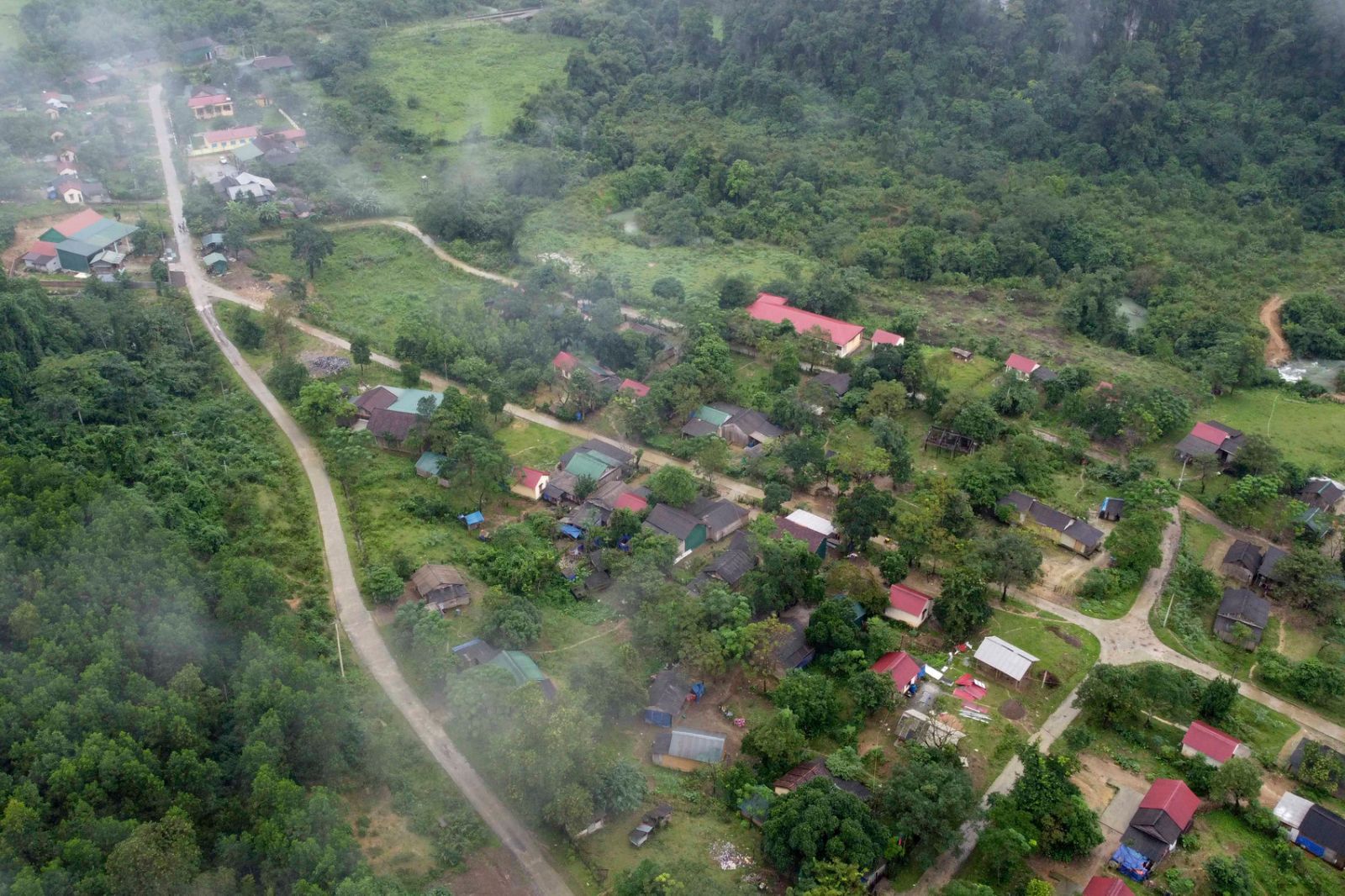
To help the Ruc integrate and stabilize their lives, the government has implemented various support policies, such as relocating them to more accessible areas near roads, schools, and medical facilities. However, not everyone easily gives up their familiar surroundings, a land tied to generations of their ancestors. Many still choose to remain in small homes at the foot of the mountains, deep in the forest, where their memories reside.  

They have migrated out of the caves to settle
Photo: They have migrated out of the caves to settle 

4. Steps to school and changes in education

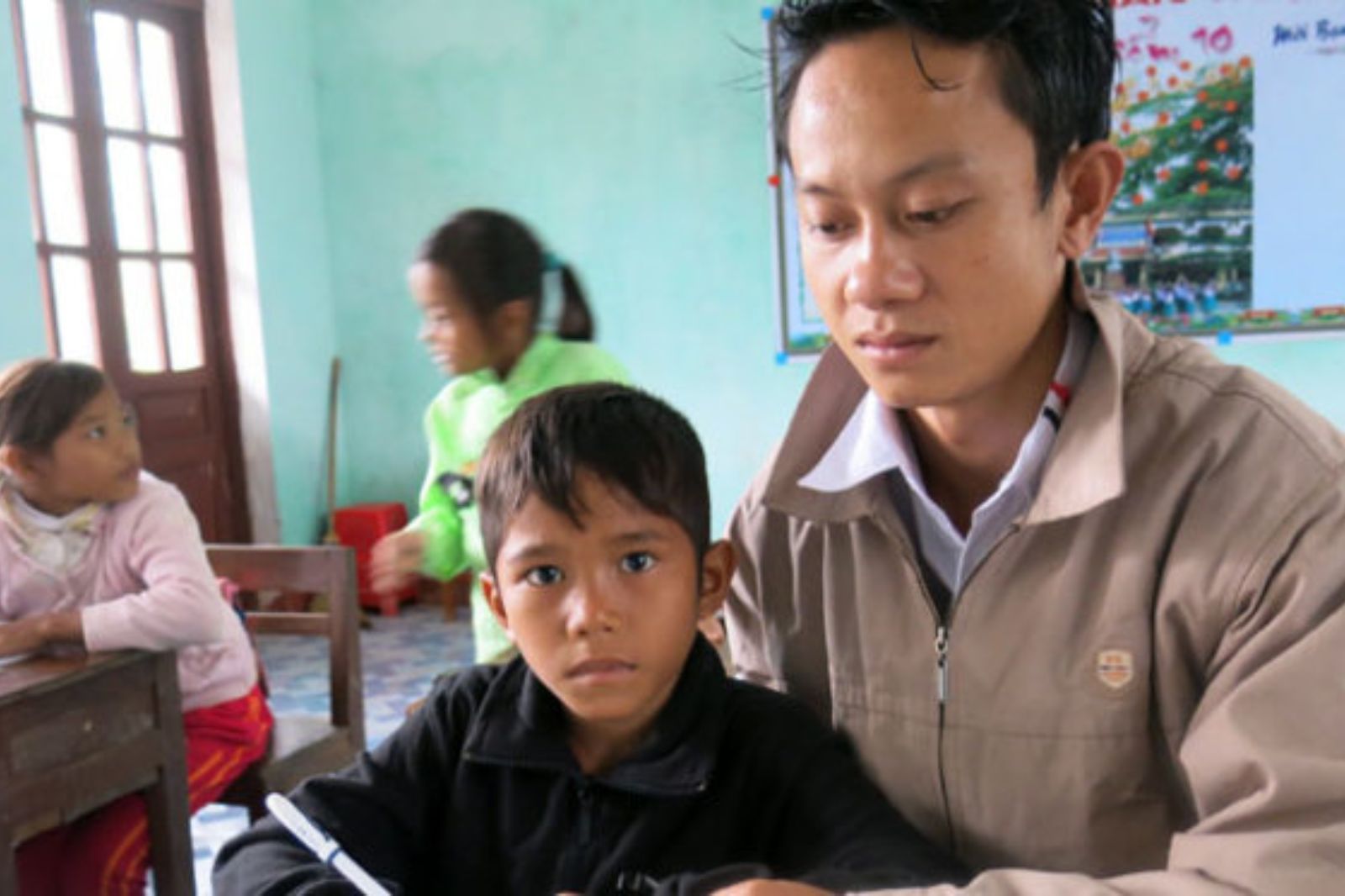
One of the most memorable stories regarding the changes among the Ruc people is Ho Tien Nam—the first Ruc person to graduate from university in 2013 and become a teacher. This was not only a source of personal pride for Nam, but also a joy for the entire Ruc community, like a small ray of light filtering through each humble stilt house. Ruc children have now started going to school, learning to read and write, and dreaming of a future beyond life in the mountains.  

The first Ruc person to become a teacher
Photo: The first Ruc person to become a teacher

However, the Ruc people's journey of integration into outside society still faces many challenges. The Ruc language has no written form and is gradually fading as younger generations become more accustomed to Vietnamese. Folk tales and lullabies in the Ruc language are becoming increasingly rare, surviving mainly in the memories of the elders. Traditional culture and sacred shamanic rituals are slowly becoming stories of the past, facing the risk of "disappearing" amidst the tide of market economy and modern development.  

5. Tourism and preserving the beauty of the Ruc people in Quang Binh

Recently, Quang Binh tours to ethnic minority villages have begun to be organized, offering opportunities for travelers to explore the life of an ethnic group that once lived in isolation deep in the forest. Initiated in 2021, these tours allow visitors to experience hands-on activities such as kayaking on streams, visiting small rice paddies cultivated by the Ruc, and handing gifts directly to the villagers. In particular, during the rainy season from November to August, when the weather is more severe, visiting and sharing with the Ruc people becomes even more meaningful.  

Tourism not only provides a source of income for local residents but also helps promote Ruc culture to the outside world, allowing more people to learn about a small yet resilient ethnic group. Seeing the smiles of Ruc children receiving new notebooks and the bright eyes of elders telling old stories helps visitors truly appreciate the simplicity and sincerity of the Ruc people amidst the wild mountains.  

Travel tips:

  • Obtain permission from local authorities or the Ca Xeng Border Guard Post (border area).

  • Respect local culture: do not take photos of sacred activities without permission, do not litter, and bring meaningful gifts (notebooks, clothes, school supplies).

  • Combine with a visit to Tu Lan Cave or Da Deo Pass.

Tourists can visit Ruc villages through travel tours

Photo: Tourists can visit Ruc villages through travel tours

Visitors can join tours to visit Ruc villages, not only to explore but also to better understand and share with these simple yet resilient people. A small gift, a story by the crackling fire, or simply sincere listening is enough to leave an impression and connect souls. Amidst the changes of time, the Ruc remain there, living with the mountains and forests, preserving their traditional values like a small stream quietly flowing through the vast wilderness. Perhaps with just a little more sharing and love, the identity of the Ruc people will remain vibrant and enduring, much like the ancient forests that have nurtured them for generations.   

Loading......

Featured destinations