Top 5 Famous Spiritual Tourism Destinations in Ninh Binh: Pilgrimage to the Ancient Capital

Northern

Ninh Binh

Sovaba.travel

Updated at: 24/09/2026

1. Bai Dinh Pagoda

  • Location: Hamlet 6, Hoa Lu, Ninh Binh. 

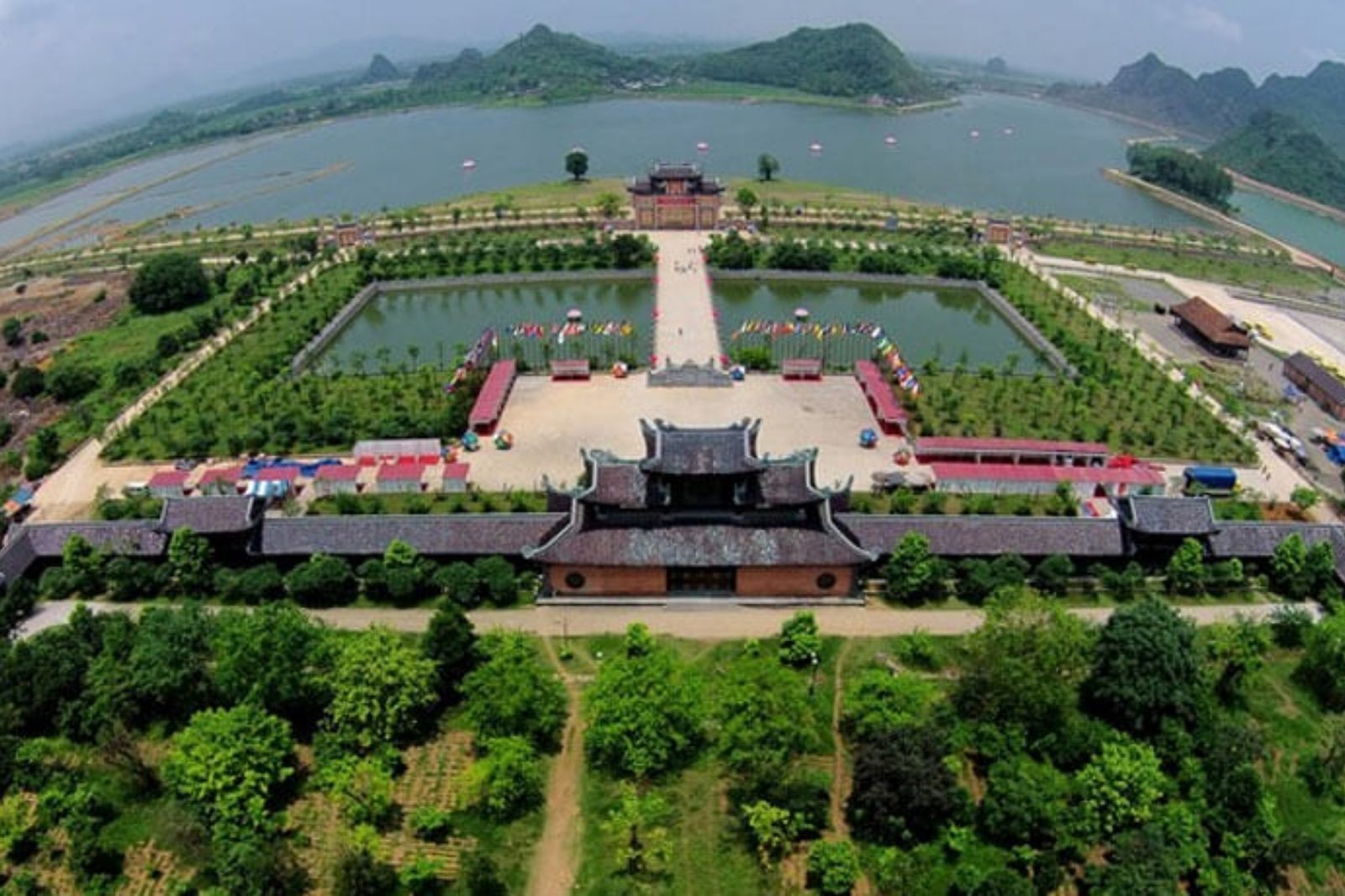
Bai Dinh Pagoda is a symbol of Ninh Binh spiritual tourism, located within the Trang An Landscape Complex - a UNESCO World Heritage Site. Covering an area of up to 1,700 hectares, the pagoda includes an ancient pagoda area and a new pagoda area, constructed in 2003 on a historical foundation of over 1,000 years associated with the Dinh, Early Le, and Ly dynasties.

The ancient pagoda was founded by Zen Master Nguyen Minh Khong (Ly Quoc Su) in the 10th century. It worships the Buddha, Gods, Mother Goddesses, and Fairies, along with saints such as Saint Nguyen and Cao Son Deity - one of the 50 Lac generals according to the Au Co - Lac Long Quan legend. The new pagoda complex stands out with its grand architecture, holding many records such as: the largest gold-plated bronze Buddha statue in Asia, the longest Arhat corridor in Asia, the largest bronze Maitreya statue in Southeast Asia, and the largest Great Bronze Bell in Vietnam. The Pearl Well near the mountain base is where Ly Quoc Su collected water to heal local people, recognized as the largest well in Vietnam.

Bai Dinh Pagoda
Photo: Bai Dinh Pagoda 

Bai Dinh Pagoda is not only a place of pilgrimage to pray for peace, but also represents Vietnamese pagoda architecture, associated with historical legends and sacred rituals. Every year, millions of Buddhists and tourists visit to pay homage and seek peace of mind.
2. Hoa Lu Ancient Capital

  • Location: Yen Thanh Village, Truong Yen Commune, 15 km from Ninh Binh City.

Hoa Lu Ancient Capital is a national historical monument located in Hoa Lu District, Ninh Binh. This was the first capital of an independent feudal state in Vietnam, associated with King Dinh Tien Hoang and King Le Dai Hanh. Hoa Lu was chosen as the capital from 968 to 1010, featuring a strategic position of "mountains behind, rivers in front", easy to defend and difficult to attack. The relic area includes temples dedicated to King Dinh Tien Hoang (worshipping Dinh Bo Linh and his sons), King Le Dai Hanh temple, royal tombs, along with traces of ancient citadels, caves, and mountains. This place preserves many precious artifacts such as stone sutra pillars from the Early Le Dynasty, reflecting the nation's spiritual culture and history.

As a pilgrimage site to the ancient capital, Hoa Lu Ancient Capital carries deep significance in reflecting on the nation's strength, attracting visitors who love history and spirituality. Annual festivals such as the Hoa Lu Festival recreate palanquin procession rituals and lion dances, contributing to cultural preservation.

Hoa Lu Ancient Capital
Photo: Hoa Lu Ancient Capital 

3. Bich Dong Pagoda

  • Location: Dam Khe Village, Ninh Hai Commune, Hoa Lu District.

Bich Dong Pagoda is located in the Tam Coc - Bich Dong complex, known as the "Second Most Beautiful Cave in the South" thanks to its ancient beauty combined with caves and mountains. Built in the 15th century on the Truong Yen limestone range, the pagoda worships Shakyamuni Buddha. The architecture follows the shape of the Chinese character "Tam" (Three), with three pagodas: Ha (Lower), Trung (Middle), and Thuong (Upper), nestled among ancient trees and cliff walls. The name “Bich Dong” was bestowed by Lord Trinh Sam in 1773, becoming a spiritual symbol of the Ancient Capital. Recognized by UNESCO as part of the World Heritage Site, the pagoda is not only a place for Buddhists to make pilgrimages and pray for peace, but also a serene stop for everyone to feel tranquility and harmony between heaven, earth, and humanity.

The cultural value of Bich Dong lies in the delicate combination of nature and human hands, fully expressing the spirit of ancient Vietnamese pagoda architecture: rustic, quiet, yet deeply sacred.

Bich Dong Pagoda
Photo: Bich Dong Pagoda 

4. Phat Diem Cathedral

  • Location: 75 Phat Diem Dong Street, Phat Diem Town, Kim Son, Ninh Binh

Phat Diem Cathedral, or Phat Diem Stone Church, is an ancient Catholic complex considered one of the most beautiful churches in Vietnam. Built over 24 years from 1875 to 1899 under the leadership of Priest Peter Tran Luc (Father Sau), this 22-hectare complex makes a strong impression with its unique architecture combining East and West styles. The entire cathedral was constructed of stone and ironwood, carrying the majesty of traditional Vietnamese architecture while retaining a clear Catholic spirit.

The complex includes many important structures such as: the Grand Cathedral, St. Rocco Chapel, St. Joseph Chapel, St. Peter Chapel, along with Phat Diem Covered Bridge. Phat Diem Cathedral not only attracts faithful believers on pilgrimages but also captivates tourists with its intricate details, deeply reflecting Vietnamese royal and temple architecture. 

Phat Diem Stone Cathedral
Photo: Phat Diem Stone Cathedral 

5. Tran Temple (Noi Lam)

  • Location: Ninh Hai Commune, Hoa Lu District.

Tran Temple, also known as Noi Lam Temple, is one of the important spiritual relics of Ninh Binh. This place worships Saint Quy Minh Dai Vuong – a general from the Hung King era who is legendary for guarding the southern gateway of Van Lang nation, protecting the borders, and bringing peace to villagers. According to legend, Saint Quy Minh rendered great service in repelling foreign invaders, possessing immense majesty, and was revered by the people who erected a temple to commemorate his contributions. Over hundreds of years, Tran Temple has not only been a sacred place for people to pray for peace, health, and tranquility, but also a cultural landmark reflecting pride in the nation's history.

Tran Temple (Noi Lam)
Photo: Tran Temple (Noi Lam)

Every relic in Ninh Binh, from pagodas and temples to cathedrals, not only preserves historical, architectural, and religious marks, but also reflects a layer of cultural sediment accumulated over centuries. In the pace of modern life, these spaces become places for visitors to seek stillness, balance, and reconnect with their roots. Thus, Ninh Binh is not merely a destination, but a journey to experience the cultural and spiritual depth of the nation—a journey everyone should experience at least once.

Loading......

Featured destinations