|

Back Home

Tran Temple (Noi Lam) - Heroic Historical Site and Ancient Architecture

Northern

Ninh Binh

Trang An Heritage

Sovaba.travel

Updated at: 28/08/2026

1. Where is Tran Noi Lam Temple?

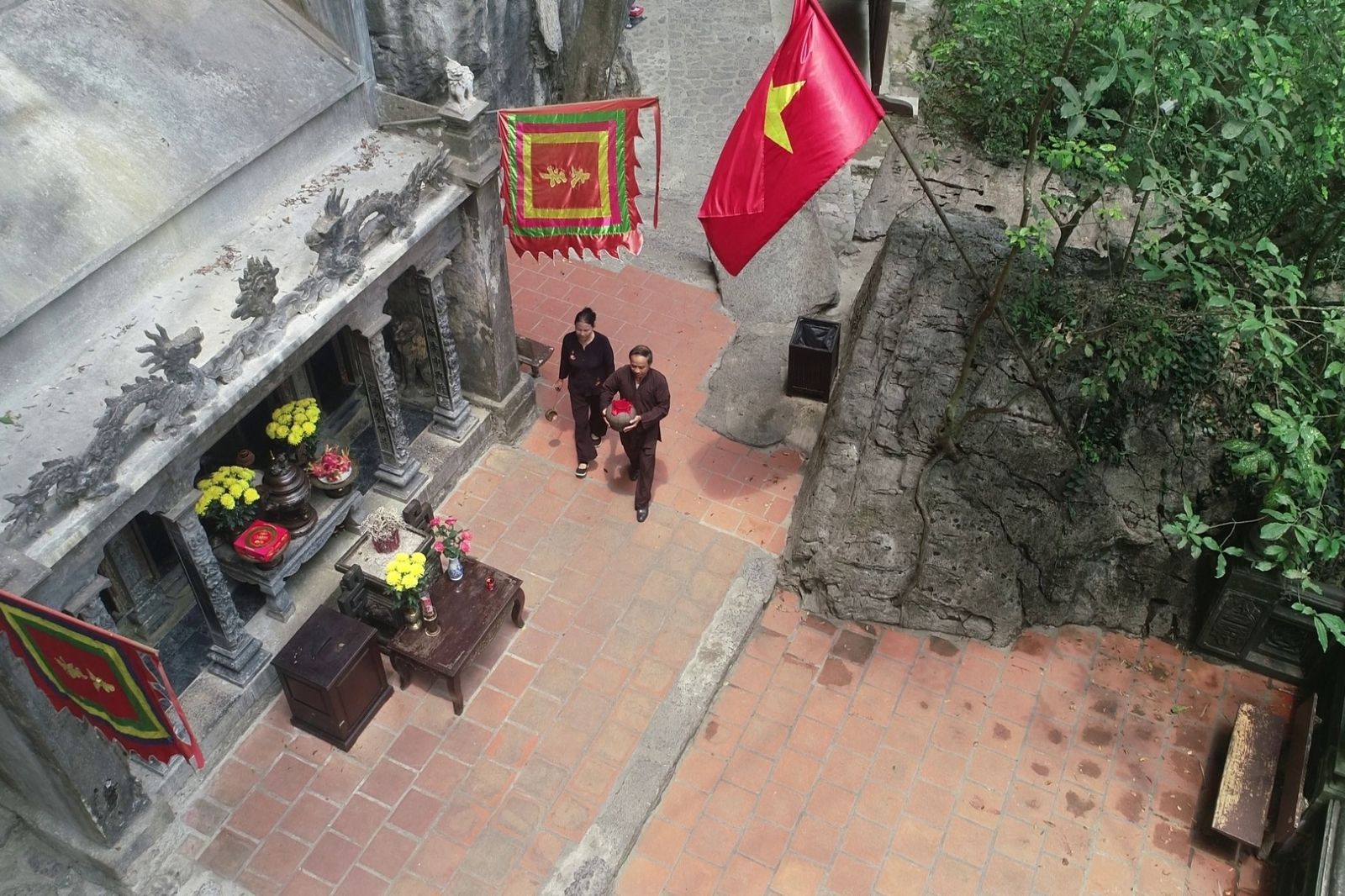
Tran Temple (also known as Noi Lam Temple) is located in Ninh Hai commune, Hoa Lu district, deep within the core area of the Trang An Landscape Complex. The temple holds a special location in a narrow limestone mountain pass, featuring the characteristic "facing water, backed by mountain" stance in Eastern spiritual architecture. Behind the temple is a cliff about 250m high like a natural screen, creating a sacred and serene space amidst the mountains and forests.

  • Geographical location: Located in the core area of the Trang An Heritage (UNESCO). From the center of Ninh Binh city, visitors travel about 7-8 km to the Northwest. The temple is located on Tour Route 1 of Trang An.

  • Natural characteristics: The temple is hidden amidst mountains and forests, creating a sacred feel, separated from the pace of modern life. To the left of the temple courtyard, there is a cliff about 250m high blocking the view, with only one access path via stone steps.

This is one of the Hoa Lu Four Temples (Hoa Lu Tu Tran) (along with temples dedicated to other gods in four directions of the ancient capital Hoa Lu), contributing to guarding the sacred land of extraordinary people.
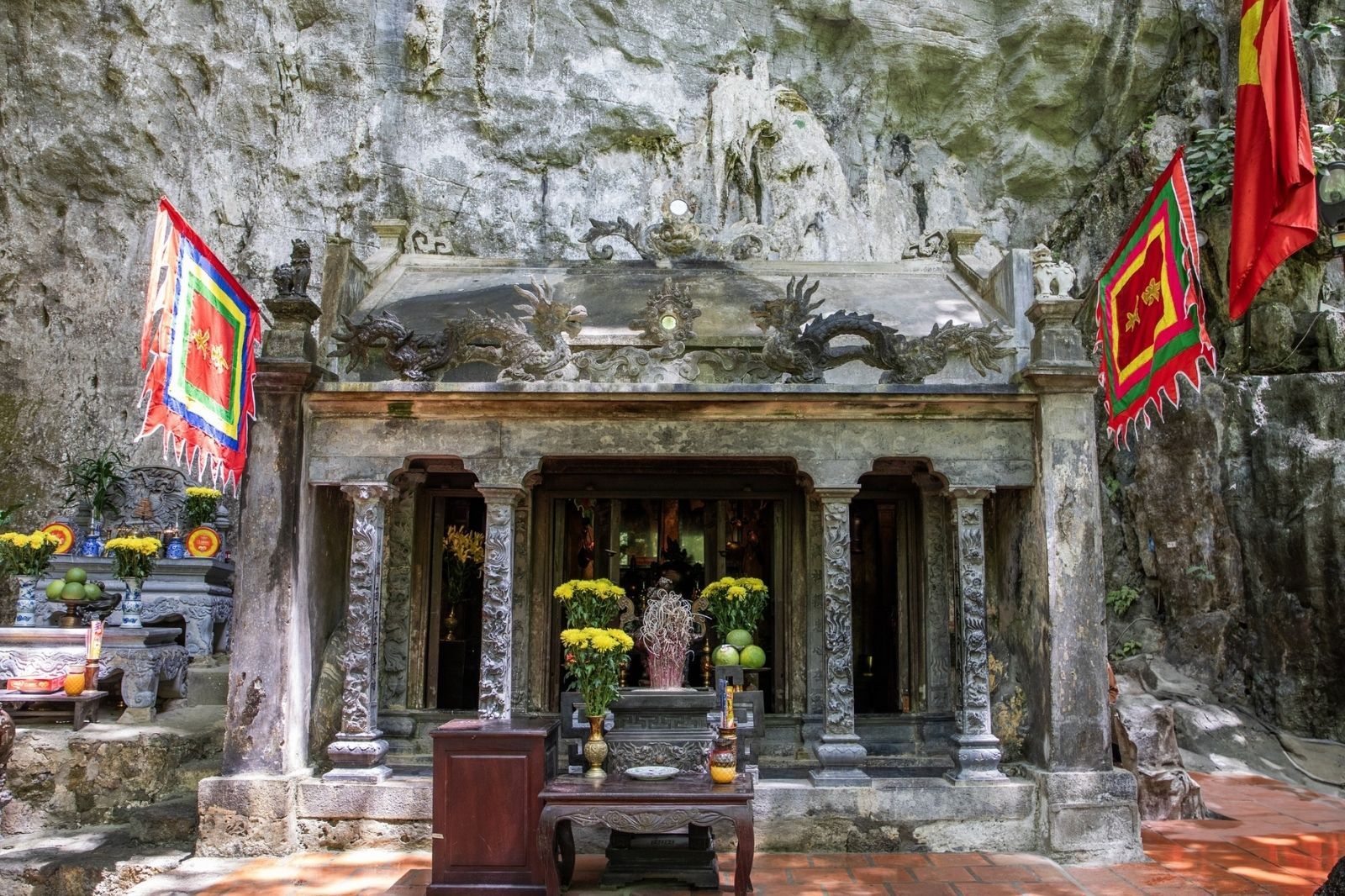
Tran Temple, also known as Noi Lam Temple

Photo: Tran Temple, also known as Noi Lam Temple 

2. The Heroic History of Tran Temple

Tran Temple is one of the most sacred and ancient temples of the Ancient Capital Hoa Lu, carrying over 1,000 years of history and associated with the nation's heroic historical pages. Built in 968 under the reign of Dinh Tien Hoang with its initial name as Noi Lam Temple, the temple is dedicated to Deity Quy Minh Dai Vuong – the deity revered for his merit in protecting the country. By the Tran Dynasty, King Tran Thai Tong ordered a large-scale renovation and renamed it to Tran Temple, turning this place into a commemorative space for heroes who contributed to national defense, especially during the resistance war against the Yuan-Mongol invaders.

The main figure worshipped at the temple is Deity Quy Minh Dai Vuong (Trung Hung Tuong Quan). According to legend, he was one of three talented generals during the reign of the 18th Hung King, who had the merit of quelling invaders and protecting borders, and was deified by the people after his passing. Along with Princess Minh Hoa, he became a symbol of strength, loyalty, and protection for the peaceful life of the Trang An people. The deity's image is also associated with rivers, mountains, and the local cave system, creating a mysterious and sacred aura for the temple.

Through many centuries, Tran Temple has been carefully preserved and restored, serving not only as an important historical-cultural relic but also as a symbol of the tradition "when drinking water, remember its source" and the nation's patriotic spirit. Every year, on the 18th day of the 3rd lunar month, the Tran Temple Festival is solemnly held with palanquin processions, boat processions on the river, and many traditional cultural activities, recreating the heroic atmosphere of a historical era while sending faith and wishes for a peaceful, prosperous life.

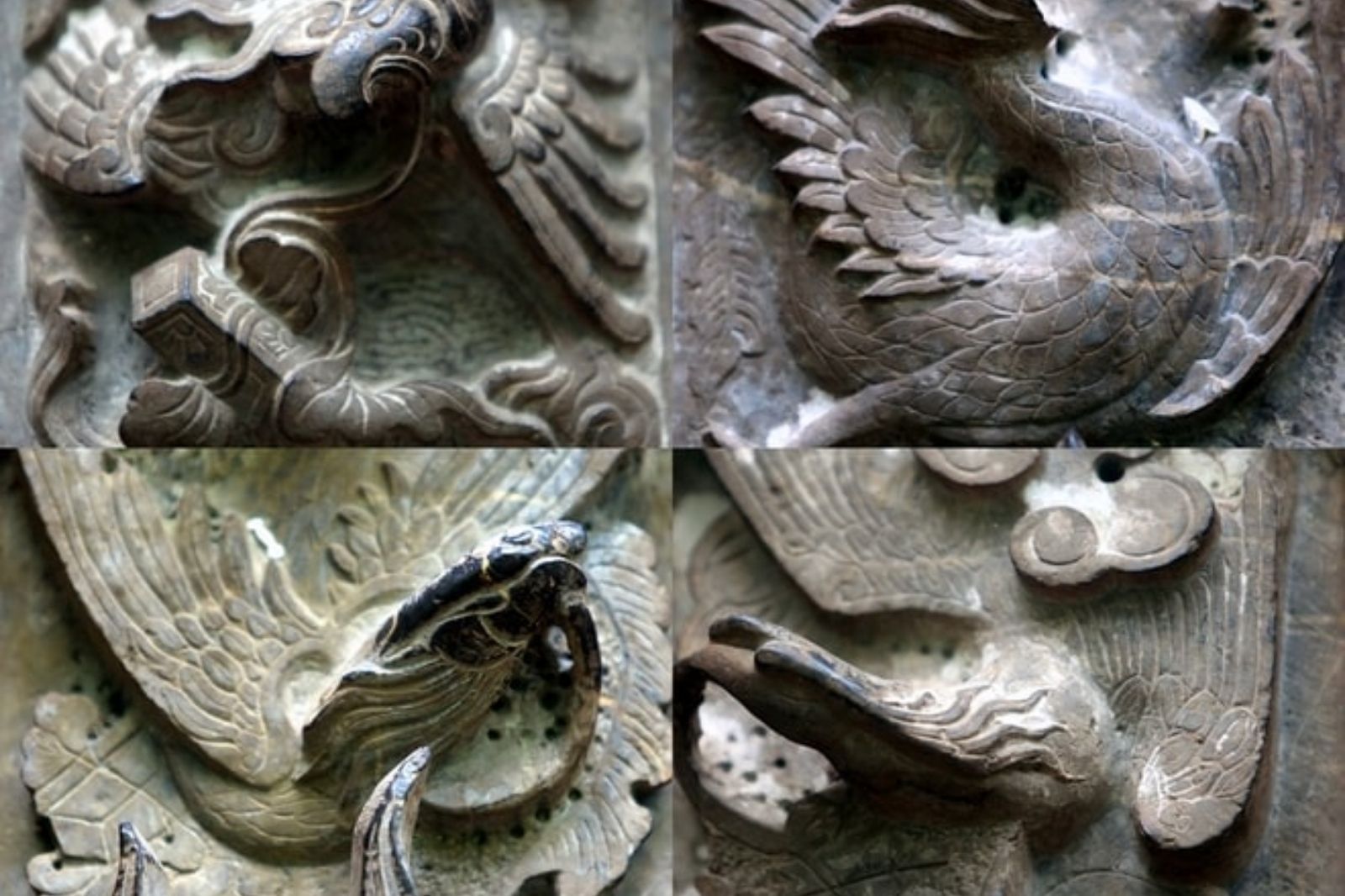
Patterns at Tran Temple

Photo: Patterns at Tran Temple  

3. Unique Architecture of Tran Temple

The most prominent highlight of Tran Temple (Noi Lam) is that the entire structure is built primarily of monolithic blue stone, creating an ancient, sturdy, and sophisticated beauty.

The temple is laid out in the "Nhi" character shape (two connected buildings):

  • Front Hall (Tien Bai) (outer building): Consists of 3 main compartments and 2 side bays, with the middle compartment being the widest. Vaulted roof (outer part concrete, inner lined with blue stone). In the middle of the roof ridge is a monster face decoration (ho phu), flanked by worshiping dragons. Two wall-attached columns are decorated with mythical creatures (nghe). This building is open without door leaves, featuring two rows of monolithic blue stone pillars (4 columns in the front row, also monolithic stone in the back row). The columns are exquisitely carved with themes of single dragons coiling in clouds, water waves, carp transforming into dragons, lions, stylized flowers and leaves, and couplets directly engraved on the column shafts.
  • Sanctuary (Hau Cung): Features two majestic dragon shrines housing statues of Deity Quy Minh Dai Vuong and his wife, Princess Minh Hoa. Inside are 4 square monolithic blue stone columns, tapered necks, subtly decorated with lotus motifs. The altar and incense table are also made entirely of blue stone.

The temple's architecture harmoniously combines elements of folklore, belief, and feudal stone carving art, demonstrating the pinnacle of sculpting skills of ancient Vietnamese artisans. Nestled among the mountains and forests of Trang An, the temple creates a unique "picturesque landscape" painting that is both majestic and romantic.

Tran Temple belonging to Trang An heritage
Photo: Tran Temple belonging to Trang An heritage 

4. Guide to Visiting Tran Noi Lam Temple

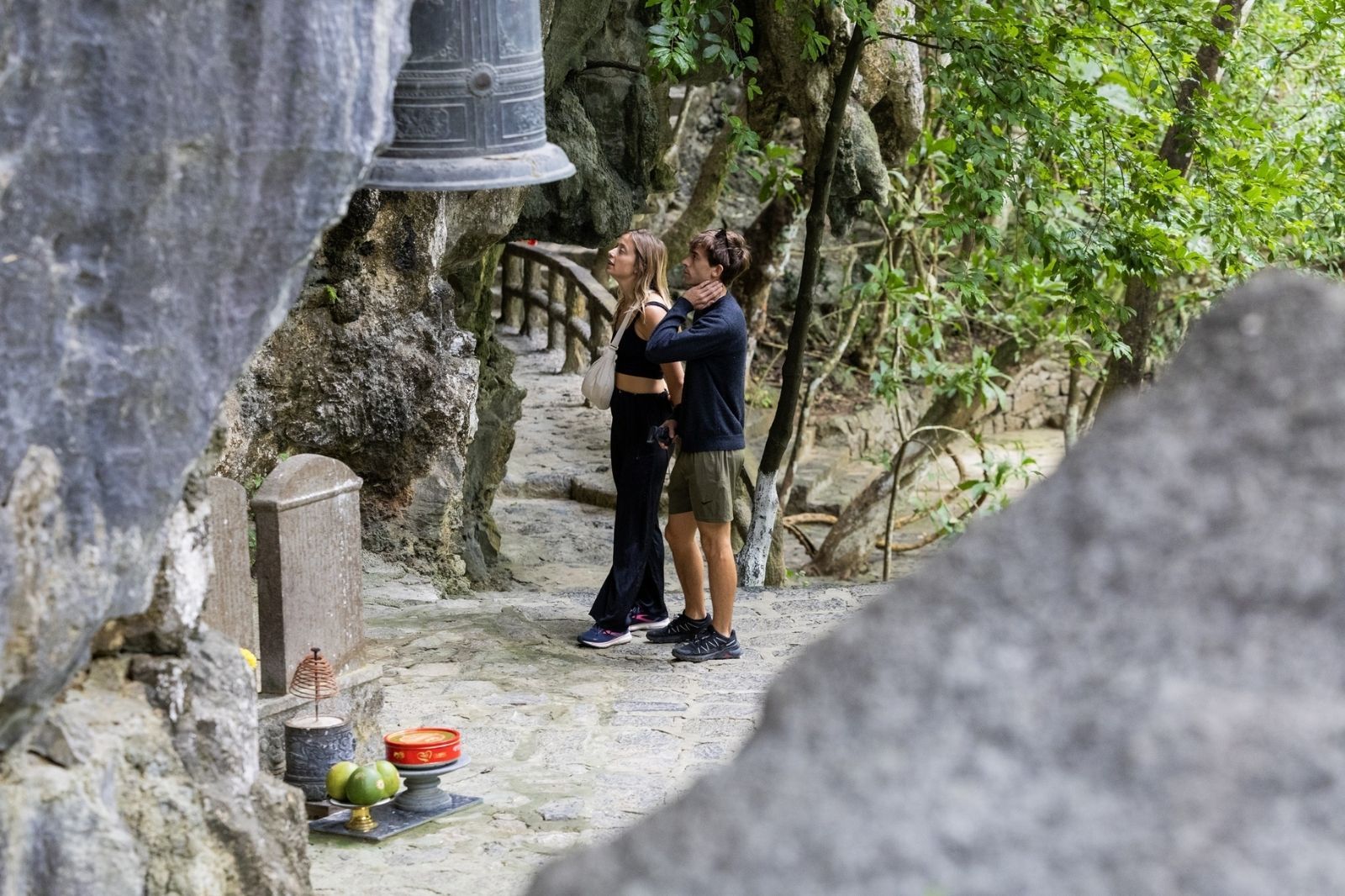
To reach Tran Noi Lam Temple, you need to buy an entrance ticket to the Trang An tourist area (Route 1), priced at 300,000 VND/adult. From Trang An boat pier, take a boat through caves like Sang Cave, Toi Cave (about 5km by waterway), then climb 175 stone steps to get to the temple. Total travel time is about 2-3 hours.

  • Noi Lam Temple Festival: (or Trang An Festival) takes place on the 18th day of the 3rd lunar month annually, as an important part of the festival series honoring the deities of the Hoa Lu Four Temples. The festival features special activities such as palanquin processions, boat racing on the river, and solemn rituals, attracting numerous tourists and local people
  • Transportation: From Hanoi, take a bus (80,000-150,000 VND, 2 hours) or train to Ninh Binh, then take a taxi or motorbike to Trang An (7km from Ninh Binh center). If driving yourself, follow the Phap Van - Cau Gie highway.
  • Accommodation: Choose homestays or resorts near Trang An like Tam Coc or Ninh Binh Hidden Charm, priced from 500,000 to 2,000,000 VND/night. Book in advance during peak season.
  • Notes: Wear polite clothes, do not litter, and prepare drinking water due to the mountain climb. Combine with nearby attractions like Mua Cave or Hoa Lu Ancient Capital to make the trip complete.
Tourists visiting Tran Temple
Photo: Tourists visiting Tran Temple  

Visiting Tran Temple (Noi Lam), every tourist can feel more clearly the harmony between history, culture, and traditional Vietnamese architecture. The temple is not only an important landmark of a heroic era, but also a stopping point for everyone to slow down and reflect on national traditions and sustainable values handed down over centuries. If you wish to continue exploring the beauty of Northern heritage with a complete and convenient experience, the all-inclusive Trang An tour from Sovaba Travel is an ideal choice. The itinerary takes you to behold the majestic Trang An Landscape Complex, explore fascinating caves, and enjoy the mountains and rivers of Ninh Binh in a rare peaceful atmosphere, all scientifically arranged to ensure comfort and service quality.

Loading......

Featured destinations