Truong Han Sieu Temple: Discovering a Special National Relic in Ninh Binh

Central

Ninh Binh

Sovaba.travel

Updated at: 24/09/2026

1. History of Truong Han Sieu Temple

Truong Han Sieu Temple was built in 1998, located southwest of Duc Thuy Mountain in Ninh Binh City. This location holds special feng shui significance: backing onto the majestic Non Nuoc Mountain and facing the gentle Day and Van rivers, creating a scenery that is both grand and poetic. According to historical documents, the Non Nuoc Mountain area was classified as a national historical relic in 1962, and the temple has become an important part of this monument complex.
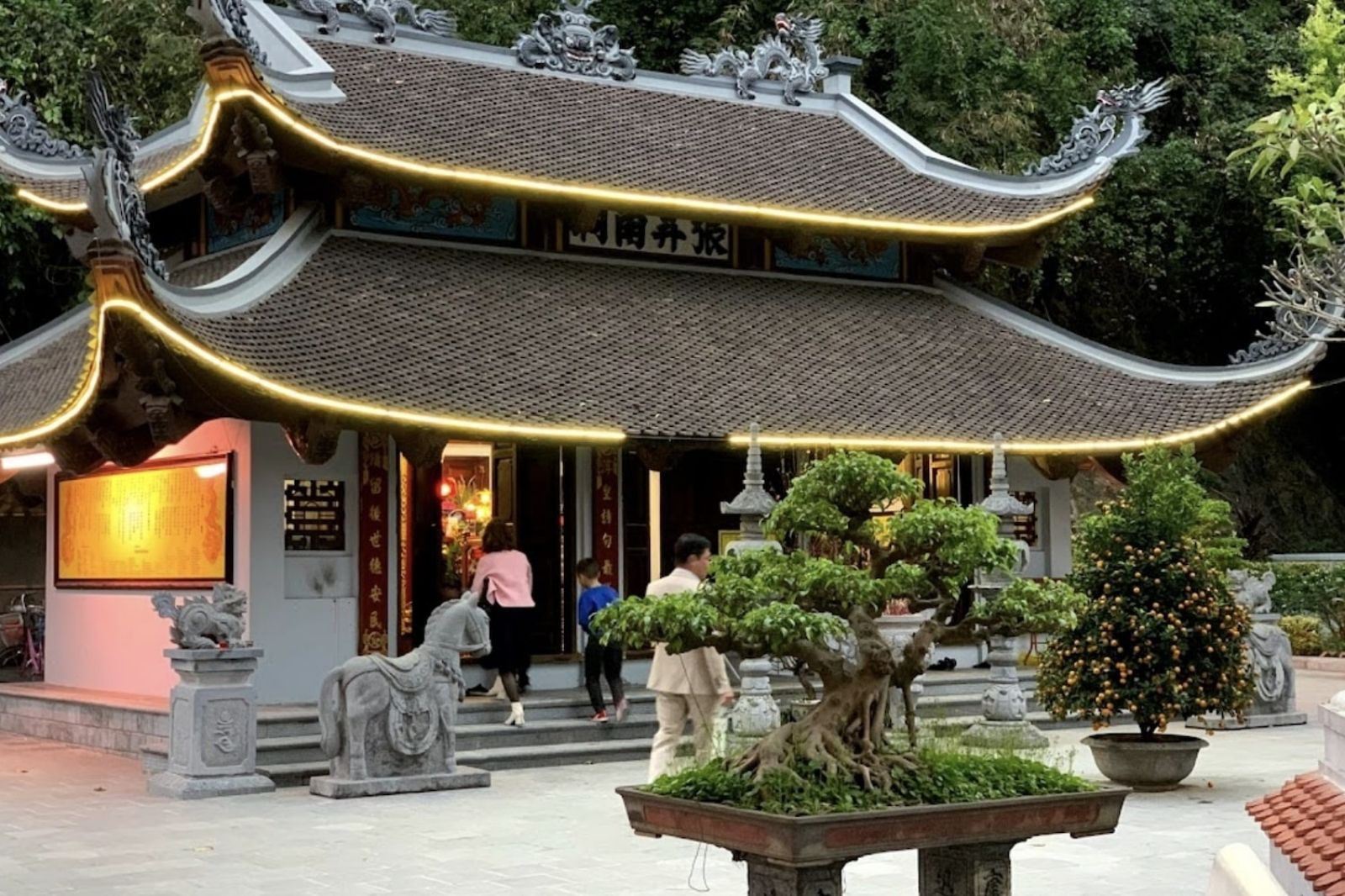
The temple is a national historical relic
Photo: The temple is a national historical relic 

Initially, the temple was built to honor Truong Han Sieu – an outstanding scholar of the Tran Dynasty from Phuc Thanh village (now in Yen Ninh district, Ninh Binh). Over time, the relic has been restored multiple times to preserve its inherent cultural and historical values. Today, Truong Han Sieu Temple is not only a sacred place of worship but also a prominent cultural tourist attraction, welcoming thousands of visitors each year. Notably, in 2014, the Non Nuoc complex, including the temple, was recognized as a Special National Relic, standing alongside other famous landmarks in Ninh Binh such as the Hoa Lu Ancient Capital, affirming the importance of the site in Vietnam's heritage treasury.
2. Life and Career of Truong Han Sieu

To understand the true value of Truong Han Sieu Temple, one cannot overlook the life and contributions of the figure himself. Truong Han Sieu (?-1354), courtesy name Thang Phu, pen name Don Tau (meaning "an old man escaping the world"), was born in Phuc Thanh village, Yen Ninh district, Truong Yen prefecture (now Ninh Binh). He was a great intellectual of the Tran Dynasty, famous for his literary talent and patriotism.

During his service to the royal court, Truong Han Sieu held many important positions and participated in the resistance against the Yuan-Mongol invaders. He was also a close associate of Hung Dao King Tran Quoc Tuan, contributing to the nation's great victories. In terms of literature, Truong Han Sieu left behind many valuable works, most notably “Bach Dang Giang Phu” (Ode to the Bach Dang River) – a literary masterpiece that left a deep mark in history, both praising the Bach Dang victory and expressing national pride.

In addition, he engraved the poem “Duc Thuy Son Linh” on the cliff of Non Nuoc Mountain, continuing the tradition of leaving inscriptions at scenic spots by many famous figures. Thanks to these legacies, Truong Han Sieu Temple is not only a place to commemorate a historical figure, but also a testament to the connection between culture, poetry, and the landscape of Ninh Binh.

3. Unique Architecture of Truong Han Sieu Temple

The architecture of Truong Han Sieu Temple is designed in the shape of the Chinese character "Dinh" (丁), a traditional Vietnamese style, consisting of 3 front worship halls and 2 inner sanctuaries. The front of the temple features a large horizontal board with Chinese characters, creating a solemn and ancient appearance. At the top of the temple roof are two dragons flanking a moon – a symbol of power and good fortune according to feng shui beliefs.

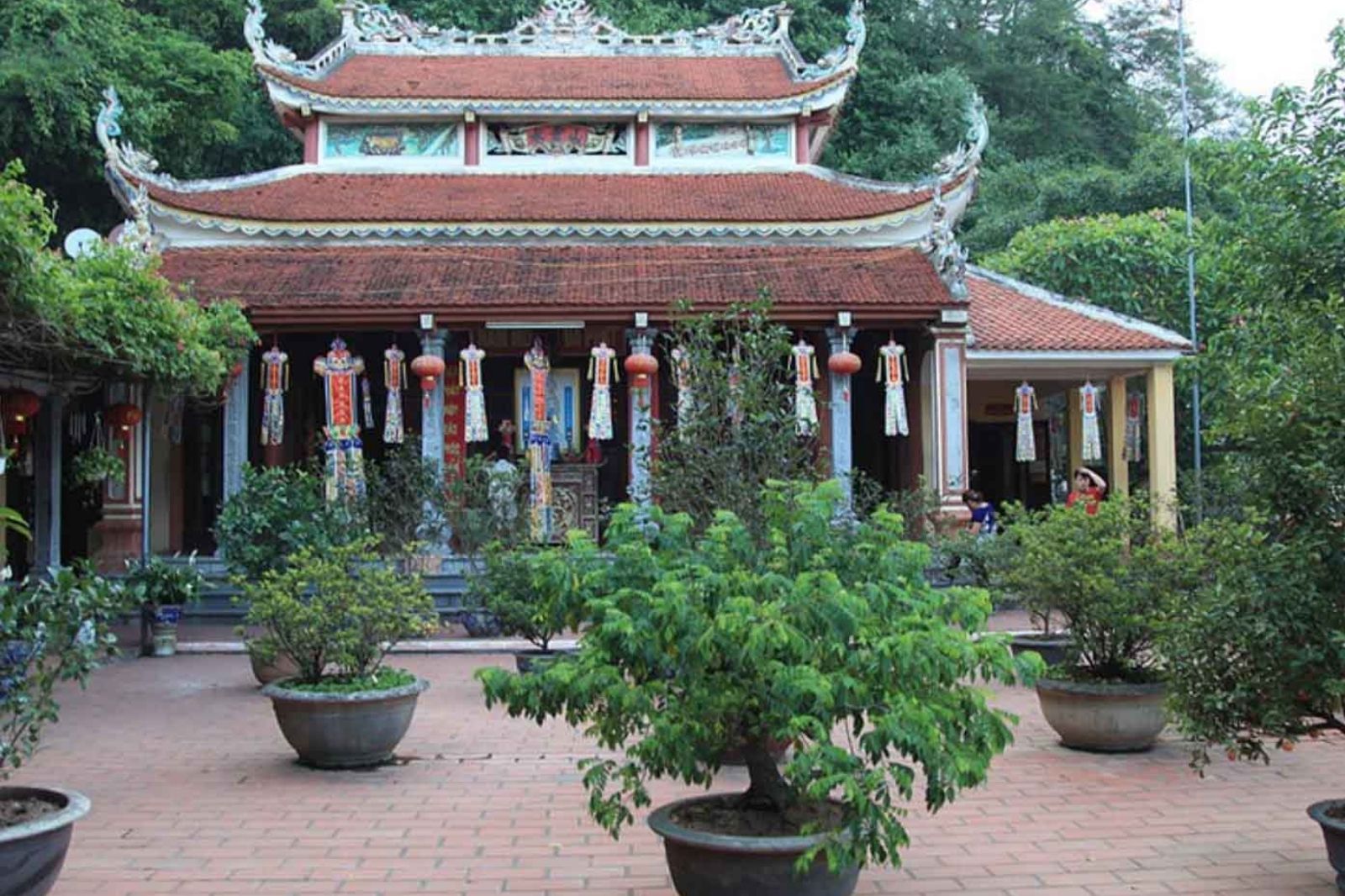
Inside, the inner sanctuary houses a bronze statue of Truong Han Sieu, along with ancestral tablets and ancient worship objects. The temple grounds are spacious, featuring ancient trees and a pond, creating a serene environment. In particular, from the temple, visitors can climb up Non Nuoc Mountain to admire stone-carved poems, including works by Truong Han Sieu himself. This architecture is not only aesthetically pleasing but also carries historical significance, helping visitors envision the lifestyle and culture of the Tran Dynasty.

Temple grounds
Photo: Temple grounds 

4. Cultural and Historical Significance of the Site

As a special national relic, Truong Han Sieu Temple Ninh Binh plays an important role in historical preservation and education. This place not only commemorates a great figure but also stands as proof of patriotic spirit and Vietnamese national culture throughout dynasties. Every year, the temple hosts a festival on his death anniversary (the 10th day of the 1st lunar month), attracting local people and tourists to participate in cultural activities such as lion dances and Cheo singing.

The relic site also contributes to promoting Ninh Binh tourism, connecting with nearby landmarks such as Tam Coc - Bich Dong or Trang An. For students, this is an ideal place to learn about Vietnamese literary history. The most profound meaning is the reminder of the importance of heritage protection, especially in the context of modern urbanization.

5. Guide to Visiting Truong Han Sieu Temple

To reach Truong Han Sieu Temple Ninh Binh, you can travel from the center of Ninh Binh City about 2-3km to the southwest, along the Day River road. If coming from Hanoi, it takes about 2 hours by car via the highway. Entrance is free, but if climbing Non Nuoc Mountain, you need to prepare your health as there are about 500 steps.

Ideal time: Spring (February to April) to avoid heat, or combined with local festivals. When visiting, do not miss:

  • Offering incense at the inner sanctuary.
  • Reading poems carved on the mountain.
  • Admiring the river landscape from the mountain peak.

Combine your itinerary with nearby spots like Bai Dinh Pagoda or Hang Mua to make your trip richer.

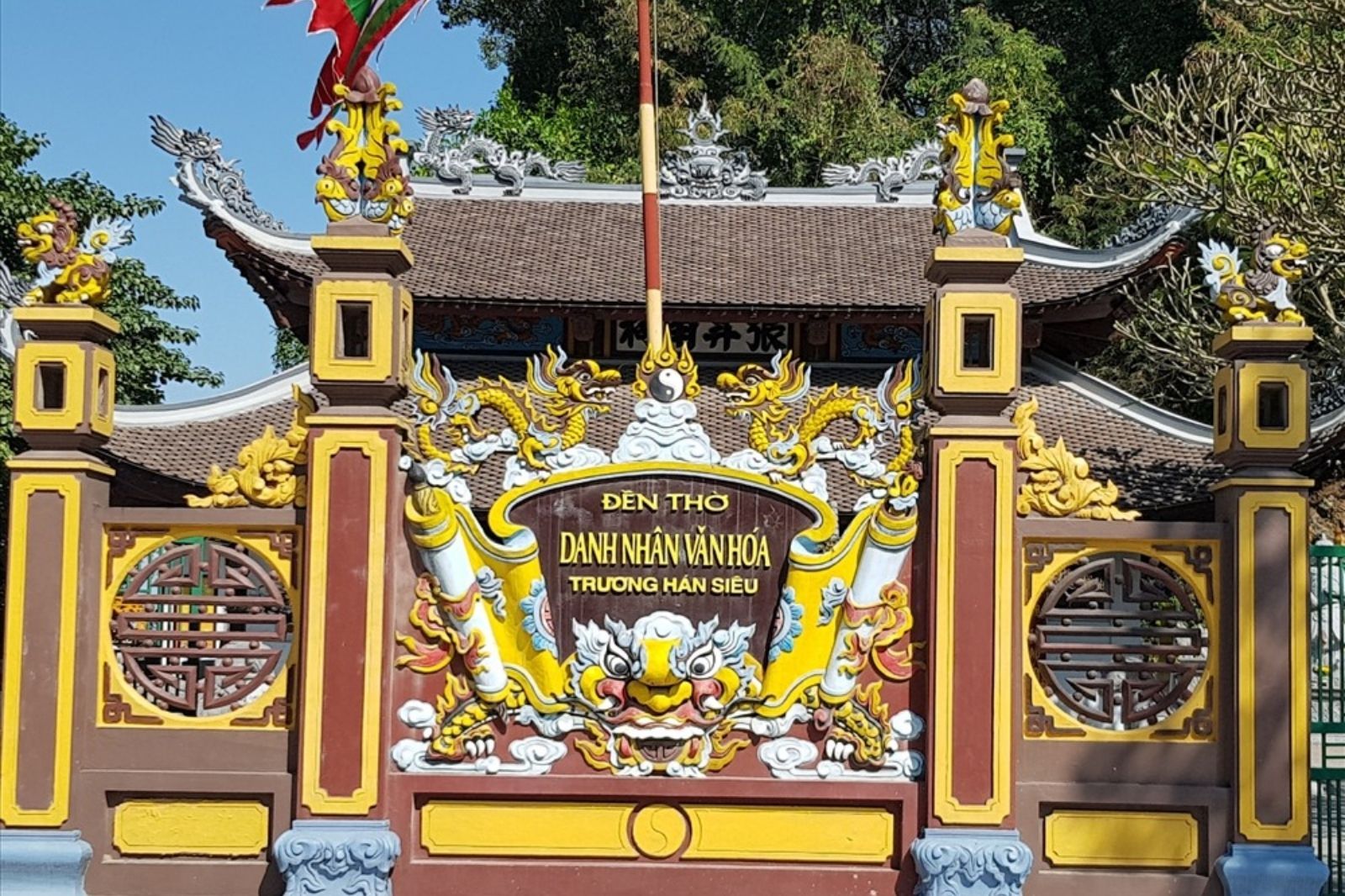
Truong Han Sieu Temple at the foot of Non Nuoc Mountain
Photo: Truong Han Sieu Temple at the foot of Non Nuoc Mountain  

Truong Han Sieu Temple is a simple yet rich destination, preserving the story of an important historical figure of Ninh Binh and the country. Unpretentious and modest, the temple offers a sense of closeness, helping visitors understand more about the tradition of studiousness and the dedicated spirit of Truong Han Sieu. If you have the opportunity to visit Ninh Binh, take some time to visit this relic during your journey to explore Trang An – Hoa Lu. It is a peaceful stopover, perfect for those wanting to learn more about local culture and history.

Loading......

Featured destinations