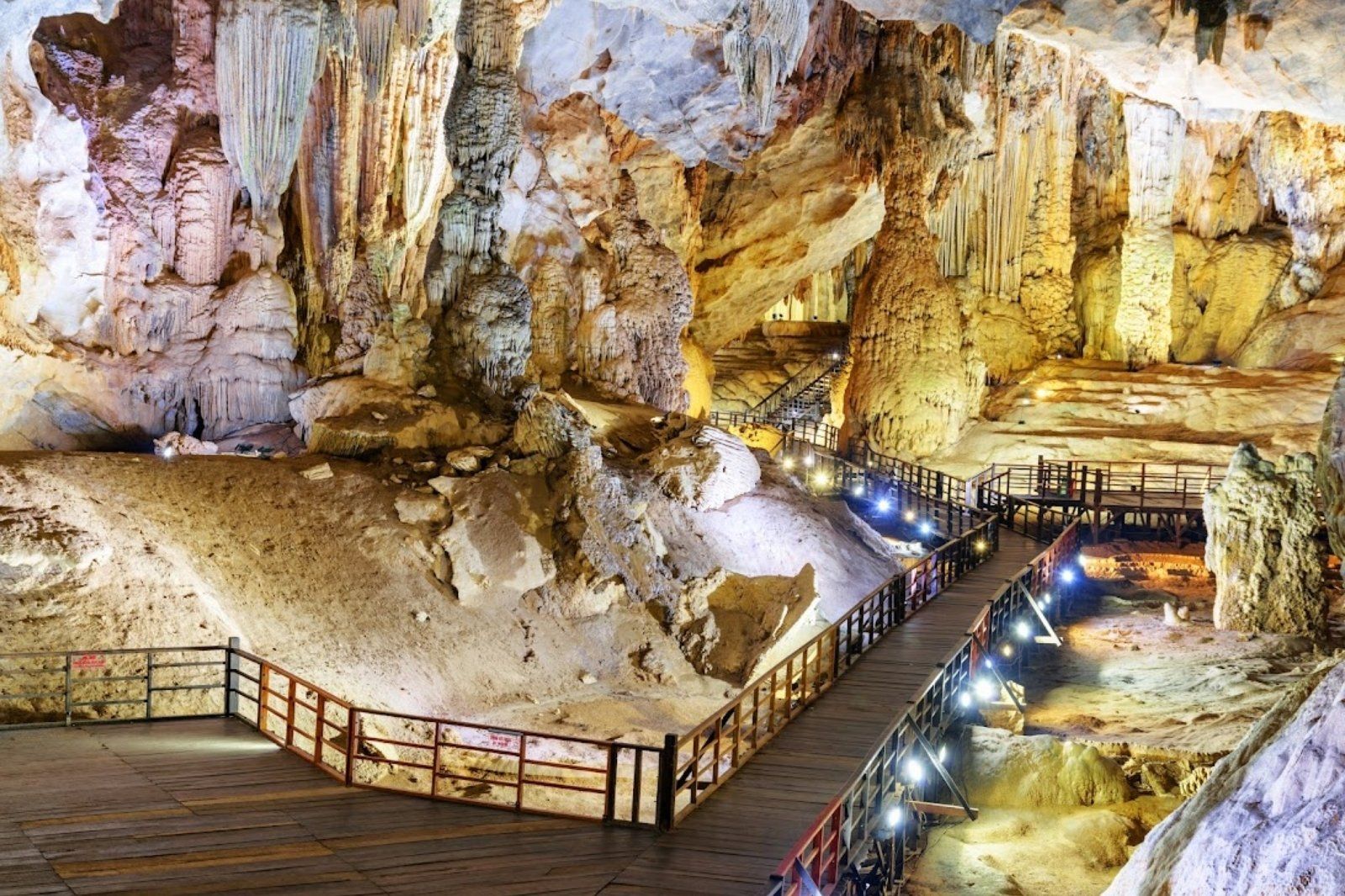
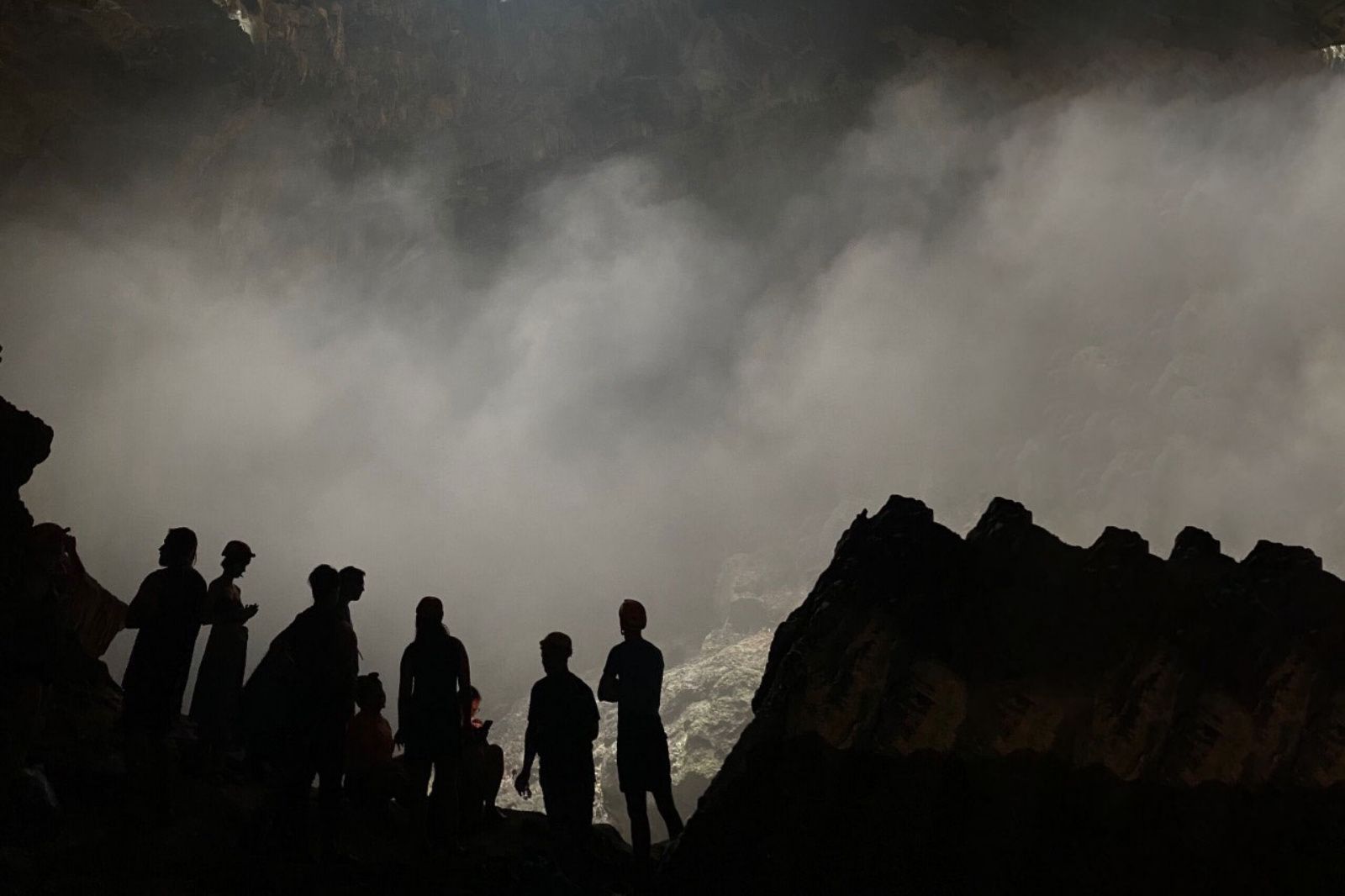
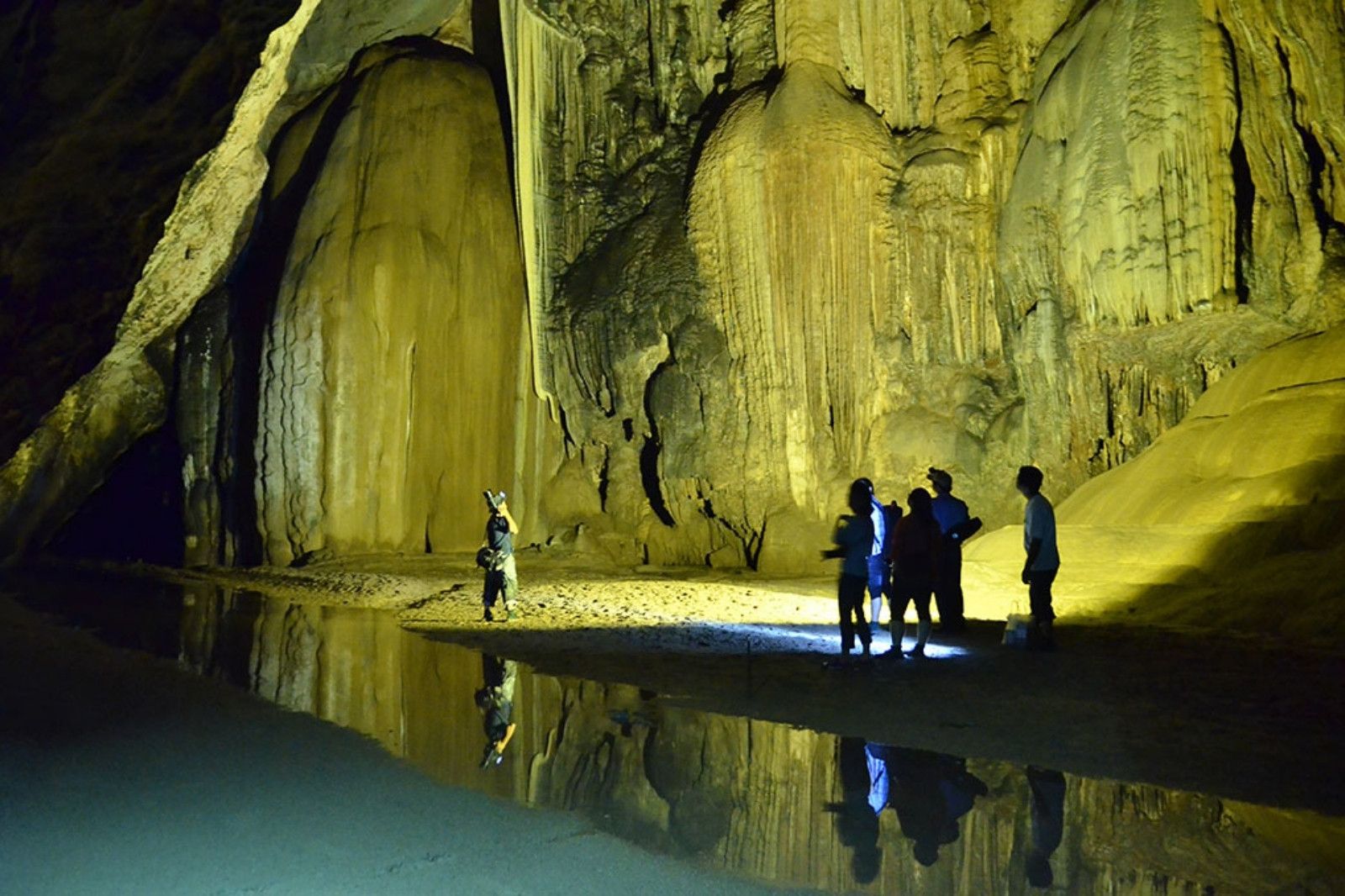
The ecosystem of Paradise Cave is a classic example of the miraculous adaptation of organisms in a dark, humid, and light-deprived cave environment. Unlike completely dry caves, Paradise Cave features underground streams, high humidity, and its own microclimate, supporting diverse life.
Key factors maintaining the ecosystem:
Stable temperature of 18–22°C: Creates an ideal environment for microorganisms and animals.
High humidity: Helps preserve stalactites and provides water for living organisms.
Limited light: Encourages species to adapt to the dark.
Nutritional sources from bat guano and organic matter: Supports a closed food chain.
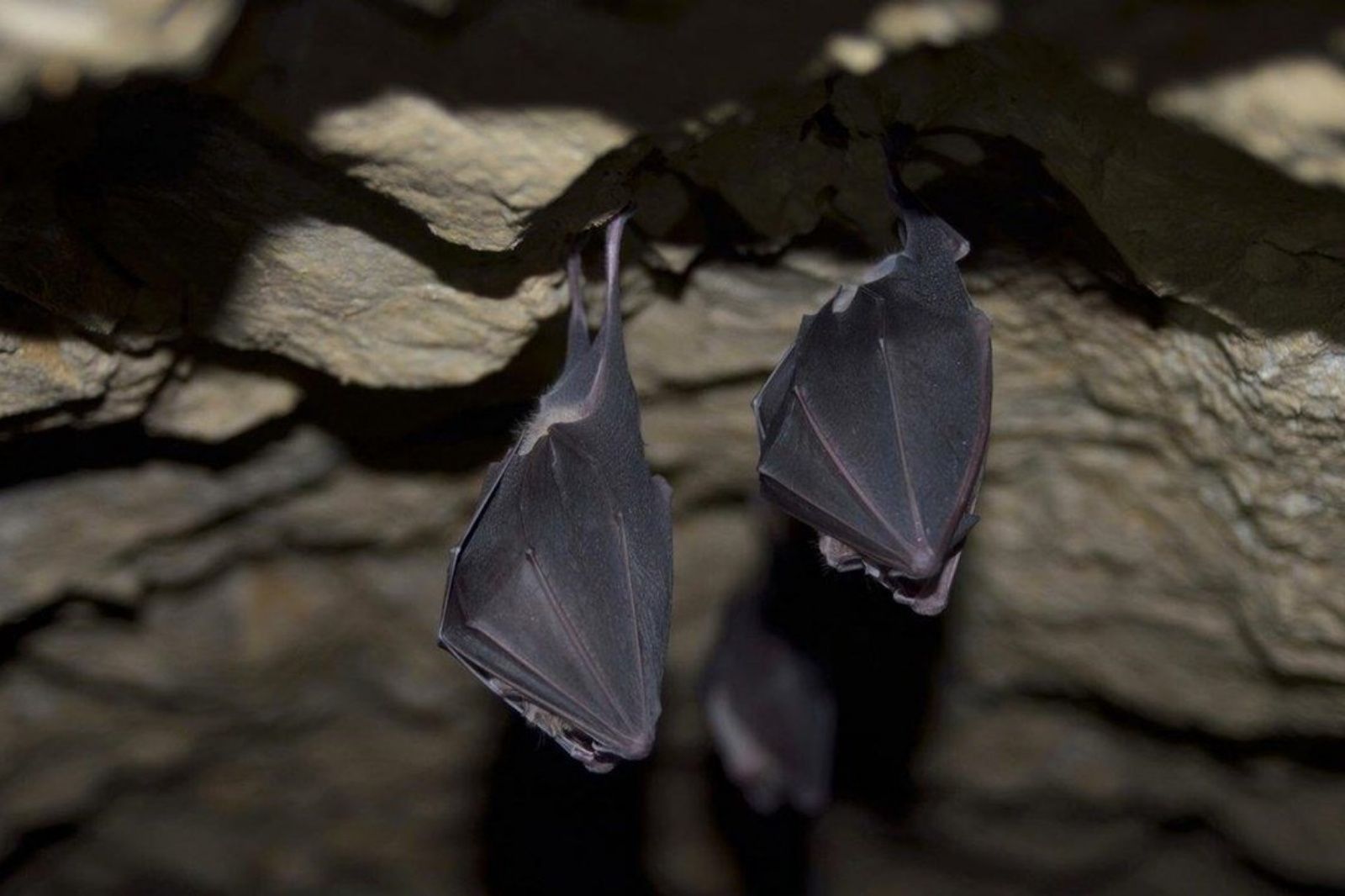
Photo: Bats are considered an important animal species in the ecosystem of Paradise CaveOne of the most interesting discoveries is the white cave scorpion species named after the cave. With a characteristic milky white color due to a lack of pigment, this small scorpion possesses antennae three times longer than its body to sense the surrounding environment. Remarkably, they are completely harmless to humans. In addition, in the stream flowing through the cave, there is a mysterious school of fish resembling catfish, with two barbels in front. Strangely, this fish species has no eyes at all, yet they still thrive thanks to their ability to sense the environment through other senses. The weight of this fish species ranges from 0.5 to 1 kg, making scientists extremely curious about their adaptation mechanism.
Researchers also discovered an insect species resembling a small cricket with a body length of 1–1.5 cm, but with long antennae, rear pincers, and long legs. The body of this species features a color mix of light brown and white, helping them easily hide in the dark cave environment.
Although there is no sunlight at all, the ecosystem of Paradise Cave still supports the life of bat colonies and even the appearance of small sprouts rising from the soft, wet clay ground. In particular, the flora in the cave is no less miraculous. Bioluminescent moss carpets and glowing mushrooms create a magical scene. These species only appear in areas with extremely high humidity, forming lush green "oases" in the heart of the dark cave.