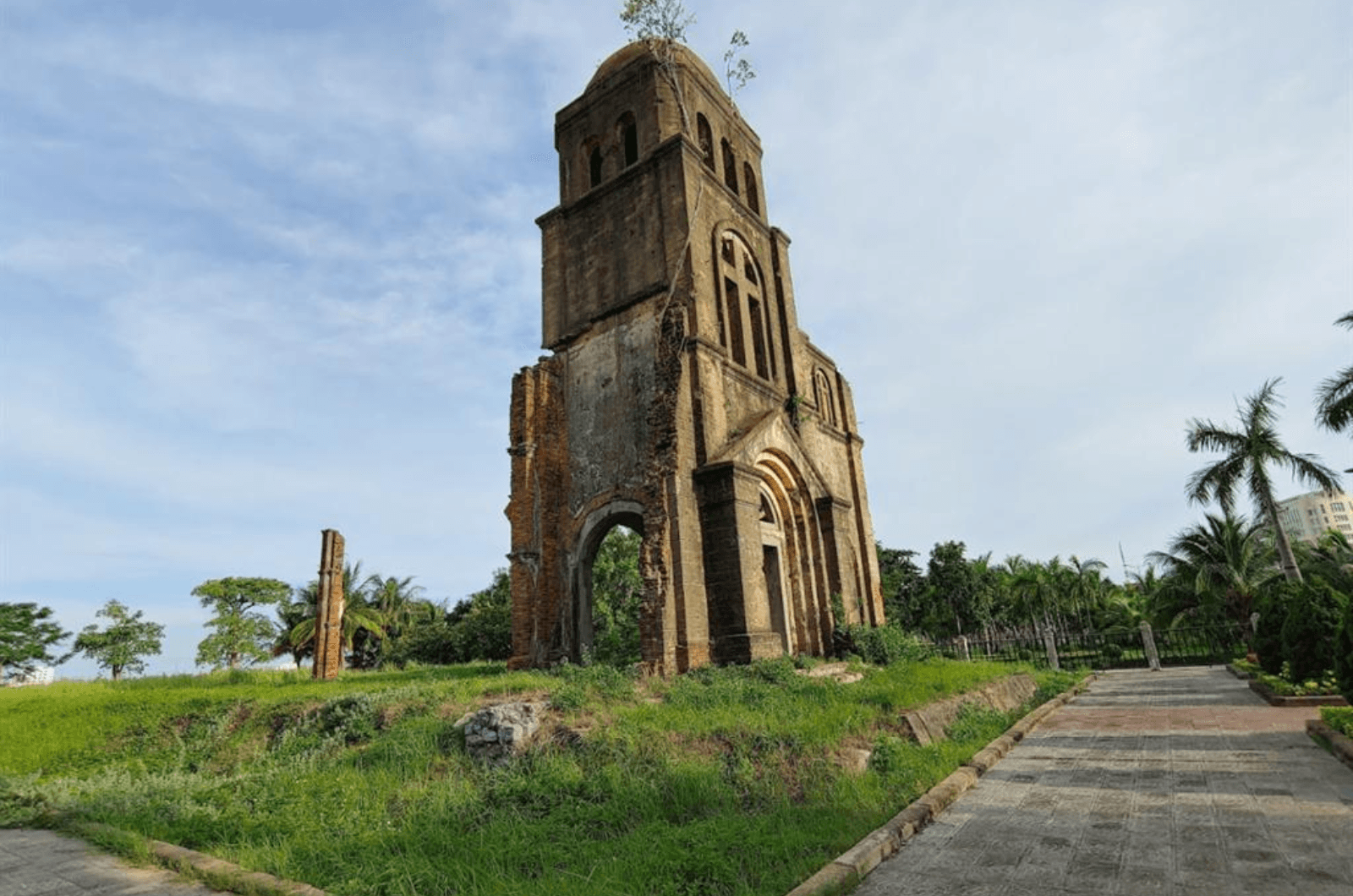
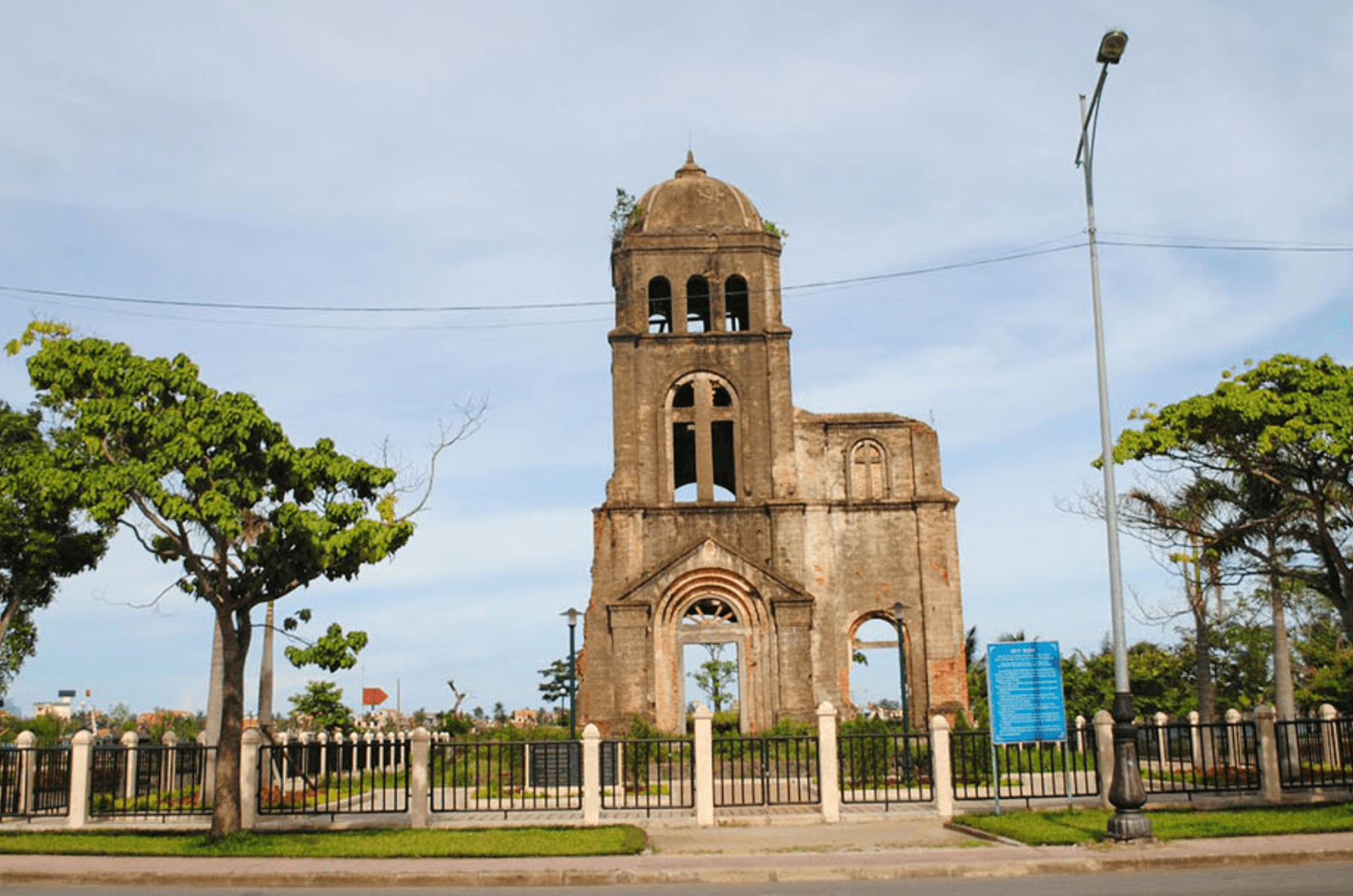
The foundation of Tam Toa parish was laid in the 17th century when the Dong Hoi Parish (also known as Luy or Sao Bun parish) was formed. However, a tragic event prompted a shift. In 1886, a raid by the Van Than movement on the Sao Bun parish took the lives of 52 parishioners and burned down the church. For this reason, a large number of parishioners had to flee to Dong Hoi for refuge. Around the end of 1886, the Sao Bun religious community officially relocated to Dong Hoi, laying the foundation for Tam Toa Parish and beginning the construction of the first church on the banks of the Nhat Le River.
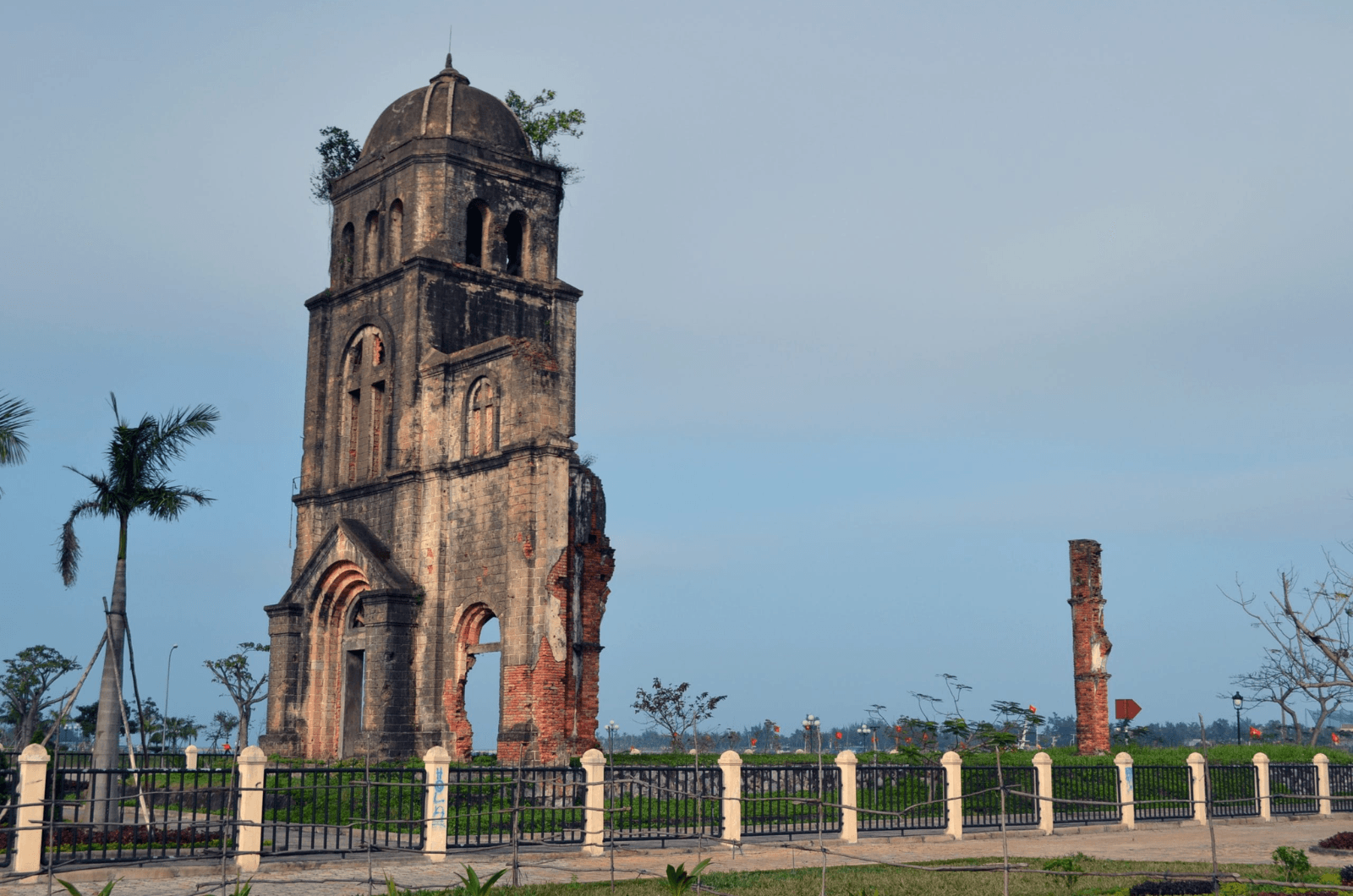
The construction of the old Tam Toa church officially commenced in 1887 under the direction of priest Claude Bonin (locally known as Father Ninh). The church was built to serve about 1,200 parishioners in the region. The original architecture of the church featured a characteristic Gothic style, popular in Europe in the 19th century, or influenced by Portuguese architecture, creating a massive and unique structure.
In 1887, under the direction of priest Claude Bonin (Father Ninh), Tam Toa Church began construction with Portuguese architectural style, carrying a distinctive ancient charm. By 1940, priest René Morineau (Father Trung) renovated and reconstructed it, helping the church become one of the most beautiful religious structures in Vietnam at that time, featuring 19th-century European Gothic architecture. The church was not only a place for religious rituals such as prayer, confession, and baptism, but also a cultural activity center for the Catholic community in Dong Hoi.
In particular, Tam Toa Church is associated with an important historical event: it is the place where poet Han Mac Tu was baptized in 1912, with the Christian name François Nguyen Trong Tri. This further enhances the cultural and spiritual value of the monument.