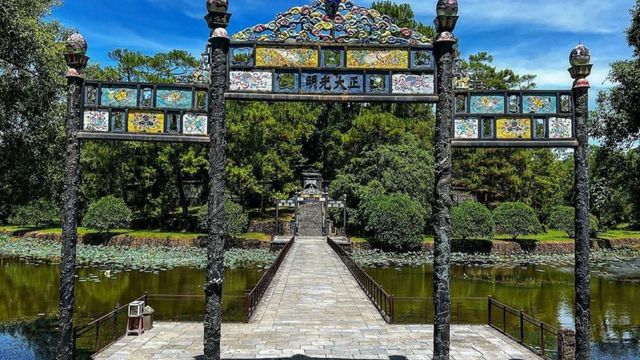
Lăng Minh Mạng: Tuyệt tác kiến trúc và dấu ấn tâm linh của triều Nguyễn
TRAVEL GUIDEMinh Mang Tomb

Exploring Minh Mang Tomb in Hue on your own is an ideal journey for those who love the combination of tranquil nature and the majestic architecture of the Nguyen Dynasty. From shady pathways and clear blue lakes to iconic structures like Dai Hong Mon, Sung An Temple, or Minh Lau, a visit to Minh Mang Tomb will bring you both relaxing and profound experiences, steeped in the historical breath of the ancient capital.

In this handbook from Sovaba Travel, you will find detailed guides to explore the entire tomb complex, from transportation and ideal visiting times to highlight stops within the vast grounds. Additionally, we also share useful tips as well as entrance fees to make your self-guided trip more complete and memorable.
Introduction to Minh Mang Tomb

Minh Mang Tomb (Hieu Lang) is the final resting place of Emperor Minh Mang – the second ruler of the Nguyen Dynasty, who reigned from 1820 to 1841. The complex is one of seven prominent royal tombs within the Hue Monument Complex, recognized by UNESCO as a World Cultural Heritage site in 1993.

Located on Cam Ke Mountain (later renamed Hieu Son), the tomb lies near the Bang Lang fork where the Ta Trach and Huu Trach rivers converge to form the scenic Perfume River. Featuring ideal feng shui principles ("leaning against mountains, facing water"), Minh Mang Tomb is considered one of the grandest, most balanced, and canonical tomb architectures of the Nguyen Dynasty, reflecting court aesthetics and Confucian philosophy of its era.

Lăng được xây dựng là nơi yên nghỉ của vua Minh Mạng
Photo: The tomb was built as the final resting place of King Minh Mang 

Construction History of Minh Mang Tomb

King Minh Mang spent nearly 14 years surveying and selecting a location with ideal feng shui for his final resting site. In April 1840 (lunar calendar), construction officially began at Cam Ke Mountain. The build mobilized over 10,000 artisans and soldiers under the supervision of high-ranking mandarins like Truong Dang Que, Ha Duy Phien, and Nguyen Tri Phuong.

In January 1841, King Minh Mang passed away while the work was still underway. Subsequently, King Thieu Tri – the successor prince – continued overseeing the project, strictly following the designs left behind by the late emperor. In August 1841, the King's remains were interred inside Buu Thanh at the heart of the complex. Construction concluded in 1843. Although completed within 3 years, the massive scale and precise layout demonstrated exceptional planning abilities and the benevolent leadership philosophy of this Nguyen Dynasty monarch.

Kiến trúc lăng thể hiện chiều sâu văn hóa Việt
Photo: The tomb's architecture reflects the depth of Vietnamese culture 

Location and How to Get to Minh Mang Tomb

Minh Mang Tomb is situated on Cam Ke Mountain, Huong Tho Commune, Hue City, Thua Thien Hue Province, about 12-14 km west of the city center. This location is near Bang Lang fork where the Perfume River originates, creating a poetic surrounding landscape.

Popular ways to travel:

  • From central Hue: Follow Le Loi Street → Dien Bien Phu → Le Ngo Cat → Minh Mang (QL49) → turn right at Bang Lang fork onto Tuan Bridge. It takes about 20-30 minutes by motorbike or car.
  • Public Bus: Take bus route No. 4 or 5 from Hue to the tomb, costing around 10,000–20,000 VND.
  • Taxi or Grab: Costs around 150,000–200.000 VND per way, convenient for small groups.
  • Group/Private Tour: If combining visits with Khai Dinh or Tu Duc tombs, choose a private car tour or a dragon boat ride along the Perfume River for a scenic experience.

If riding a motorbike, check the weather forecast as Route QL49 can get slippery during rain.

Entrance Ticket Prices and Opening Hours of Minh Mang Tomb

To ensure a smooth and pleasant exploration of Minh Mang Tomb, understanding ticket prices and operating hours is essential for every visitor.

Ticket Prices (applied equally to domestic and international tourists):

  • Adults: 150,000 VND/ticket
  • Children (7–12 years old): 30,000 VND/ticket
  • Children under 6 years old: Free

Cost-saving Combo Tickets:

  • Minh Mang Tomb + Gia Long Tomb: 240,000 VND/adult
  • 3-Tomb Combo (Minh Mang + Tu Duc + Khai Dinh): around 420,000 VND (depending on route)

Opening Hours:

  • 07:00 – 17:30 daily (may open earlier in summer)
  • Ideal visiting duration: 1.5 – 2.5 hours

Important Notes:

  • Tickets are sold at the gate or can be booked online via platforms like Klook or official Hue monument apps to avoid queuing.
  • Vietnamese citizens may enjoy free admission on major holidays like August 19, September 2, or Lunar New Year.

Overall, with reasonable costs and flexible operating hours, Minh Mang Tomb is an accessible destination suited for any Hue heritage tour.

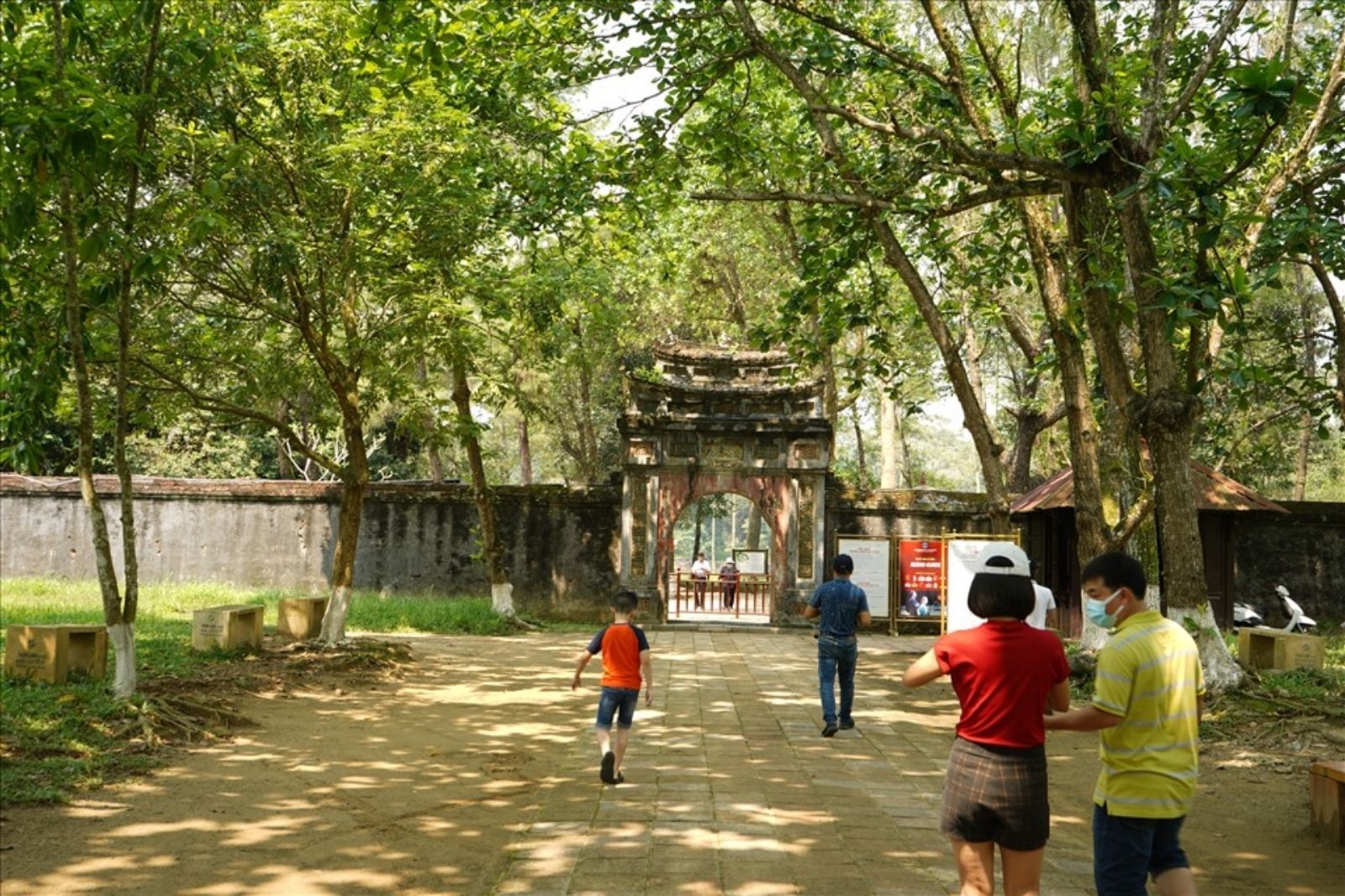
Du khách cần mua vé để tham quan Lăng Minh Mạng
Photo: Visitors need to purchase tickets to tour Minh Mang Tomb 

Ideal Time to Visit Minh Mang Tomb

To fully experience the serene and harmonious atmosphere of Minh Mang Tomb, choosing the right time to visit plays an important role.

Best Seasons:

  • From January to April (spring) and May to August (dry season) are considered the most ideal times. The weather is pleasant with little rain and lush greenery; notably, Trung Minh Lake blooms with lotus flowers in summer, creating an elegant backdrop perfect for sightseeing and photography.

Times to Avoid:

  • From September to December, Hue enters its heavy rainy season with wet weather that may affect your travel and outdoor experience.

Best Time of Day:

  • Early morning (07:00 – 10:00) or late afternoon (15:00 – 17:00) are ideal to avoid strong sunlight and heavy crowds while enjoying the quiet atmosphere of the grounds.

Choosing the right time ensures a comfortable trip while enhancing your appreciation of Minh Mang Tomb's architectural and feng shui mastery.

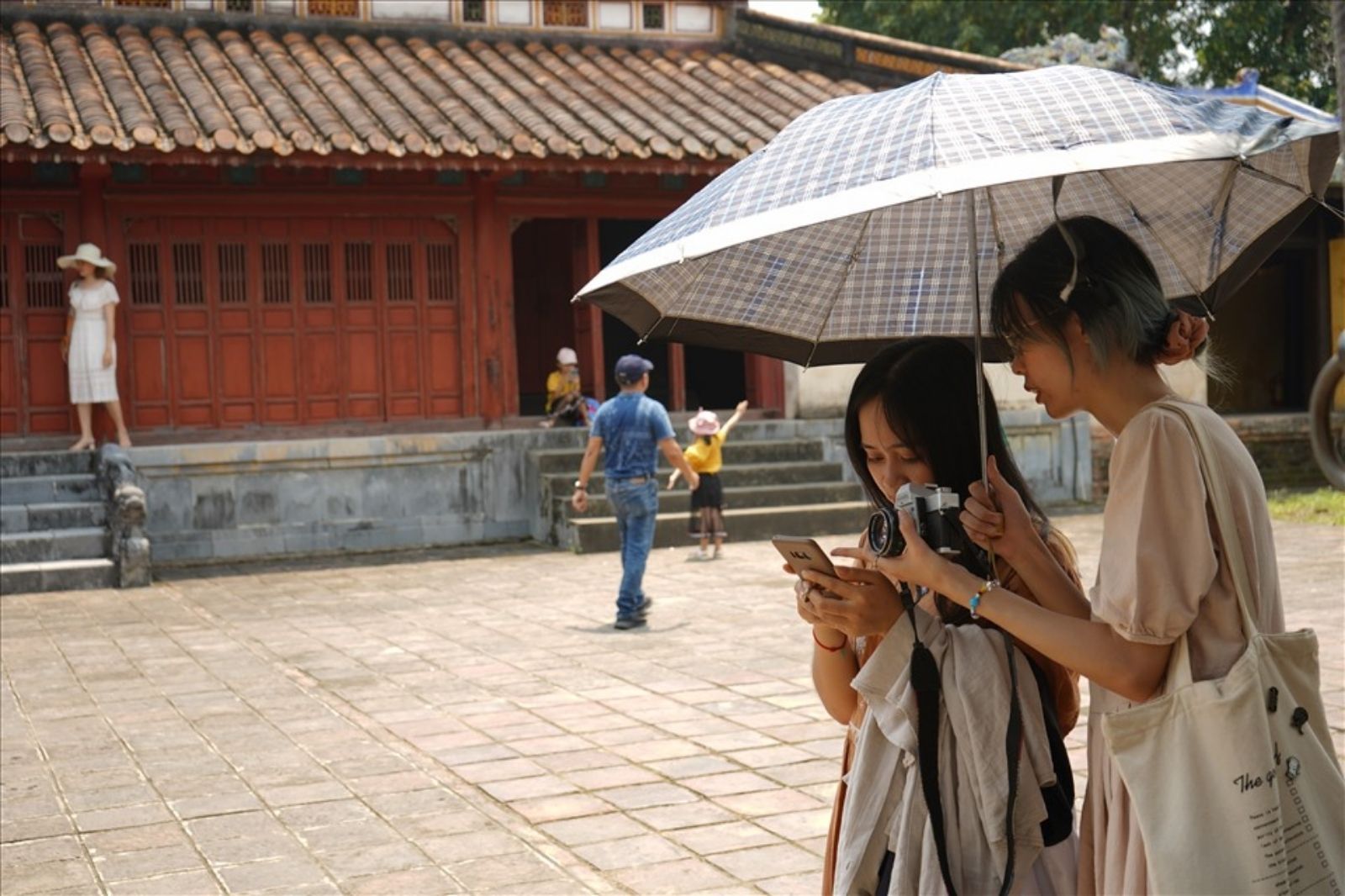
Nhiều bạn trẻ tới tham quan tìm hiểu về lăng
Photo: Many young people visit to learn about the tomb 

Unique Architecture of Minh Mang Tomb

Minh Mang Tomb is a masterpiece of feng shui and design, showcasing the strategic vision and refined aesthetic of the Nguyen Dynasty:

  • Impressive Scale: The complex covers approximately 18 hectares, enclosed by an outer wall nearly 1,750 m long, creating a solemn, grand, and self-contained sanctuary.
  • Symmetrical Layout: The layout follows three parallel axes, centered around the 700 m long Sacred Axis (Than Dao) acting as the main spine connecting all structures in strict ritual order.
  • Yin-Yang Harmony: Structures alternate subtly between high and low, dynamic and static, surrounded by natural elements like lakes, pine hills, and historic buildings for complete Eastern balance.
  • Prime Feng Shui: Set against Kim Phung Mountain with water flowing out front, the two arms of Trung Minh Lake curve around the tomb like protective hands, representing a rare and ideal physical setting.

The architectural layout of Minh Mang Tomb is impressive not only in scale but also in symbolic precision, reaffirming its place among the finest royal monuments of the Nguyen Dynasty.

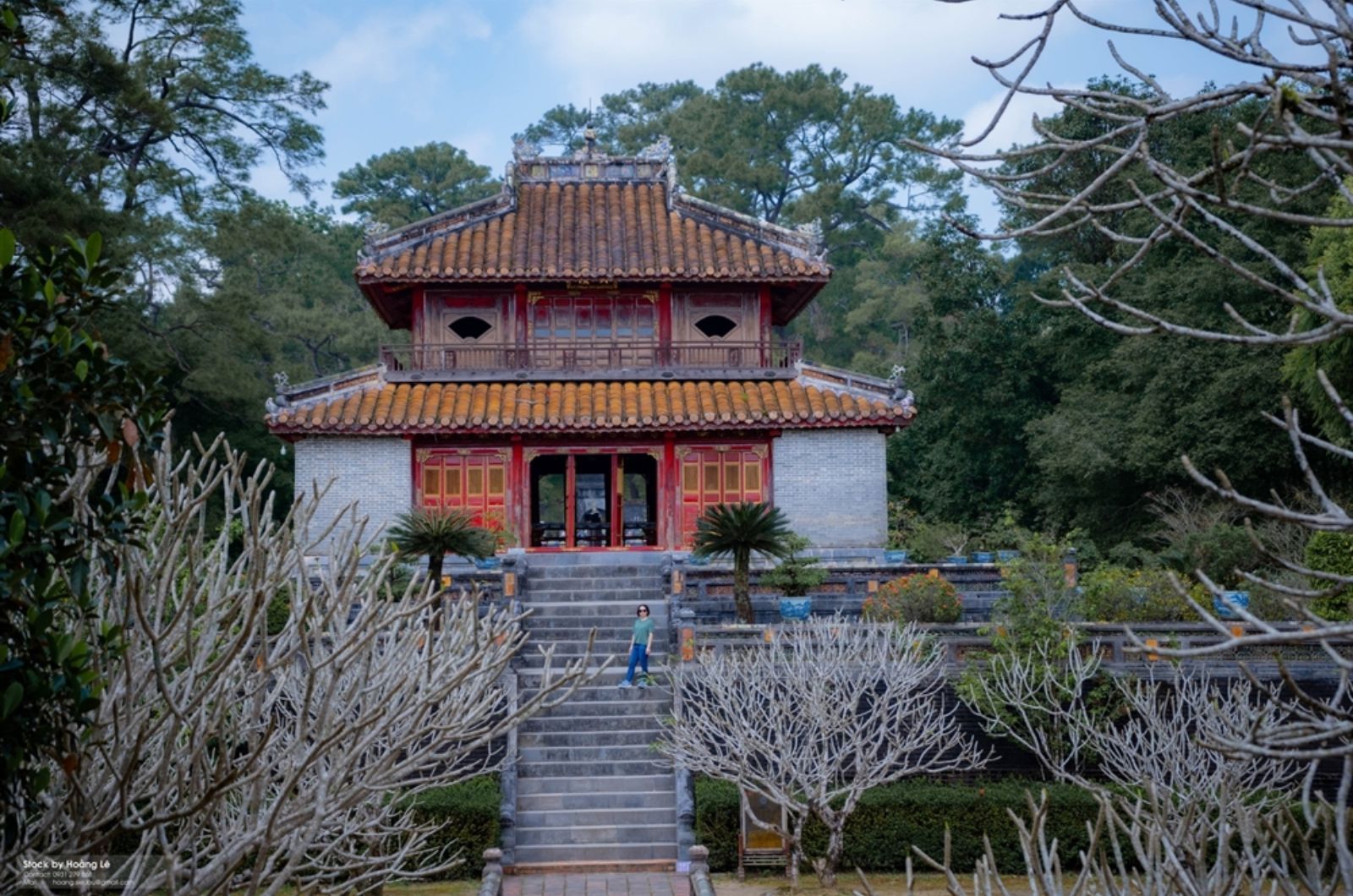
Lăng Minh Mạng mang dáng vẻ trầm mặc cổ kính
Photo: Minh Mang Tomb possesses a quiet, ancient appearance 

Detailed Tour Guide to Outstanding Highlights

To fully explore the beauty and symbolism of Minh Mang Tomb, visitors should walk along the Sacred Axis (Than Dao) – the central path traversing the entire complex from the outer grounds to the sacred inner sanctum.

Following the Sacred Axis (from outside in):

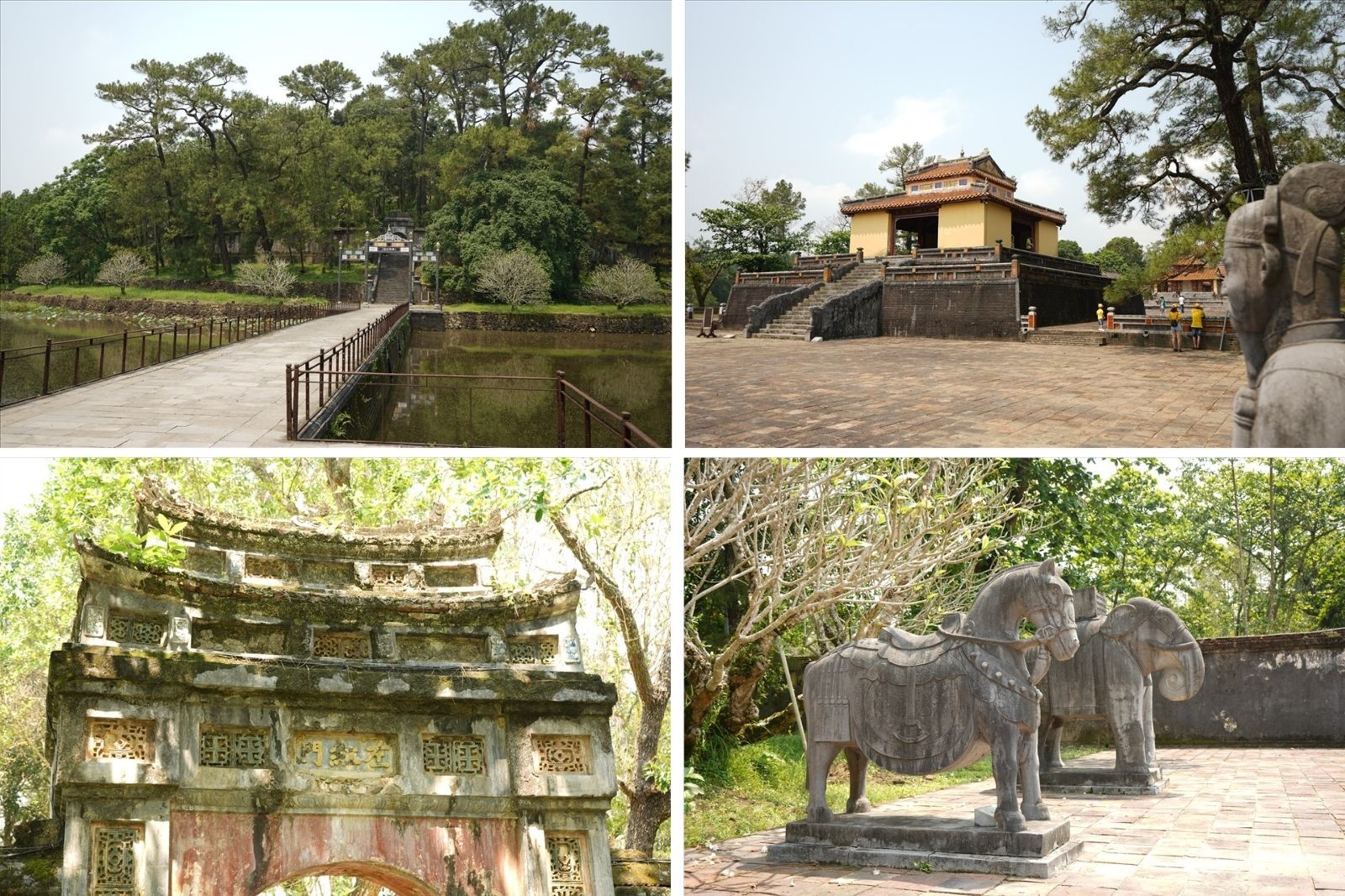
  • Dai Hong Mon (Main Gate): Standing 9 m high and 12 m wide, this imposing triple gate opened only once to admit the King's coffin. Side gates (Ta Hong Mon and Huu Hong Mon) were used for daily entry.
  • Bai Dinh & Bi Đình: Bai Dinh is a large courtyard paved with Bat Trang bricks, lined with stone statues of mandarins, elephants, and horses. Behind it sits Bi Dinh, housing the "Thanh Duc Than Cong" stele commemorating King Minh Mang's achievements.
  • Hien Duc Mon: An important transition gate leading into the sacred temple area.
  • Sung An Temple: The spiritual heart of the tomb, housing the altars of King Minh Mang and his Queen, built in classic Hue court style.
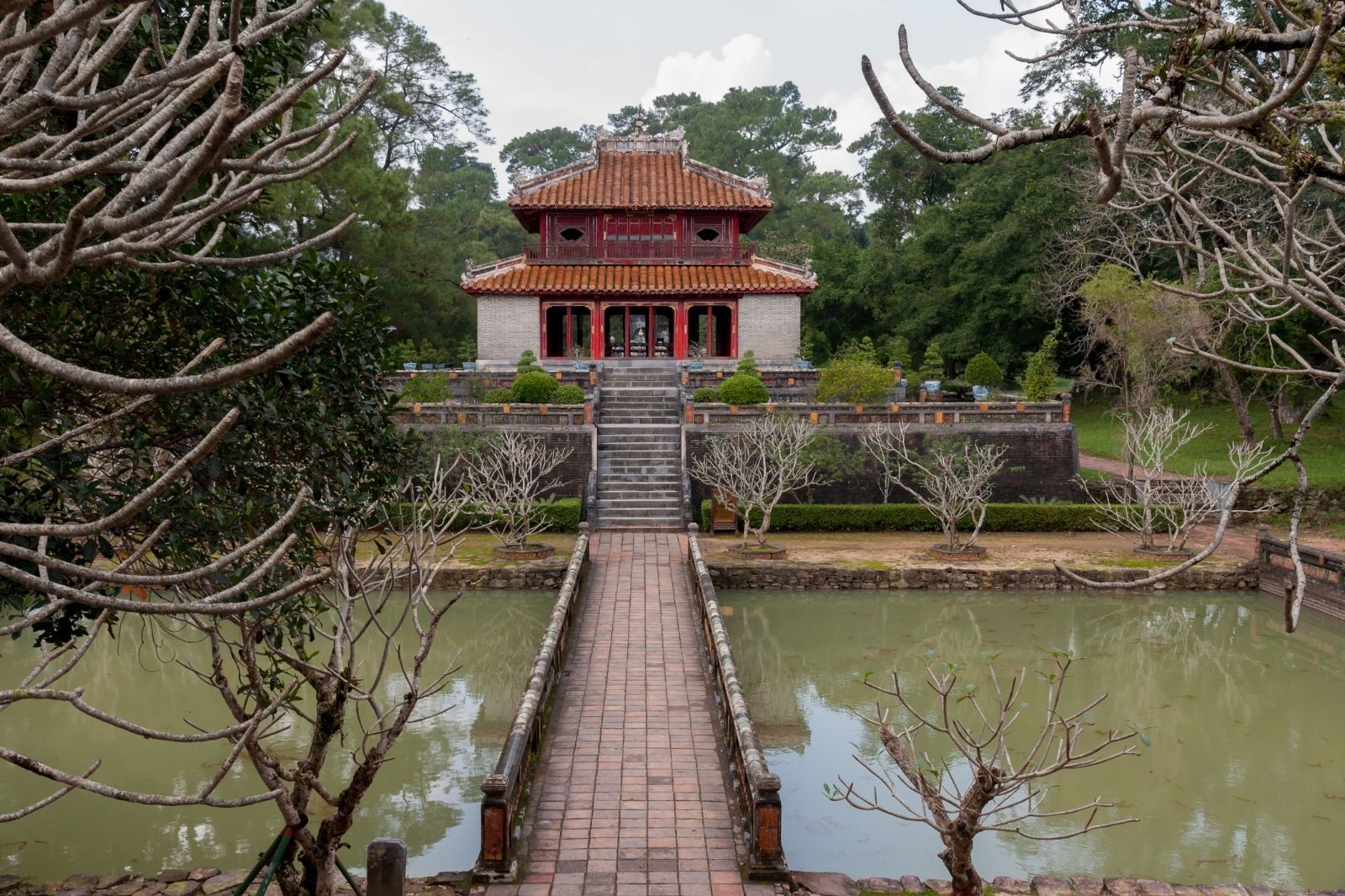
  • Trung Minh Lake & Minh Lau Pavilion: Lush lotus lakes frame Minh Lau Pavilion on a central island, symbolizing wisdom and intellect while offering a picturesque spot for photos.
  • Thong Minh Chinh Truc Bridge: A graceful stone bridge connecting Minh Lau Pavilion to the burial area, reflecting Confucian values of integrity and wisdom.
  • Buu Thanh: The actual burial mound of King Minh Mang, situated on a small hill encircled by green pine trees, creating a quiet and solemn sanctuary.

With a clear path and harmonious blend of architecture, nature, and philosophy, visiting Minh Mang Tomb offers a deep, rich cultural and historical journey.

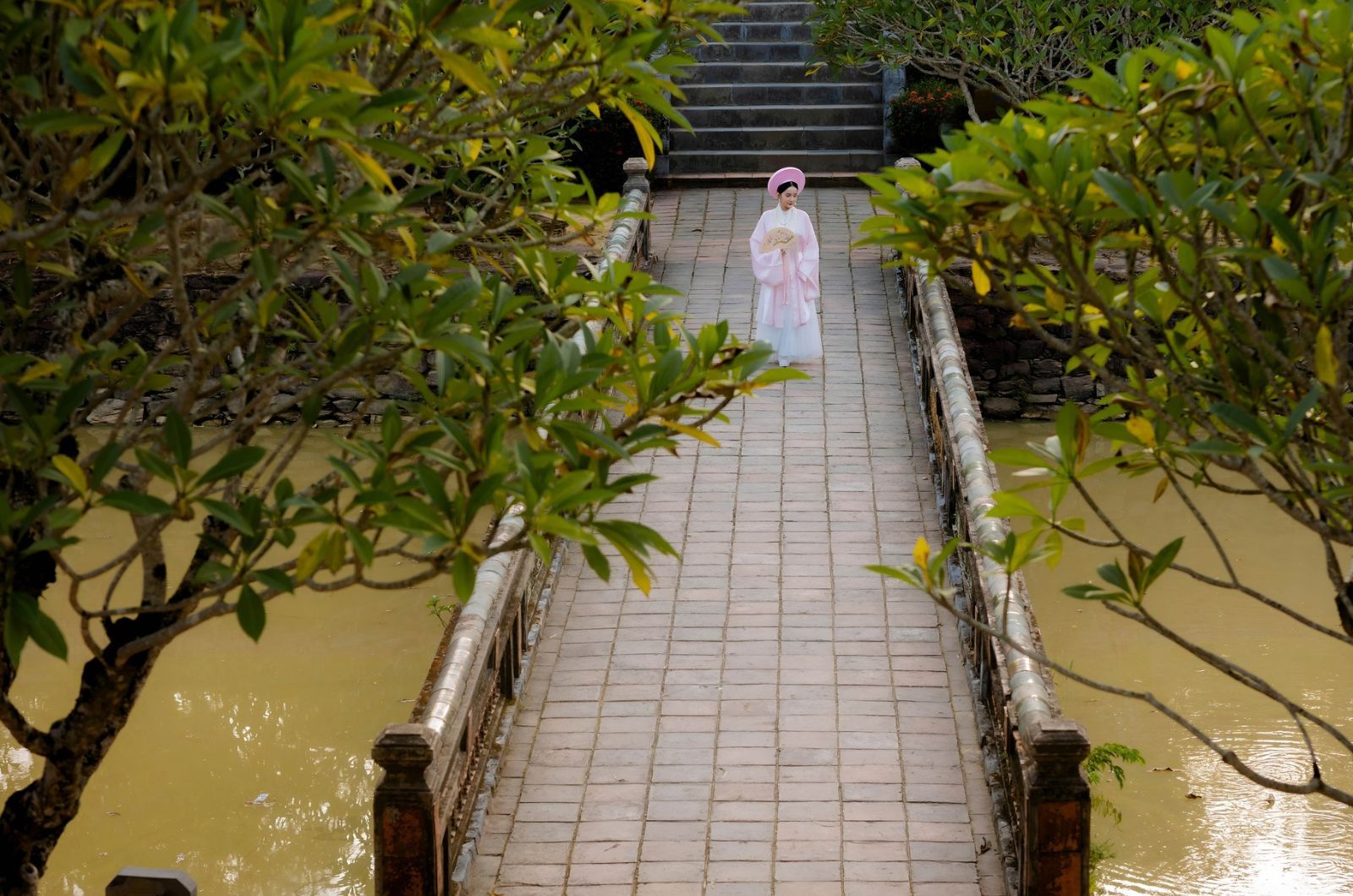
Check-in ở Lăng Minh Mạng
Photo: Checking in at Minh Mang Tomb 

Spanning nearly two centuries, Minh Mang Tomb is not only the resting place of the second Nguyen Emperor but also living evidence of Asian architecture and philosophy. Every building and walkway holds deep meaning, leaving a lasting impression on visitors. For a complete and convenient journey, explore the Minh Mang Tomb tours organized by Sovaba Travel. With well-planned itineraries, knowledgeable guides, and professional service, you will experience Minh Mang Tomb alongside the legendary heritage of ancient Hue.

Articles related to Minh Mang Tomb