Bán đảo Sơn Trà
TRAVEL GUIDESon Tra Peninsula

Son Tra Peninsula – the green gem of Da Nang, is a must-visit destination for nature lovers and adventurers. Boasting majestic landscapes, a rich ecosystem, and many famous check-in spots such as Linh Ung Pagoda, the thousand-year-old banyan tree, and Ban Co Peak, Son Tra offers a unique experience unlike anywhere else.

In this article, Sovaba Travel shares the A-to-Z travel guide for Son Tra Peninsula, helping you easily plan your transportation, choose the ideal time, and fully enjoy your journey at the most reasonable cost.
Introduction to Son Tra Peninsula

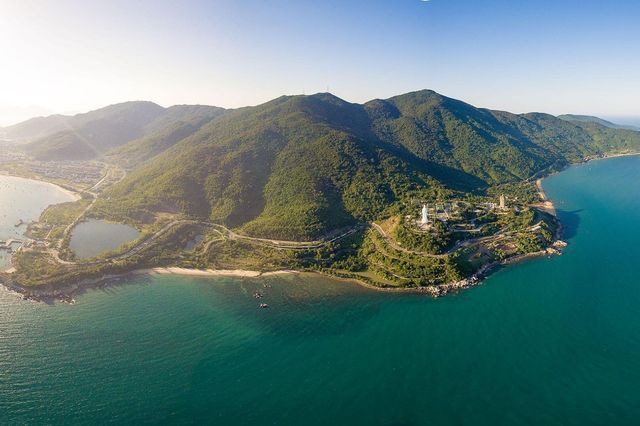
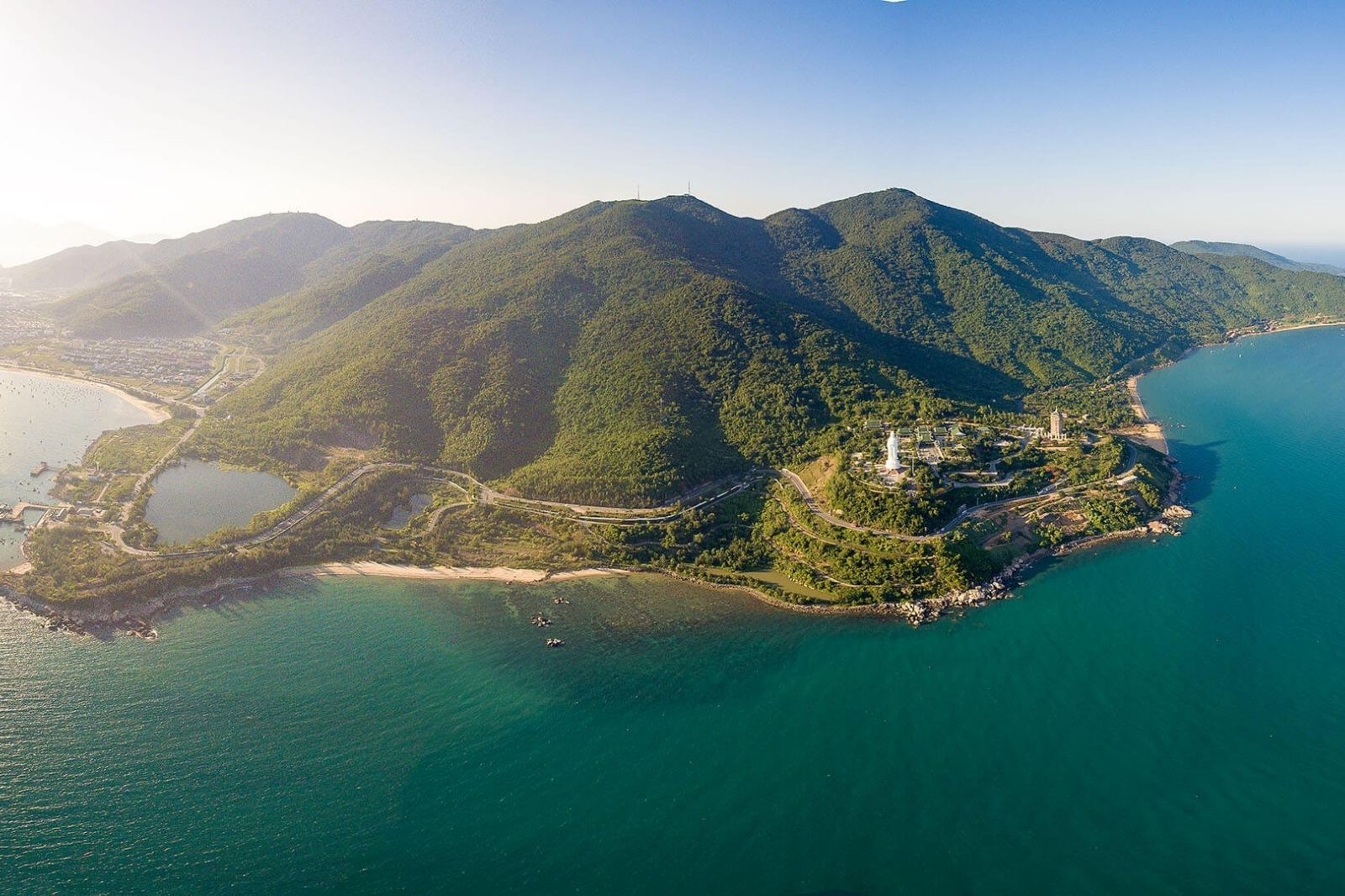
Located in the northeast of Da Nang city, about 10–15km from the center, Son Tra Peninsula covers an area of over 4,000 hectares with diverse terrain blending mountains, forests, and sea. It has been recognized by UNESCO as a World Biosphere Reserve thanks to its rich primary tropical rainforest ecosystem, hosting more than 1,000 plant species and 2,000 rare animal species.

Historically, Son Tra served as a strategic military base during wartime, and today it has become a signature eco-tourism symbol of Da Nang. Featuring a mild year-round climate with average temperatures ranging from 25–28°C, fresh air, and high yet pleasant humidity, it is referred to as the “green lung” of this coastal city.

Panoramic overhead view of Son Tra Peninsula
Photo: Panoramic overhead view of Son Tra Peninsula 

A prominent icon of Son Tra is the red-shanked douc langur – a rare endemic primate species, with only about 1,000 individuals currently living in the wild. Visiting Son Tra, travelers can not only admire majestic scenery but also have the chance to “slow down” amidst nature, fully enjoying a rare sense of peace and tranquility.

Ideal Time to Visit Son Tra Peninsula

Weather is a crucial factor determining your experience when exploring Son Tra Peninsula. This area features a tropical monsoon climate divided into two distinct seasons: the dry season (from March to September) and the rainy season (from October to February of the following year).

  • From March to September: This is the peak tourist season in Son Tra, when skies are clear, sunshine is brilliant, seas are calm, and mountain passes are dry. This period is ideal for trekking, swimming, sunset watching, or nature photography.
  • From October to February: This is the rainy season, when roads are slippery and storms occasionally occur, making it less suitable for road travel or outdoor sightseeing. However, travel service prices often drop by 30–50%, making it suitable for travelers seeking quiet experiences or budget savings.

Additionally, you can choose a suitable time based on personal preferences:

  • Summer (June–August): Although crowded, it is ideal for family vacations, swimming, and snorkeling.
  • Autumn (September–November): Cool and slightly chilly air, scenery bathed in yellow foliage and hazy morning mist, perfect for those who love photography and exploring peaceful nature.
The dry season is the peak period for tourists
Photo: The dry season is the peak period for tourists 

Top Attractions in Son Tra Peninsula

Boasting over 20 attractions large and small, Son Tra Peninsula is a destination bringing together the beauty of nature, spirituality, culture, and marine ecology. Here are the 8 most iconic spots visitors should not miss:

Spiritual & Cultural Attractions

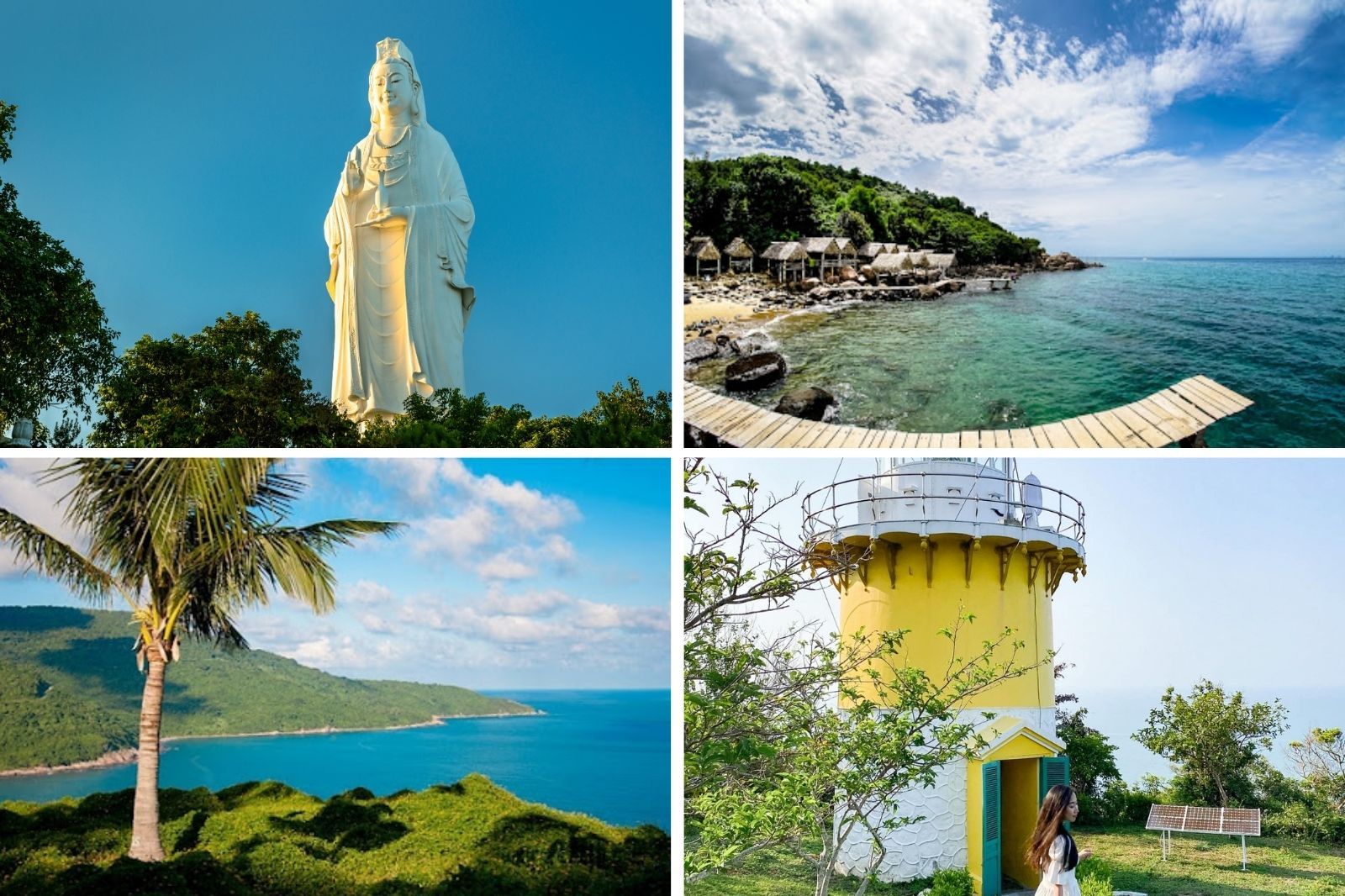
  • Linh Ung Pagoda (Son Tra): A famous sacred pagoda featuring a 67m Lady Buddha statue – a spiritual icon of Da Nang. Dignified East Asian architecture and serene atmosphere, open from 6:00 to 18:00 with free admission. An ideal place for photos, worship, and praying for peace.
  • Radar Station 29: A wartime historical relic often called the “Indochina's Eyes.” Featuring mysterious bunker architecture at an altitude of over 600m, accessible via a 30-minute trek from the main road.

Sightseeing & Check-in Spots

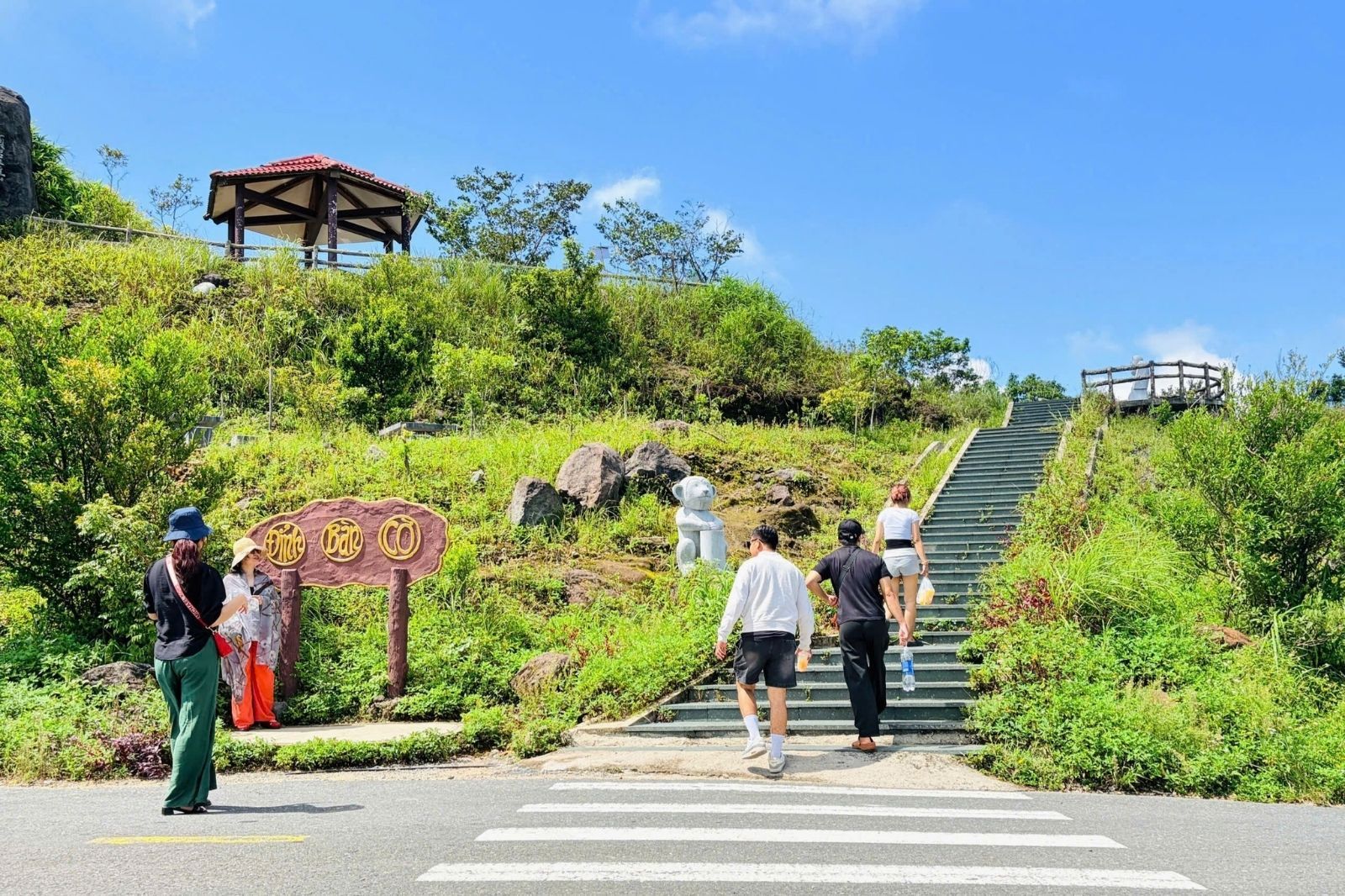
  • Ban Co Peak (Chessboard Peak): Known as the “roof of Da Nang,” home to a giant stone chessboard and a contemplative statue of Lao Tzu among the clouds. From here, you can enjoy a 360° view of the East Sea, especially ideal for cloud hunting, sunset viewing, or flying drones.
  • Mui Nghe (Nghe Cape): A sea lion-shaped headland extending into the ocean, the first spot to welcome the sunrise in Da Nang. Majestic landscape, suitable for light outings or picnics.

Beaches & Eco-spots

  • Bai But: A beach retaining pristine and peaceful charm, famous for clear waters and small fishing villages. Visitors can participate in coral snorkeling (around 500,000 VND/person).
  • Tien Sa Beach: Located near Linh Ung Pagoda, this small beach features calm waves and emerald green water, perfect for sunbathing and family vacations.
  • Thousand-Year Banyan Tree: A natural symbol of Son Tra over 800 years old, with a wide canopy and intricate roots forming a gateway to a “fairy forest.” Visitors can easily spot red-shanked douc langurs around this area.
  • Obama Rock Beach: Highlighted by natural black rocks and a wooden bridge facing the sea, this spot was visited by former US President Barack Obama in 2016. It is one of the most favorite Instagram check-in spots for young travelers.

The distance between spots is only 5–10km, making travel very convenient by motorbike or electric car. 

Some tourist destinations on Son Tra Peninsula
Photo: Some tourist destinations on Son Tra Peninsula 

Travel Tips for Son Tra Peninsula

To ensure a complete and safe exploration of Son Tra Peninsula, travelers should prepare thoroughly before setting off. Below are several important tips recommended by Sovaba Travel:

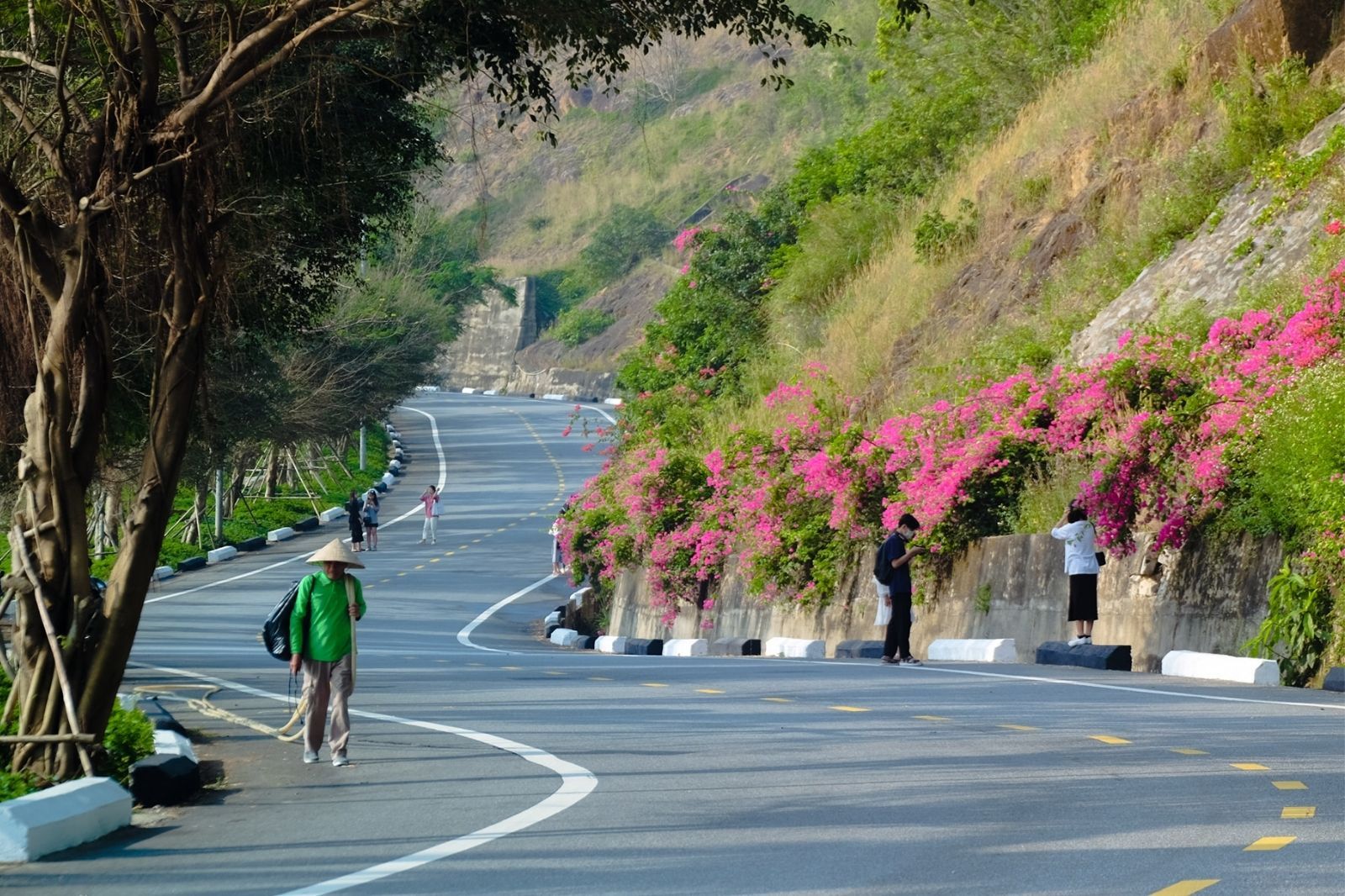
  • Transportation: The road up Son Tra has steep bends and limited visibility; travelers should opt for manual motorbikes or compact cars, avoiding travel at night or during rain.
  • Visiting time: The ideal time is early morning (6:00–10:00) or late afternoon (15:00–17:00) to avoid harsh sun and enjoy the best sunrise or sunset.
  • Environmental protection: Son Tra is a biosphere reserve home to rare animals like the red-shanked douc langur; therefore, do not feed animals, litter, or damage plants.
  • Mobile connectivity & personal preparation: Some areas at Ban Co Peak, Mui Nghe, or the Thousand-Year Banyan Tree have weak cellular signal, so download offline maps in advance and bring light snacks, water, sunscreen, and hats.
  • Costs & safety: Most sightseeing spots offer free admission, though parking or scuba diving fees may apply. Bring cash as some locations do not yet support electronic payments. 
The road up Son Tra Peninsula has many sharp bends
Photo: The road up Son Tra Peninsula has many sharp bends 

The journey to discover Son Tra Peninsula not only offers majestic natural scenery, fresh air, and a sense of tranquility amidst mountains and forests, but also allows you to truly feel the pristine beauty of Da Nang. Whether traveling independently or in a group, every step on Son Tra opens up a fresh perspective. If you want to experience Da Nang more completely without worrying about itineraries, transportation, or costs, let Sovaba Travel accompany you on our all-inclusive Son Tra Peninsula tours. With professional service, dedicated guides, and an optimized schedule, we ensure you enjoy a comfortable, safe, and memorable holiday.

Articles related to Son Tra Peninsula