7 Famous Traditional Markets in Hue: Destinations to Discover Local Specialties and Ancient Capital Culture

Central

Thua Thien Hue

Dong Ba Market

Sovaba.travel

Updated at: 22/10/2026

1. Dong Ba Market

Address: 2 Tran Hung Dao, Phu Hoa, Hue, Hue City

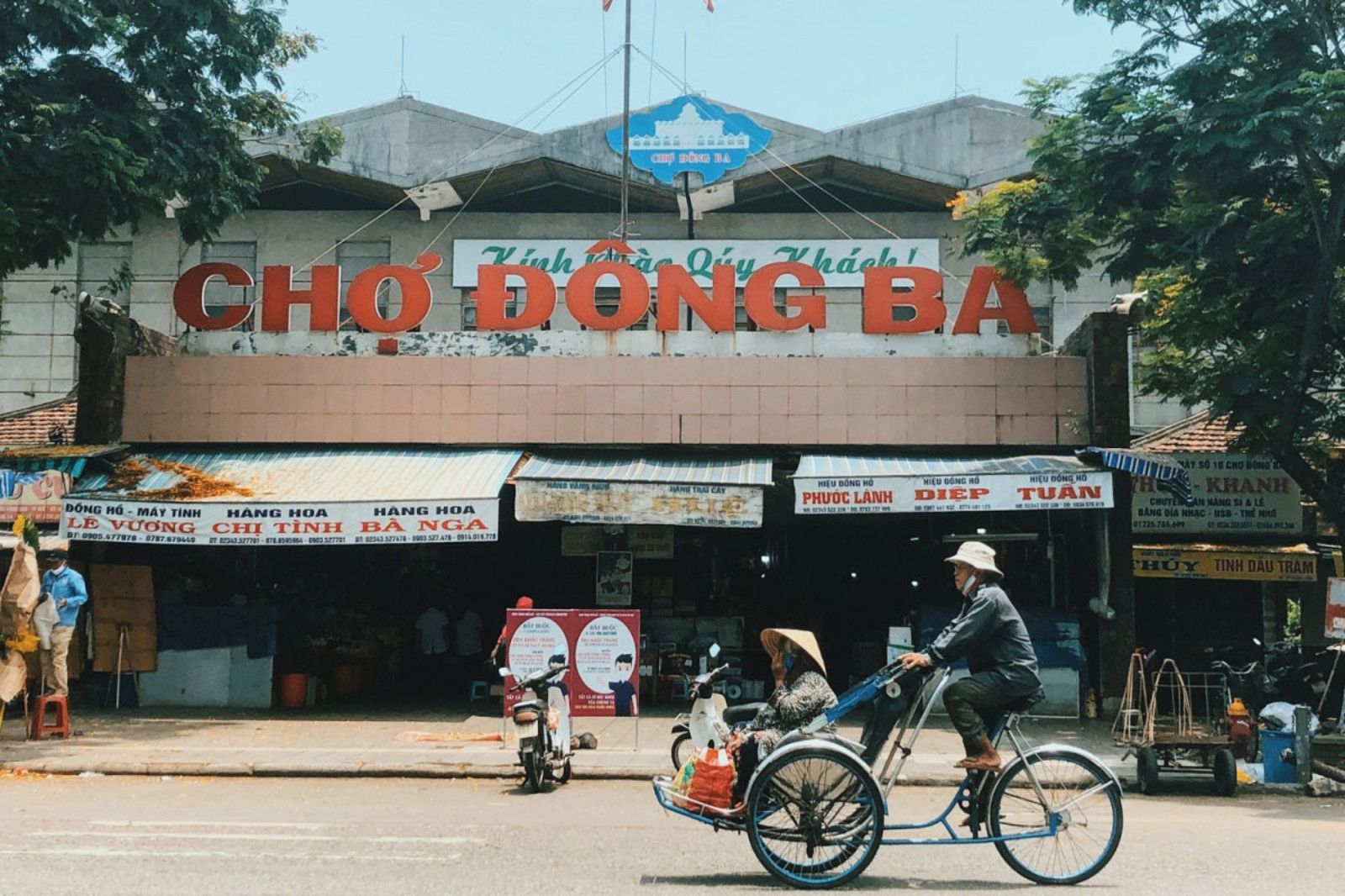
Dong Ba Market is one of the oldest and largest markets in Hue, dating back to the reign of Emperor Gia Long and rebuilt under Emperor Thanh Thai in 1899. The market's history began with Quy Gia Thi, an open-air market established during the reign of Emperor Gia Long near the Chinh Dong Gate of the Hue Citadel. In 1885, the market was destroyed by fire during the Fall of the Imperial Capital. In 1887, under Emperor Dong Khanh, the market was rebuilt; in 1899, under Emperor Thanh Thai, it was relocated to its present location. Surviving wars and several restorations, including a major renovation in 1987, Dong Ba continues to hold a vital position in the commercial and cultural life of the city.

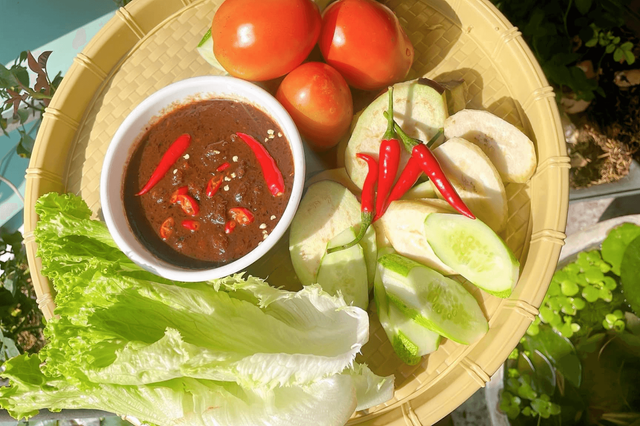
Today, strolling through the market stalls, visitors can find sesame candy (me xung), sour fermented shrimp, Hue fermented fish sauce, conical hats, traditional ao dai, along with beloved rustic dishes such as Hue beef noodle soup, steamed water fern cakes (banh beo), flat rice dumplings (banh nam), and chewy tapioca dumplings (banh loc). Each stall carries its own story, from family preparation techniques to time-honored secrets for selecting ingredients handed down through generations.
Dong Ba Market in Hue

Photo: Dong Ba Market in Hue

2. An Cuu Market

Address: Phu Nhuan, Hue, Hue City

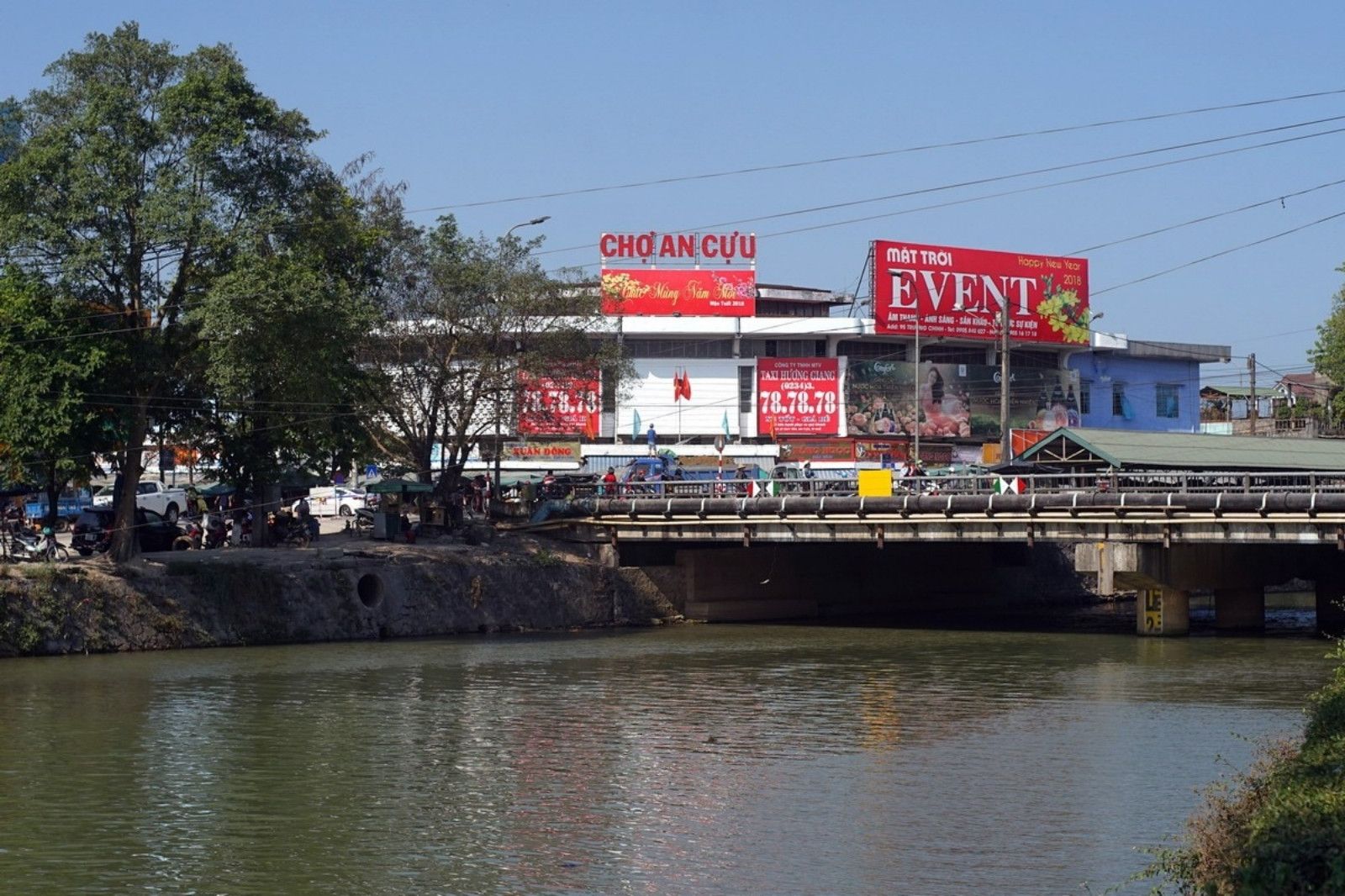
More than a century and a half have passed, and An Cuu Market continues to hold a cherished place in the everyday life of the people of Hue. Established in 1835 under the reign of Emperor Minh Mang, the market was originally named Duong Ngang Market, closely associated with the An Cuu River and the historical development of the early city. Over time, it became a major food hub where fresh produce from rural villages and waterways gathered before making its way into local home kitchens.

The charm of An Cuu lies in its everyday simplicity: baskets of vegetables glistening with morning dew, sparkling fresh fish and shrimp, colorful flat bamboo trays laden with spices, and steaming breakfast food stalls. The cuisine here showcases the rich diversity of Hue, ranging from humble everyday home-cooked dishes to distinctively flavored regional snacks. Taking a stroll through the market, visitors can both seek out tasty delicacies to enjoy and observe how the locals select their ingredients, chat, and trade with shopkeepers who have been here for decades.

A corner of An Cuu Market in Hue

Photo: A corner of An Cuu Market in Hue

3. Ben Ngu Market

Address: Phan Boi Chau, Vinh Ninh, Hue, Hue City

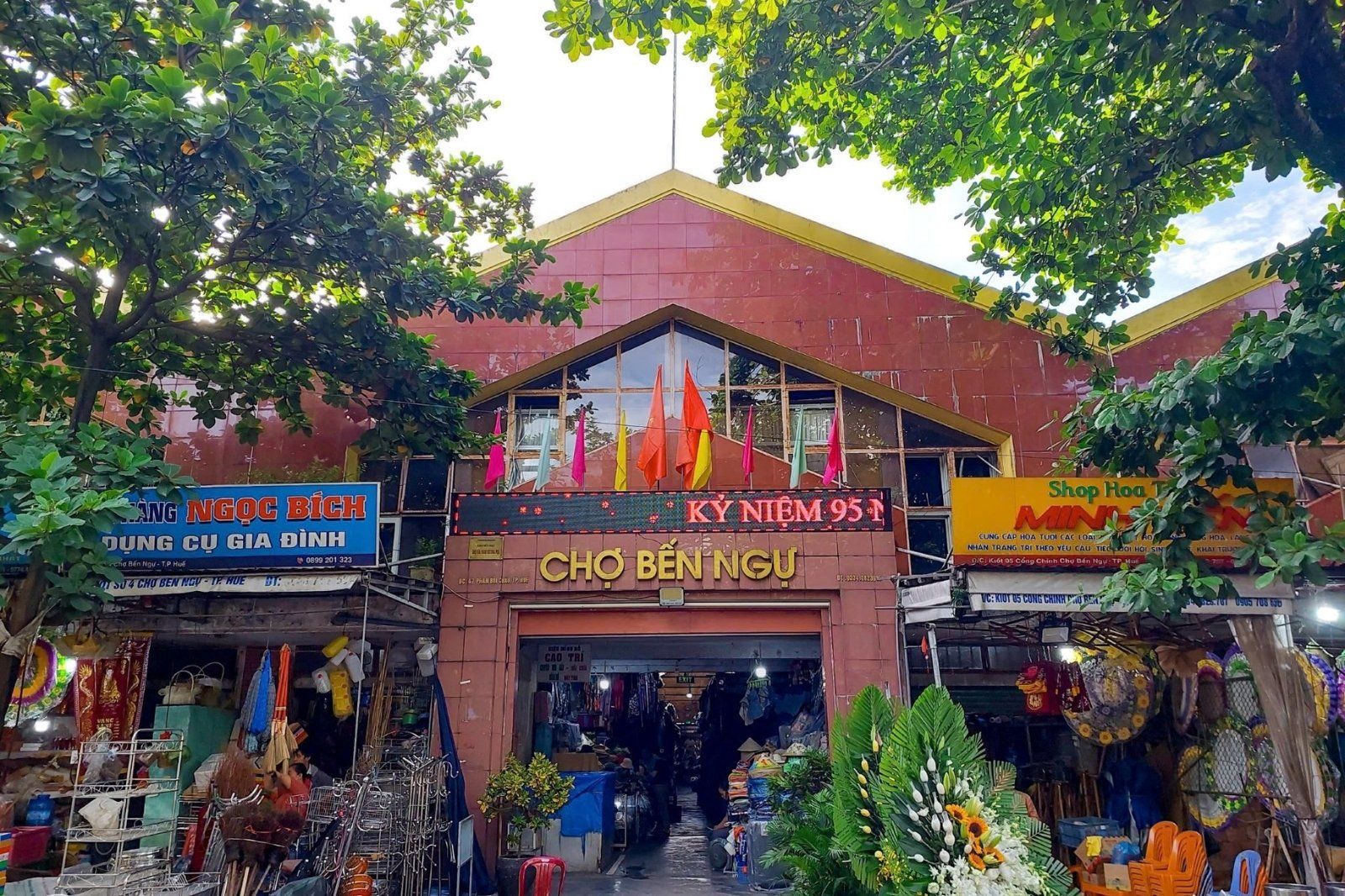
Nestled along the banks of the An Cuu River, Ben Ngu Market offers a rustic, laid-back atmosphere that reflects the authentic, gentle lifestyle of the ancient capital's residents. It is one of the four major commercial markets in Hue, primarily serving the daily necessities of the local neighborhood. Visiting Ben Ngu Market, you will be able to savor many delightful dishes such as turmeric stir-fried pork offal noodles, steamed rice rolls with minced shrimp, along with assorted steamed rice cakes like banh beo and banh loc. In addition, the specialty souvenir stalls feature an array of goods including sesame candies, royal herbal teas, and traditional conical hats—ideal for gifts. Ben Ngu Market is not merely a place of commerce, but also a wonderful setting to experience an intimate, everyday side of Hue.

Exterior of Ben Ngu Market
Photo: Exterior of Ben Ngu Market

4. Tay Loc Market

Address: 209 Nguyen Trai, Tay Loc, Hue, Hue City

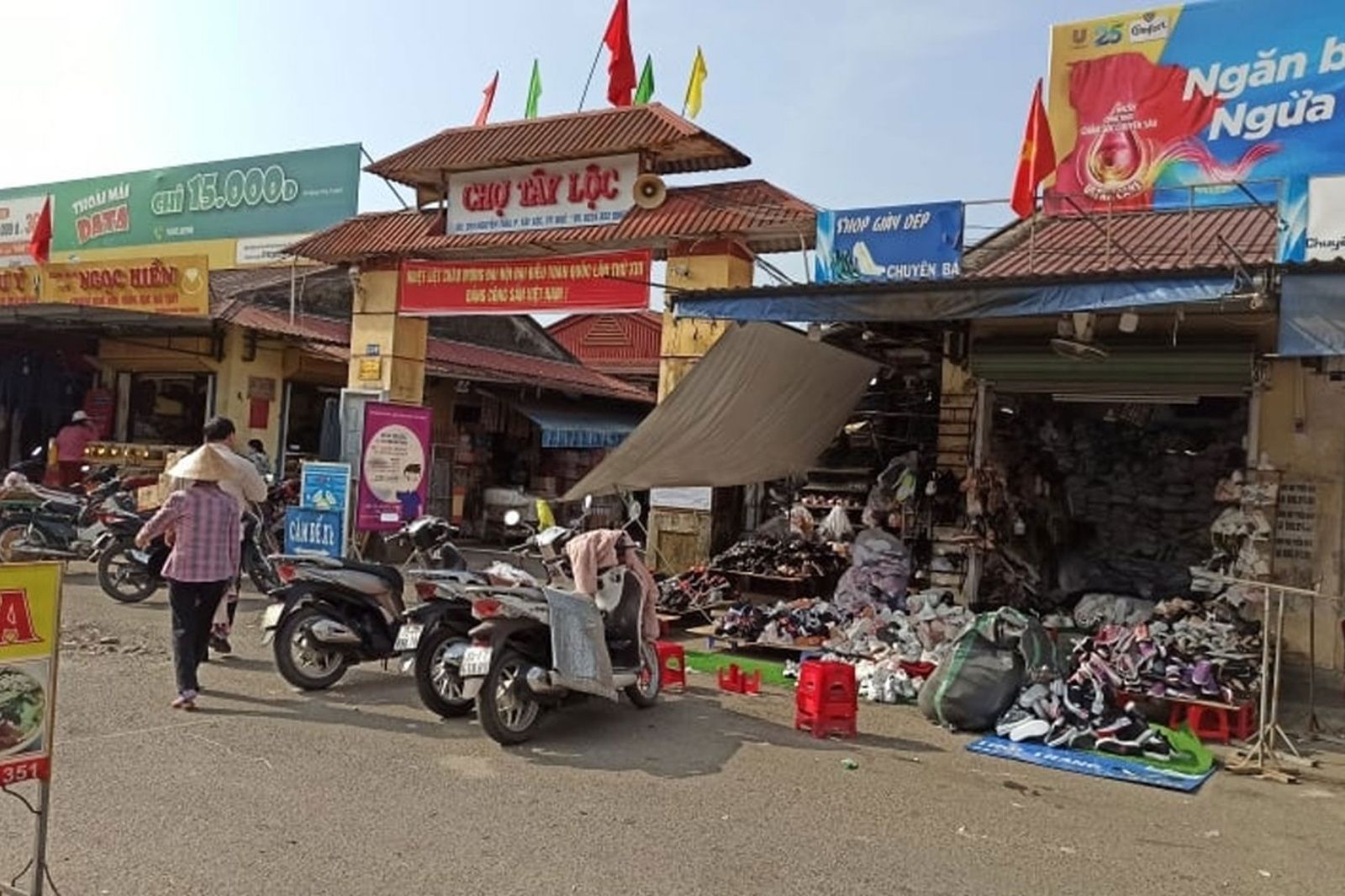
Located in an established residential quarter within the Hue Citadel, Tay Loc Market presents an atmosphere distinct from markets dedicated solely to regional delicacies or fresh groceries. Formerly known as Phu Xuan Market, it is renowned today for its unique blend of a traditional neighborhood market and a thriving secondhand bazaar. From clothing and handbags to pre-owned footwear and accessories, items are sold at very budget-friendly prices, attracting shoppers on the hunt for vintage treasures and great bargains.

Wandering through the stalls, visitors can discover a wide variety of styles, colors, and fashion trends. An ordinary-looking item can sometimes turn into an exciting find after a few minutes of browsing. This eclectic variety is precisely what defines Tay Loc Market, where shopping rewards a little patience and a keen eye.

Tay Loc Market in Hue

Photo: Tay Loc Market in Hue

5. Xep Market

Address: Nhat Le, Thuan Thanh, Hue, Hue City

Tucked away at the end of a small alley off Nhat Le Street, Xep Market retains the unpretentious character of a local community market dating back to the late 19th century. Originally serving the daily shopping needs of residents around the Dong Ba Gate area, the market also preserves a notable historical connection: the family of Deputy Laureate Nguyen Sinh Sac, father of President Ho Chi Minh, lived in Hue and frequently visited this neighborhood market. In his childhood, Nguyen Tat Thanh accompanied his father or ran errands for the family here, amidst the humble daily cadence of the ancient capital's streets.

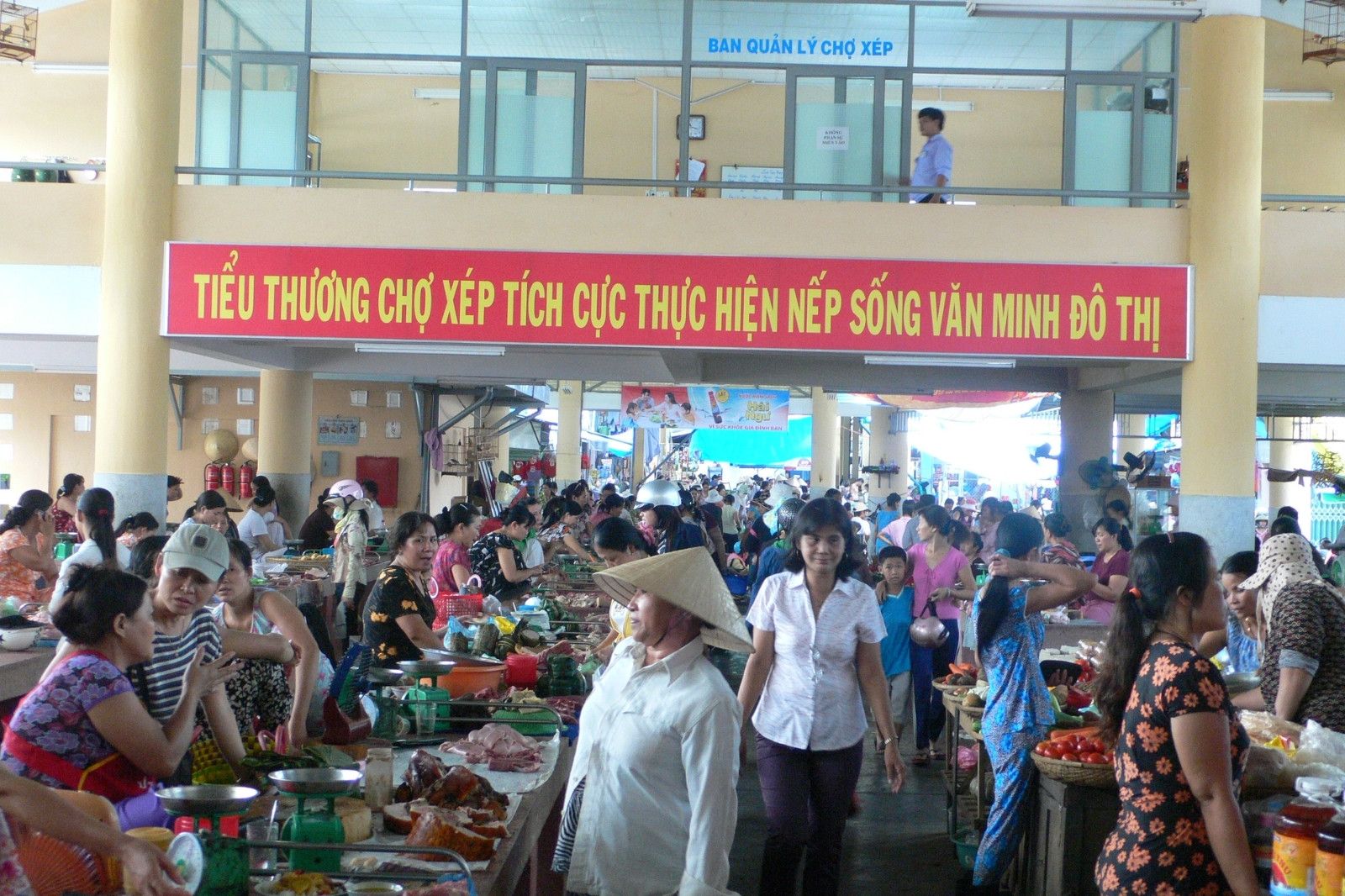
Over the years, Xep Market has become widely recognized for secondhand clothing, shoes, and vintage accessories, commonly called "do xep" or "do banh." Stalls are packed closely together with budget-friendly prices, often hiding unique vintage pieces for those willing to rummage. Its simple atmosphere and friendly, down-to-earth trading style create a unique charm distinct from increasingly modern shopping centers.

Bustling scene inside Xep Market in Hue

Photo: Bustling scene inside Xep Market in Hue

6. Vinh Thanh Market

Address: Vinh Thanh, Phu Vang, Hue City

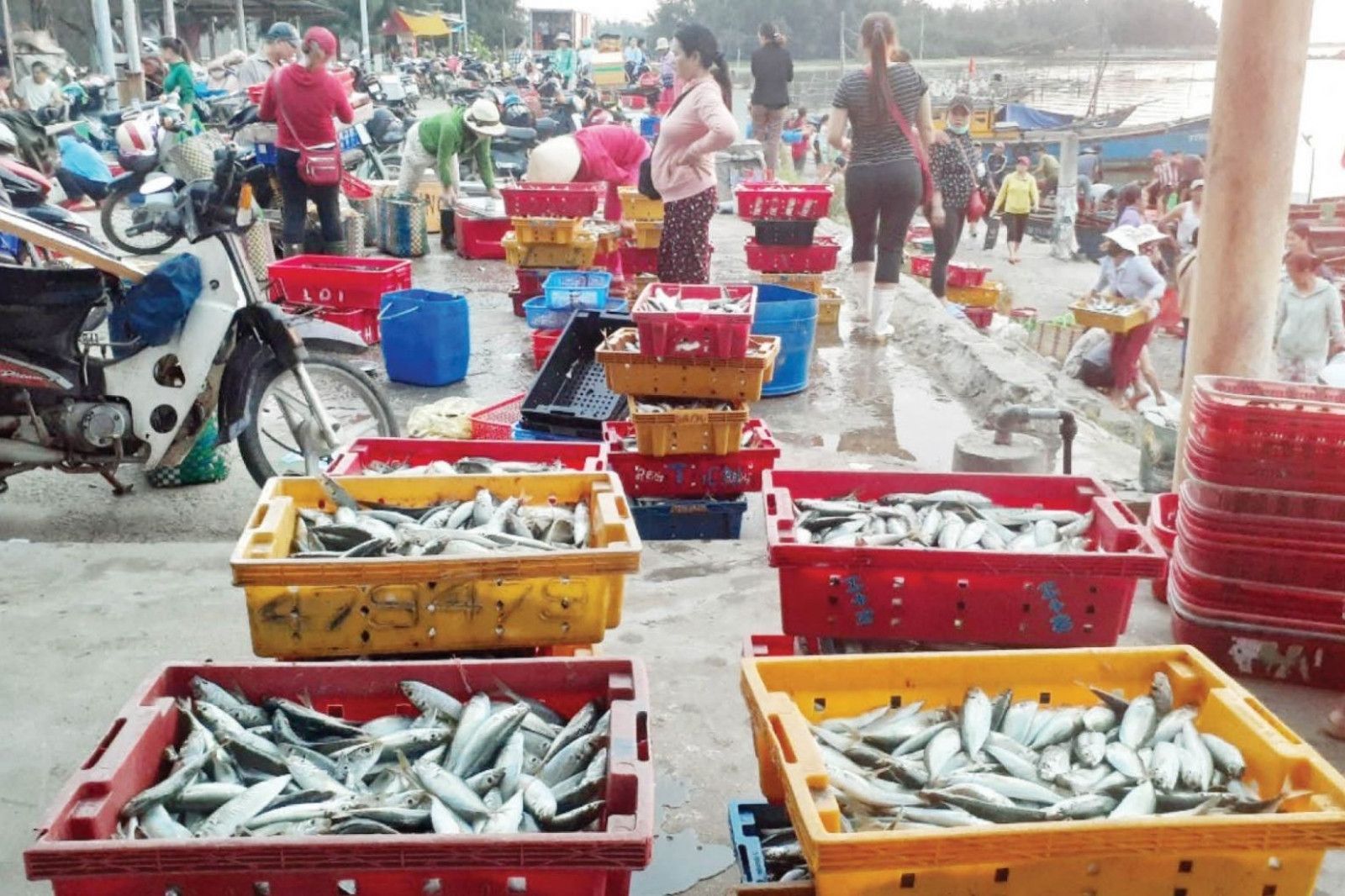
While the streets of Hue are still fast asleep, Vinh Thanh Market stirs to life as the morning fishing boats return. Situated near the coastline and the Tam Giang lagoon system, the market displays the distinctive character of a coastal community where life is intimately tied to the tides and ocean voyages. A unique feature of the market is its schedule of three sessions each day: the late-night session, affectionately called the "ghost" session by locals, which takes place between roughly 1:00 AM and 5:00 AM; followed by the morning session and the afternoon session, meeting the daily needs of nearby residents.

The midnight session is the most captivating moment. Under electric lights, freshly landed catches of fish, shrimp, and squid are brought directly to the vendor stalls. Shouts among vendors, lively bargaining, and deft hands sorting through seafood create a bustling, vibrant work environment. Many marine products are sold immediately upon landing, ensuring absolute freshness and preserving the natural bounty of Hue's coastal waters.

A crowded seafood market in Hue

Photo: A crowded seafood market in Hue

7. Nam Dong Periodic Market

Address: Huong Giang, Phu Loc, Hue City

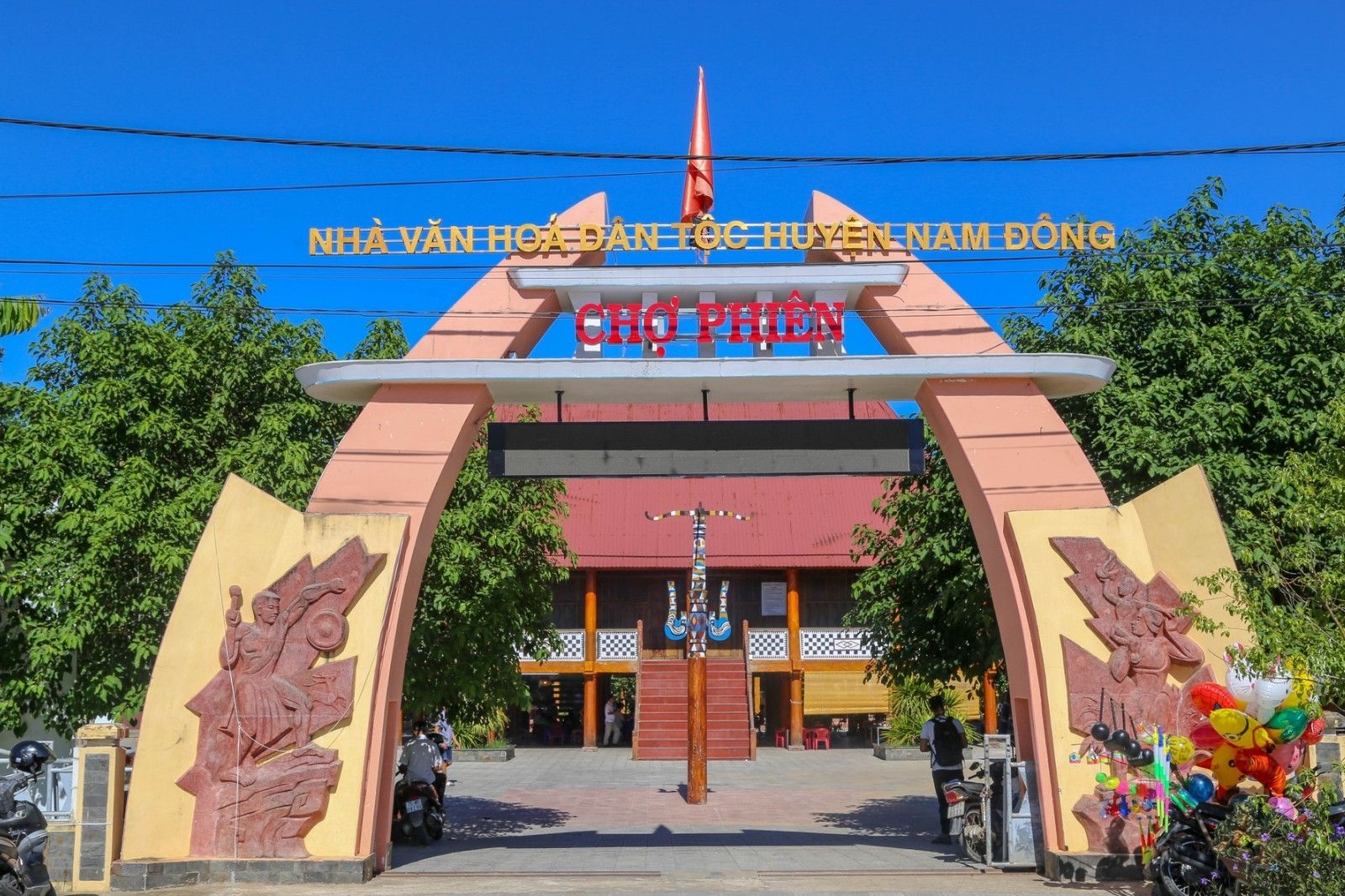
Visiting Nam Dong on market day allows travelers to experience a different aspect of Hue—rustic, infused with the fresh breath of mountain forests, and marked by the cultural traditions of local ethnic minority communities. Established in late March 2023, the periodic fair gathers fresh agricultural goods, local specialties, artisanal handicrafts, and home-grown produce made by the villagers. The trading space doubles as a community gathering where traditional ways of life are intimately shared with visitors. Key specialties: Visitors can find seasonal farm produce, wild forest vegetables, wild honey, banana-based specialties, bamboo shoots, and mountain-style delicacies. Depending on the market session, available goods may vary according to the season and local harvests.

Nam Dong Periodic Market, attracting travelers to the highlands of Hue

Photo: Nam Dong Periodic Market, attracting travelers to the highlands of Hue

Amidst the tranquil rhythm of the Ancient Capital, these seven traditional markets preserve an enduring, heartfelt, and deeply human beauty of Hue day after day. From the early morning vendor calls and the aroma of piping-hot street dishes to the cheerful colors of market stalls, everything blends into a vibrant tapestry of Hue life, past and present. Wandering through these markets, you will not only bring home delightful gifts, but also carry away memorable stories and authentic Hue experiences that can rarely be found elsewhere. And each time you return, these markets always welcome you with open arms, as gentle and warm as the local people themselves.

Featured destinations