7 Must-Try Experiences When Visiting Hoi An Ancient Town

Central

Da Nang

Hoi An

Sovaba.travel

Updated at: 26/10/2026

1. Strolling to Explore the Ancient Town

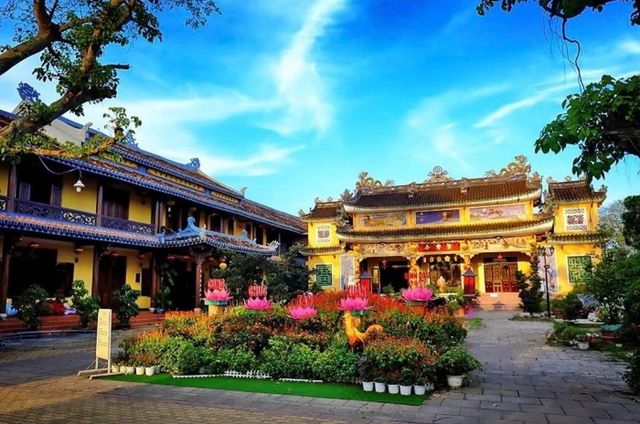
Strolling around the ancient town is the best way to feel the slow pace of life and the nostalgic beauty of Hoi An. Spanning roughly 2 km² with more than 1,000 ancient houses, assembly halls, and temples preserved intact. Starting from Tran Phu or Nguyen Thai Hoc Street, you will admire the curved tiled roofs, moss-covered yellow walls, and vibrant bougainvillea trellises. Do not forget to visit the Tan Ky Ancient House (over 200 years old) to learn about ancient trading history, or the Fujian Assembly Hall with its magnificent Chinese architecture. The ideal time to visit is early morning or late afternoon to avoid the heat, and remember to purchase an ancient town entrance ticket (around 120,000 VND) to access heritage sites. This experience not only helps you relax but also deepens your understanding of East Asian cultural fusion.

Walking to explore the ancient town

Photo: Walking to explore the ancient town 

2. Releasing Floating Lanterns on the Hoai River

When night falls, the Hoai River takes on a mystical beauty, where hundreds of floating lanterns drift quietly, illuminating the water with sparkling specks of color. Releasing floating flower lanterns has become a signature cultural tradition of Hoi An, conveying wishes for peace, good luck, and happiness. Especially on the 15th night of every lunar month, the ancient town becomes even more lively with its lantern festival, attracting numerous visitors.

You can purchase flower lanterns to release into the river yourself or rent a boat ride along the Hoai River, with reference prices of 100,000–150,000 VND/30 minutes, depending on the time and agreement. Amid the soft glow of the lantern light, watching ancient rooftops reflected on the water, visitors can easily sense the serene and distinct romantic ambiance of Hoi An.

Releasing floating lanterns on the Hoai River

Photo: Releasing floating lanterns on the Hoai River 

3. Checking In at Hoi An Japanese Covered Bridge

The Japanese Covered Bridge (Lai Vien Kieu) stands out with its curved bridge shape covered with mossy tiles, preserving over 400 years of Hoi An history. Constructed by Japanese merchants around the late 16th to early 17th century, the structure harmoniously blends Japanese, Vietnamese, and Chinese architectural features. In 1719, Lord Nguyen Phuc Chu named it Lai Vien Kieu, meaning “Bridge to Welcome Guests from Afar.” Inside the bridge is a shrine dedicated to the Northern God Tran Vo; the image of this landmark is also printed on the 20,000 polymer banknote.

Visit in the early morning or late afternoon to easily capture stunning photos, watch passersby, and appreciate the tranquil atmosphere of this historic monument. Beyond being a renowned check-in spot, the Japanese Covered Bridge serves as a reminder of a once-bustling Hoi An where traders from diverse cultures met and traded.

4. Savoring Hoi An Cuisine

In Hoi An, the story of the ancient town often begins with a steaming bowl of cao lau noodles, a golden plate of chicken rice, or a freshly baked banh mi. The local cuisine reflects the heritage of a port that once welcomed diverse merchants and cultures, while preserving its distinct flavors through the selection of local ingredients and heirloom recipes. When in town, be sure to try cao lau featuring chewy noodles, char siu pork, and fresh herbs; rich and flavorful Quang noodles served with shrimp, pork, eggs, and toasted rice crackers; or steamed white rose dumplings (banh bao, banh vac) shaped delicately with a sweet, savory shrimp filling. Hoi An chicken rice and Banh Mi Phuong are also must-visit culinary highlights. Dishes typically range from 30,000–60,000 VND per dish, depending on the venue and serving size. You can find these at long-standing eateries in the ancient town or throughout the food court of Hoi An Market.

Savoring cao lau noodles

Photo: Savoring cao lau noodles 

5. Experiencing Hoi An by Night

Hoi An by night resembles a vibrant painting with thousands of colorful lanterns hanging along the streets. Starting at 6:00 PM, the ancient town becomes pedestrian-only, creating an ideal setting for strolling, listening to traditional Bai Choi folk singing, or watching water puppet shows at open-air stages. Head down to the Hoai River to admire glittering wooden boats, or join the full moon lantern festival with fireworks and cultural performances. According to travelers on forums, this is when Hoi An is "at its liveliest," accompanied by cooler breezes and a less crowded atmosphere than during the day. If staying at a riverside property such as Victoria Hoi An Beach Resort, you can enjoy picturesque evening views. This experience offers a peaceful atmosphere that contrasts sharply with the frantic pace of major cities.

6. Express Tailoring for Ao Dai and Suits

Visiting Hoi An, many travelers not only explore ancient homes but also take advantage of local tailor shops to order custom-made garments tailored to their exact measurements. From traditional ao dai and silk dresses to suits and dress shirts, guests can select fabrics, provide their preferred designs, and consult directly with experienced tailors. Some shops offer turnaround times within a few hours, while others require one to two days depending on the design complexity and workload.

Prices for tailoring an ao dai generally range from a few hundred thousand to over one million VND; suits may cost more depending on the fabric and styling. To ensure a satisfactory garment, choose shops with excellent reviews, clarify delivery timelines and costs, and request a fitting before final pickup. A custom-made garment also serves as a memorable keepsake infused with your personal touch from your visit to Hoi An.

Tailoring experience in Hoi An

Photo: Tailoring experience in Hoi An 

7. Joining Traditional Craft Workshops

To understand Hoi An beyond its ancient rooftops and lantern-strewn streets, try your hand at crafting a souvenir infused with the character of this land. In these workshops, visitors can learn how to make lanterns from bamboo frames, paper, or silk; visit Thanh Ha Pottery Village (costing around 200,000 VND for a 1–2 hour session), where you bend bamboo and glue paper to create a lantern to take home. Pottery workshops at Thanh Ha Terracotta Park allow you to mold clay into souvenirs, while cooking classes at Red Bridge Cooking School teach you how to prepare cao lau and Quang noodles. These activities are usually led by local artisans, helping you connect with Hoi An's 400-year-old craft heritage.

Beyond gaining insights into traditional handicrafts, you will also interact with locals and bring home a creation made by your own hands—a small yet profoundly meaningful memento from your trip to Hoi An.

Participating in a lantern making workshop

Photo: Participating in a lantern making workshop 

Hoi An Ancient Town offers travelers a seamless journey where every small activity enriches the overall trip. From exploring heritage architecture and discovering local cultural life to savoring regional delicacies and participating in traditional crafts, each experience deepens your appreciation of Hoi An's historical depth and identity. With these 7 must-try experiences when visiting Hoi An Ancient Town, you can easily design a balanced itinerary between sightseeing, experiential activities, and relaxation. To organize your journey efficiently and optimize your time, choosing a Hoi An tour is an ideal option for both first-time visitors and those seeking a more structured exploration. Tours typically include curated itineraries covering the Ancient Town, Hoai River, the Japanese Covered Bridge, and traditional craft villages, led by knowledgeable local guides who ensure a comprehensive and convenient travel experience. Booking the right tour enables you to remain proactive in your journey and fully enjoy the true value of your vacation.

Featured destinations