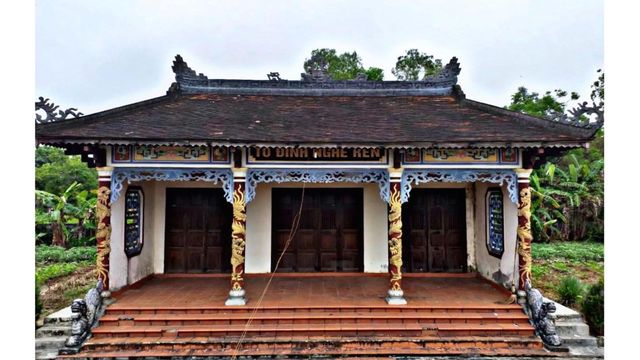
Bao La Craft Village Tourism: Traditional Weaving Experiences in Hue

Central

Thua Thien Hue

Sovaba.travel

Updated at: 30/10/2026

1. Where Is Bao La Craft Village Located?

Nestled along the north bank of the Bo River, Bao La craft village is located about 12–15 km north of Hue city center. According to current administrative boundaries, the village belongs to Dan Dien Commune, Hue City; previously, it was part of Quang Phu Commune, Quang Dien District. The gentle river meanders past lush green fields, simple rustic houses, and peaceful village lanes, creating an evocative countryside landscape where the pace of life seems to slow with each passing season of sun and rain.

From downtown Hue, travelers can take National Highway 1A northward, pass through the Tu Ha area (Huong Tra), and then turn onto the road leading to Bao La Village. From Huong Tra, the remaining distance is approximately 2 km. Not too far from the city, Bao La is an ideal stop for those seeking a rustic countryside setting, eager to listen to stories of ancient crafts and discover the artisanal traditions intertwined with local generations. The journey can also be combined with neighboring attractions to make your excursion even richer and more fulfilling.

The cradle of bamboo and rattan weaving in Hue

Photo: The cradle of bamboo and rattan weaving in Hue 

2. History and Development of Bao La Bamboo Weaving Village

Bao La bamboo weaving village took root in Hue hundreds of years ago, closely tied to the pioneering steps and village-building endeavors of the inhabitants of Quang Dien. According to local historical records, the weaving craft emerged during the reign of the Nguyen Lords, accompanying the establishment of the new Bao La village in Thuy Lap Hamlet, Quang Loi Commune, Quang Dien District, along the southern shore of Tam Giang Lagoon. From Old Bao La to New Bao La, the sounds of splitting bamboo, whittling strips, and rhythmic weaving hands have become familiar echoes in daily life. Through the artisans' hands, bamboo is transformed into baskets, strainers, winnowing baskets, sieves, bamboo daybeds, and small cradles—humble household items that once appeared in nearly every Vietnamese home.

Initially, weaving was merely a pastime during leisure farming seasons, when fields had completed planting and harvesting. Yet, through dexterity and ingenuity, the people of Bao La gradually forged renowned products, with each hamlet specializing in a distinct item. Cho Hamlet specialized in weaving round sieves and sifters, Dong Hamlet produced grain baskets, Chua Hamlet was famous for colanders and strainers, Dinh and Hop Hamlets were devoted to utility baskets, while Cau Hamlet focused on large flat bamboo trays. This division of labor not only created a unique character in production activities but also demonstrated how deeply the craft took root in the way of life, becoming a source of pride for each hamlet.

Craft village tourism contributes to preserving traditional handicrafts of Hue

Photo: Craft village tourism contributes to preserving traditional handicrafts of Hue 

Weathering the vicissitudes of time, Bao La's weaving craft once faced the risk of disappearing. In 2007, the Bao La Bamboo and Rattan Weaving Cooperative was established, opening a new path forward for hands long accustomed to bamboo. Products were upgraded in design and functionality, preserving traditional weaving techniques while catering to modern market tastes and tourist needs. In 2008, Bao La was recognized as an "Exemplary Craft Village of Vietnam." From familiar utensils in rustic kitchens and quiet corners, the village's creations have steadily secured a foothold in wider markets, carrying the reputation and pride of the Quang Dien community to domestic and international friends.

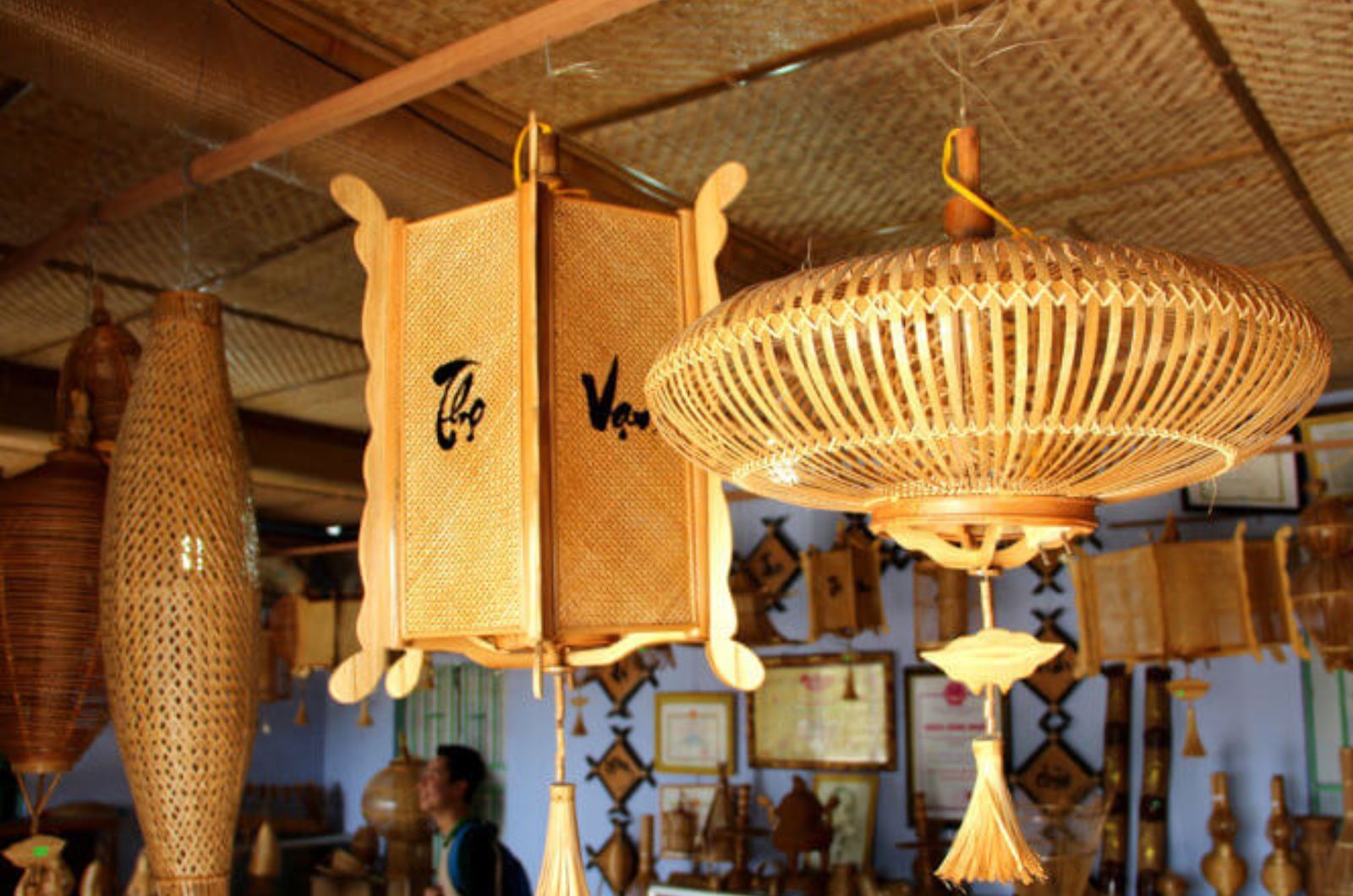
3. Signature Products of Bao La Craft Village

From modest bamboo stalks, Bao La artisans have crafted countless items intertwined with Vietnamese rural life. Baskets, hampers, colanders, strainers, flat winnowing trays, sieves, food covers, and bamboo cradles once graced every kitchen, courtyard, and harvest season. Each product is woven from bamboo splints that have been meticulously split, shaved, and smoothed, demanding skilled craftsmanship and precision in every weave. Consequently, Bao La products are renowned for their durability, simple aesthetics, and high practicality.

Over time, the artisans have not stopped at traditional wares, striving instead to bring weaving closer to contemporary living. Today, the Bao La Bamboo and Rattan Weaving Cooperative has developed more than 500 designs, expanding from household goods to decorative items and fine arts:

  • Decorative items: Pendant lamps, lampshades, flower baskets, handbags, and bamboo trays in varied designs, perfect for living spaces and cafes.

  • Furniture products: Bamboo tables and chairs, bookshelves, and ornamental furnishings offering a natural, inviting charm.

  • Handicrafts: Architectural models and Hue heritage landmarks such as the Thanh Toan Tile-roofed Bridge, Thien Mu Pagoda, and Phu Van Lau, recreated using delicate weaving techniques.

  • Products for tourism and export: Custom-designed artisanal items crafted for hotels, resorts, restaurants, and international markets.

Several village products have attained 4-star OCOP certification, reflecting persistent efforts to enhance the quality and value of traditional handicrafts. Utilizing natural, eco-friendly materials, Bao La products also align with the growing preference for green consumerism. From a simple bamboo strainer to an intricate decorative lamp, each piece carries the hallmarks of an age-old craft, preserved and revitalized through the gifted hands of local artisans.

Products of Bao La bamboo weaving village

Photo: Products of Bao La bamboo weaving village

4. Travel Experiences at Bao La Craft Village

Visiting Bao La, travelers have the opportunity to step into the rustic working atmosphere of a time-honored craft village, where the sounds of splitting and smoothing bamboo still resonate through small weaving workshops. At the Bao La Bamboo and Rattan Weaving Cooperative, the journey of discovery begins in the product showroom and production workshop, where you can learn how craftsmen transform raw bamboo stalks into intricate wares.

Guided by artisans, you will observe every stage of production: selecting bamboo, processing the raw material, splitting and smoothing splints, and weaving them into form. Each step demands dexterity and patience. Even more engaging, visitors can try crafting simple items themselves, such as a small basket, a lantern, or a decorative keepsake. Under the artisan's guidance, disjointed bamboo splints gradually take shape, offering an intimate and memorable hands-on experience.

After touring, you can purchase handicrafts directly at the village as souvenirs. From everyday household items to decorative crafts, prices typically range from a few tens of thousands to several hundred thousand dong, depending on the design and size. Each small gift serves as a meaningful contribution to supporting the artisans and preserving this traditional heritage.

Observing artisans meticulously crafting products

Photo: Observing artisans meticulously crafting products 

Bao La craft village tourism not only generates income for local residents but also helps preserve a traditional craft threatened by competition from industrial goods. Moreover, it offers a journey back to the roots of Vietnamese culture, where visitors do not merely shop, but also carry home meaningful memories crafted by the skillful hands of Hue artisans. Combined with famous tourist attractions such as the Hue Imperial Citadel or Tam Giang Lagoon, your trip will be truly comprehensive.

Featured destinations