Discover the Heritage Cultural Beauty at Truong Yen Festival Ninh Binh

Northern

Ninh Binh

Sovaba.travel

Updated at: 24/09/2026

1. What is the Truong Yen Ninh Binh Festival?

Truong Yen Festival (also known as Hoa Lu Festival or Reed Flag Festival) is one of the oldest and most typical traditional festivals in Ninh Binh. The festival is held annually in Truong Yen Commune, Hoa Lu City, Ninh Binh Province – the central area of the ancient Hoa Lu Capital.

The festival takes place from the 8th to the 10th day of the 3rd lunar month every year, with some years starting as early as the 6th day of the 3rd lunar month. Notably, the scale of organization is expanded and especially significant during the main festival held every three years. The festival space is closely associated with the Hoa Lu Ancient Capital Special National Historical Monument complex, including key sites such as King Dinh Tien Hoang Temple, King Le Dai Hanh Temple, Nhat Tru Pagoda, Ba Chua Phat Kim Temple, Am Tien Cave, along with adjacent natural landscapes such as the Hoang Long and Sao Khe rivers, creating a unique cultural and historical ensemble.
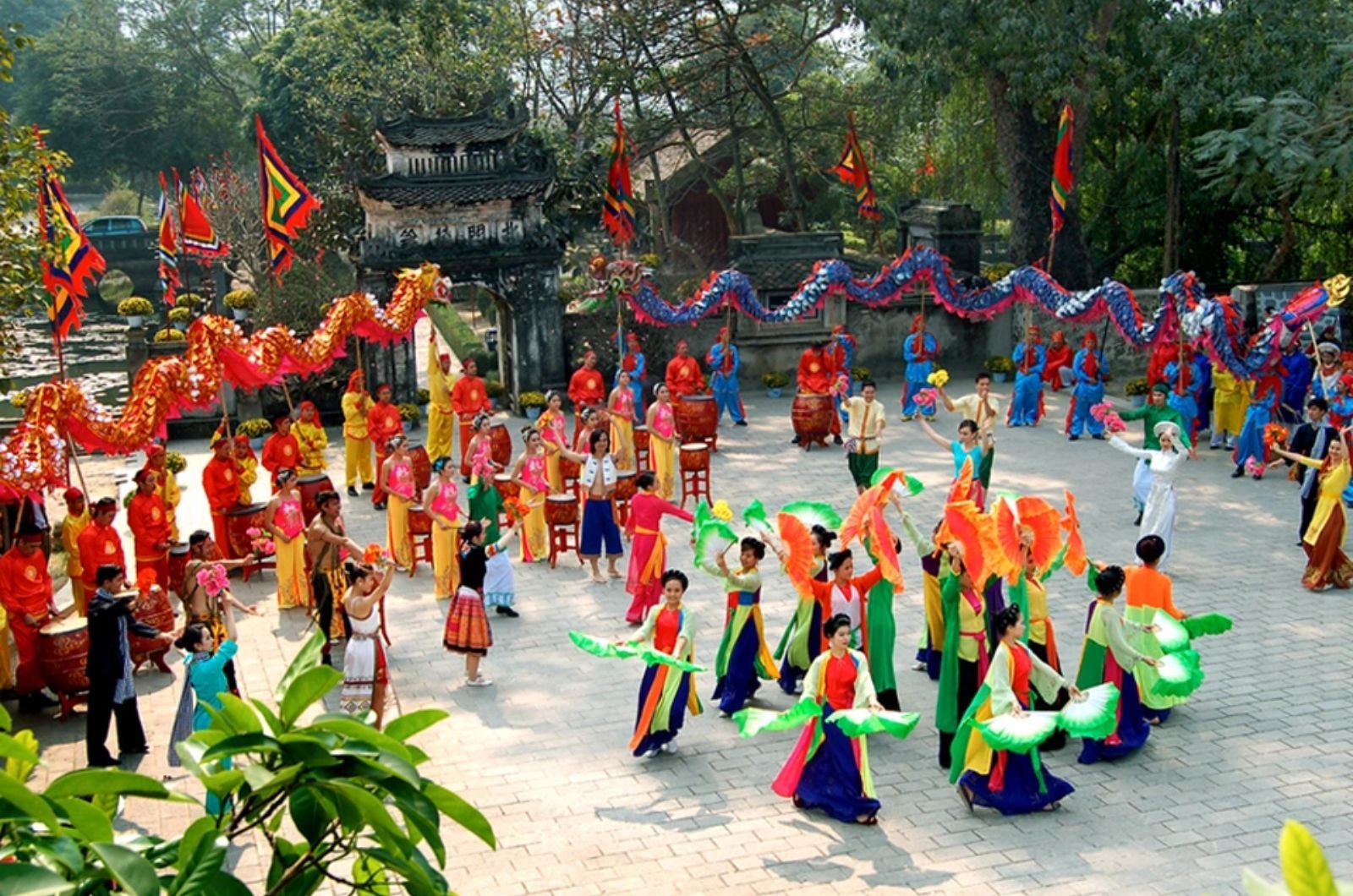
Truong Yen Festival, also known as Hoa Lu Festival
Photo: Truong Yen Festival, also known as Hoa Lu Festival

2. History of the Truong Yen Festival

Truong Yen Festival originated in the feudal period and was once considered a form of "National Rite" to commemorate the great contributions of Dinh Bo Linh – the hero who suppressed the rebellion of 12 warlords, unified the country, founded the Dai Co Viet state, and chose Hoa Lu as the capital in 968. In addition, the festival honors Le Hoan along with founding figures such as Dinh Dien, Nguyen Bac, Pham Phong At, and Ngo Chan Luu. After King Le Thai To moved the capital to Thang Long, the festival was still maintained as a cultural activity carrying the educational tradition of "when drinking water, remember the source". By the 1930–1940 period, the scale of the festival expanded, attracting a large number of locals and tourists.

In 2014, the festival was recognized as a National Intangible Cultural Heritage, marking an important turning point in the preservation and promotion of its values. In 2016, the official name was adjusted to Hoa Lu Festival to better align with the heritage space and tourism development orientation. Not only expressing gratitude to predecessors, the festival also contributes to inspiring national pride and expressing aspirations for national peace and favorable weather – deeply reflecting the "spiritual energy of mountains and rivers" of the ancient capital.

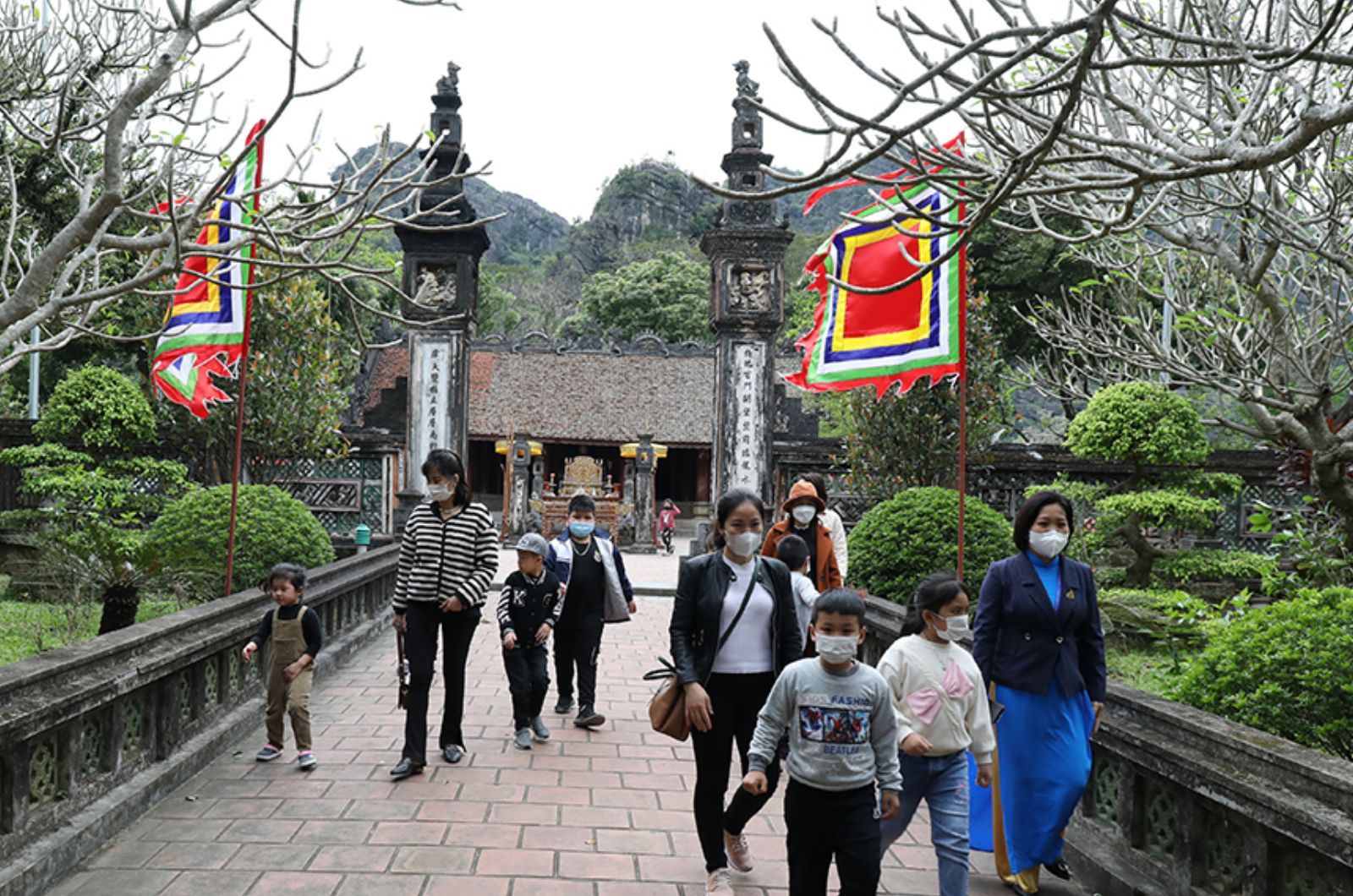
The festival is associated with sacred places in Ninh Binh
Photo: The festival is associated with sacred places in Ninh Binh  

3. The ceremonial part of the festival

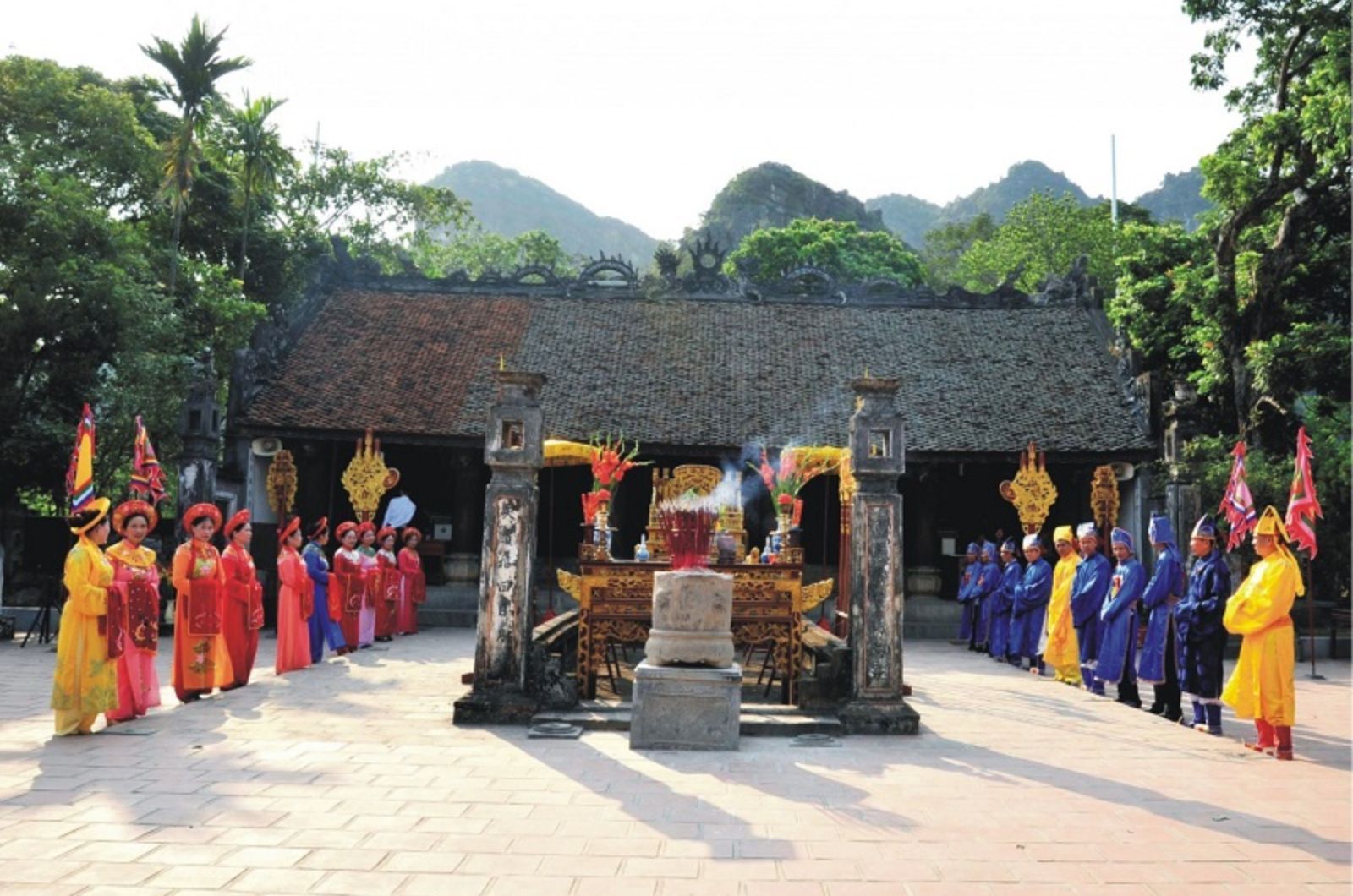
The ritual part is the soul of the festival, solemnly held at King Dinh Temple and King Le Temple. Ancient traditional rituals are almost fully recreated:

  • Temple Opening Ceremony: Visitors are free to visit the temples before the opening day.
  • Water Procession Ceremony: The procession moves from King Dinh Temple to the Hoang Long River to scoop sacred water from the middle of the river, accompanied by dragon and lion dances, Eight-Tone musical ensemble, and eight-bearer palanquin. This ritual prays for favorable weather and recreates folk traditions.
  • Bathing Ceremony: Bathing the statue of the deity at the hour of the Rat (midnight), then putting on clothes and hats (gia quan).
  • Incense and Offering Ceremony: Offering incense, wine, and five-fruit trays according to ancient rites.
  • Palanquin Procession: Palanquins from historical sites of the Dinh – Former Le dynasties are carried to the Ancient Capital.
  • Nine-Song Sacrifice: The oldest ancient sacrificial ritual, performed by a female sacrificial team (and male since 2017) singing 9 songs praising the merits of King Dinh, combined with scarf dances, gongs, and drums.
  • Lantern Festival & Requiem: Held in the evening on the Sao Khe River, releasing flower lanterns to pray for the souls of the deceased, demonstrating deep spiritual values.

Each ritual carries a deep historical, cultural, and spiritual imprint, helping visitors clearly feel the beauty of the nation's intangible heritage.

4. The festive activities of the festival

The festive part of Truong Yen Festival brings a lively atmosphere, harmoniously combining traditional and modern activities, contributing to vividly recreating community cultural life.

Highlights of the festive part include:

  • Reenactment of the Reed Flag Battle: Recreating Dinh Bo Linh's childhood with the reed flag game – a symbol of martial spirit and the determination to unify the country.
  • Formation of the word "Thai Binh": Young women in four-panel dresses (ao tu than) perform the flag-raising ceremony and form words symbolizing prayers for national peace, prosperity, and long-lasting stability.
  • Folk games: Including many unique activities such as cockfighting, human chess, skilled boat racing, wrestling, crossbow shooting, tug of war, and cooking contests – creating a traditional play space.
  • Artistic performances: Festival drum performances, gongs, brass horns, Cheo singing, and lion-dragon dances contribute to highlighting Northern folk cultural colors.
  • Modern activities: In addition to traditional elements, the festival also organizes photo exhibitions, tourism seminars, cultural exchanges, and sports tournaments such as Hoa Lu volleyball, creating a connection between past and present.

Through this diverse series of activities, the festive part not only contributes to preserving and promoting folk cultural values, but also creates opportunities for visitors, especially the younger generation, to access and better understand the nation's heritage.

5. Tips for attending the Truong Yen Ninh Binh Festival

To have a complete journey when attending Truong Yen Festival, visitors should note some practical experiences below:

  • Participation time: It is recommended to be present from the 7th to 9th day of the 3rd lunar month to fully watch important rituals as well as outstanding activities within the framework of the festival.
  • Transportation: From Hanoi, travel time to Ninh Binh takes only about 90–120 minutes by car. Visitors can combine visits to prominent spots like Trang An, Tam Coc, or Bai Dinh Pagoda to optimize their itinerary.
  • Attire and notes: When entering temple areas, choose polite, modest attire. At the same time, prepare drinking water, sunscreen, and actively safeguard personal belongings to avoid pushing in crowded places.
  • Local cuisine: Don't miss the opportunity to taste famous specialties such as Ninh Binh burnt rice, mountain goat meat, Kim Son wine, or fermented crab sauce.
  • Accommodation: Visitors should choose hotels or homestays in Hoa Lu City area or central Ninh Binh. Booking early is necessary, especially during peak festival season.

In addition, the festival is also an ideal occasion to purchase local handicrafts and OCOP specialties as souvenirs, contributing to spreading the cultural values of Ninh Binh.

The solemn ritual takes place at the temple
Photo: The solemn ritual takes place at the temple 

Truong Yen Festival is not only a traditional cultural event but also a vivid symbol of history and national identity in the ancient capital land of Hoa Lu. Through solemn rituals and rich festival activities, the festival contributes to preserving and honoring long-standing cultural values while connecting the past with the present. For visitors, this is not just a sightseeing occasion, but also an opportunity to experience cultural depth, feel the spirit of "when drinking water, remember the source", and discover the unique beauty of Ninh Binh's heritage. Truong Yen Festival is therefore always a meaningful rendezvous, leaving a deep impression on the journey of exploring Vietnamese culture.

Loading......

Featured destinations