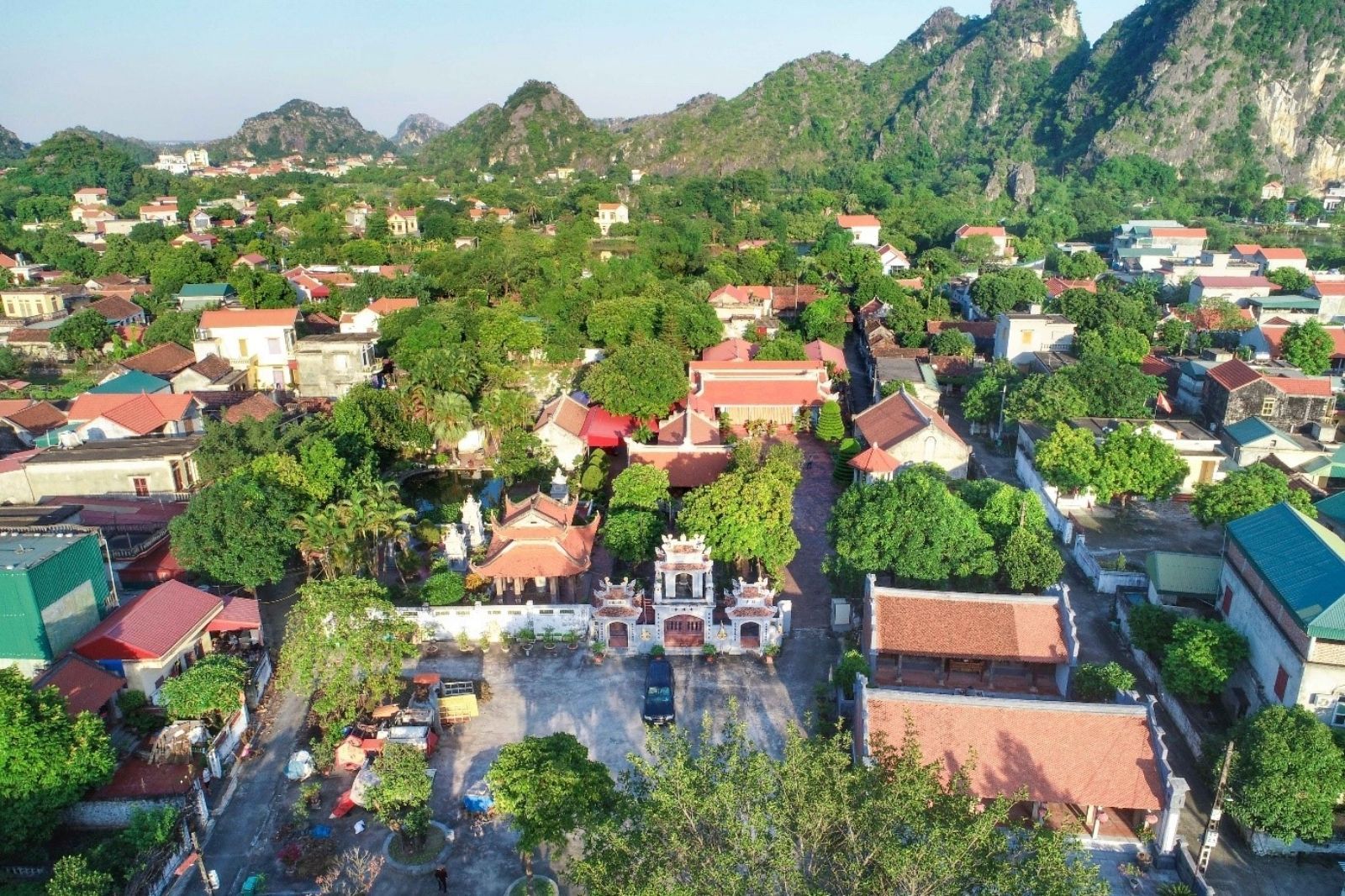
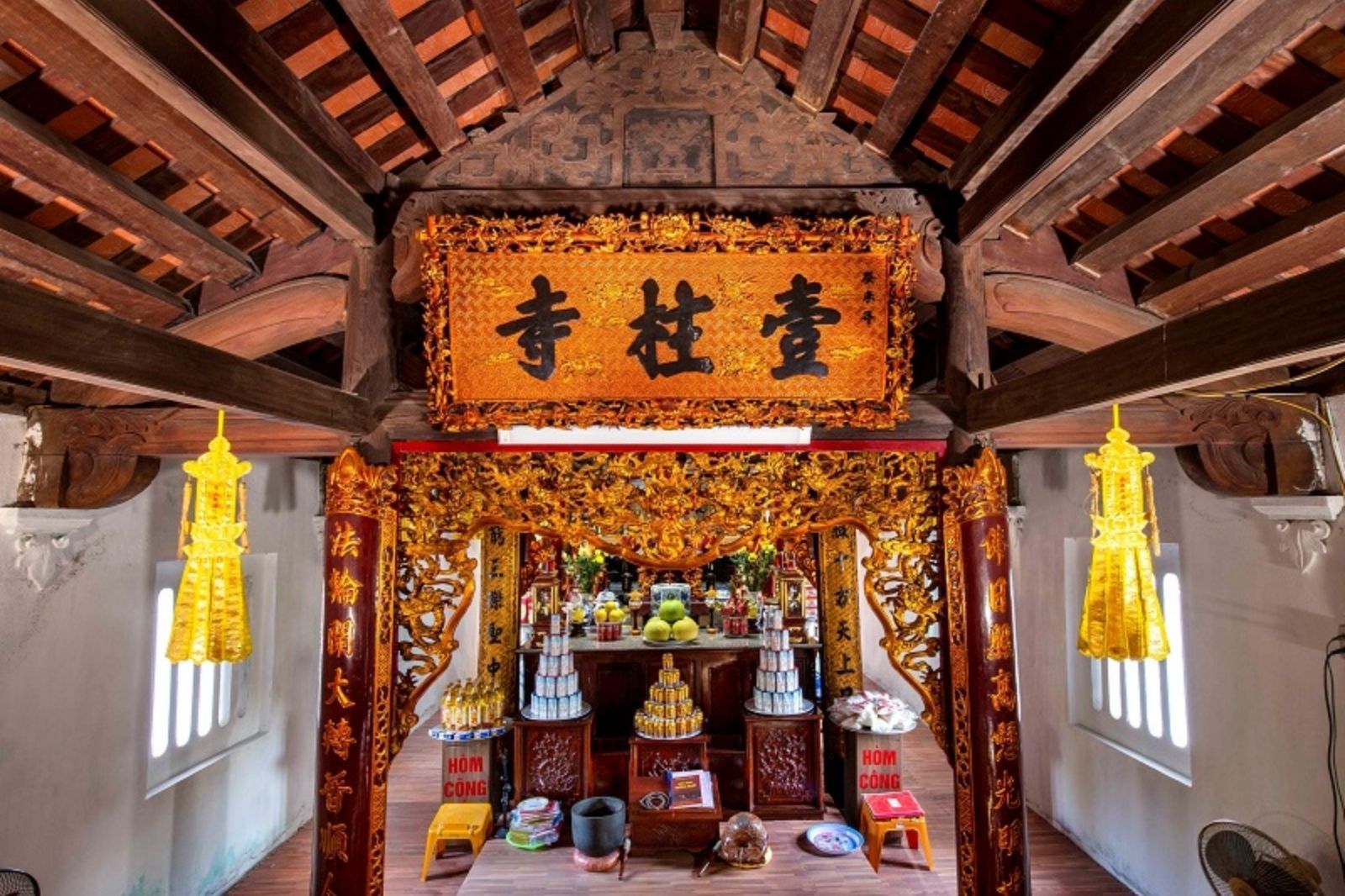
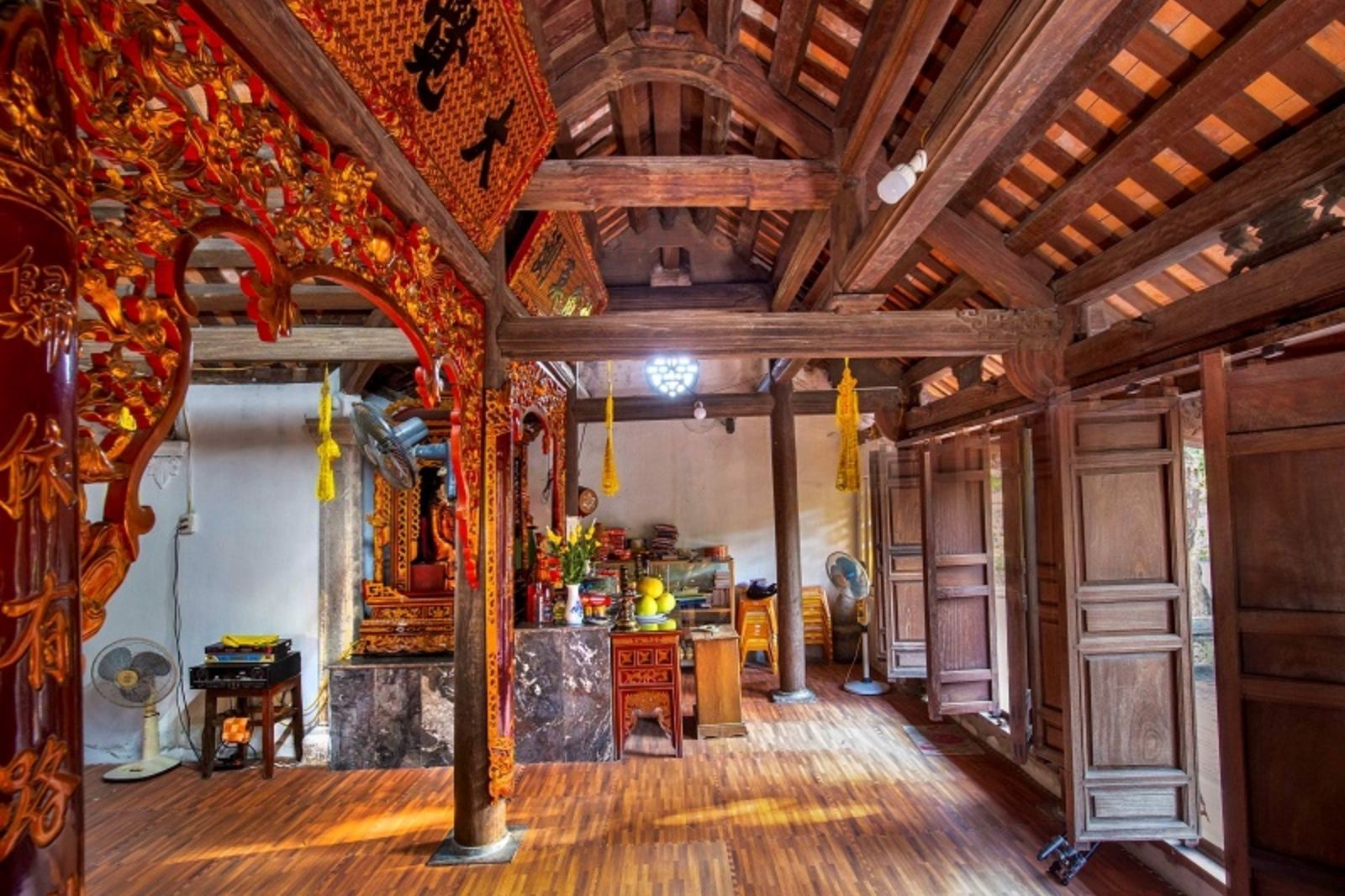
Nhat Tru Pagoda was built around 995 under the reign of King Le Dai Hanh (Le Hoan), during the Dinh – Early Le period. The pagoda is located in the Outer Citadel of the ancient capital of Hoa Lu, now in Truong Yen Commune, Hoa Lu District, Ninh Binh Province – a land that was once the first political, cultural, and religious center of the Dai Co Viet state.
After unifying the country and founding the new dynasty, the Dinh and Early Le kings attached special importance to Buddhism, viewing it as an important spiritual foundation of the nation. Many famous eminent monks such as Ngo Chan Luu, Do Phap Thuan, Master Khuong Viet, and Zen Master Van Hanh played key roles not only in religious life but also as advisors in royal affairs, diplomacy, and state governance. As a result, Buddhism during this era flourished and reached the pinnacle of prosperity.
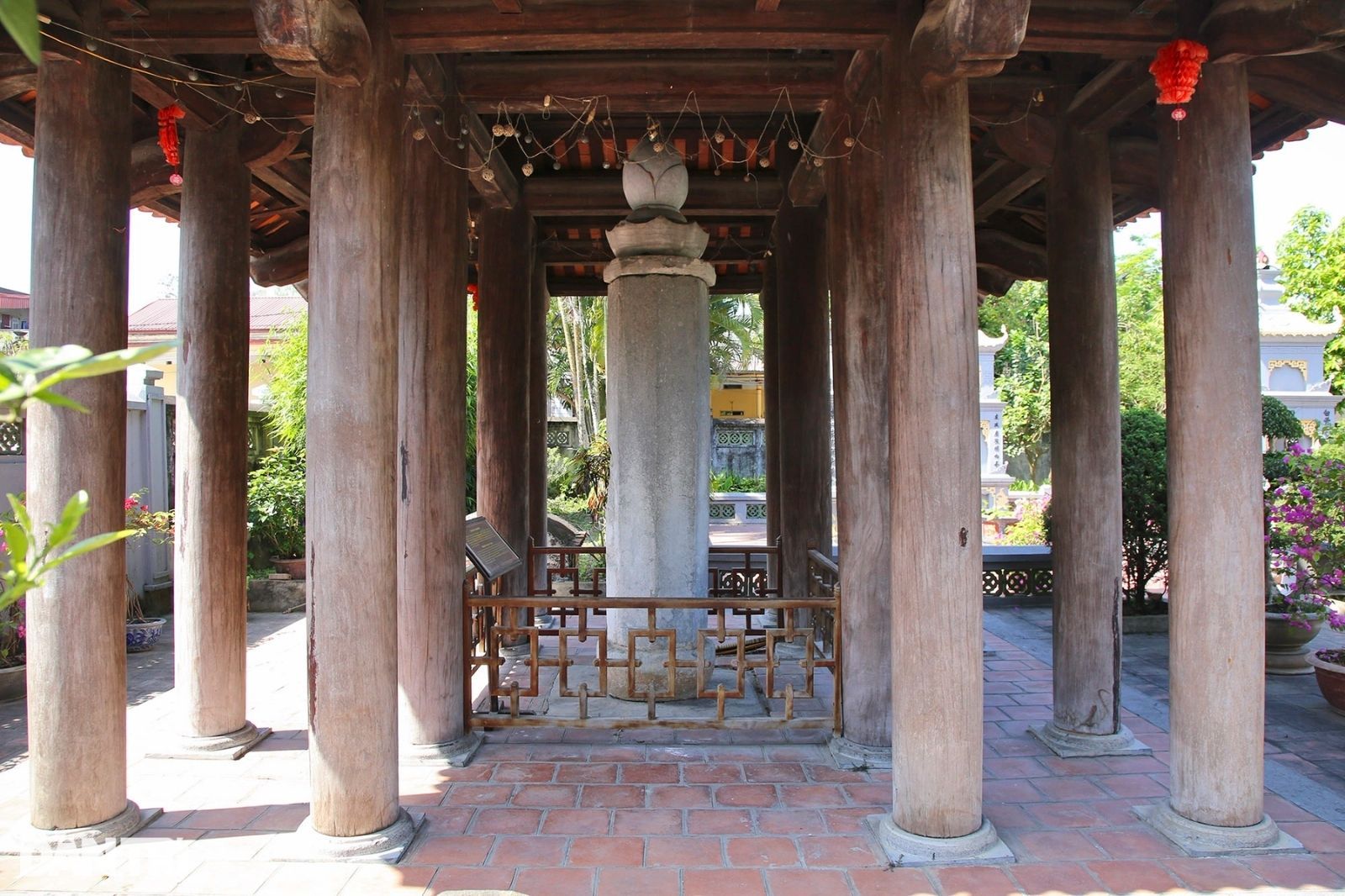
According to legend, Nhat Tru Pagoda is associated with King Le Dai Hanh erecting a Buddhist sutra pillar to propagate Buddhist teachings and pray for national peace and prosperity. The name “Nhat Tru” (One Pillar) originates from the unique stone sutra pillar placed in front of the pagoda courtyard – an artifact of special historical, cultural, and ancient Vietnamese stone carving art value. For centuries, this place was not only a place of practice but also a site where high monks discussed national affairs with the royal court. Through many historical fluctuations, the pagoda has been restored over various periods, notably in 1944 and 1992. In 1997, Nhat Tru Pagoda was recognized as a National Historical-Cultural Relic. In particular, the Buddhist sutra pillar in the courtyard is still regarded as a prime testament to the prosperity of 10th-century Vietnamese Buddhism, while reflecting the exquisite stone sculpture craftsmanship of ancestors at that time.