|

Back Home

Nguoi Xua Cave - A Special Archaeological Site in the Heart of Cuc Phuong National Park.

Northern

Ninh Binh

Cuc Phuong National Park

Sovaba.travel

Updated at: 28/08/2026

1. Overview of Nguoi Xua Cave in Cuc Phuong National Park

Nguoi Xua Cave is a natural limestone cave recognized as a habitation and burial site of prehistoric humans, located inside Cuc Phuong National Park – the largest primeval forest in Northern Vietnam. Discovered in the 1960s, this cave quickly became a symbol of the Hoa Binh culture – one of the oldest cultures in Vietnam. Spanning a vast area of about 22,000 hectares, Cuc Phuong National Park not only preserves a diverse ecosystem but also houses many archaeological relics, among which Nguoi Xua Cave stands out with discoveries of human remains and work tools from thousands of years ago.
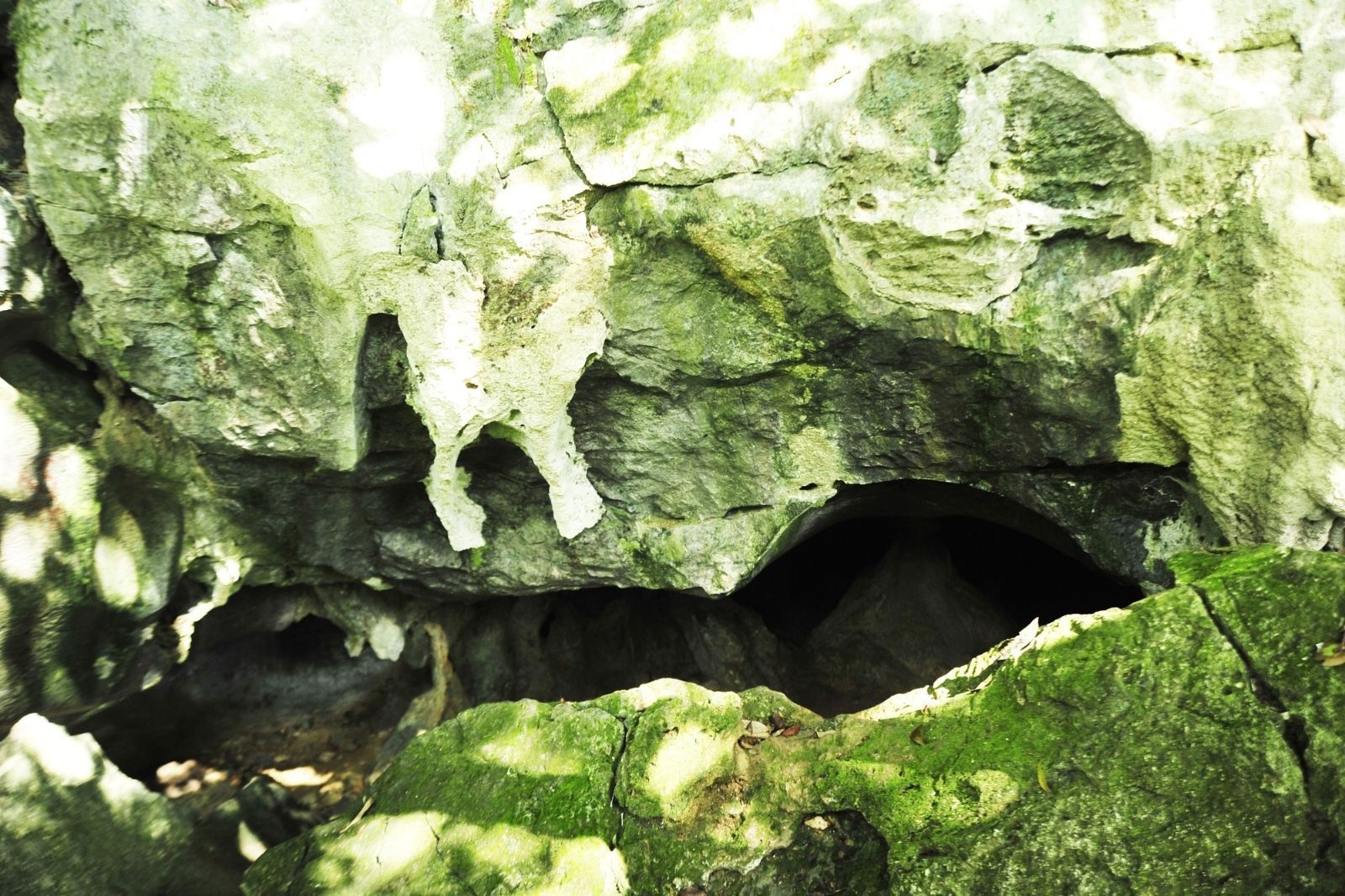
Nguoi Xua Cave inside Cuc Phuong National Park
Photo: Nguoi Xua Cave inside Cuc Phuong National Park 

According to archaeological records, this cave was once a living and burial site for prehistoric humans from the Paleolithic era, dating back approximately 7,500 years. This place not only holds scientific value but also contributes to preserving national cultural heritage, helping visitors better understand their ancestral roots. 
2. Detailed guide to getting to Nguoi Xua Cave

Nguoi Xua Cave is located in Nho Quan district, Ninh Binh province, right within the primeval forest area of Cuc Phuong National Park. The cave rests halfway up a limestone mountain, about 120km south of central Hanoi. This location makes Nguoi Xua Cave an ideal destination for combined trips between Ninh Binh and nearby attractions such as Trang An or Bai Dinh.

Detailed travel guide:

  • From Hanoi: About 120-130km, taking 2.5-3 hours by car or motorbike via National Highway 1A or the expressway.
  • From the gate of Cuc Phuong National Park: Travel about 4km along the paved road, then walk across a concrete bridge over 100m long across the stream, then climb about 45-50m in elevation with over 200 stone and iron steps to reach the cave entrance.

The climb is quite steep and rugged but safe, suitable for those who love light trekking. The cave visit takes about 45-60 minutes.

Ideal time to visit: December to May (dry season), especially April-May when butterflies fill the sky at Cuc Phuong. Avoid the rainy season (June-November) due to slippery paths and insects.

3. History and archaeological value of Nguoi Xua Cave

Nguoi Xua Cave was formed through the geological process of a million-year-old limestone range, featuring a natural cave system eroded by rainwater and wind. The archaeological history of the cave dates back to 1966, when Vietnamese scientists discovered and excavated it as part of the Hoa Binh culture research program – a Paleolithic culture spanning from 12,000 to 7,000 years ago.

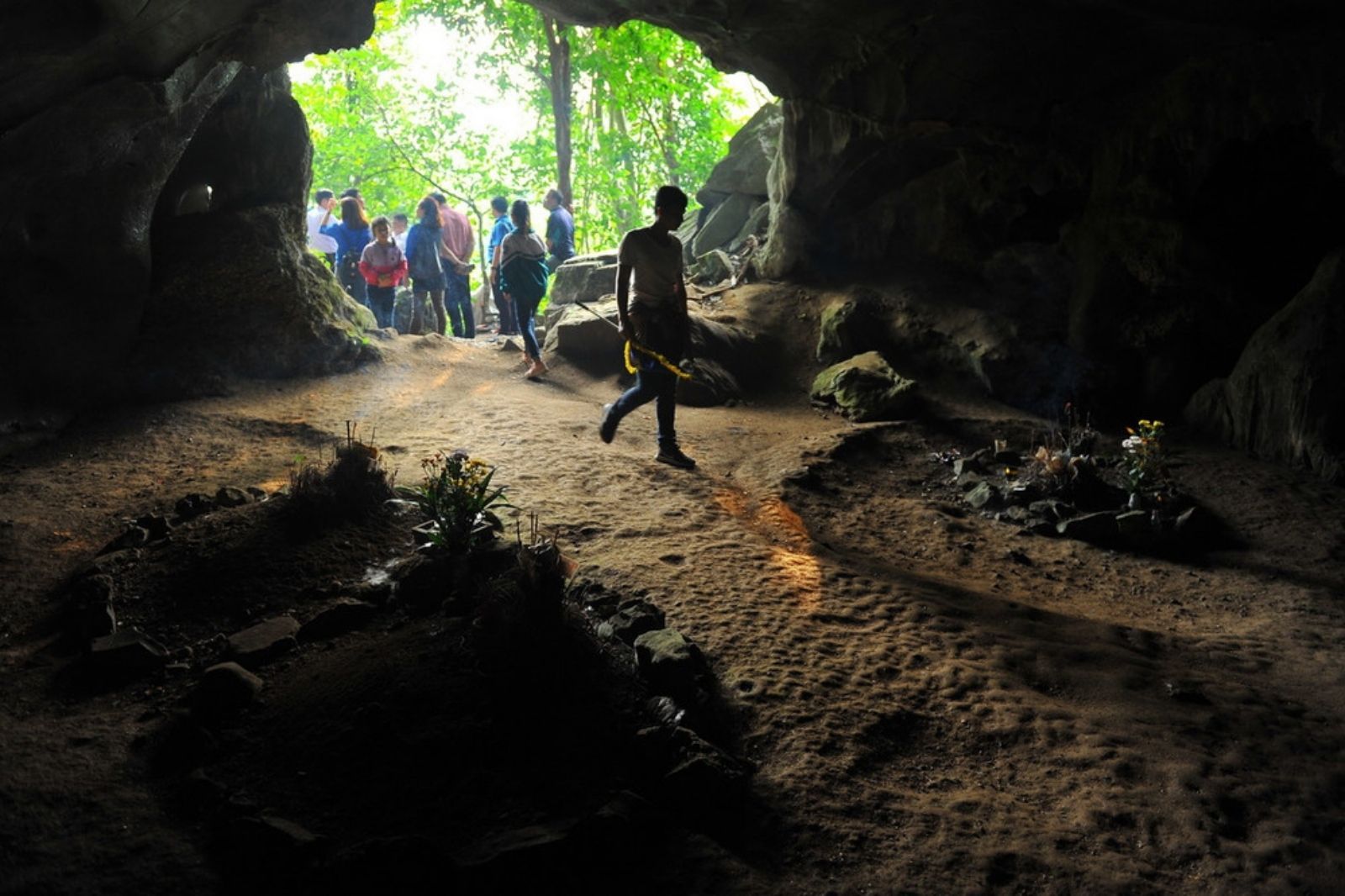
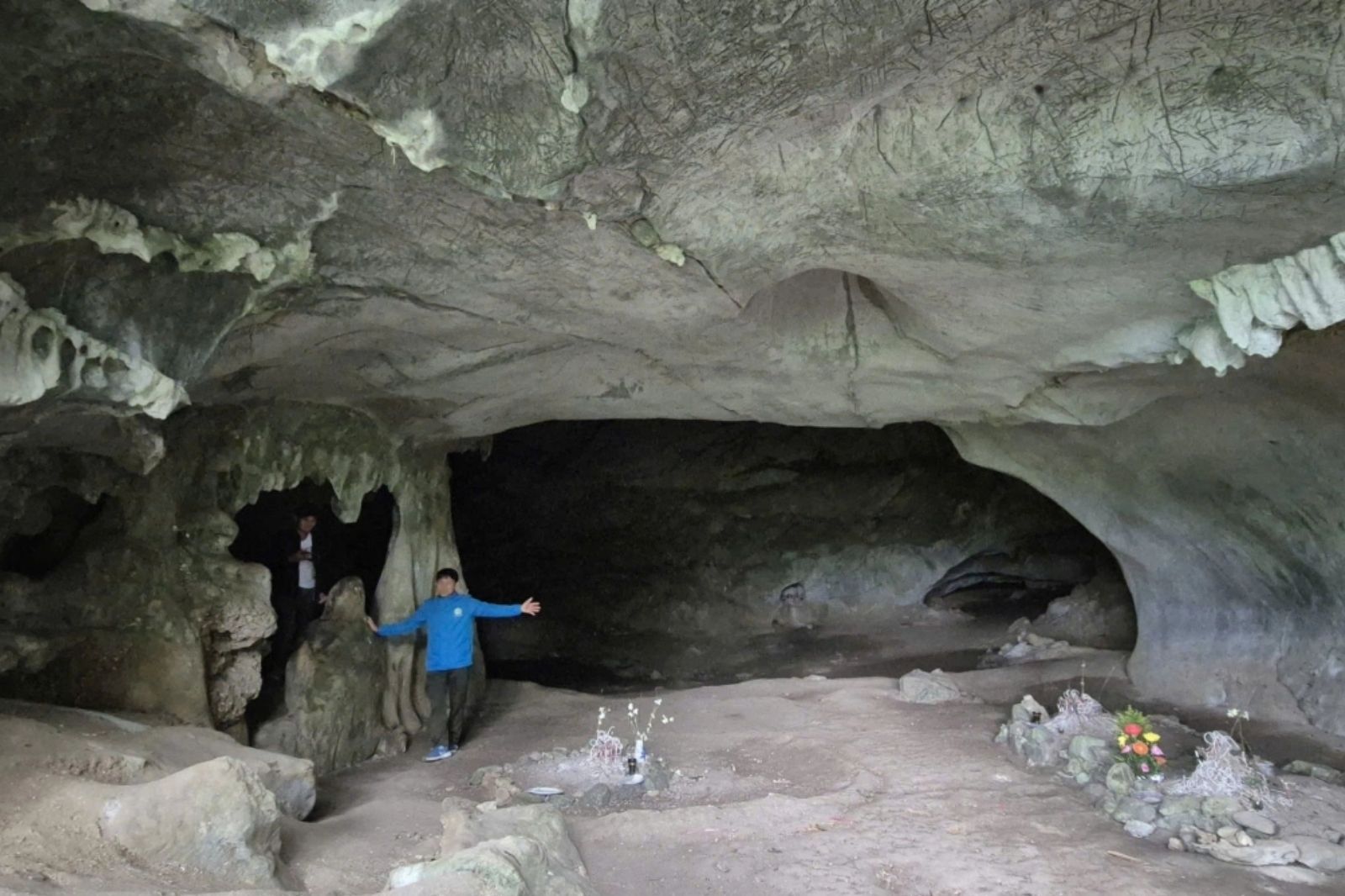
Outermost chamber of Nguoi Xua Cave
Photo: Outermost chamber of Nguoi Xua Cave 

The archaeological value of Nguoi Xua Cave lies in providing precious evidence of the hunter-gatherer lifestyle of prehistoric humans. This is one of the rare sites preserving intact human remains, helping scientists reconstruct ancient life. The cave is not only a heritage of Ninh Binh but also contributes to the study of human history in Southeast Asia, recognized by UNESCO within the framework of Trang An heritage conservation – a nearby complex. The discoveries here have enriched our understanding of human development, from stone tools to burial customs.

4. What is special about the archaeological discoveries at Nguoi Xua Cave?

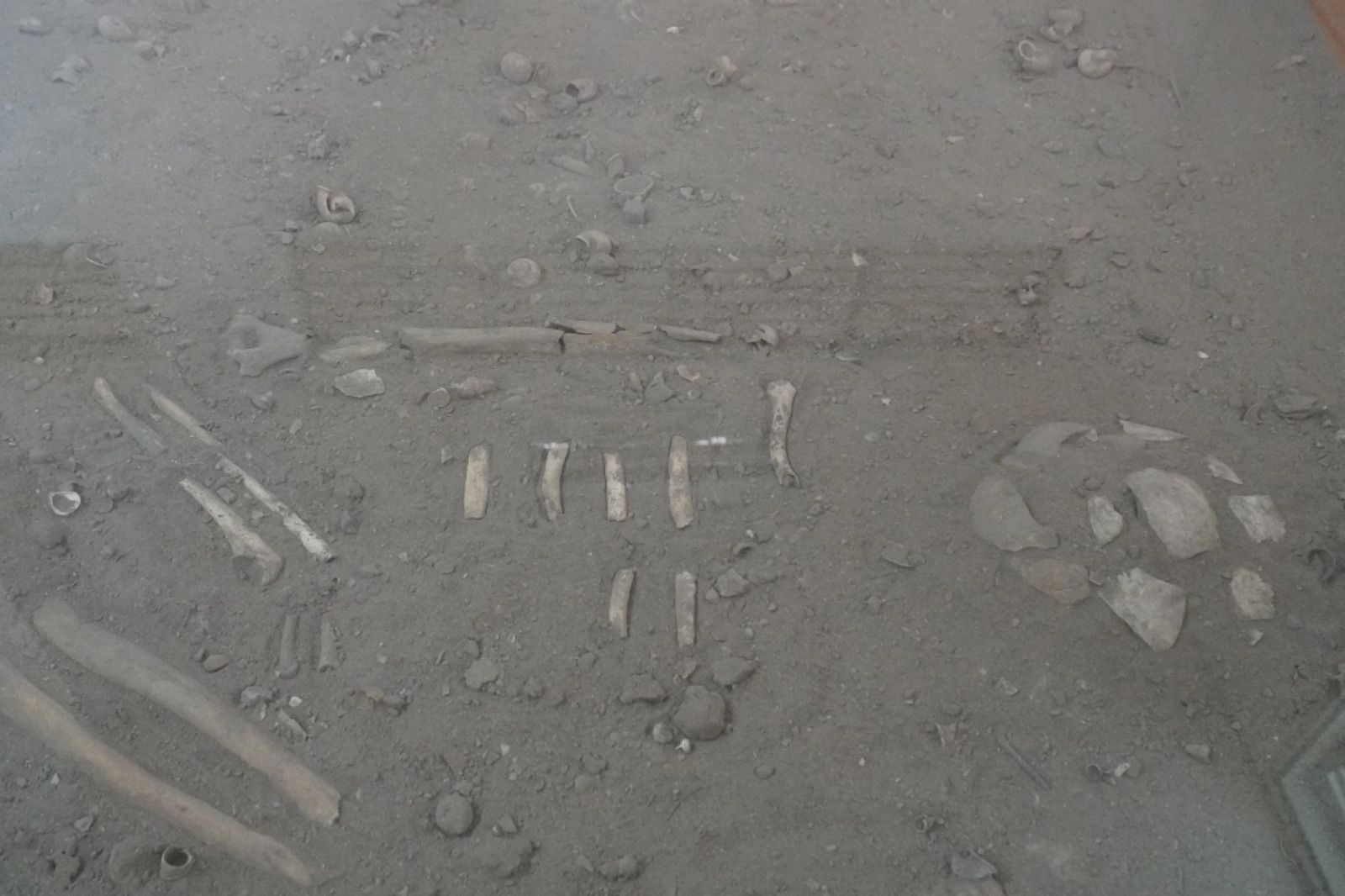
Excavations at Nguoi Xua Cave yielded groundbreaking discoveries, most notably 3 fossilized skeletons in a flexed position – an ancient burial custom. These skeletons are estimated to be around 7,500 years old, belonging to the Hoa Binh culture, and represent the first ancient grave structure found in similar sites.

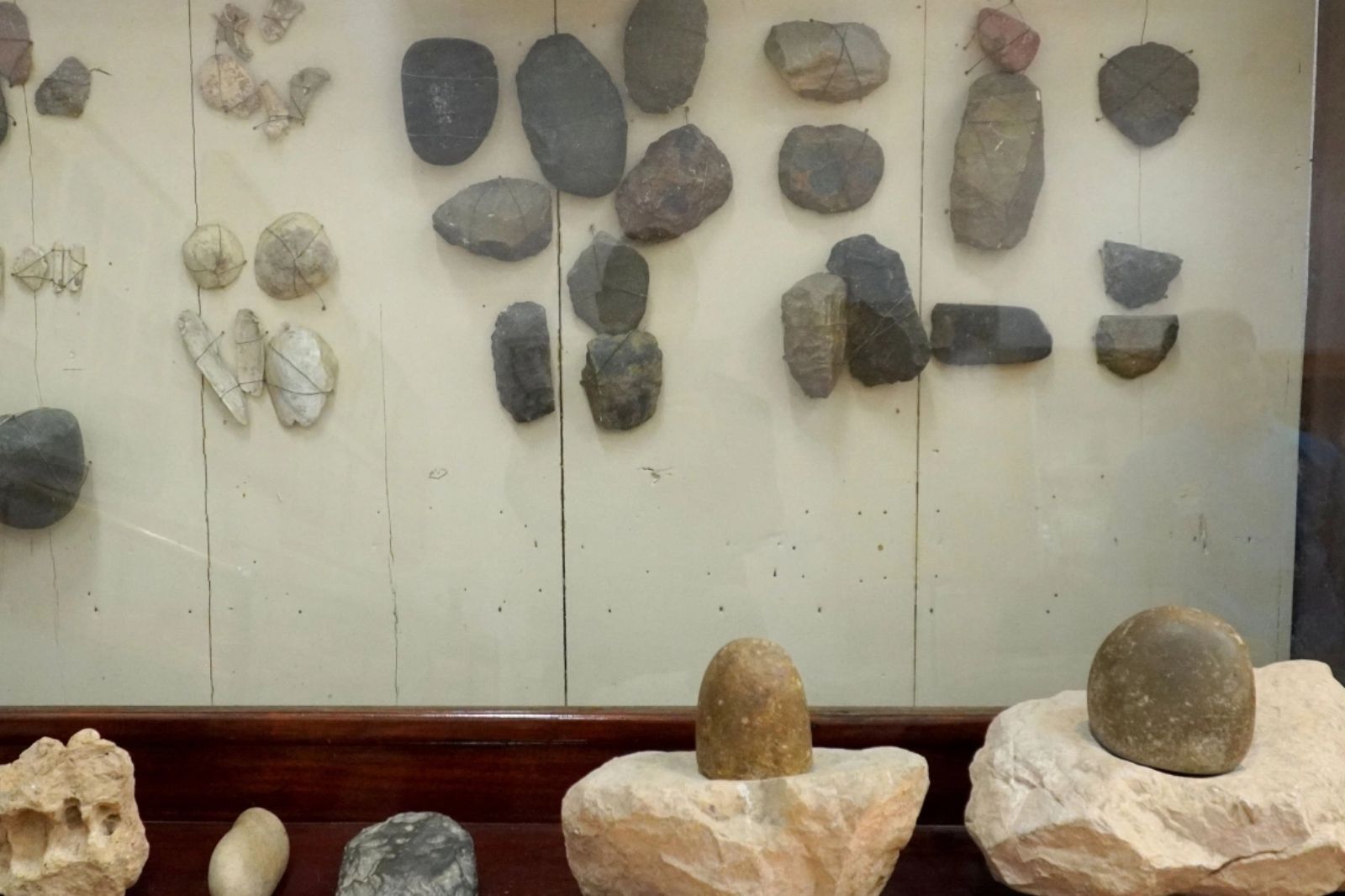
Besides human remains, archaeologists also discovered hundreds of artifacts such as flaked stone tools, animal bones and teeth (apes, monkeys, bears, wild boars), and mountain/stream snail shells, proving that prehistoric humans lived by hunting and gathering. Notably, the rich cultural layer with traces of campfires and household items shows that this was a long-term habitation site. These discoveries are not only unique in Vietnam but also rare in the region, helping to affirm Ninh Binh's position on the global archaeological map.

Skeletons discovered in Nguoi Xua Cave
Photo: Skeletons discovered in Nguoi Xua Cave 

5. Traces of prehistoric humans in Cuc Phuong's Nguoi Xua Cave

Traces of prehistoric humans at Nguoi Xua Cave are relatively well preserved due to its location deep in the forest. The flexed skeletons buried in limestone soil layers demonstrate the characteristic burial custom of the Hoa Binh people, where the deceased were placed in a fetal position to "return to Mother Earth."

In addition, the remains include crude stone tools used for hunting, snail shells, and animal bones proving a diverse diet from the forest and streams. Scientists also found charcoal traces, indicating that ancient people knew how to use fire for warmth and cooking. These traces not only possess scientific value but also help visitors vividly imagine primitive life and how our ancestors adapted to the mountain forest environment.

6. What is interesting about visiting Nguoi Xua Cave?

Visiting Nguoi Xua Cave offers an adventurous trekking experience through the primeval forest, with lush green trails and echoing birdsong. Visitors can climb stone steps, explore inside the cave to admire human remains and artifacts through protective glass, and listen to guides share historical stories.

Most exciting is combining this visit with other activities such as visiting the Endangered Primate Rescue Center, seeing the thousand-year-old Cho tree, or night camping in the forest. If traveling during the dry season (December–April), you can observe wildlife such as langurs and monkeys. This experience is not only educational but also relaxing and connecting with nature.

Some labor tools discovered
Photo: Some labor tools discovered 

7. Important notes when visiting Nguoi Xua Cave

Before beginning the journey to explore Nguoi Xua Cave, visitors should equip themselves with essential knowledge and notes to ensure a safe, fulfilling visit while contributing to preserving the precious archaeological value of this monument inside Cuc Phuong National Park.

  • Personal equipment: Wear non-slip sports shoes, bring drinking water, insect repellent, a hat, and personal medicine. Avoid bringing strong-smelling food to refrain from attracting animals.
  • Safety and regulations: Do not trek alone without a guide, do not smoke, litter, or pick flowers/break branches in the forest. Comply with National Park rules to protect the environment.
  • Weather and timing: Choose the dry season (September–April) to avoid slippery rain. The ideal visiting time starts early in the morning, taking about 2-3 hours for the entire journey.
  • Others: If traveling in a large group, booking a tour in advance is recommended. Children and the elderly should assess their health as there are steep climbing sections.
Experience visiting Nguoi Xua Cave
Photo: Experience visiting Nguoi Xua Cave 

Nguoi Xua Cave is not only a sightseeing spot in Cuc Phuong National Park, but also a vivid testament to the history of prehistoric human settlement, where nature and archaeology intersect in a special way. Mindful visiting and adherence to conservation regulations will help preserve the scientific and cultural values of this relic for future generations. To ensure your journey to explore Nguoi Xua Cave and the entire Cuc Phuong National Park is safe, well-structured, and complete, visitors can choose all-inclusive Cuc Phuong travel tours with Sovaba Travel. With scientifically designed itineraries and guides knowledgeable about the forest, history, and archaeology, Sovaba Travel offers an experience that is both intellectually deep and comfortable every step of the way, helping you feel Cuc Phuong not only through your footsteps, but through the depth of time.

Loading......

Featured destinations