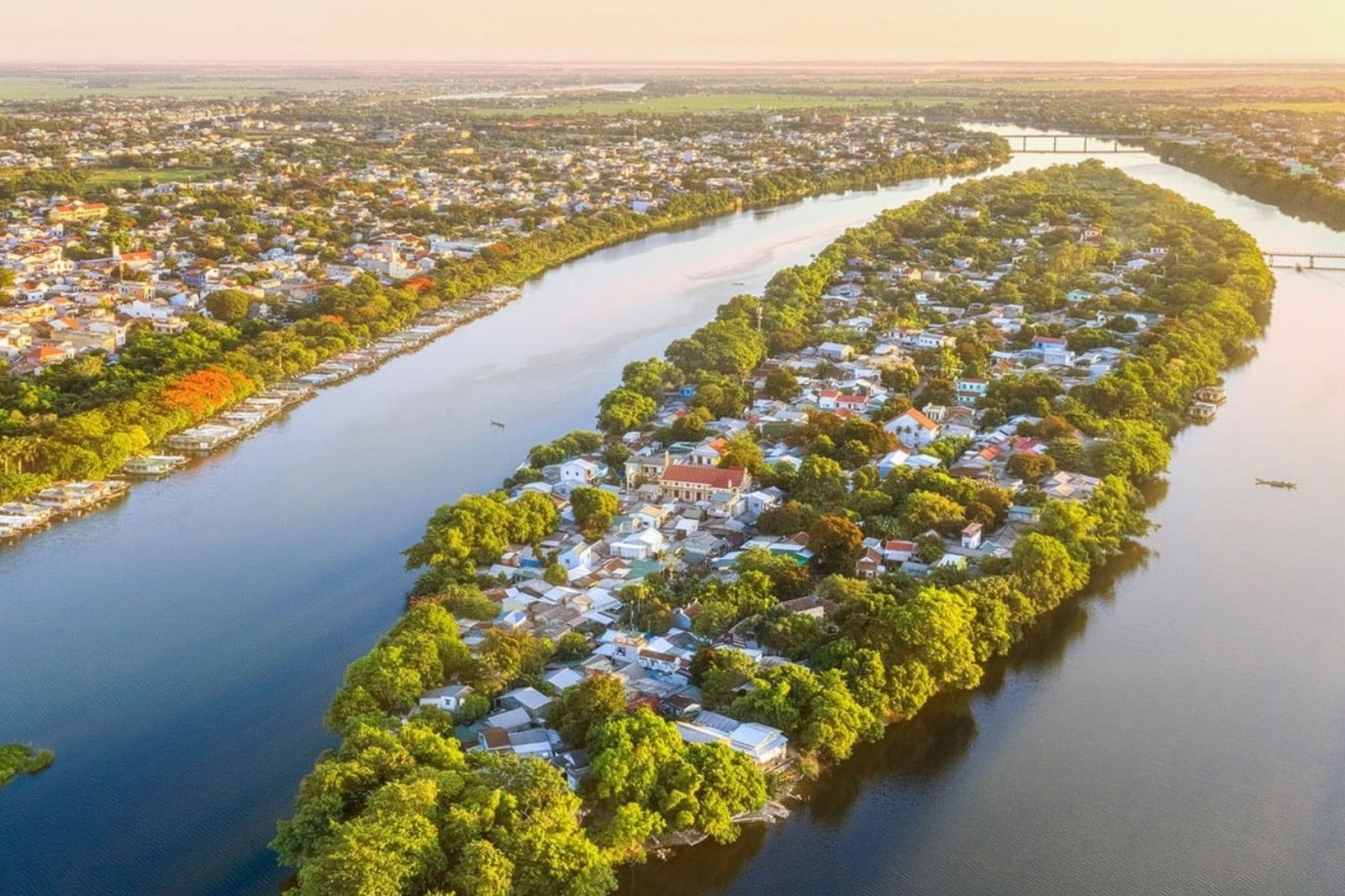
Perfume River - Ngu Binh Mountain: The twin natural symbols shaping the tranquil beauty of the ancient capital

Central

Thua Thien Hue

Perfume River

Ngu Binh Mountain

Sovaba.travel

Updated at: 24/09/2026

1. Where are the Perfume River and Ngu Binh Mountain located?

The Perfume River is the iconic river flowing through the center of Hue city, Thua Thien Hue province, in central Vietnam. Stretching about 80 km, the river originates from the majestic Truong Son mountain range, meandering through overlapping mountain forests before cutting straight across Hue, emptying into Tam Giang Lagoon, and finally flowing into the East Sea via the Thuan An estuary. The river water is clear and mirror-flat, reflecting the sky's clouds and the trees along the banks, creating a distinctive lyrical beauty.
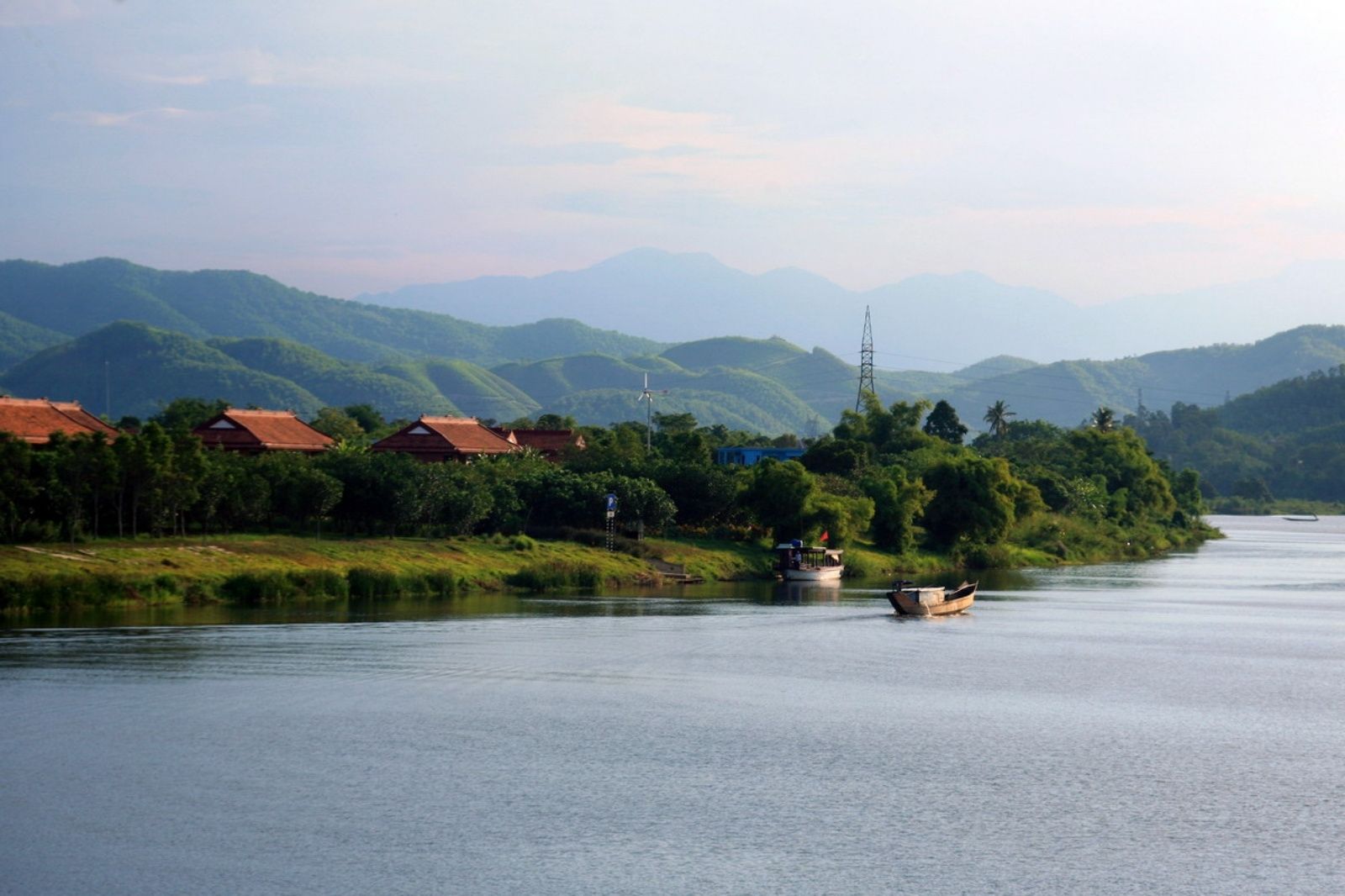
The Perfume River, the gentle beauty of Hue's
Photo: The Perfume River, the gentle beauty of Hue's "muse"

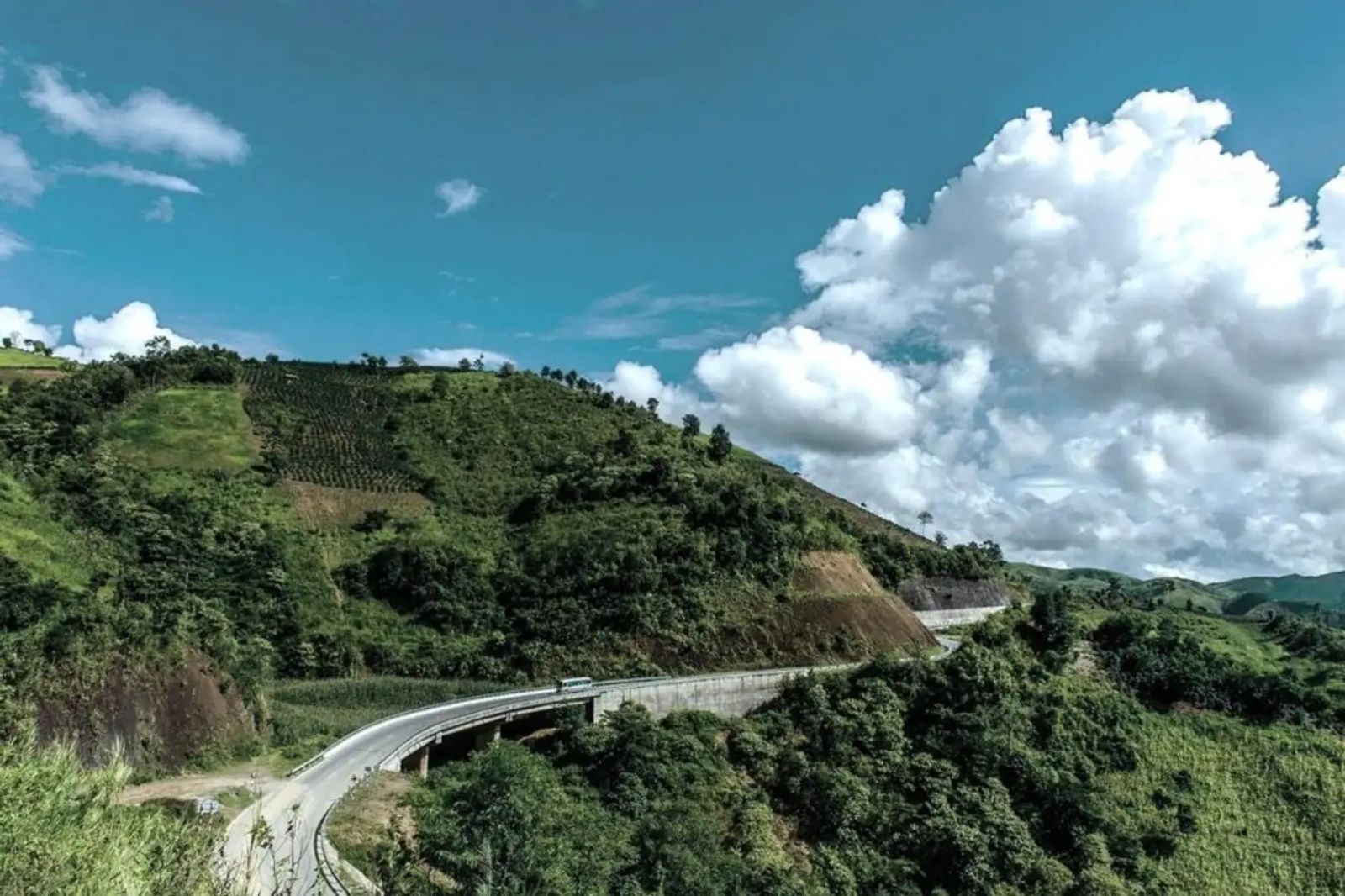
Meanwhile, Ngu Binh Mountain (also known as Ngu Mountain) is located in An Cuu ward, about 3-4 km south of Hue's city center. Standing 105 meters tall, the mountain resembles a gigantic, sturdy screen and is blanketed by lush green pine forests. Situated right on the southern bank of the Perfume River, Ngu Binh forms a harmonious duo that can be easily observed from many vantage points across the city. Both landmarks belong to the Complex of Hue Monuments, recognized by UNESCO as a World Cultural Heritage site in 1993.
2. The role of the Perfume River and Ngu Binh Mountain in the ancient capital's feng shui

In ancient Vietnamese geomancy, the Perfume River and Ngu Binh Mountain played a pivotal role in transforming Hue into the "Land of the Capital" – a sacred capital featuring the most auspicious dragon-arm topography. According feng shui masters, the Hue Imperial Citadel was planned based on the principle of "Green Dragon on the left, White Tiger on the right, Vermilion Bird in the front, and Black Tortoise in the back" to bring prosperity, protection, and longevity.

  • The Perfume River represents "accumulated water" in the minh duong (the open area in front of the Imperial City), bringing a gentle, lyrical flow that symbolizes freshness and vitality. The 35 km stretch of the river passing through Hue features two mid-river islets: Hen Islet (Green Dragon on the left, long and elongated) and Da Vien Islet (White Tiger on the right, short and round), creating a formation of dragons and tigers paying homage, enhancing the capital's majesty. The river was also named after the fragrant sweet flag grass (thạch xương bồ) along its banks, contributing to its spiritual elements.
  • Ngu Binh Mountain acts as the "Front Screen" (minh duong shield), blocking unfavorable winds and positioned within the Vermilion Bird sector. With a flat, non-pointed summit and a height of 104 meters, the mountain serves as a natural wall protecting the Imperial City and the entire capital. Behind it stands the Truong Son range as the "Rear Support" (sturdy backing), completing the feng shui layout. Nguyen dynasty emperors chose this location to build the capital, believing it would secure health, longevity, and authority.

Thanks to this harmonious geomancy, Hue is not only a political center but also a convergence point of cosmic energy, distinguishing it from other ancient capitals like Hoa Lu or Co Loa.

Ngu Binh Mountain protecting the people of Hue through generations
Photo: Ngu Binh Mountain protecting the people of Hue through generations

3. The Perfume River and Ngu Mountain in Hue's poetry and music

“Whoever travels to Hue, come along

Whoever returns, returns to Ngu Mountain

Whoever returns, returns to the Perfume River

The waters of the Perfume River still linger, not yet run dry

The birds of Ngu Mountain seek their mates and fly home

Oh rural lover, oh rural lover, please return out of longing”

(Ai ra xứ Huế - Duy Khánh)

Dreamy Hue has always been an endless source of inspiration for poetry and music, and the Perfume River and Ngu Binh Mountain take center stage in numerous works. The river is depicted as a gentle, pensive maiden with a beauty that is "both strong yet deeply angelic and serene" as it emerges from the vast wilderness, as described in Hoang Phu Ngoc Tuong's travel memoirs. Ngu Binh Mountain stands steadfast, symbolizing enduring strength.

In verse, poets such as Han Mac Tu, To Huu, and Nguyen Binh frequently portray this pair as symbols of hometown affection: "The Perfume River and Ngu Mountain under Hue's sky" – lines evoking a contemplative beauty. Hue's music, particularly Hue folk songs (Ca Hue) and royal court music (Nha Nhac), often echoes across dragon boats on the Perfume River, with melodies like "Ho Hue" or "Nam Bình", portraying the river and mountains as the soul of the land. Evening musical performances on the river beneath the shadow of Ngu Mountain offer deep relaxation, connecting humanity with nature and cultural heritage.

The Perfume River - Ngu Mountain: The iconic pair shaping the soul of Hue

Photo: The Perfume River - Ngu Mountain: The iconic pair shaping the soul of Hue

4. Travel experiences associated with the Perfume River and Ngu Binh Mountain

Exploring the Perfume River and Ngu Binh Mountain can begin from the water before extending to vantage points around the city. Each experience offers a different perspective on Hue's scenery.

  • Taking a boat cruise on the Perfume River: Aboard a dragon boat drifting downstream, visitors can admire Truong Tien Bridge, Thien Mu Pagoda, alongside the tree-lined banks and historical structures. At night, experiencing Hue singing on the Perfume River is a favorite choice for many travelers, especially when the city lights up and the river surface mirrors the illumination from both banks.

  • Visiting Ngu Binh Mountain: The road up the mountain is quite accessible, offering panoramic views from above toward Hue city, the Perfume River, and the distant plains. Patches of green pine and open spaces make this an ideal spot for sightseeing, photography, or simply unwinding.

  • Combining attractions: After exploring the Perfume River and Ngu Mountain, visitors can continue on to Vong Canh Hill, the Nguyen dynasty tombs, or Hon Chen Palace. For a slower pace, a bicycle ride along the riverside roads is also an engaging way to soak in Hue's landscapes.

The Perfume River and Ngu Binh Mountain are located close to many famous attractions, allowing travelers to easily combine them into a single-day itinerary rather than visiting each landmark in isolation.

5. The ideal time to visit the Perfume River and Ngu Binh Mountain

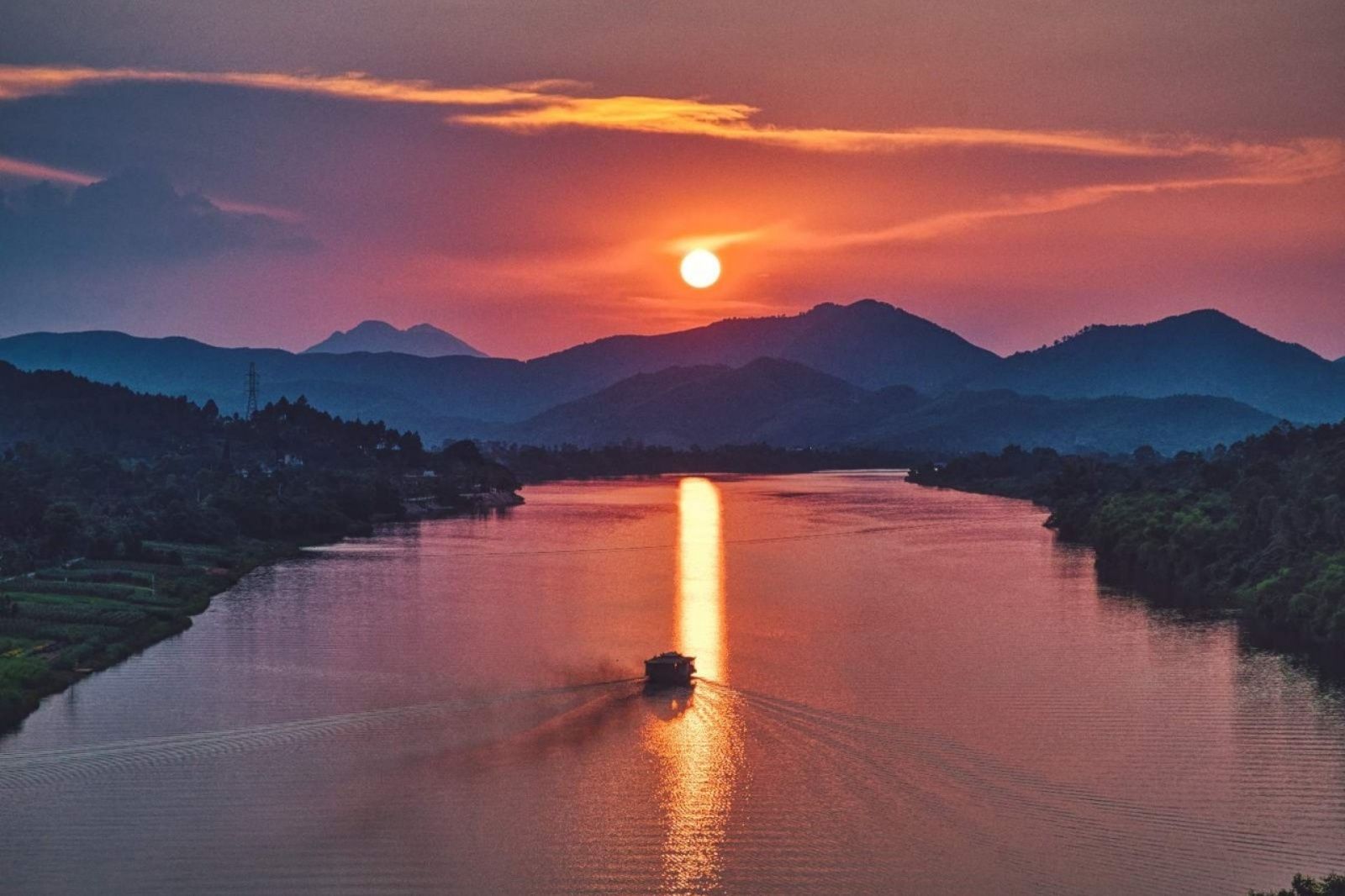
The best time to admire the Perfume River and Ngu Binh Mountain is in spring (February to April), when the weather is cool, the river is clear blue, and the scenery is fresh. Early mornings feature a mystical mist, while sunsets (5:00 PM – 6:00 PM) bathe the mountains and river in a romantic golden glow.

Summer (May to August) is suitable for mountain climbing, though midday heat should be avoided; autumn (September to November) brings a tranquil atmosphere, ideal for listening to Hue folk songs. The rainy and flood season (December to January) should be avoided to ensure safety.

The Huong Giang River - A symphony in poetry and painting
Photo: The Huong Giang River - A symphony in poetry and painting

Transcending their roles as mere scenic spots, the Perfume River and Ngu Binh Mountain have blended together to become the "living soul" of Hue. The meandering river acts as a mirror reflecting historical ups and downs, while the majestic mountain stands as an unwavering witness. Together, they not only create a picturesque landscape painting but also forge the unique character, spirit, and poetic charm of the "Land of the Capital." Visiting Hue is not just about sightseeing, but about returning to this magical convergence to deeply feel the tranquil, poetic beauty that has captivated generations.

To fully explore the beauty of the ancient capital, let Sovaba Travel accompany you. Travelers can choose all-inclusive Hue tours or night river cruise packages for the most memorable experiences.

Loading......

Featured destinations