|

Back Home

Phu Khong Trang An: Discovering the Shrine and the Tale of Loyal Officials

Northern

Ninh Binh

Trang An Heritage

Sovaba.travel

Updated at: 28/08/2026

1. Where is Phu Khong in Trang An?

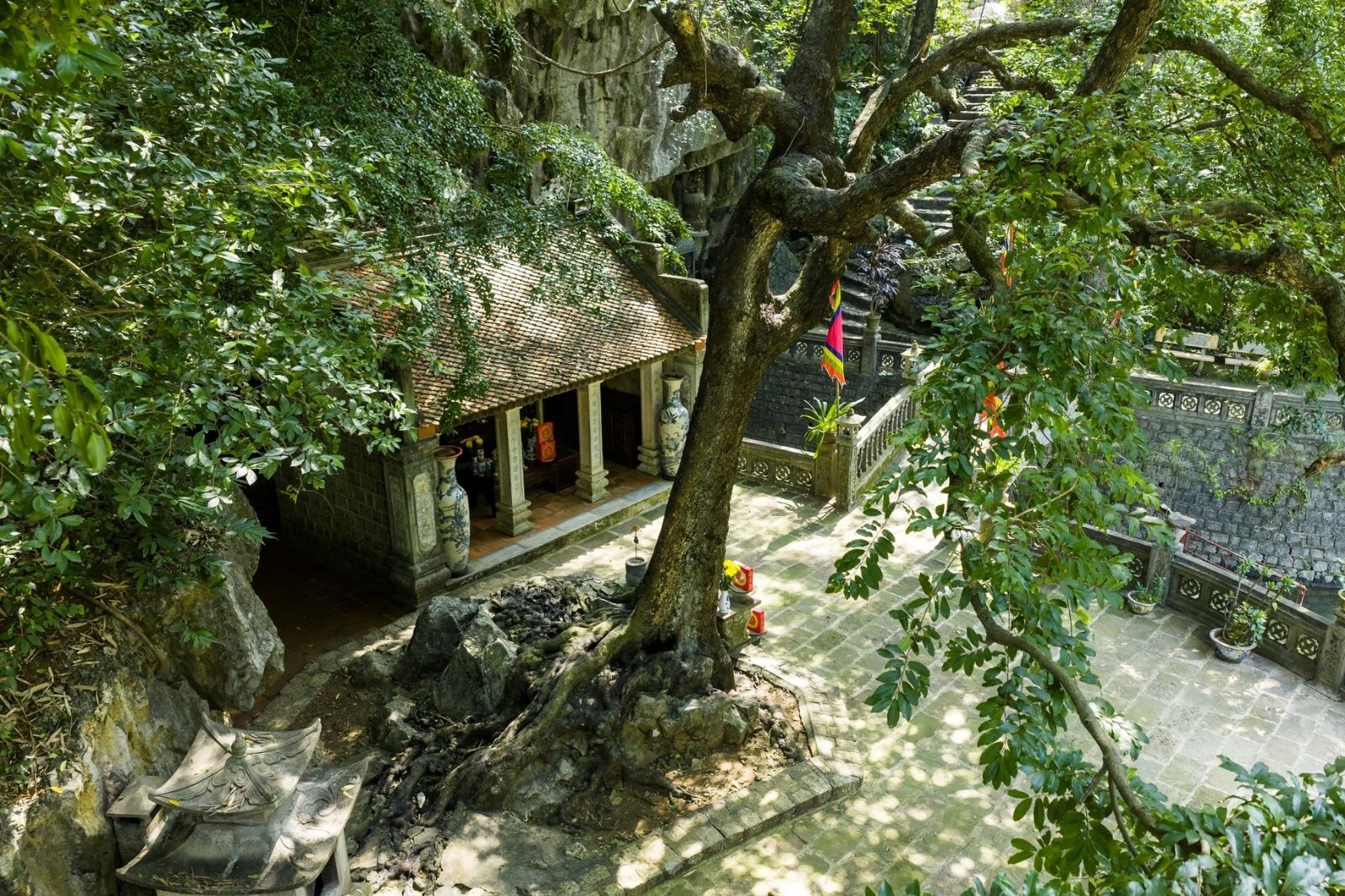
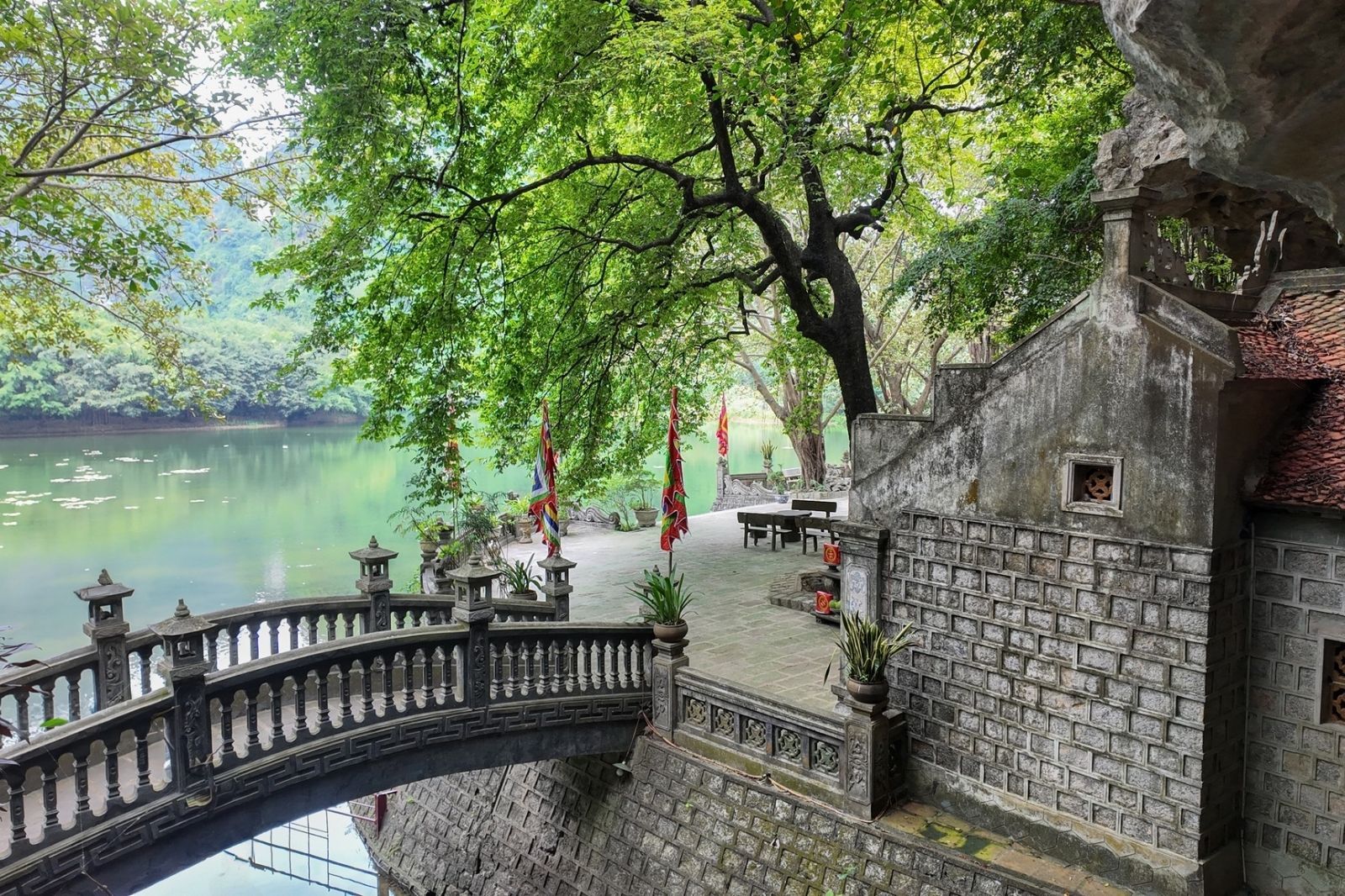
Phu Khong is located within the Trang An Eco-Tourism Complex in Hoa Lu District, Ninh Binh Province. The palace sits on a narrow strip of land, with its back against Khong Cave, a majestic vertical limestone mountain range on its right, and a vast, peaceful lake in front. The main architecture is built in the traditional 'Dinh' shape, creating a harmony between human craftsmanship and nature.

How to get there:

  • From Hanoi: About 90-100 km, taking 2-2.5 hours by car via the Hanoi - Ninh Binh Expressway.
  • Arrive at Trang An Boat Station → Purchase sight-seeing tickets (boat ride included) and select Route 1 (most popular): Boat Station – Trinh Temple – various caves – Tran Temple – Phu Khong – Bao Hieu Pagoda – Khong Cave… (duration approximately 3-3.5 hours).

Ticket prices: Adults around 300,000 VND/person, children 150,000 VND (subject to slight seasonal changes, ticket includes boat ride). Children under 1m tall enter free of charge.
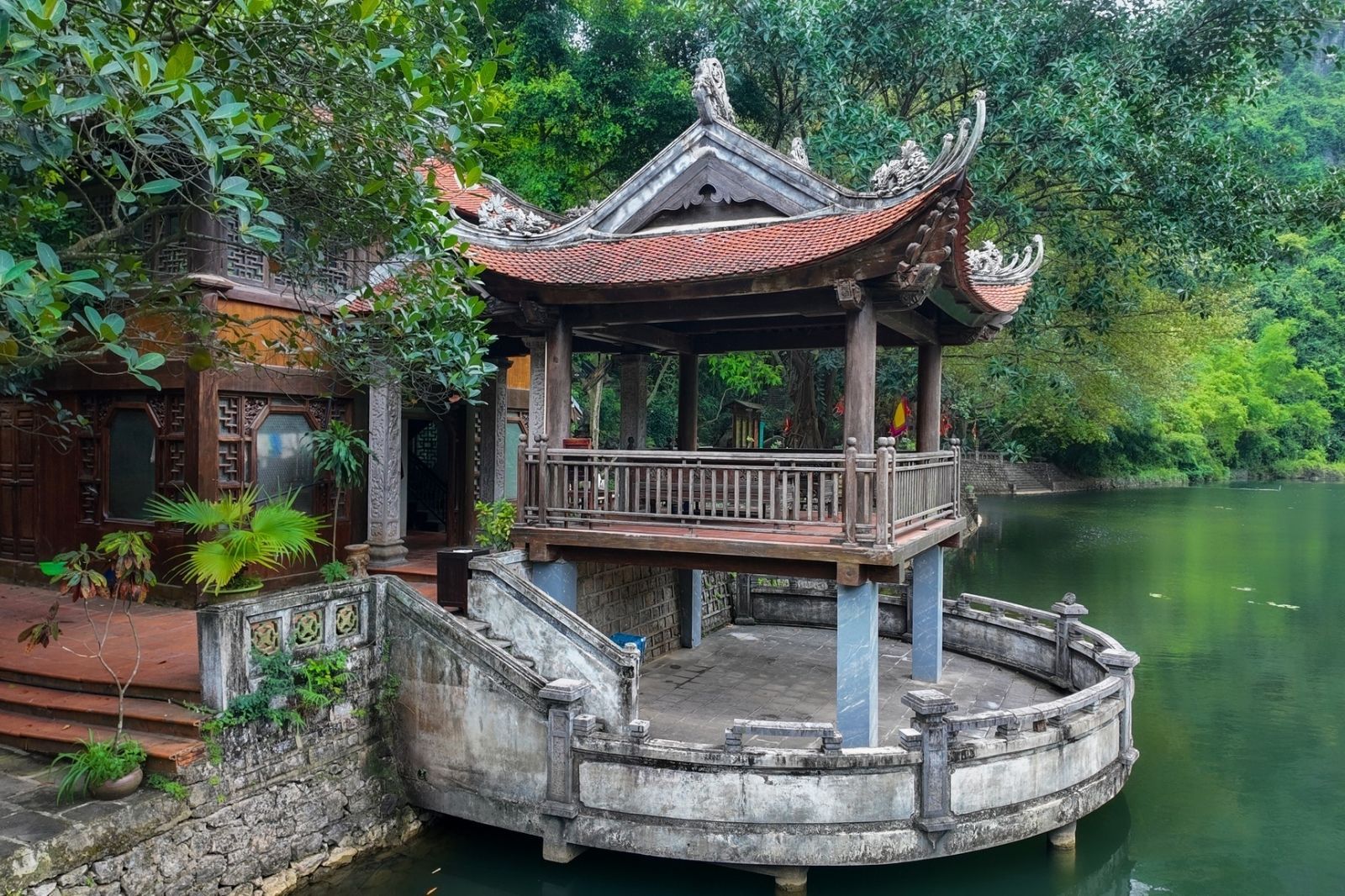
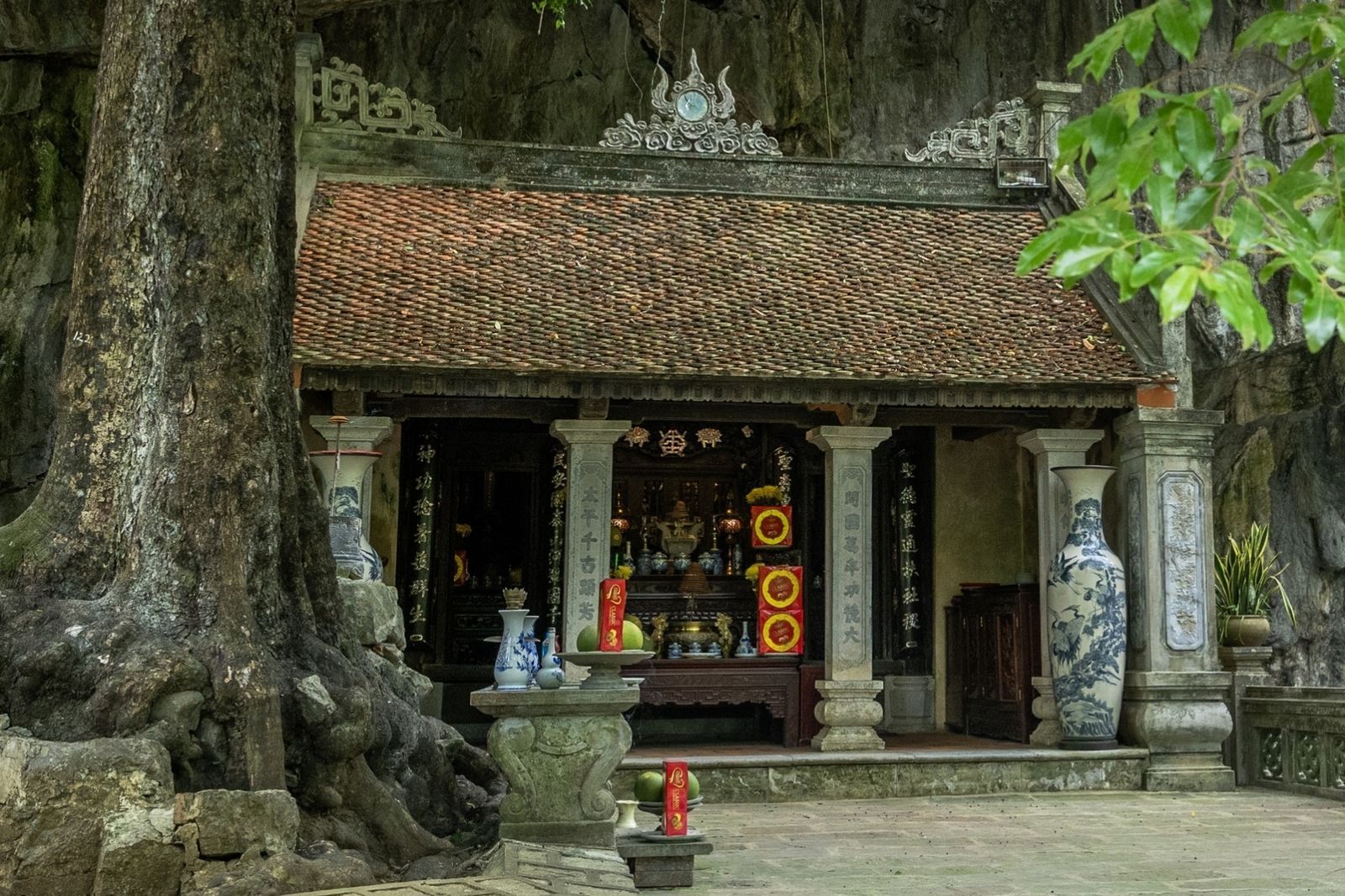
Phu Khong is associated with the legend of 7 loyal officials of the Dinh Dynasty
Photo: Phu Khong is associated with the legend of 7 loyal officials of the Dinh Dynasty 

2. History and legends of the loyal mandarins

Phu Khong is associated with the Dinh Dynasty (968-980), the first dynasty of Dai Co Viet after over 1,000 years of Northern domination. According to historical legend: After King Dinh Tien Hoang and his eldest son Dinh Lien were assassinated in 979, Prince Dinh Toan (only 6 years old) ascended the throne. To protect the king's remains from being desecrated by enemies, 7 loyal officials (whose real names remain unknown) personally performed the funeral rites and prepared 100 identical bronze coffins. They buried them across four directions – East, West, South, and North – to mislead adversaries. Once completed, the officials drank poisoned wine to commit suicide, taking the secret of King Dinh's true tomb to the afterlife.

A general guarding the Southern Citadel (known as Dinh Cong Tiet Che), moved by their righteousness, set up an incense burner for worship and planted a gold apple tree nearby. Later, when the Early Le Dynasty took power, Dinh Cong Tiet Che refused to submit, was placed under house arrest here, and eventually committed suicide. The local people built a shrine to commemorate these loyal ministers. The name “Khong” carries the meaning of “control” or keeping secret the location of King Dinh's tomb – a historical mystery that endures to this day.

These stories are not merely legends but also convey deep values of patriotism, loyalty to the sovereign, and spirit of sacrifice for the nation – meaningful lessons for today's generations.

Architecture of Phu Khong
Photo: Architecture of Phu Khong 

3. Architecture and landscape of Phu Khong Trang An

Phu Khong was constructed in the shape of the Chinese character "Dinh", situated on a narrow strip of land, resting against Khong Cave, flanked by steep cliffs on the right, and facing a tranquil, vast lake. This setting creates harmony between man-made architecture and nature, contributing to the beauty of the Trang An Complex – a UNESCO World Cultural and Natural Heritage Site recognized in 2014.

A prominent highlight is the ancient gold apple tree over 1,000 years old, with a massive elephant-shaped canopy enveloping the entire shrine. This tree is tied to legend: the old stump was where the 7 officials committed suicide, and after their death, a new tree sprouted from the same stump. Remarkably, the tree produces two distinct types of fruit – round and flat – around the death anniversary of King Dinh, a rare phenomenon among gold apple trees in Vietnam. Locals often burn incense at its base, considering it a sacred symbol.

The shrine's architecture includes structures such as the front hall and the inner sanctuary, featuring antique ritual objects. Spanning a total area of approximately 92,567 m², it adopts an ancient Vietnamese architectural style using ironwood and blue stone, evoking a sturdy yet welcoming feel.

The thousand-year-old ancient gold apple tree
Photo: The thousand-year-old ancient gold apple tree  

4. Fascinating legends and anecdotes about Phu Khong

One of the prominent anecdotes is the story of the 100 bronze coffins: To protect King Dinh's tomb from desecration, loyal officials created a series of false tombs and committed suicide to guard the secret. The word "Khong" in the shrine's name is interpreted as "keeping secret," referring to concealing the true burial location, which remains undiscovered to this day. Another legend involves the gold apple tree: After the officials sacrificed themselves under the old trunk, a new tree grew from its base, symbolizing the immortality of loyalty. During the ripening season (the 8th lunar month), visitors can witness both round fruits (representing males) and flat fruits (representing females), which are considered an auspicious omen.

These tales carry not only historical significance but also teach moral values, offering readers a deeper understanding of the Vietnamese national spirit.

5. Experiences when visiting Phu Khong

More than just a famous spiritual destination within the Trang An complex, Phu Khong offers visitors unique cultural experiences and discoveries amid peaceful mountain surroundings. A visit here is not merely a sightseeing tour, but an opportunity to feel the depth of history, faith, and the characteristic natural beauty of the ancient capital.

Highlight Experiences at Phu Khong

  • Listen to historical stories and folk legends: Visitors can listen to boat rowers or temple caretakers recount tales tied to the Tran Dynasty, the Vu Lam Royal Step-over Palace, and sacred legends associated with Phu Khong.
  • Enjoy traditional folk art performances: During festive occasions, the Phu Khong area often hosts art performances such as Xam singing, Chau Van, traditional Cheo opera, or Quan Ho folk songs, helping to recreate the unique cultural atmosphere of Northern Vietnam.
  • Capture memories amidst picturesque landscapes: The serene lake area, limestone mountains, and centuries-old gold apple tree create a romantic backdrop, perfect for taking photos imbued with the charm of Ninh Binh.
  • Combine with a visit to Bao Hieu Pagoda: Many visitors choose to combine their trip with offering incense at Bao Hieu Pagoda to pray for peace, health, and good fortune on their Trang An journey.

In short, Phu Khong is not only a spiritually significant stop, but also a place where visitors can vividly feel the cultural and historical beauty harmoniously blended with Trang An's signature nature.

Visitors should dress respectfully when visiting the historic site
Photo: Visitors should dress respectfully when visiting the historic site  

During a tour of Phu Khong Trang An, visitors not only pay homage to a sacred site but also immerse themselves in touching stories of loyalty from the historical era. The quiet space amid Trang An's mountains and waters further highlights the spiritual values Phu Khong has preserved for centuries—a reminder of the integrity and character of loyal ministers who helped shape Vietnamese cultural identity. If you wish to fully explore the heritage beauty of Ninh Binh, you can opt for an all-inclusive Trang An tour – a journey taking you through magical cave systems, sacred places of worship, and magnificent landscapes. This is an ideal choice for those who want a deep, convenient, and comprehensive Trang An experience.

Loading......

Featured destinations