The Role of Phong Nha Botanical Garden in Nature Conservation

Central

Quang Binh

Phong Nha Botanical Garden

Sovaba.travel

Updated at: 24/09/2026

1. How does Phong Nha Botanical Garden preserve its rare ecosystems?

Phong Nha Botanical Garden stands out with a dual conservation model โ€“ rare among national parks in Vietnam: in-situ conservation and ex-situ conservation.

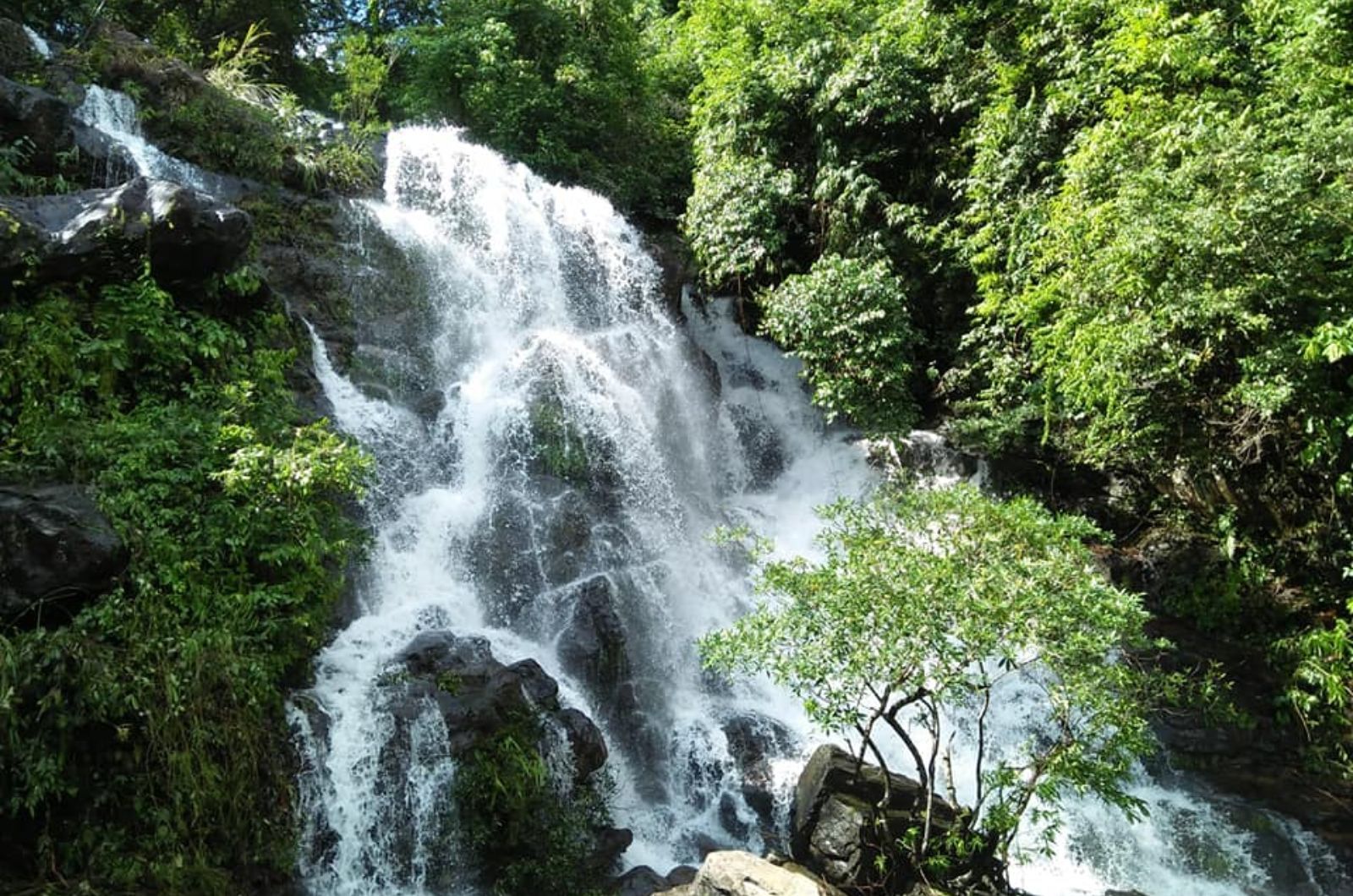
  • In-situ conservation: Preserving the intact tropical primary forest ecosystem on limestone mountains. Trail hikers will admire multi-layered dense forests, crystal-clear streams, and majestic waterfalls like Gio Waterfall (over 30m high) and Tien Waterfall. Natural flora with over 500 plant species, including centuries-old trees such as Hopea chinensis (girth requiring more than 3 people to span โ€“ a species newly identified by scientific taxonomy) and Ficus microcarpa (Gua lau).
  • Ex-situ conservation: The native plant nursery collects and propagates over 150 species of forest trees from other areas, adding to the collection to build a backup gene pool. This helps restore depleted species and supports reforestation.

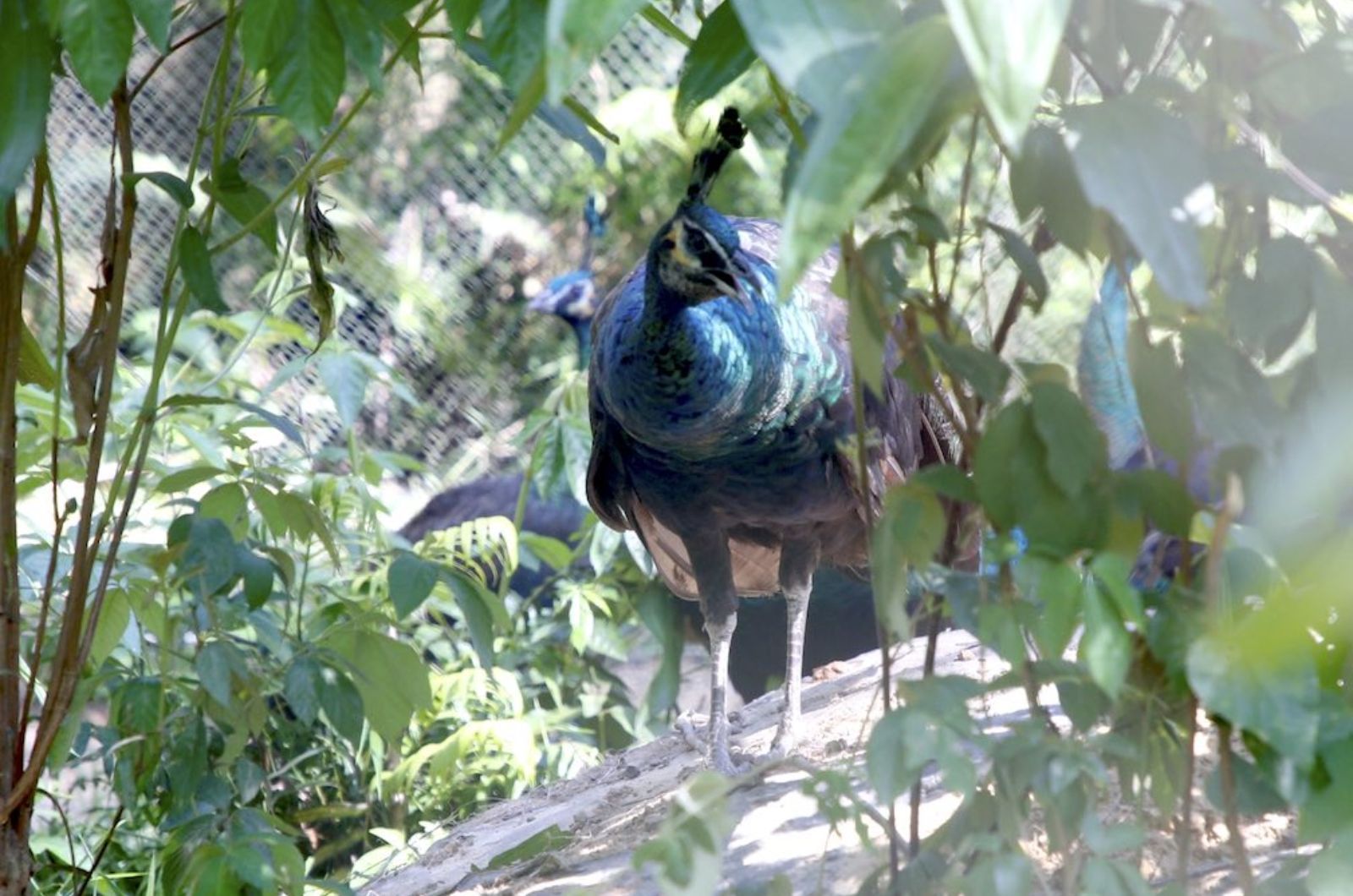
The ecosystem here also includes wild animals such as wild monkeys, black squirrels, peacocks, hornbills... The animal rehabilitation area receives, treats, and releases back into the wild hundreds of injured or illegally poached animals. Thanks to this, the garden not only preserves biodiversity but also maintains the ecological balance of the karst limestone region. 
A miniature garden of Phong Nha - Ke Bang National Park
Photo: A miniature garden of Phong Nha - Ke Bang National Park

2. Conservation efforts for endangered plant species at Phong Nha Botanical Garden

Phong Nha Botanical Garden is at the forefront of protecting rare and endangered plant species listed in the Vietnam Red Data Book and the IUCN Red List. The entire Phong Nha โ€“ Ke Bang National Park has about 2,953 plant species, including many endemic and endangered species such as Erythrophleum fordii, Sindora tonkinensis, Tarrietia javanica, Calocedrus rupestris, various slipper orchids... The Botanical Garden specifically focuses on conservation through:

  • Propagation and cultivation: Specialized nurseries have successfully propagated species such as Dipterocarpus alatus, Saraca dives, and many rare timber trees, providing saplings for forest restoration.
  • Strict monitoring and protection: Located within a strictly protected zone, combining GIS technology and camera traps to track forest dynamics and detect new species early (e.g., Sapria himalayana โ€“ a critically endangered parasitic species recently recorded in 2026).
  • International cooperation: Partnering with foreign organizations to exchange seeds and conservation techniques, contributing to preserving rare gene pools not only for Quang Binh but for the whole country.

Thanks to these measures, the garden helps reduce extinction risks while providing scientific data for the sustainable management of the entire national park.

Conserving many rare animal species
Photo: Conserving many rare animal species 

3. Scientific research activities at Phong Nha Botanical Garden

The Botanical Garden not only conserves but also serves as a "green laboratory" supporting large-scale scientific research in Phong Nha โ€“ Ke Bang National Park. The Specimen Exhibition House preserves hundreds of dried specimens (plants, animals, tetracoral and crinoid fossils testifying to ancient geology over 400 million years old), directly serving scientists.

Key activities:

  • Supporting flora and fauna inventory surveys (contributing to the discovery of 5 new plant species and dozens of new animal species to science).
  • Participating in 11 provincial/ministry-level research projects and dozens of grassroots studies over the past 20 years, focusing on biodiversity, gene pools, and ecosystem restoration.
  • Collaborating with universities (VNU University of Science Hanoi, etc.) and international organizations to study ecological characteristics of rare species and apply modern technology in monitoring.

Research results not only enrich the data warehouse but also directly support building long-term conservation plans for the entire heritage site.

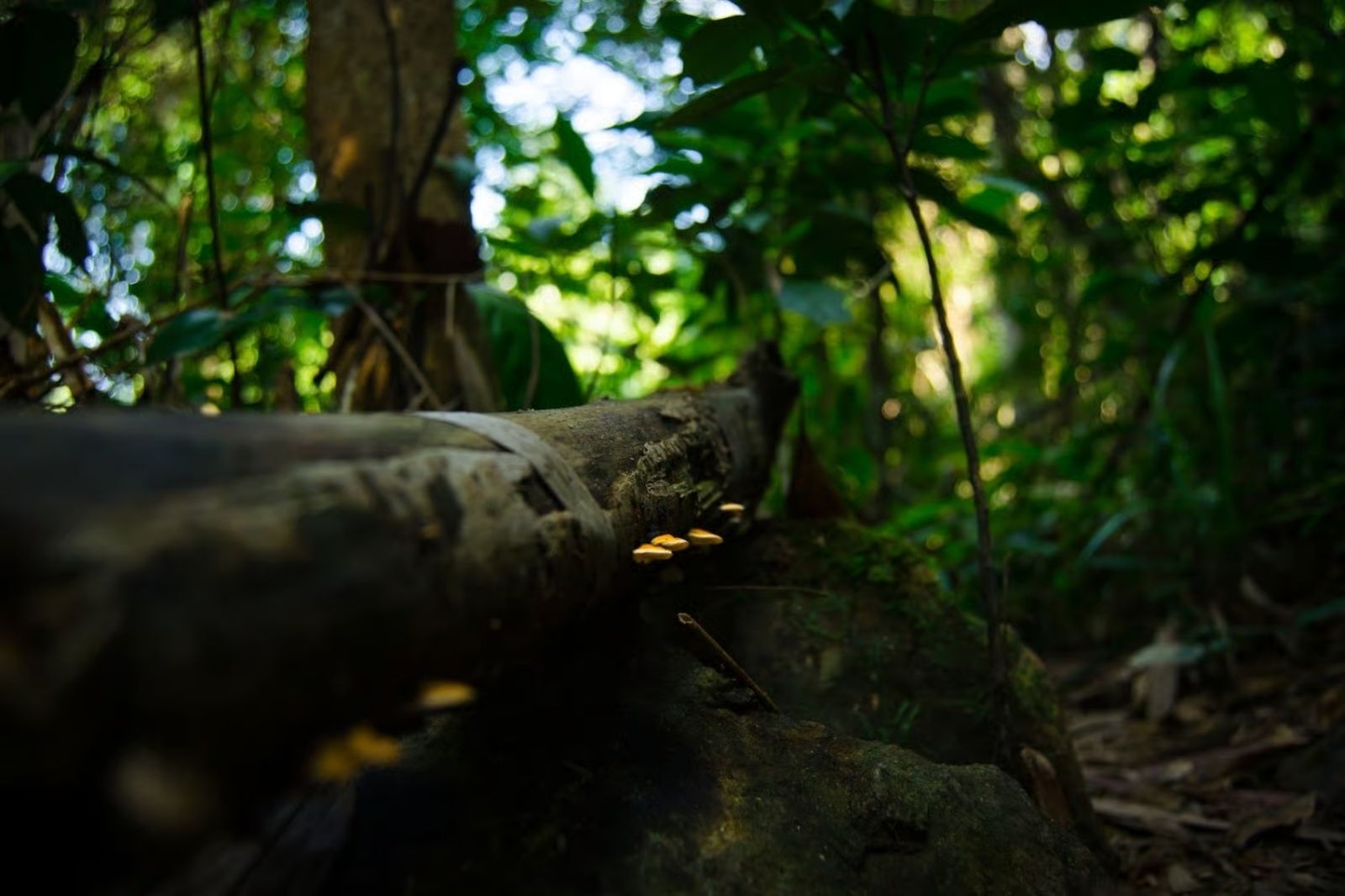
A call to join hands in protecting nature
Photo: A call to join hands in protecting nature

4. Environmental education and raising community awareness

One of the most important contributions of Phong Nha Botanical Garden is the "green classroom" model combining ecotourism with environmental education. Since 2022, the garden has welcomed over 2,000 students participating in field trip programs.

Key activities:

  • Environmental interpretation along trails: Observing forest layers, identifying endemic trees, understanding the climate regulation role.
  • Visiting the animal rescue center: Learning about rescue procedures, endangered species characteristics, and consequences of illegal poaching.
  • Creative experiential activities: Painting, crafting from forest leaves, presentations on nature protection.
  • Conquering Gio Waterfall and light trekking: Physical fitness training combined with forest protection education.

These programs are designed not only for students but also extended to local communities and tourists, helping raise awareness, change behavior, and foster a nature-loving young generation ready to participate in conservation.

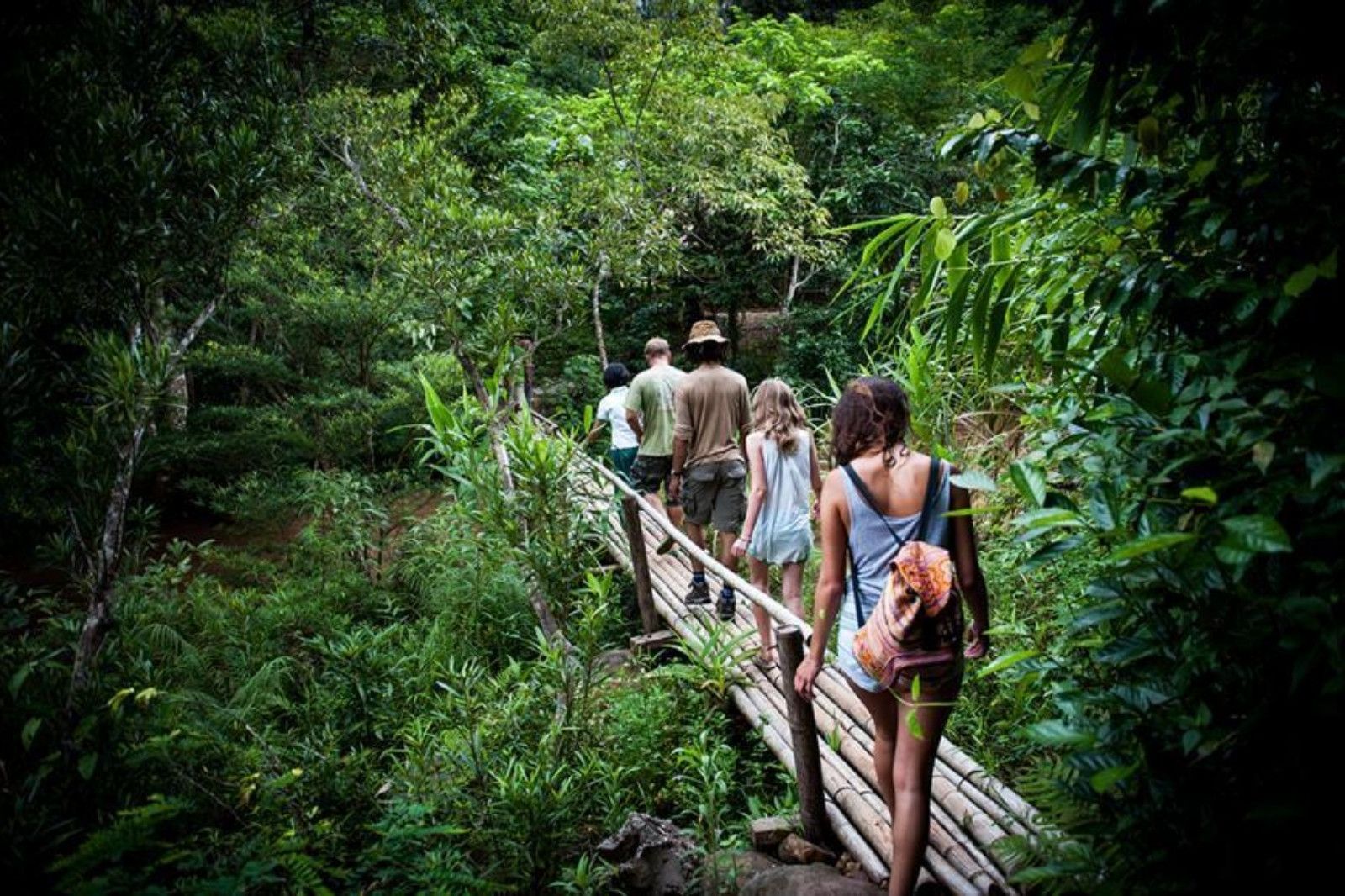
Balancing exploration and preservation
Photo: Balancing exploration and preservation

5. Phong Nha Botanical Garden in the conservation strategy of Phong Nha โ€“ Ke Bang

Phong Nha Botanical Garden is a vital link in the overall conservation strategy for the World Natural Heritage Site Phong Nha โ€“ Ke Bang (recognized by UNESCO in 2003, later expanded for biodiversity value). The national park covers an area of over 123,000 hectares, boasting 1,394 animal species and nearly 3,000 plant species, 111 of which are listed in the Vietnam Red Data Book.

The Botanical Garden specifically contributes by:

  • Implementing simultaneously in-situ + ex-situ โ€“ an advanced model supporting the entire national park.
  • Serving as a rescue and release center for wild animals (hundreds of individuals have been rehabilitated and re-released).
  • Developing sustainable ecotourism: Reducing pressure on the core zone by dispersing visitors, combining education and community economics.
  • Providing scientific data and specimens for state management, contributing to international projects on biodiversity conservation.

As a result, the garden not only protects intrinsic values but also elevates the stature of Phong Nha โ€“ Ke Bang National Park on the world conservation map.

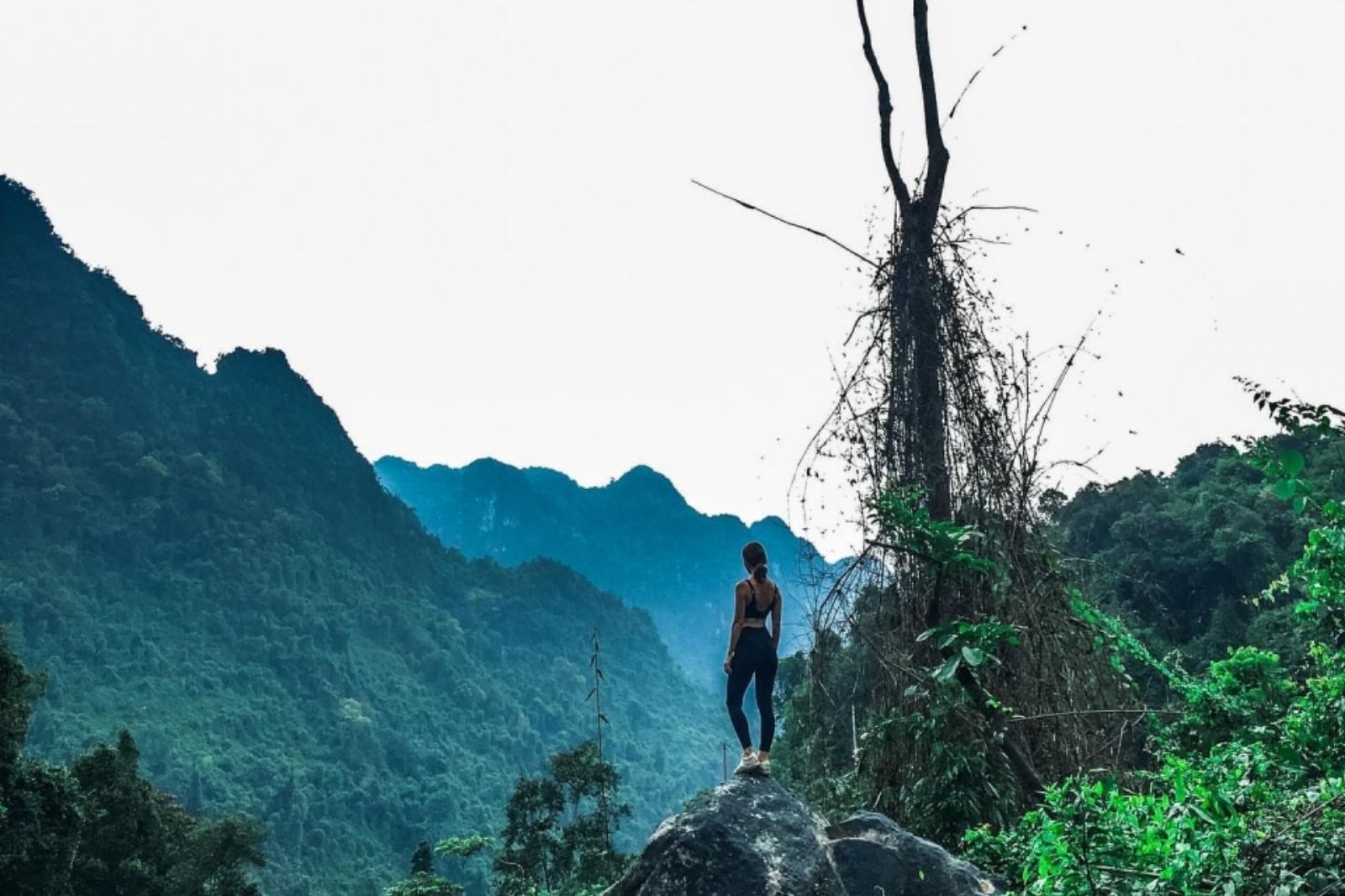
Humans connecting and integrating with nature
Photo: Humans connecting and integrating with nature

Phong Nha Botanical Garden is not just a piece of land; it is a story - a story of life, responsibility, and hope. Here, every branch, every creature carries within it the memories of earth and sky and a message to humanity: that nature is not something to appropriate, but to cherish and protect. If you have the chance to set foot here this year, do not hesitate to book a Phong Nha Botanical Garden tour with Sovaba Travel via hotline 0934.733.223 to listen to the sound of the wind, gaze into the eyes of wild animals, and feel the responsibility we carry on our shoulders โ€“ the duty to preserve a heritage belonging not only to Vietnam, but to all of humanity.

Loading......

Featured destinations