Thien An Monastery Hue: A Peaceful Haven Amidst the Ancient Capital's Pine Forest

Central

Thua Thien Hue

Thien An Hill – Thuy Tien Lake

Sovaba.travel

Updated at: 24/09/2026

1. Where is Thien An Monastery?

Thien An Monastery is located on Thien An Hill, in Thuy Bang Commune, Huong Thuy District, Thua Thien Hue Province. It is located about 10km southwest of Hue city center, near famous landmarks such as Khai Dinh Tomb and Thuy Tien Lake. Covering a vast area of over 107 hectares of pine forest, Thien An Monastery is not only a Catholic monastery but also an attractive eco-tourism spot, drawing thousands of visitors each year.

An overview of Thien An Monastery can be summarized as a peaceful sanctuary where humans blend with nature. Built in the 1940s, the monastery bears the name "Thien An" – meaning "Heavenly Peace" – reflecting its mission of bringing peace to the soul. The grounds include a chapel, a bell tower, retreat areas, and tree-lined walking paths. The air here is always cool and fresh thanks to its high hill location, with an average temperature about 2-3 degrees Celsius lower than Hue city. This is an ideal location for those who want to escape the hustle and bustle of life, seek relaxation, or explore spiritual tourism in Hue.
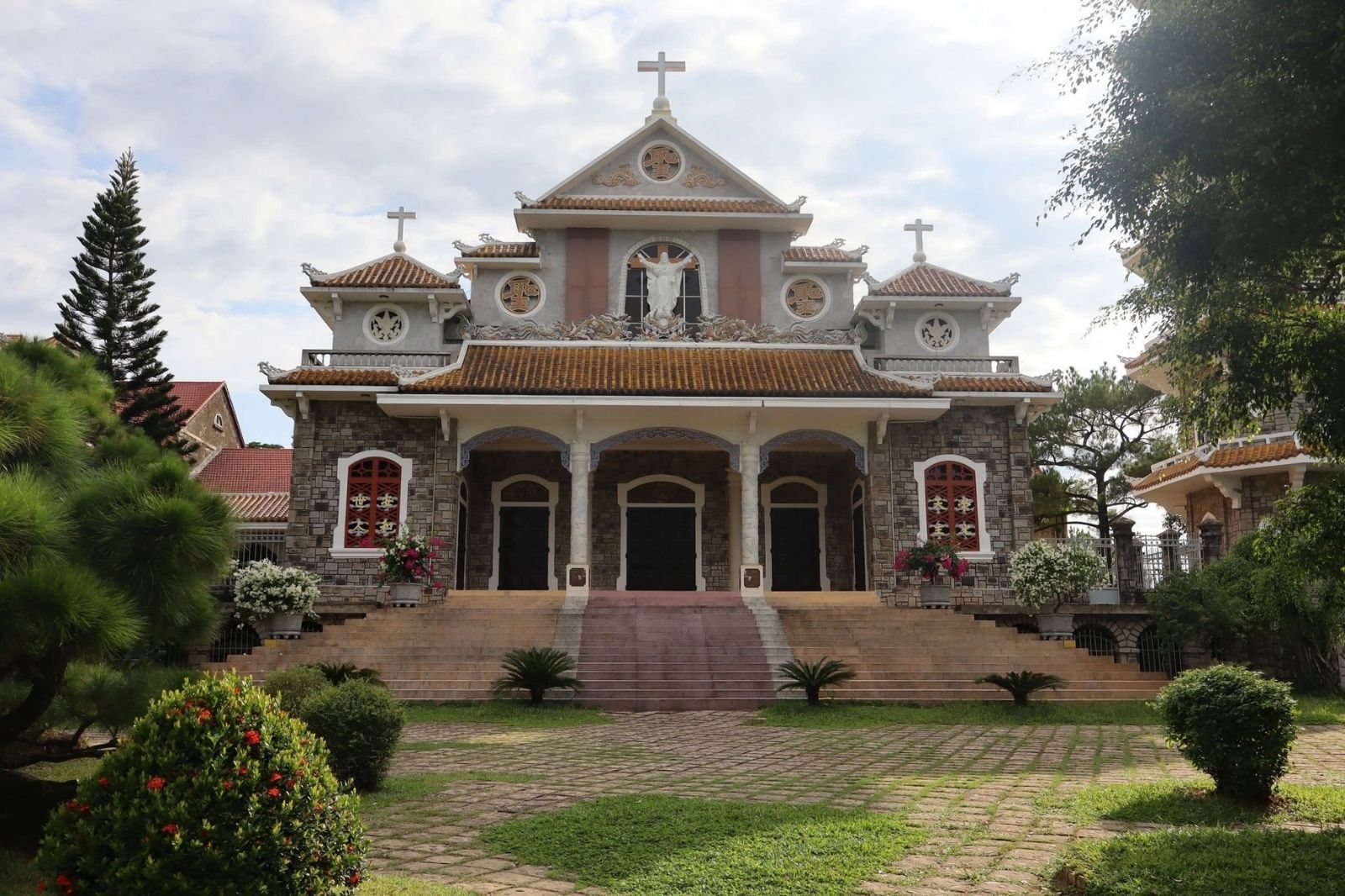
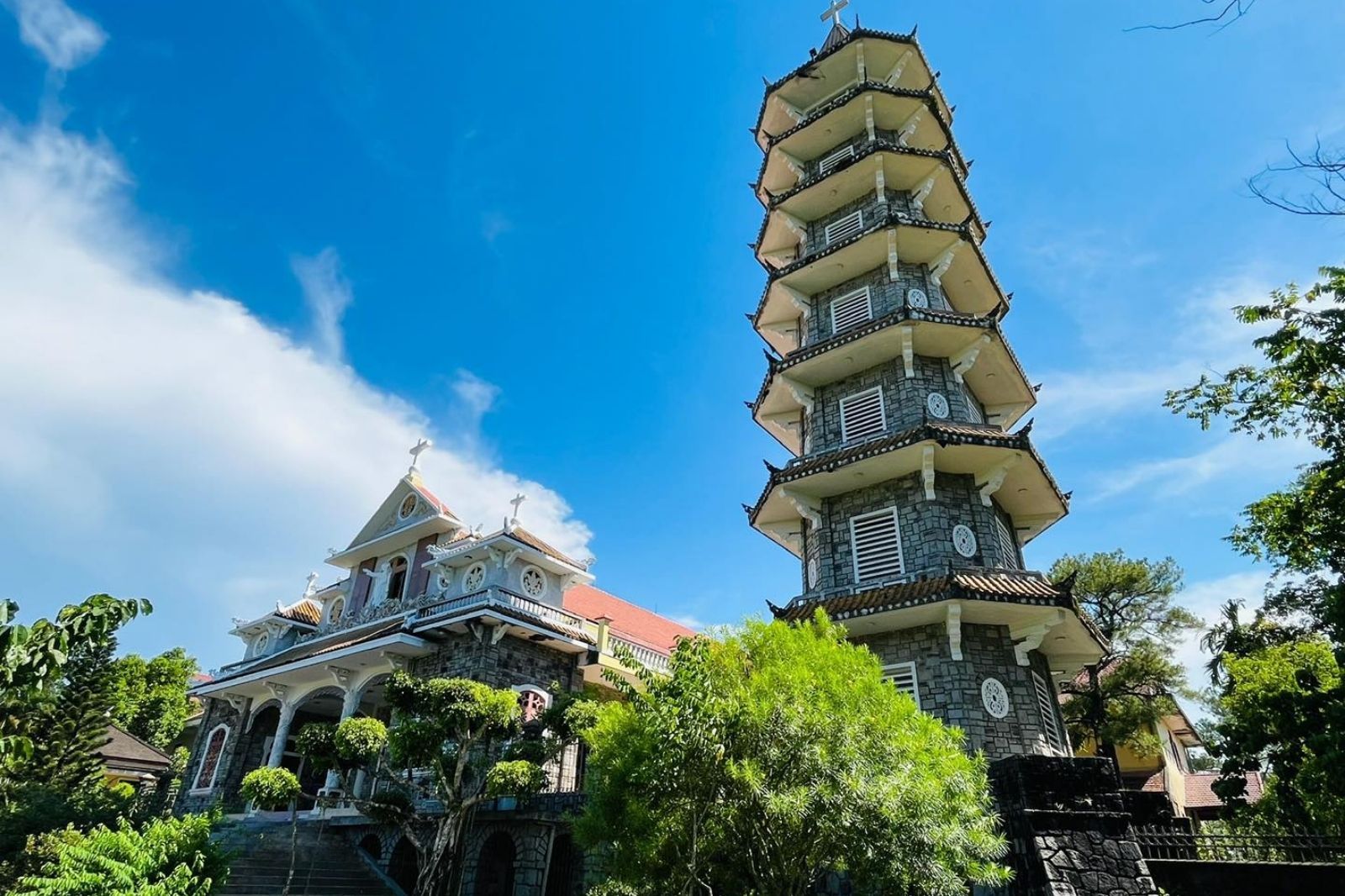
Thien An Monastery was built on Thien An Hill
Photo: Thien An Monastery was built on Thien An Hill

2. History and significance of Thien An Monastery

The history of Thien An Monastery originates from the Benedictine Order, founded by Saint Benedict in 520 in Subiaco, Italy. By 1935, the first Benedictine Monastery in Vietnam was established in Da Lat, and later expanded to Hue. Specifically, on June 10, 1940, Benedictine monks from France, led by Father Corentin Colin and Father Romain Guillauma, arrived in Hue to build Thien An Monastery on a pine hill plot donated by Mr. Nguyen Huu Bai (a mandarin of the Nguyen Dynasty). Initially, the monastery consisted of simple thatched huts, but gradually developed into a solid architectural complex.

Through historical events, such as the Vietnam War and the post-war period, Thien An Monastery faced many difficulties, including land being occupied. However, from 1965, the monastery opened a sawmill and carpentry shop, attracting many Catholic craftsmen and contributing to the formation of today's Thien An Parish. The significance of the Monastery extends beyond its religious value – where monks live a life of contemplation, prayer, and work following the rule of "Ora et Labora" (Pray and Work) – to become a symbol of the harmony between Christianity and Vietnamese traditional culture. For visitors, this place represents a breath of peace, helping to recharge spiritual energy amid modern life.

3. What is special about the architecture of Thien An Monastery Hue?

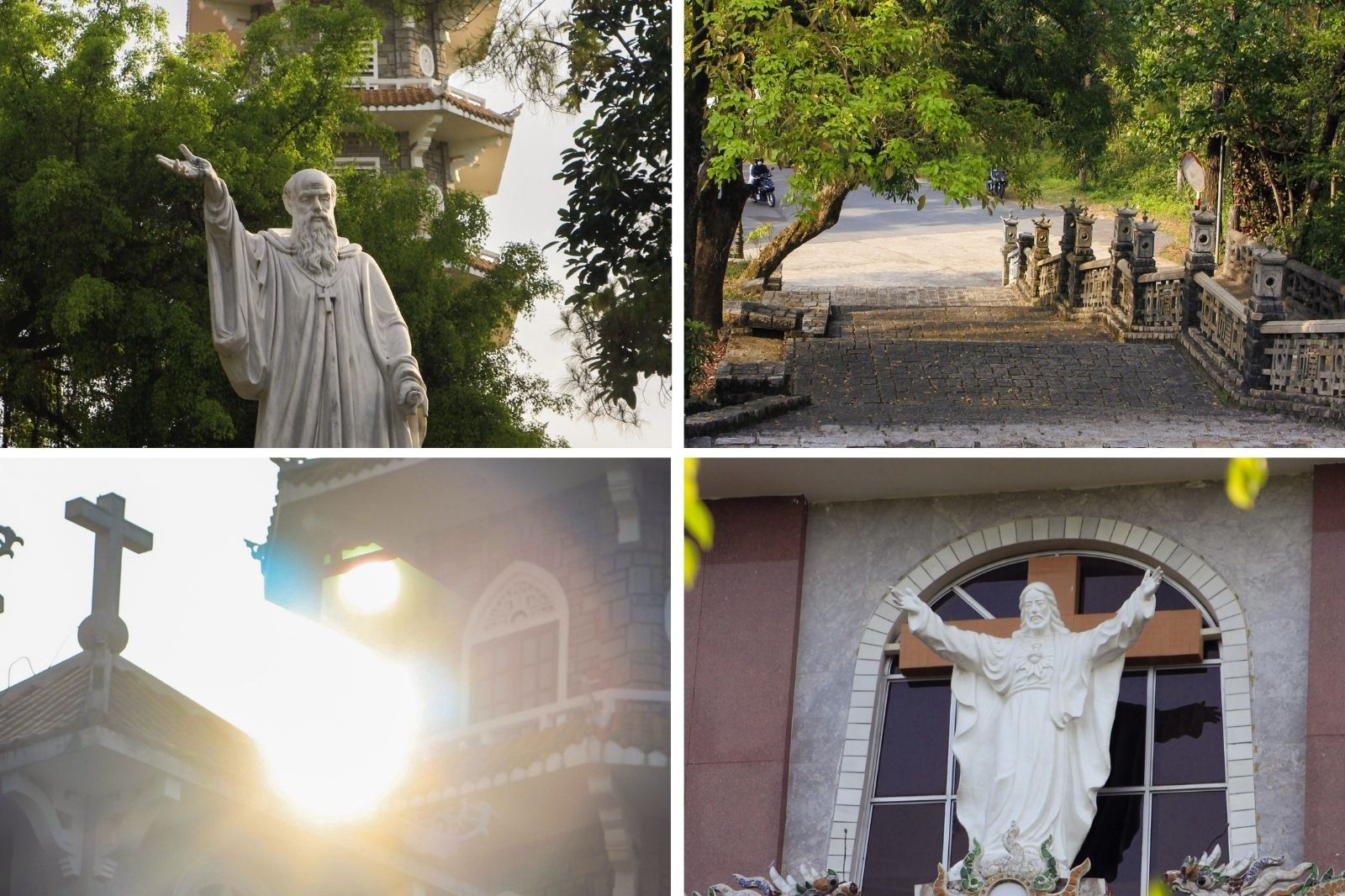
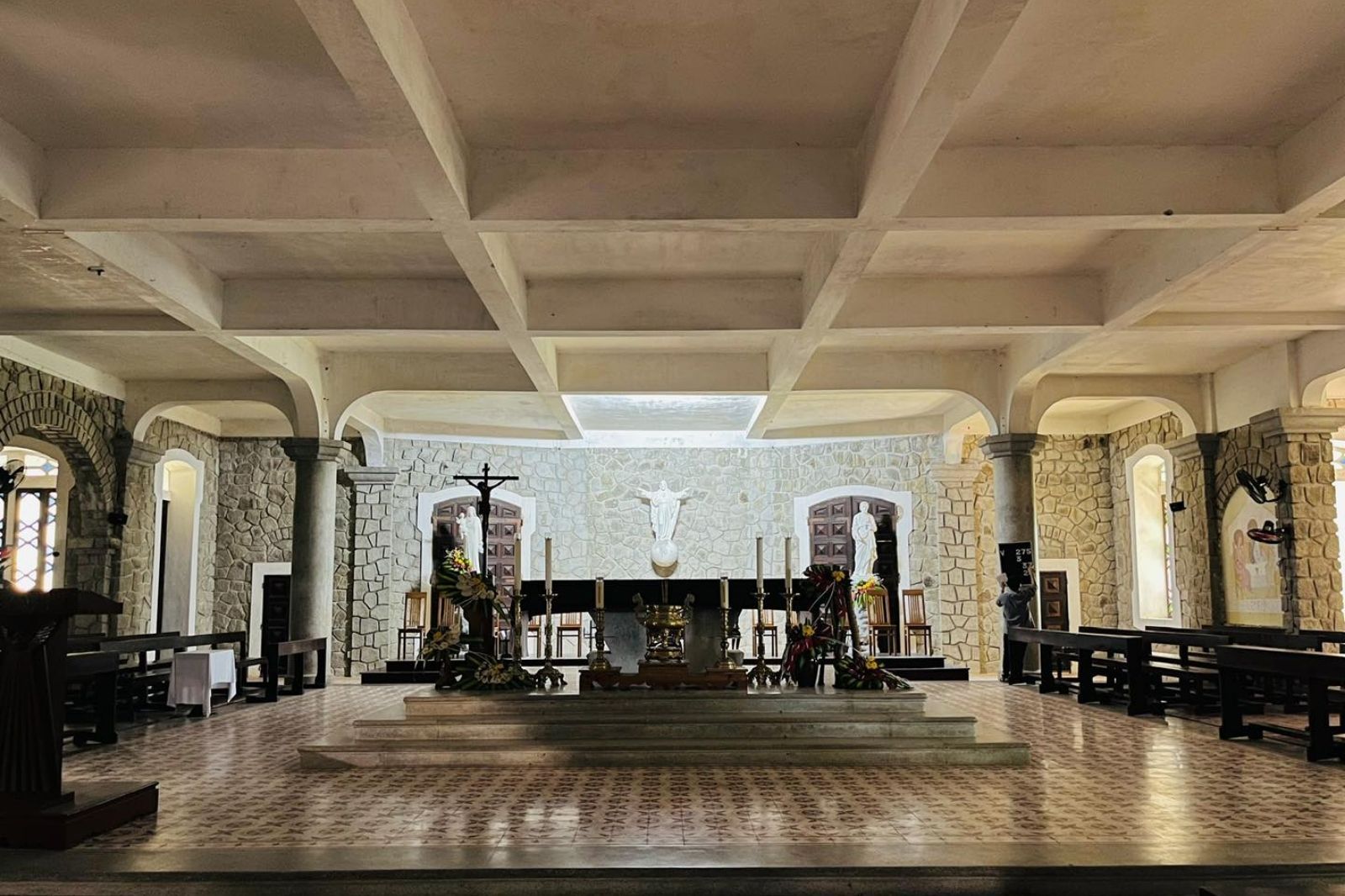
The architecture of Thien An Monastery is a harmonious combination of classic European style and Asian elements, creating a rare uniqueness among Catholic monasteries in Vietnam. The main highlight is the chapel with high vaulted ceilings, a solemn statue of Jesus on the cross, and exquisitely carved statues of saints. The pointed bell tower, nestled amidst the pine forest, evokes ancient Vietnamese pagodas, creating a familiar yet mystical feeling.

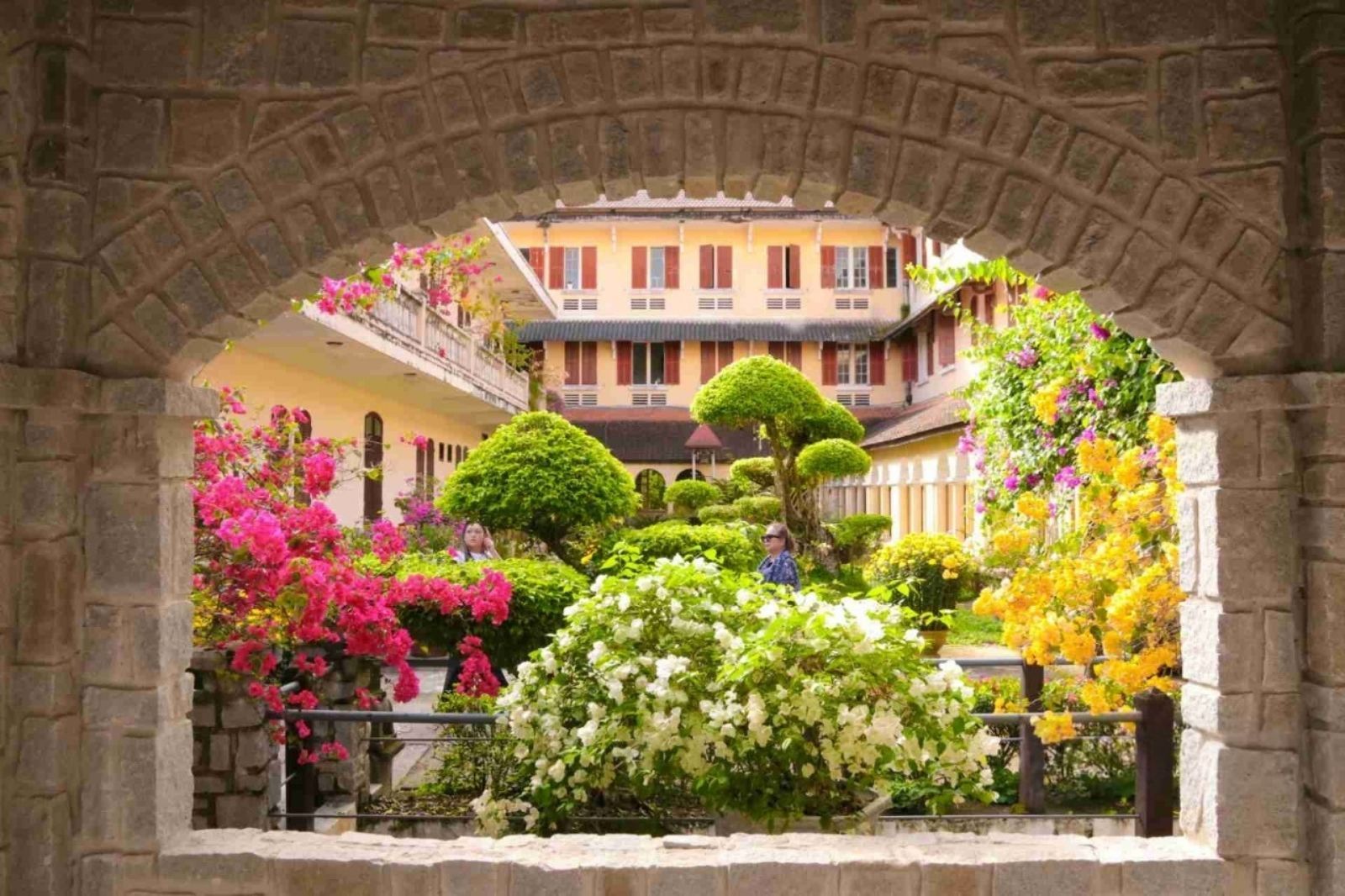
The entrance to the monastery is a long flight of steps, with the left side decorated with Chinese-style frames of the character "Phuc" (Blessing), symbolizing blessings and good fortune. The grounds also feature retreat houses, small gardens, and a statue of Our Lady, all designed simply and close to nature. What makes it special is that the architecture is not ostentatious but emphasizes tranquility, helping visitors feel the sanctity without feeling overwhelmed. If you love religious architecture, Thien An Monastery will certainly be an endless source of inspiration for artistic photos.

Architectural space at Thien An Monastery
Photo: Architectural space at Thien An Monastery 

4. Directions to Thien An Monastery from Hue city center

From the center of Hue, you can travel by motorbike, car, or taxi, taking about 20-30 minutes. Detailed directions:

  • Starting from Truong Tien Bridge, go straight along Dien Bien Phu Street past Tu Dam Pagoda and Nam Giao Esplanade.
  • Continue onto Minh Mang Street, turn right into Thuy Bang Street (follow the signposts to Khai Dinh Tomb).
  • Drive about 3-4km up the hill, and you will see the gate of Thien An Monastery on your right.

If traveling by bus, take route No. 4 from Hue center to Thuy Bang, then walk or take a motorbike taxi up the hill. Note that the hill road is winding, so drive carefully.

Peaceful space at Thien An Monastery
Photo: Peaceful space at Thien An Monastery 

5. Must-try experiences when visiting Thien An Monastery

Visiting Thien An Monastery, you not only sightsee but also have the opportunity to experience a deep spiritual journey amidst the ancient capital's pine forest. Below are the highlighted activities:

  • Sightseeing and architectural check-in: Stroll around the grounds, take photos at the chapel, bell tower, and artistic statues. In particular, ask the monks for permission to climb the bell tower, where you'll get a panoramic view of the green pine forest and Thuy Tien Lake sparkling in the sun.
  • Retreat and prayer: Join communal prayer times (if schedule aligns) or spend time reflecting by the retreat house. The quiet space, the sound of wind whispering through the pines, and the church bells will help you forget all your worries.
  • Explore nature: Walk along the trail through the pine forest, listen to birds singing, and breathe in the fresh air. During the rainy season (September–December), mist covers the area, creating a magical, fairyland-like scene.
  • Enjoy local cuisine: Near the Monastery, there are roadside eateries selling Hue specialties such as beef noodle soup (bun bo) and clam rice (com hen) at affordable prices, making your trip complete.

Ideal time: Early morning or late afternoon, avoiding peak hours to enjoy true peace.

Inside the central chapel
Photo: Inside the central chapel 

6. Important notes when visiting Thien An Monastery Hue

For a complete experience and to show respect in this spiritual space, visitors should keep in mind:

  • Attire: Dress modestly and politely (long pants, sleeved shirts) to comply with religious rules.
  • Behavior: Keep quiet, do not litter, and ask for permission before taking photos inside the chapel area.
  • Weather: High hills are often chilly, so bring a light jacket and check the weather forecast to avoid slippery rainy days.
  • Cost: Visiting is completely free; you only need to pay a small parking fee (around 5,000–10,000 VND/motorbike).

Destinations Near Thien An Monastery Hue

Combining a visit to the Monastery with nearby destinations will make your journey to explore Hue more diverse:

  • Thuy Tien Lake (2 km): An abandoned park with unique dragon architecture, featuring a wild and eerie beauty.
  • Minh Mang Tomb & Khai Dinh Tomb (5–7 km): Two iconic mausoleums of the Nguyen Dynasty, famous for their ancient and intricate architecture.
  • Vong Canh Hill (4 km): A panoramic viewpoint over Hue from above, ideal for photography lovers.
  • Thien Mu Pagoda (10 km): An over 400-year-old pagoda, a famous cultural and spiritual symbol beside the Perfume River.
The inner grounds of Thien An Monastery
Photo: The inner grounds of Thien An Monastery 

In an increasingly fast-paced life, Thien An Monastery Hue retains its quiet charm amid the pine forest, where people can regain balance and find a quiet space for the soul. More than just a religious destination, Thien An is evidence of the long-standing connection of monastic orders with the ancient capital, where history, culture, and spiritual life intertw. Stopping here once is not just for sightseeing or taking photos, but to feel the value of silence – something that sometimes becomes more precious than ever in modern life.

Loading......

Featured destinations