Unveiling the History of Hue Museum of Royal Antiquities and Its Unique Cultural Value
Central
Thua Thien Hue
Hue Royal Antiquities Museum
Sovaba.travel
Updated at: 24/09/2026
1. The History and Establishment of the Hue Royal Antiquities Museum
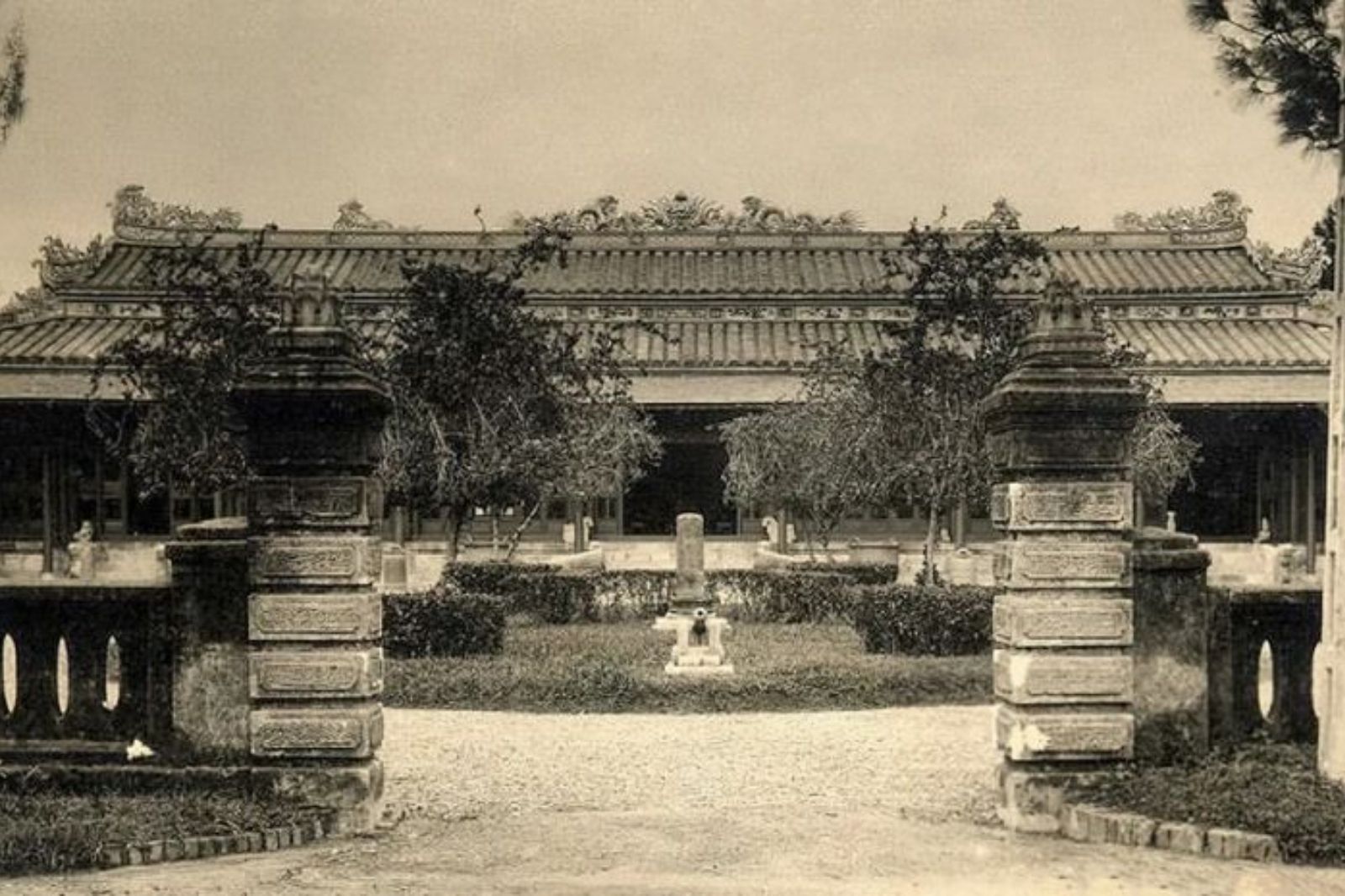
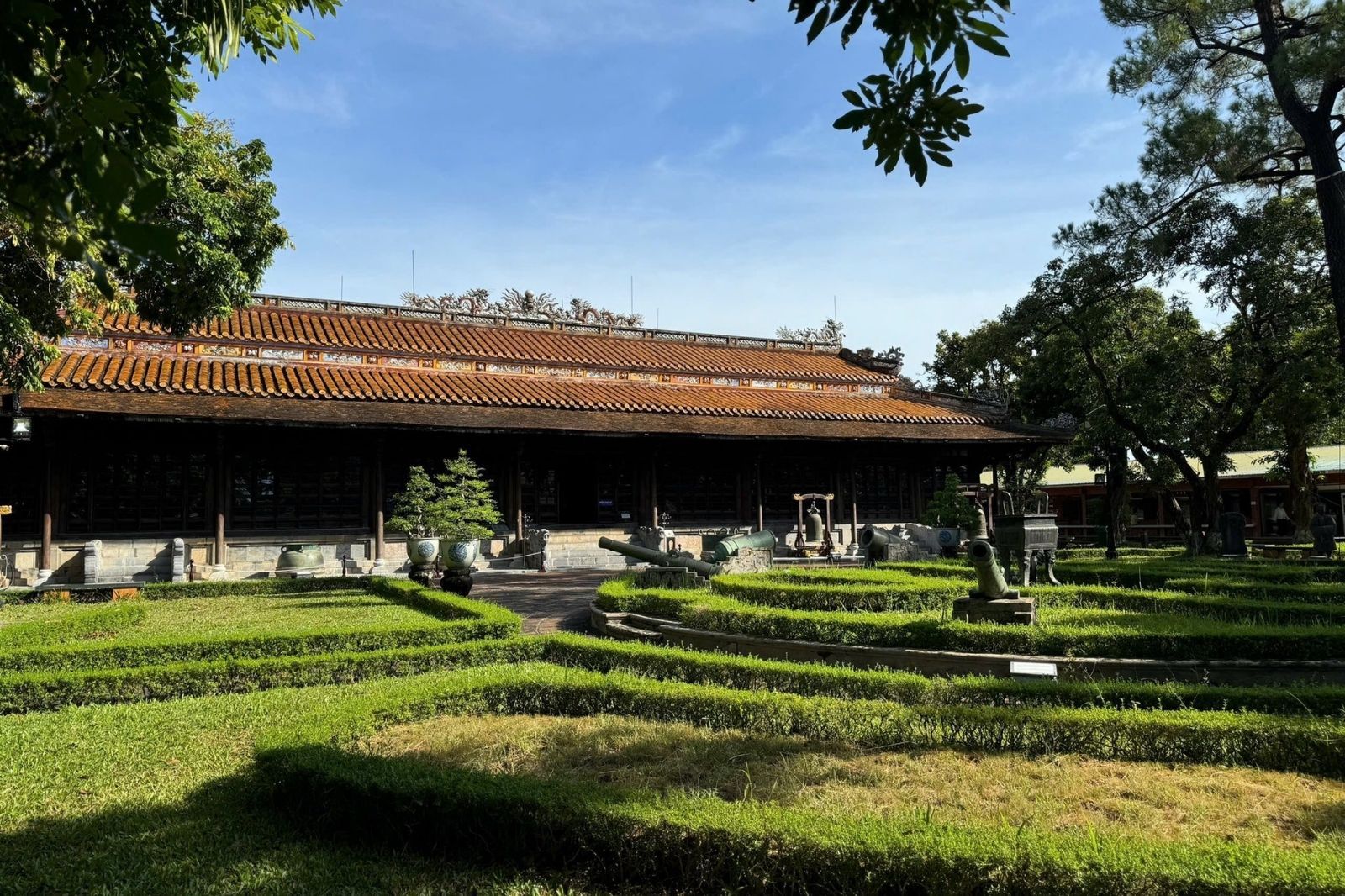
Hue Museum of Royal Antiquities was built on the foundation of Long An Palace, a royal architectural work belonging to the Bao Dinh Palace system, constructed in 1845 under King Thieu Tri. Long An Palace was originally a place of rest for the king after the early spring Tich Dien (plowing) ceremony, as well as a space for the king to relax and enjoy leisure time whenever he left the Imperial City. Featuring unique wooden architecture, 128 ironwood pillars carved with the four sacred mythical creatures (dragon, unicorn, turtle, phoenix) and more than 1,000 poems written in Chinese characters, Long An Palace is considered one of the most beautiful royal structures in Vietnam.
After the passing of King Thieu Tri in 1847, Bao Dinh Palace was kept intact for worship. However, in 1885, following the fall of the Hue Citadel, several structures within Bao Dinh Palace, including Long An Palace, were dismantled. In 1909, during the reign of King Duy Tan, Long An Palace was rebuilt and converted into the library of the Imperial Academy (Quoc Tu Giam) under the name Tan Tho Vien (New Library).
Photo: Hue Museum of Royal Antiquities was built on the foundation of Long An Palace
In 1913, the Association of Friends of Old Hue (Association des Amis de la Vieux Hué) began collecting artifacts of historical and cultural value. Tan Tho Vien was chosen as the exhibition venue for these artifacts. On August 24, 1923, Resident-Superior of Annam Pierre Pasquier and King Khai Dinh issued an official decree establishing the museum named Musée Khải Định, marking the birth of one of the first museums in Vietnam.
2. Name Changes and Historical Ups and Downs
The museum has undergone several name changes, reflecting the country's historical fluctuations:
1945: Renamed Tang Co Vien (Antique Museum) during the French reoccupation of Hue.
1958: Named Hue Museum under the Republic of Vietnam regime.
1979: Called Hue Antiquities Museum
1995: Officially named Hue Royal Fine Arts Museum.
2007: Returned to the name Hue Museum of Royal Antiquities, as it is known today.
Currently, the museum is managed by the Hue Monuments Conservation Center and is an important part of the Complex of Hue Monuments, recognized by UNESCO as a World Cultural Heritage site in 1993.
Photo: The museum has undergone several name changes
3. The Unique Cultural Value of the Hue Royal Fine Arts Museum
Long An Palace, where the museum is housed, is a royal architectural masterpiece featuring the "trung thiem diep oc" design (overlapping roofs and double houses)—a traditional Vietnamese architectural style. The entire structure was built from precious ironwood, unpainted and un-gilded, preserving its natural, rustic beauty. The wooden pillars are intricately carved with the four sacred animals and Chinese poems, demonstrating the fusion of sculpture art and Confucian culture. The museum interior is also decorated with mother-of-pearl inlay, shell inlay, and relief carving techniques, creating a space that is both majestic and elegant.
Rich Collection of Antiquities
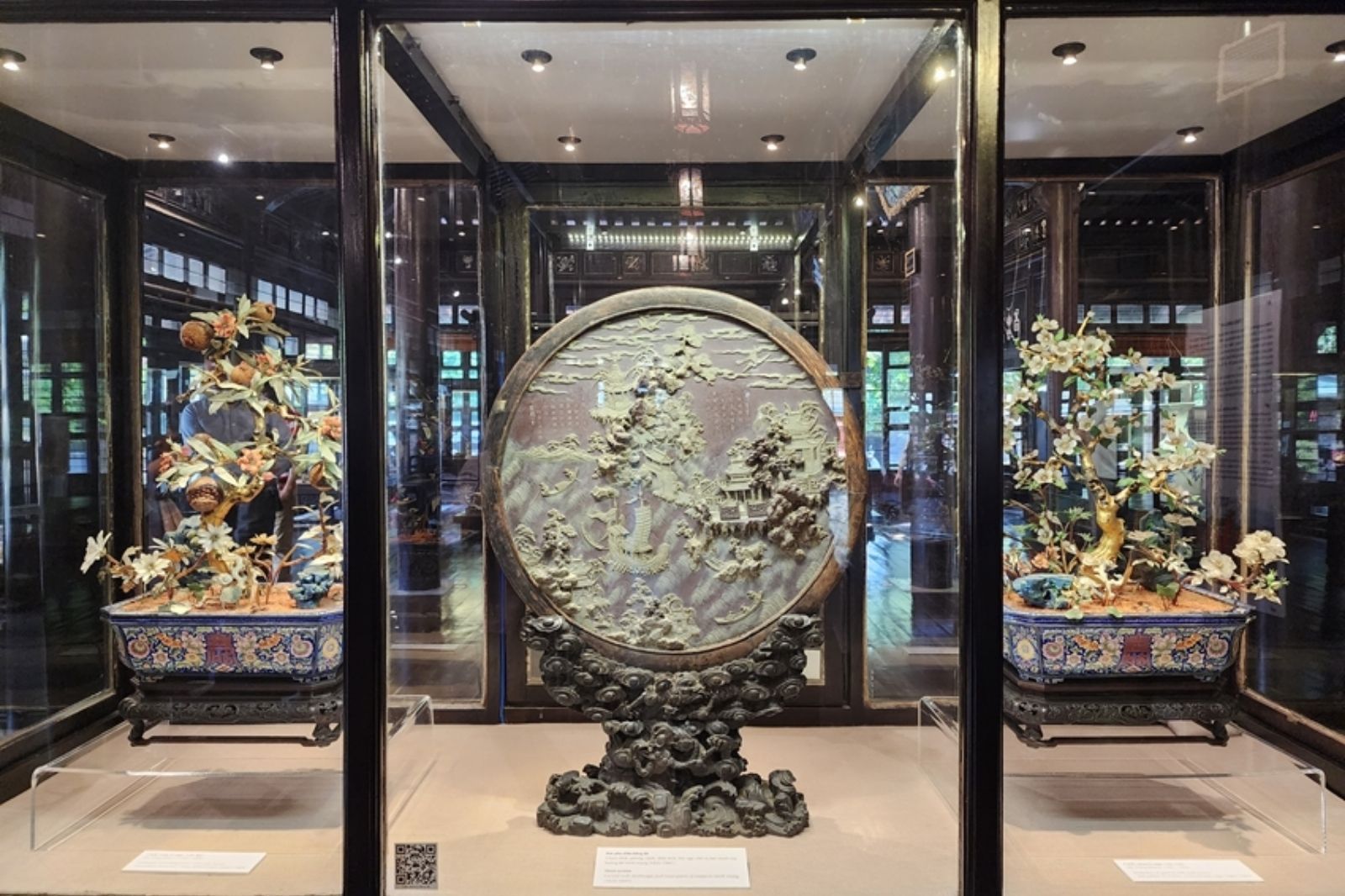
The museum currently stores and displays about 11,000 artifacts. Notable collections include:
Nguyen Dynasty Custom-ordered Porcelain: Includes items ranging from decorative pieces (stools, pots, urns) to everyday and ceremonial objects. Notably, blue-and-white porcelain (Bleu de Hue) produced in China to order for the Nguyen royal court bears a strong Hue cultural imprint.
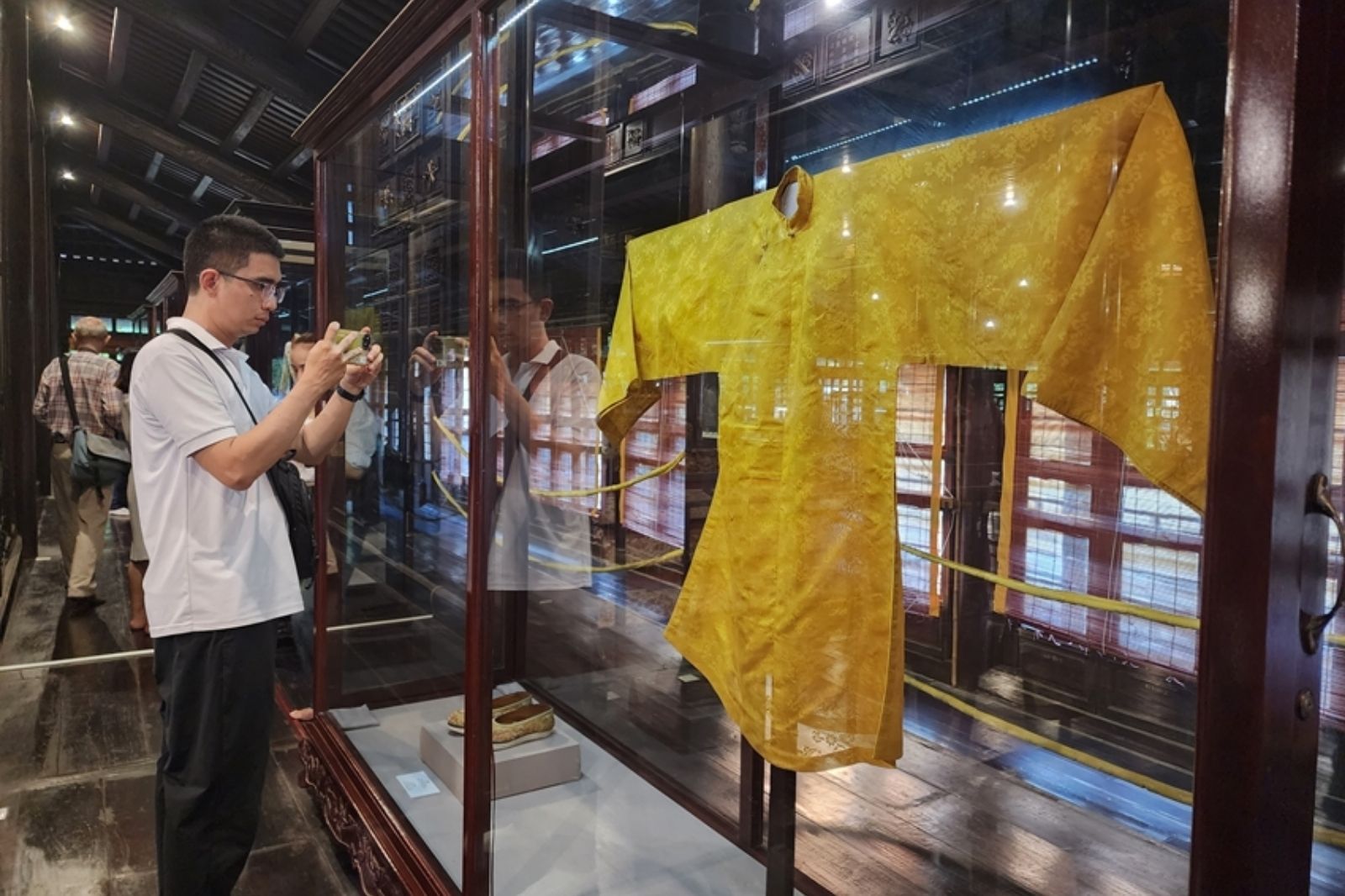
Royal Attire: Includes royal robes, garments of kings, queens, and mandarins, meticulously tailored with distinctive patterns and colors, reflecting the hierarchy in feudal society.
Nguyen Dynasty Dau Ho (Pitch-pot game): A collection of pitch-pot sets (a royal pastime game) made of porcelain, mother-of-pearl inlaid wood, and enamel studded with gems, showcasing the sophisticated pastimes of the royalty.
Gilded and Lacquered Woodwork: Artifacts such as the royal throne, royal bed, and palace furniture, crafted by talented artisans.
Champa Antiquities: Over 80 artifacts collected from the Chau O, Chau Ly, and Tra Kieu regions (1927), considered a rare cultural heritage.
These artifacts not only hold immense material value but also serve as vivid evidence of the development of art, culture, and royal life during the Nguyen Dynasty.
Photo: The museum currently preserves and displays many precious artifacts
Historical Value and Cultural Exchange
Hue Museum of Royal Antiquities vividly depicts royal life and the historical ups and downs of the Nguyen Dynasty (1802–1945). The artifacts here reflect cultural exchanges between Vietnam and other countries, such as China (custom-ordered porcelain), France (French ceramics), and Japan. Many artifacts were ordered from abroad or crafted by master artisans under royal decrees, making them unique "one-of-a-kind" pieces without duplicates.
Additionally, thematic exhibitions such as "Dragons and Phoenixes on Nguyen Dynasty Treasures" or "Floral Patterns in the Hue Royal Court" help visitors better understand the beliefs, art, and spiritual life of the Nguyen kings and nobility.
The museum is not only an ideal destination for history and culture enthusiasts but also plays a crucial role in traditional education and Hue's tourism development. Exhibition activities, seminars, and art education programs hosted here help younger generations gain a deeper understanding of national cultural values.
Photo: The museum currently preserves and displays many precious artifacts
Hue Museum of Royal Antiquities not only preserves a vast collection of precious Nguyen Dynasty artifacts but also serves as a vibrant symbol of a golden era in Vietnamese history. It impresses visitors with its unique royal architecture, rich collection of artifacts, and profound cultural value. Joining the Hue Museum of Royal Antiquities tour, visitors can admire royal treasures with their own eyes, listen to the stories behind each artifact, and immerse themselves in the solemn, ancient atmosphere of the old citadel. This is undoubtedly an ideal stop on your journey to explore Hue.