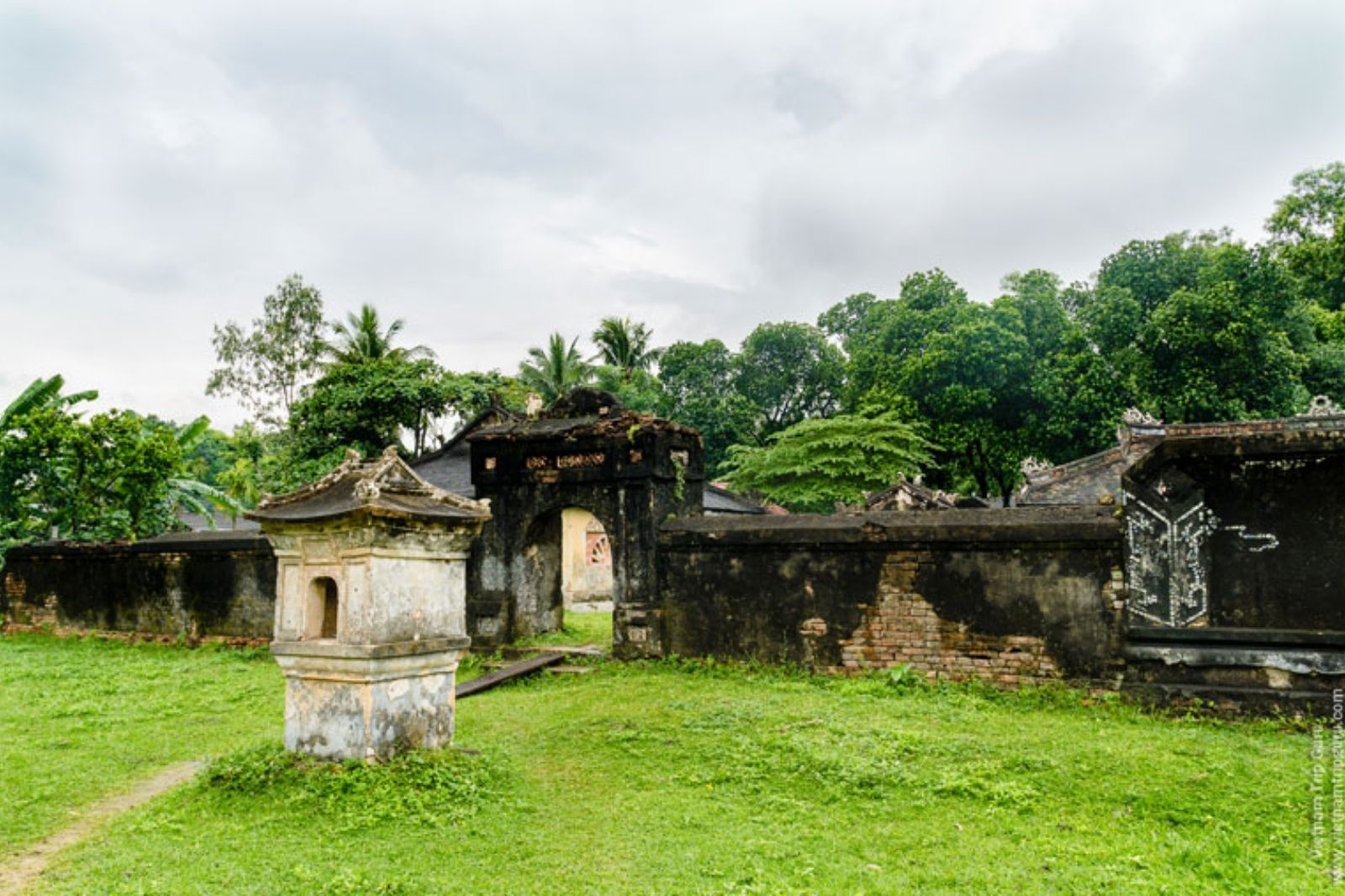
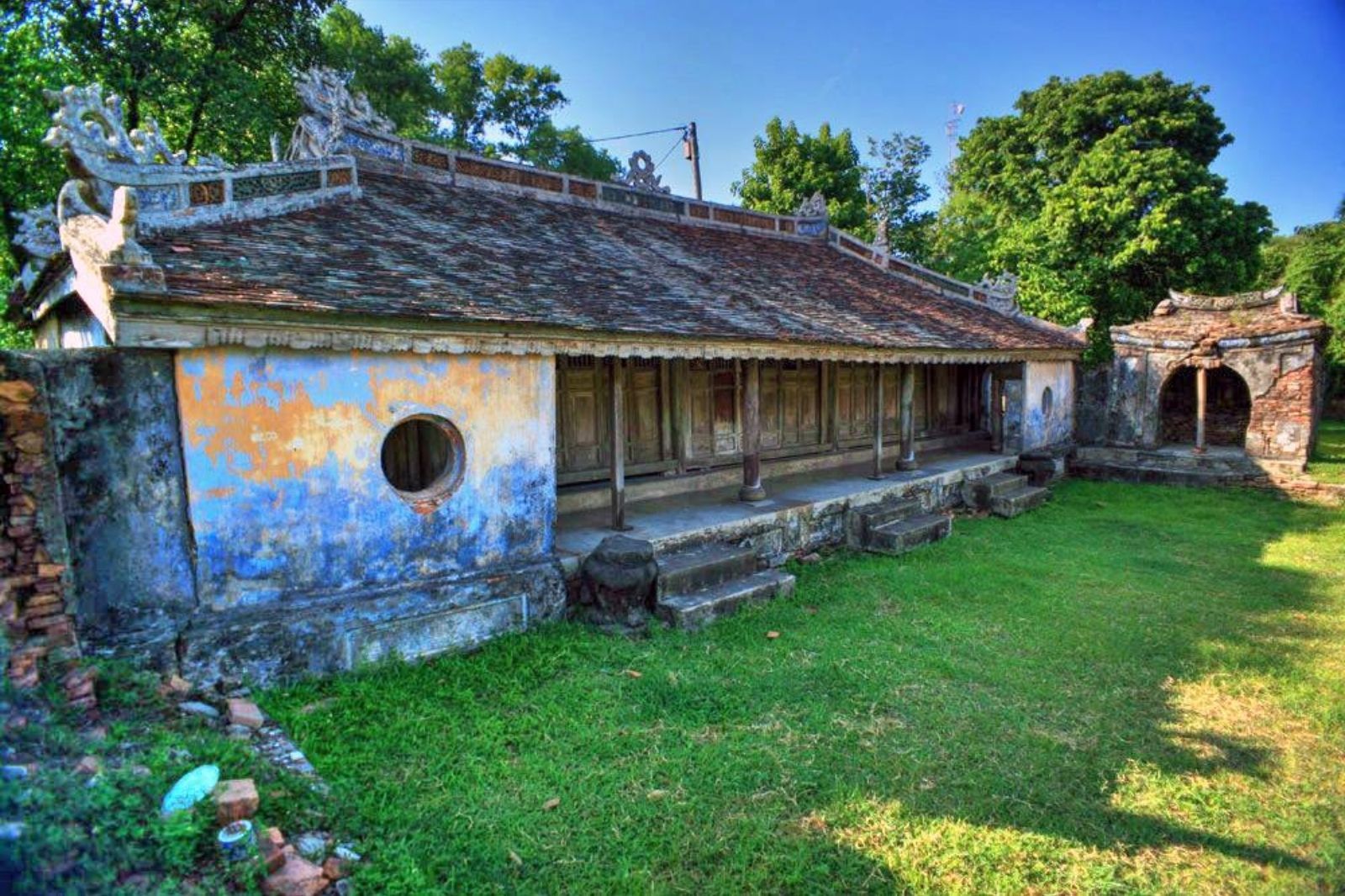
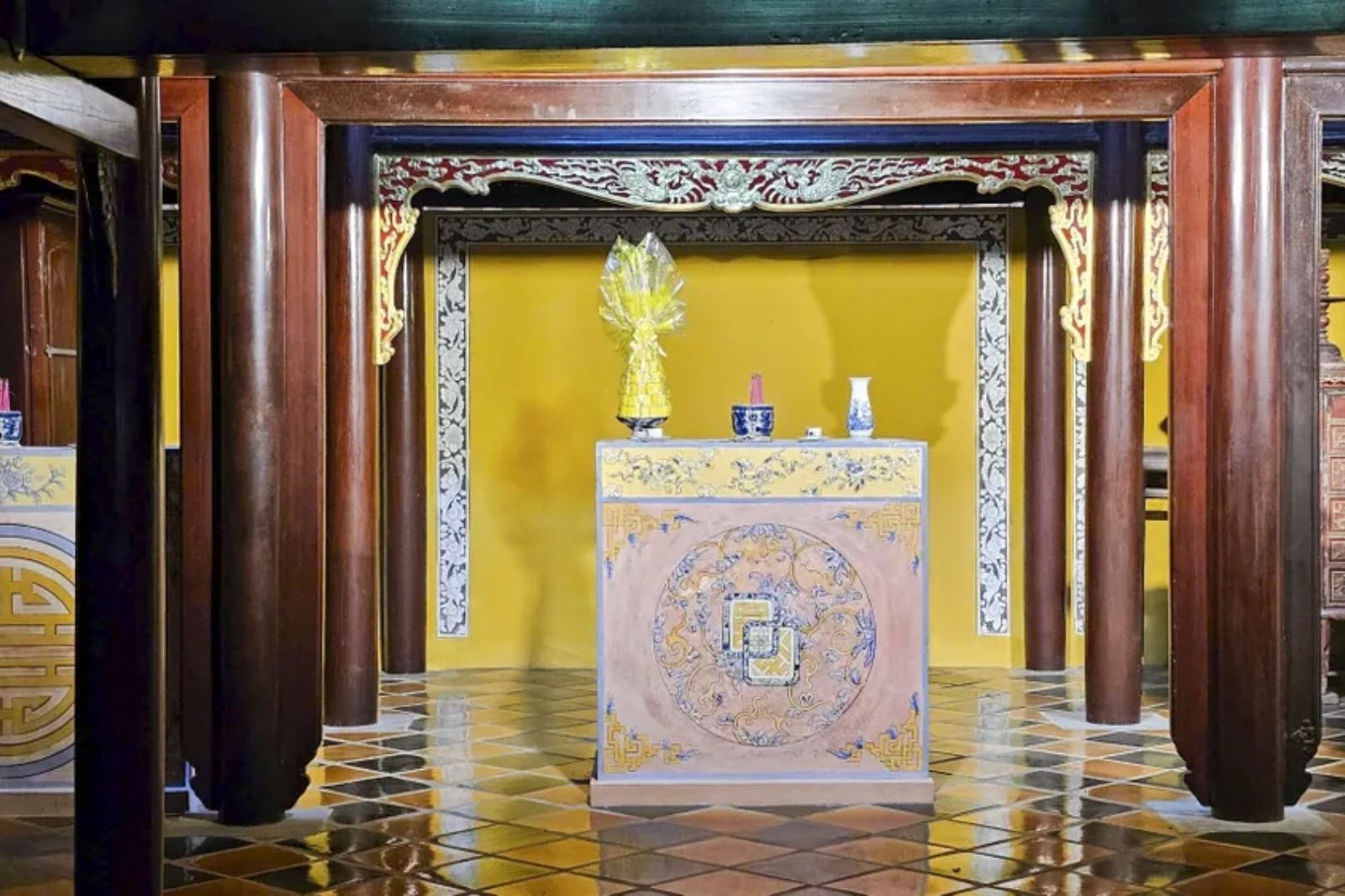
Voi Re Palace Hue is not only an ancient architectural work, but also a tragic epic of loyalty between humans and elephants—the silent “warriors” closely tied to the history of the Nguyen Dynasty.
The name “Voi Re” originates from a touching 18th-century legend during the Trinh – Nguyen conflict. Legend has it that after a brave Dang Trong general fell on the battlefield, his loyal elephant traveled hundreds of miles back to Phu Xuan (now Hue), trumpeting mournfully while running, before collapsing at Tho Cuong Hill. Out of pity, local people buried the elephant on the spot, erected a tomb, and called it the Voi Re Tomb—the place preserving the final tragic roar of the war elephant.
In 1817, after the country was unified, King Gia Long—having witnessed the decisive role of war elephants in many battles—ordered the construction of Voi Re Palace right on the foundation of the old tomb. Initially, the shrine was established to worship the guardian deity of elephants, but later expanded to commemorate the four bravest war elephants of the Nguyen Dynasty: Voi Re (associated with the legend), Voi O Long, Voi Bich, and Voi Nhi (also known as Bon). Not only means of warfare, these war elephants were symbols of absolute loyalty.
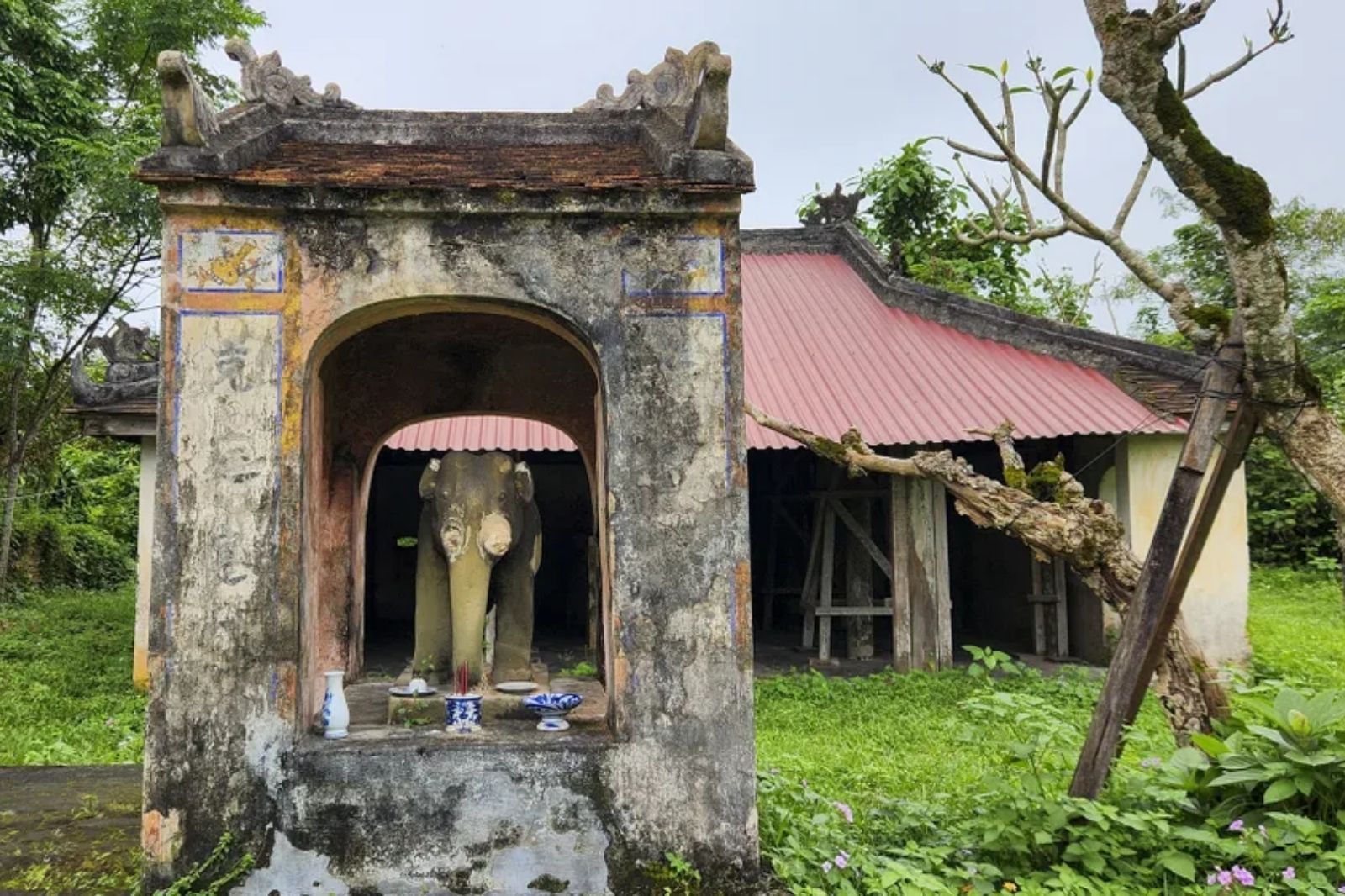
Among them, the story of Elephant O Long left many deeply moved. After its commander passed away, O Long resolutely went on a hunger strike, trumpeted in sorrow for three days, and then died following its master. Other war elephants like Bay, Tam, and Chin also demonstrated rare loyalty. Moved by such devotion, King Minh Mang in 1825 bestowed upon the palace the title “Tro Oai Tuong Vo Linh Uong Ho Tuong chi than” (Deity Protecting the Regal and Valiant War Elephants), raising war elephants to the realm of deities. From then on, the royal court held biannual sacrifices every spring and autumn, allocating funds for solemn rites, turning this place into a special cultural symbol of imperial beliefs.
In 1998, Voi Re Palace Hue was officially recognized as a national historic site. Though not as crowded as the Imperial Citadel or royal tombs, the palace still quietly stands as a “witness” to the Kinh Tuong troop—the Nguyen Dynasty war elephant force that contributed to the heroic spirit of nation-building.