Are photography and filming allowed in Hue Imperial City? Everything you need to know

Central

Thua Thien Hue

Hue Imperial Citadel

Sovaba.travel

Updated at: 24/09/2026

1. Hue Imperial City

Before going into details about photography and filming regulations, let's learn a bit about Hue Imperial City. Hue Imperial City, located on the banks of the Perfume River, was the administrative and political center of the Nguyen Dynasty from 1802 to 1945. This monument complex is part of the Complex of Hue Monuments, recognized by UNESCO as a World Cultural Heritage site in 1993. Featuring prominent structures such as Ngo Mon Gate, Thai Hoa Palace, and the Purple Forbidden City, the Imperial City preserves unique cultural, architectural, and historical values.

The vast space, mossy walls, ancient city gates, and lush green gardens create the perfect backdrop for beautiful photos. However, to preserve the value of the relic site, photography and filming here are strictly regulated.
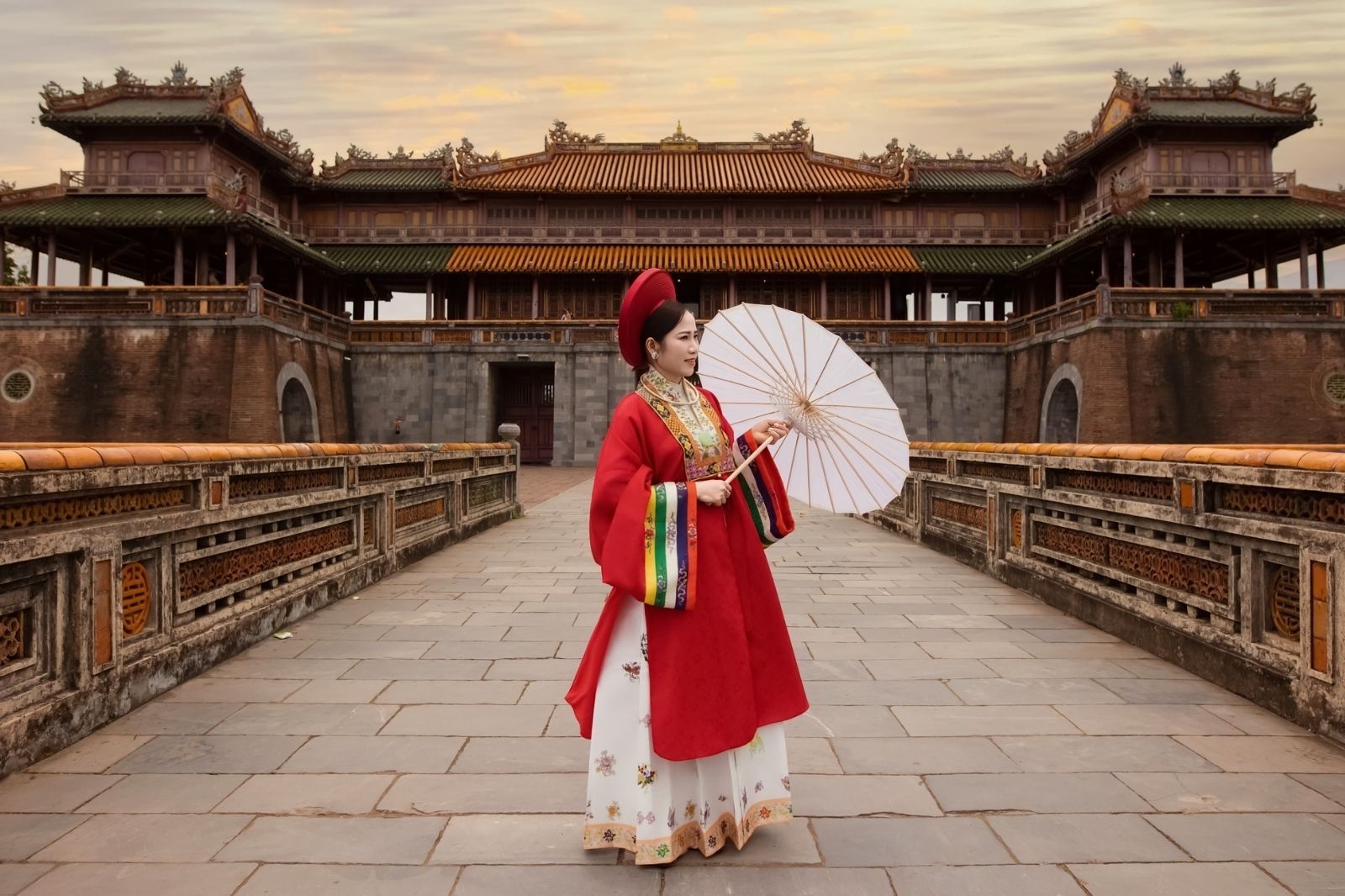
Hue Imperial City was an important administrative center of the Nguyen Dynasty
Photo: Hue Imperial City was an important administrative center of the Nguyen Dynasty 

2. Regulations on photography and filming in the Hue Imperial City

The following guidelines will help you avoid unnecessary reminders and enjoy a more complete sightseeing experience.

Personal photography

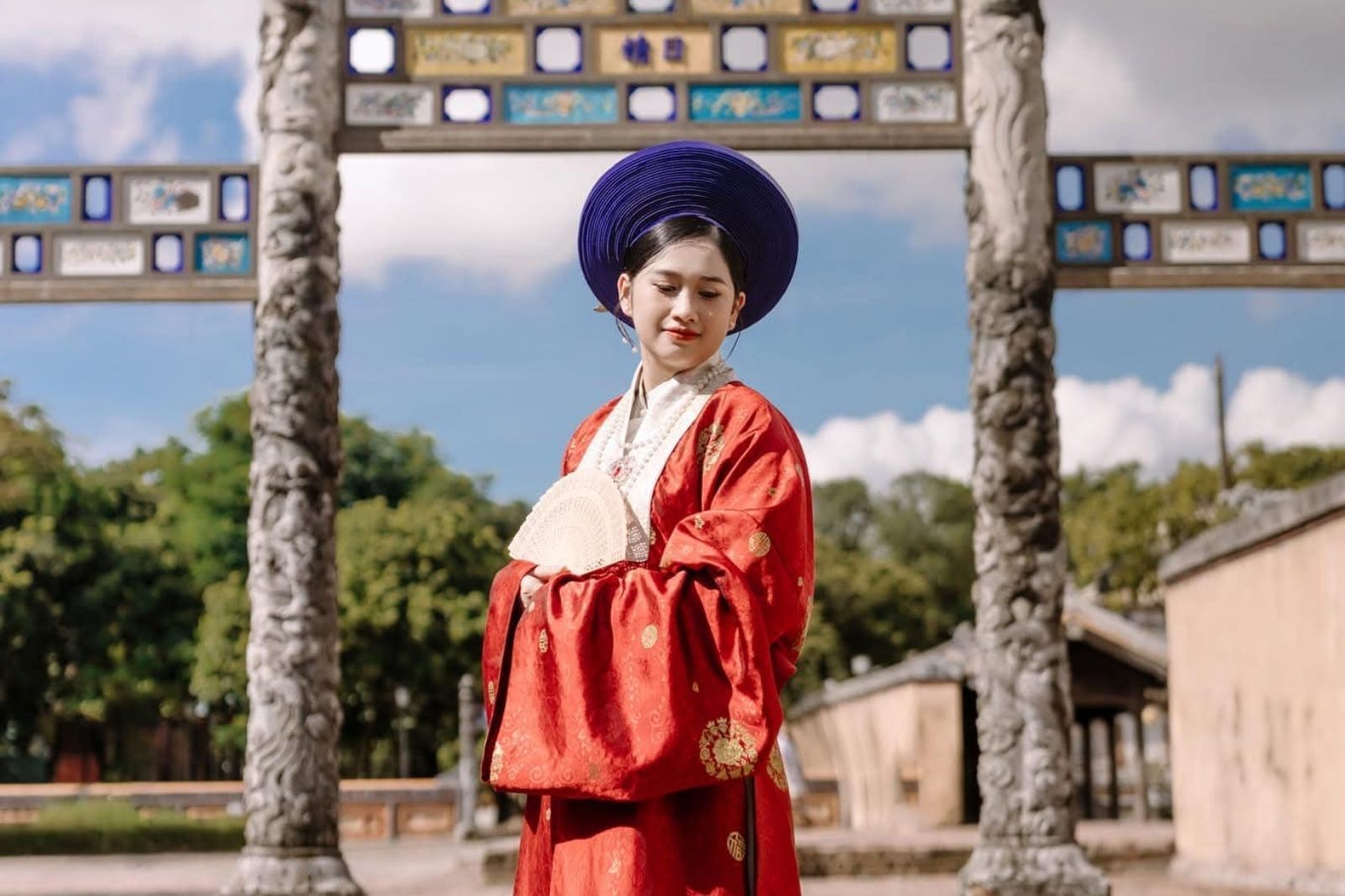
  • Personal photography is allowed: Visitors are allowed to take personal photos within the Hue Imperial City premises to preserve memories. Areas such as Ngo Mon Gate, the courtyard of Thai Hoa Palace, or the gardens are all ideal locations for check-in photos.
  • No professional equipment without permission: If you use professional cameras (DSLRs, specialized video cameras) or equipment such as tripods or gimbals, you need to ask for permission beforehand. The use of professional equipment without a permit may be denied or requested to stop.
  • Restrictions in certain sensitive areas: Certain areas in the Imperial City, such as palaces or places displaying precious artifacts, may prohibit photography to protect the relics or avoid affecting other visitors. Pay attention to signs prohibiting photography or filming in these areas.
Visitors are free to take personal photos
Photo: Visitors are free to take personal photos 

Wedding and art photography

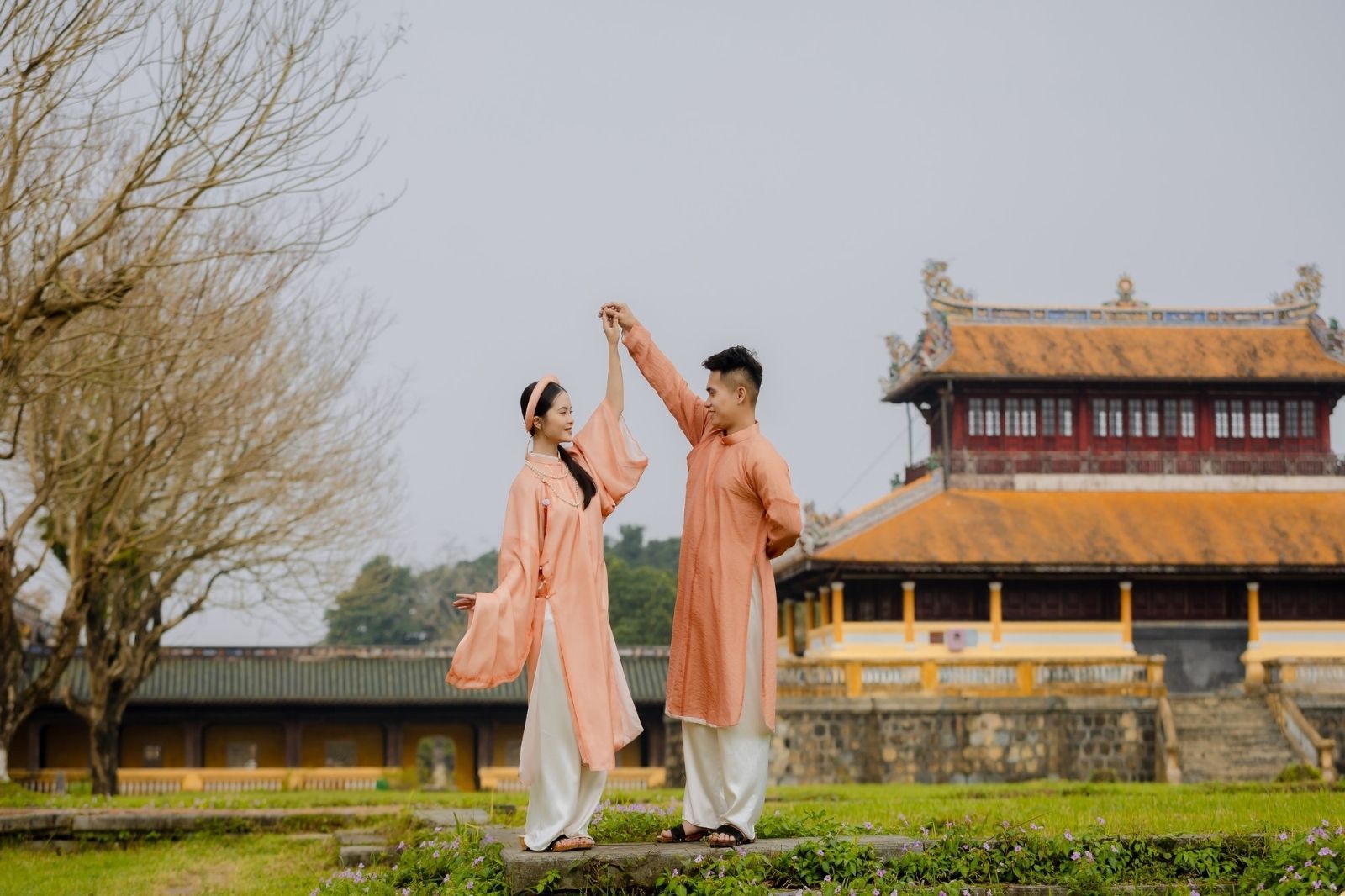
  • Prior permission required: If you want to shoot wedding photos, artistic photos, or concept photos at the Imperial City, you must register and request permission from the Hue Monuments Conservation Center. This procedure usually includes:
    • Submitting a permission application at least 7 days in advance.
    • Paying location fees (fees vary depending on the time and scale of the shoot).
    • Committing to comply with monument protection regulations and not damaging the landscape or artifacts.
  • Wedding photography timing: Usually arranged outside main visiting hours (early morning or late afternoon) to avoid affecting other visitors.

Professional or commercial filming

  • Stricter regulations: Professional filming activities, such as commercial films, music videos, documentaries, or commercial projects, must be licensed by the Hue Monuments Conservation Center.
  • Application process:
    • Send an application stating the purpose, time, filming locations, and list of equipment used.
    • Pay filming fees (usually higher than wedding photography fees).
    • A contract with terms to protect the monuments may need to be signed.

Using flycam (drone)

  • Flycams are prohibited: The use of flycams for aerial photography or filming in the Hue Imperial City area is completely prohibited unless special permission is granted by the management authority. This is to ensure security and protect the heritage space.
Do not use flycams for aerial photography or filming
Photo: Do not use flycams for aerial photography or filming

3. Important notes for taking photos and filming in the Hue Imperial City

To have a smooth photography and filming experience without violating regulations, you should note:

  • Respect the monuments:
    • Do not touch, climb on, or damage architectural structures and artifacts.
    • Do not litter; maintain general hygiene.
    • Avoid making noise or blocking the path of other visitors.
  • Appropriate attire: The Imperial City holds historical and cultural significance, so you should choose polite attire. If taking wedding or artistic photos, ensure the attire suits the cultural context (for example, traditional Ao Dai is a great choice).
  • Visiting hours: Hue Imperial City is open daily. If you want to take photos during beautiful light conditions (early morning or sunset), plan ahead and check opening hours.
  • Equipment preparation:
    • Bring spare batteries, memory cards, and suitable lenses for natural light photography.
    • If using a tripod or gimbal, prepare the necessary permits.
  • Contact in advance: To apply for permission for wedding photography or professional filming, you can contact the Hue Monuments Conservation Center via their official website or phone number: 0234 3523 235.
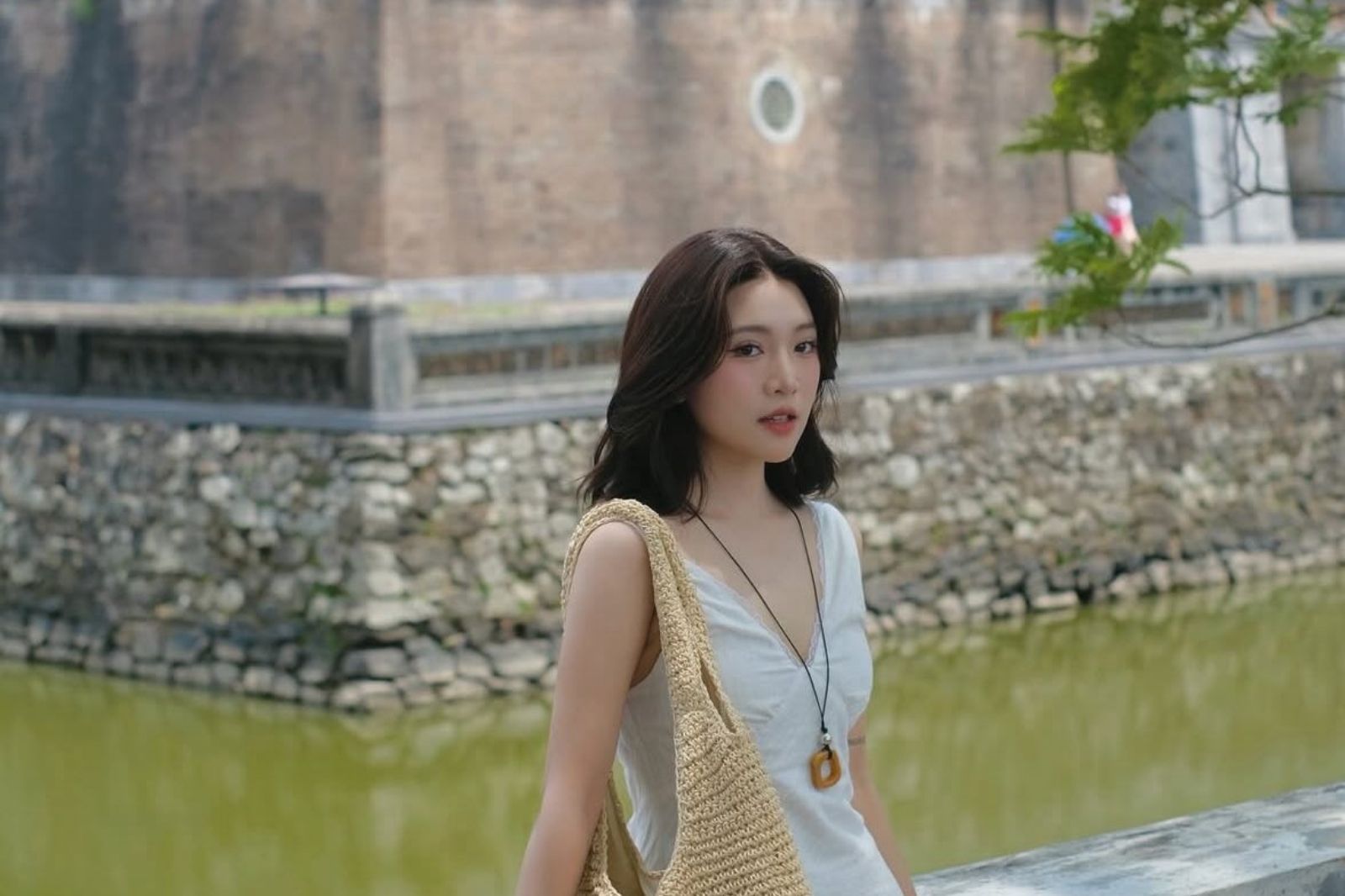
Visitors taking photos in Hue Imperial City
Photo: Visitors taking photos in Hue Imperial City

Hue Imperial City is not only a historical monument but also an endless source of inspiration for photography and filmmaking enthusiasts. With unique architecture, solemn spaces, and rich historical stories, it offers opportunities to create impressive artistic works. However, complying with photography and filming regulations is key to protecting this cultural heritage for future generations. If you want to learn history while capturing impressive photos, you can join the Hue Imperial City tour – a journey designed to guide you to the best photo spots, discover royal stories, and deeply experience royal court culture.

Loading......

Featured destinations