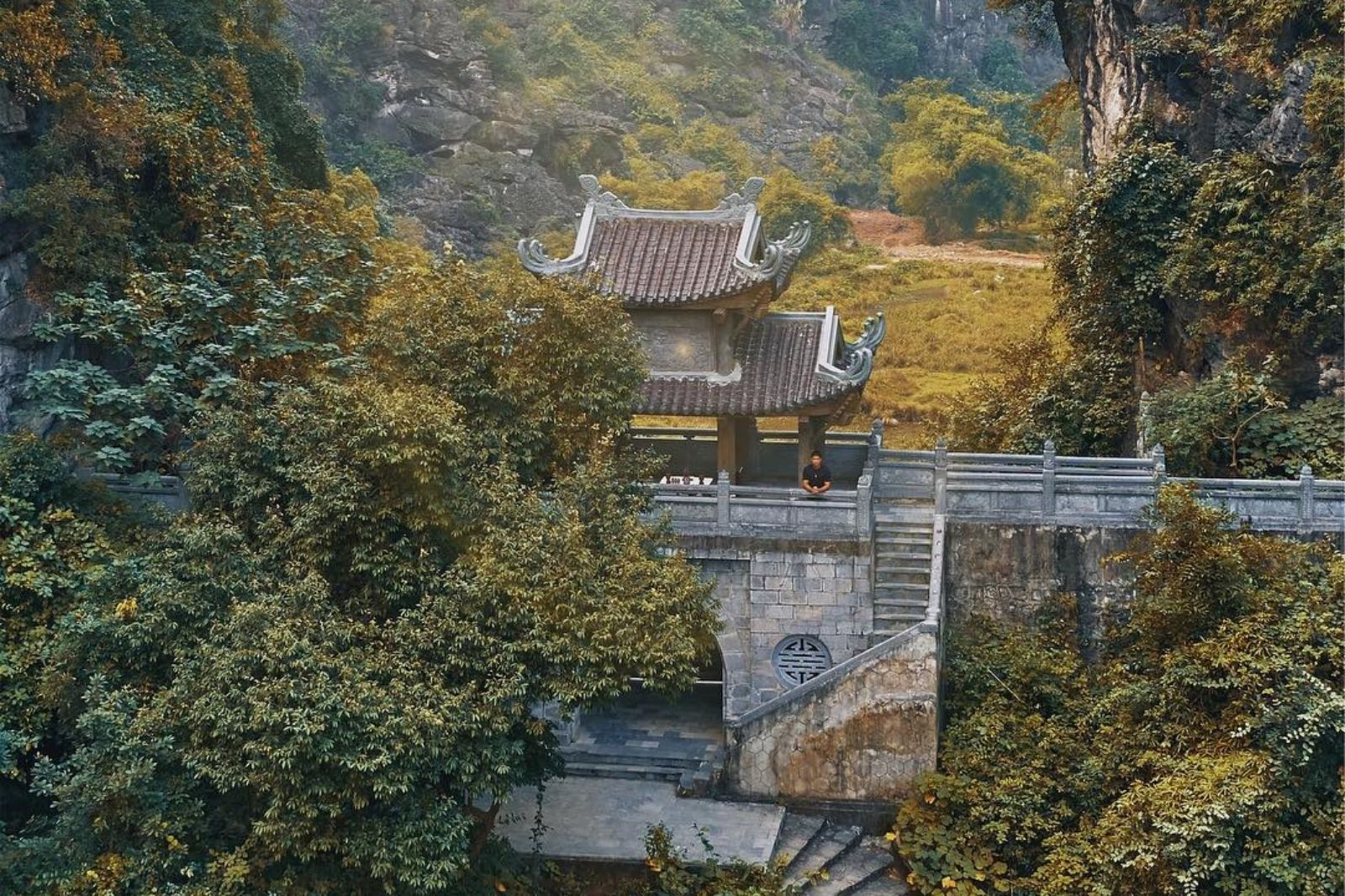
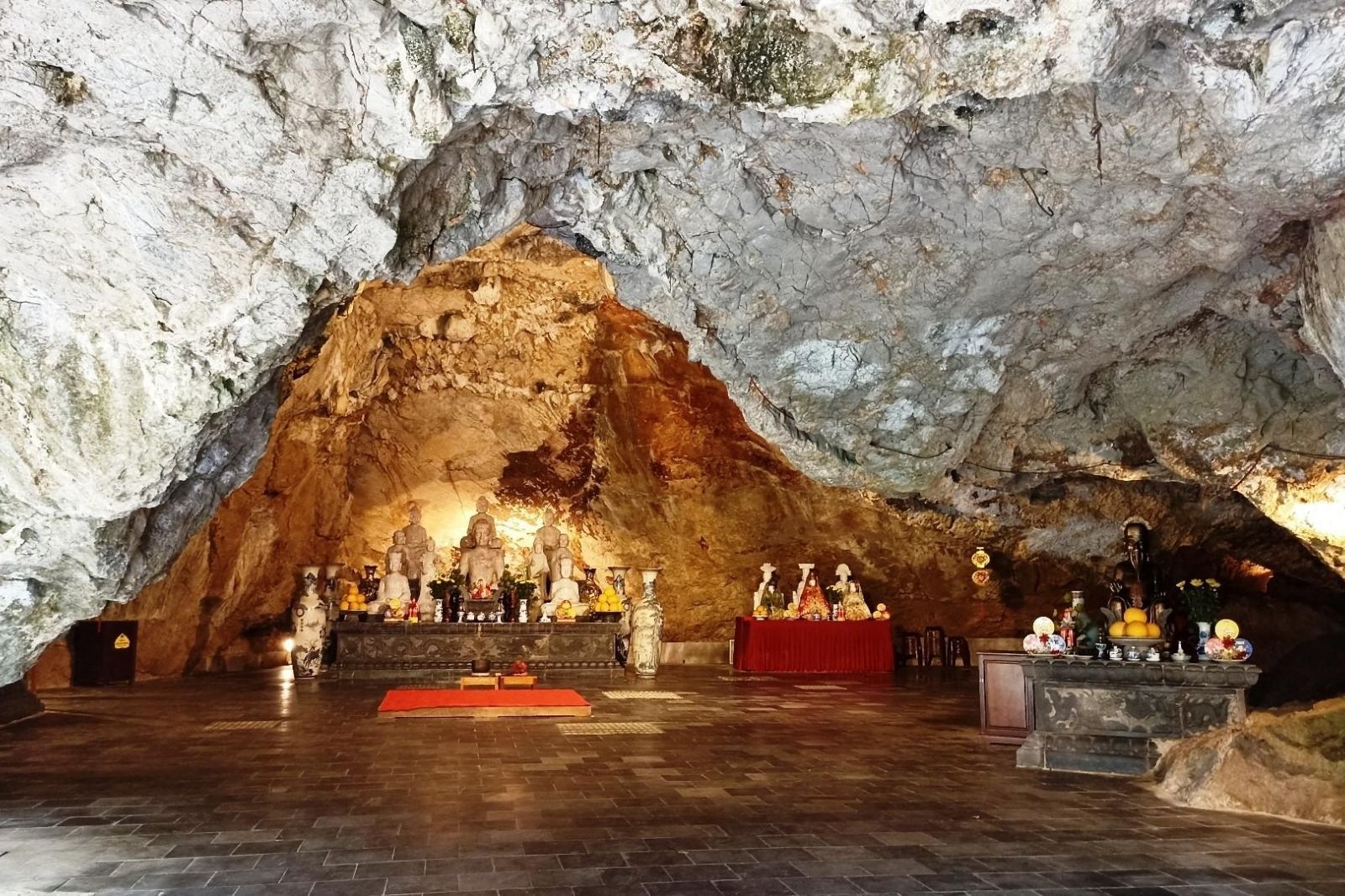
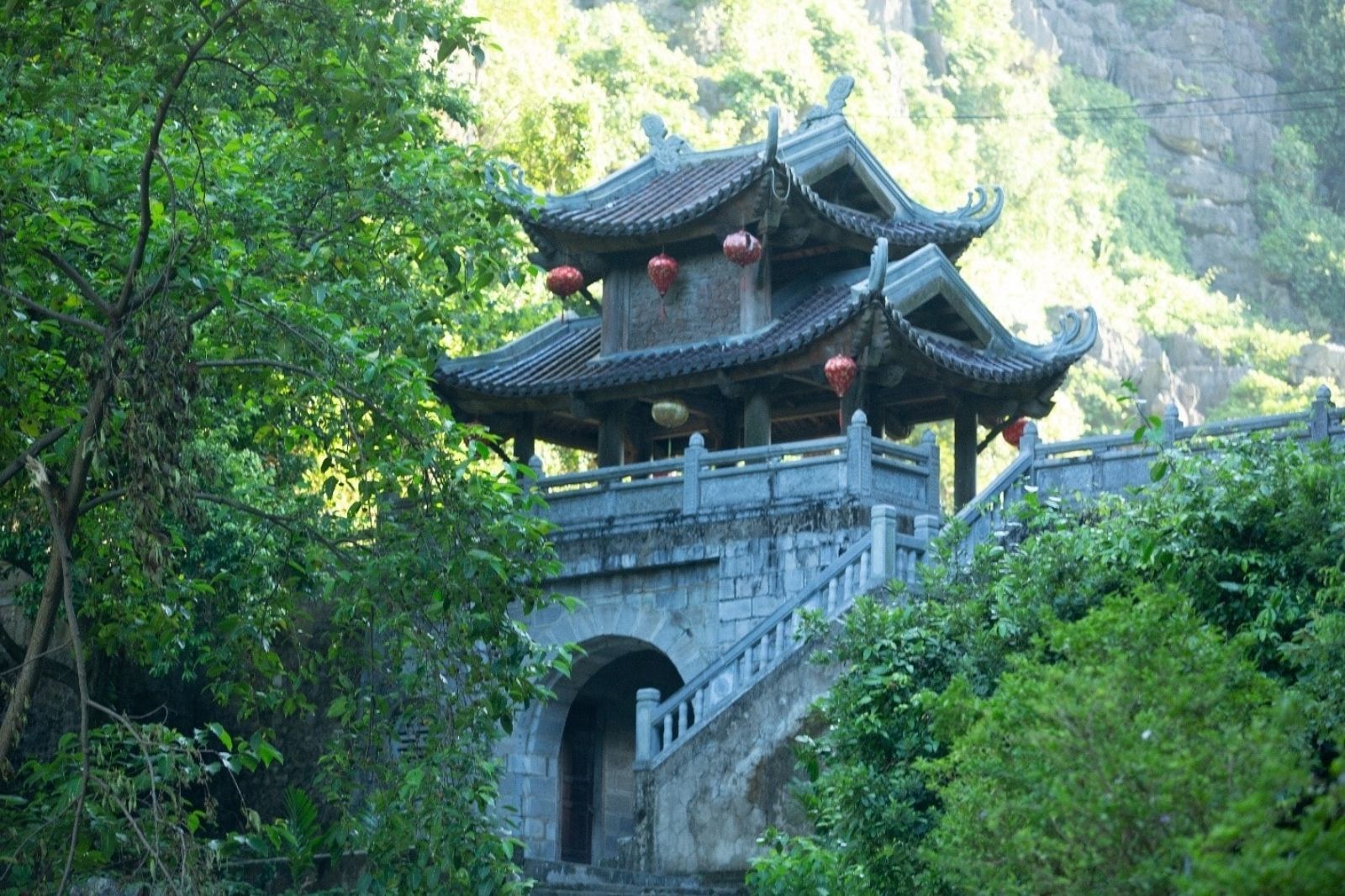
Am Tien Pagoda bears the marks of many important events in national history, especially associated with the two dynasties of Dinh and Early Le. During the reign of King Dinh Tien Hoang, the Am Tien cave area served as the execution ground of the Hoa Lu capital. Legend has it that this place was used to keep tigers and leopards to punish criminals, while Ao Giai (also known as Crocodile Pond) at the foot of the mountain was the place where executions were carried out. The martial arts master family, father and son Truong Ma Ni and royal son-in-law Truong Quan Son, were assigned to manage this area. By the reign of King Le Dai Hanh, Am Tien cave continued to be used to detain Song dynasty prisoners of war after the victory against invaders in 981.
After the end of the Dinh dynasty, Empress Dowager Duong Van Nga – a special woman in history who had been the Empress of both King Dinh Tien Hoang and King Le Dai Hanh – chose Am Tien as her place of monastic practice in her final years under the Buddhist name Bao Quang Hoang Thai Hau. She had the pagoda built right on the land that was once an execution ground, transforming a place associated with the severity of the law into a peaceful Buddhist sanctuary. That image is still passed down through generations in the folk verse:
"Two shoulders bearing two Kings
Empress of two dynasties, practicing at Am Tien Pagoda..."
By the Ly dynasty, Zen Master Nguyen Minh Khong came here to propagate the Dharma, building more altars inside the cave and helping make Am Tien an important monastic center. Over the centuries, the pagoda has been renovated many times. Ancient stone steles, including one erected during the Dong Khanh era, still preserve many valuable materials about the monument's restoration process.
Today, Am Tien Pagoda is a place to worship the Buddha, Zen Master Nguyen Minh Khong, Empress Dowager Duong Van Nga, along with many historical figures of the Dinh dynasty such as Truong Ma Ni, Truong Quan Son, and Princess Phu Dung. Not only a famous spiritual destination in Ninh Binh, the pagoda is also a witness to a heroic period of history, preserving stories of loyalty, national spirit, and the harmony between history and Buddhist beliefs.
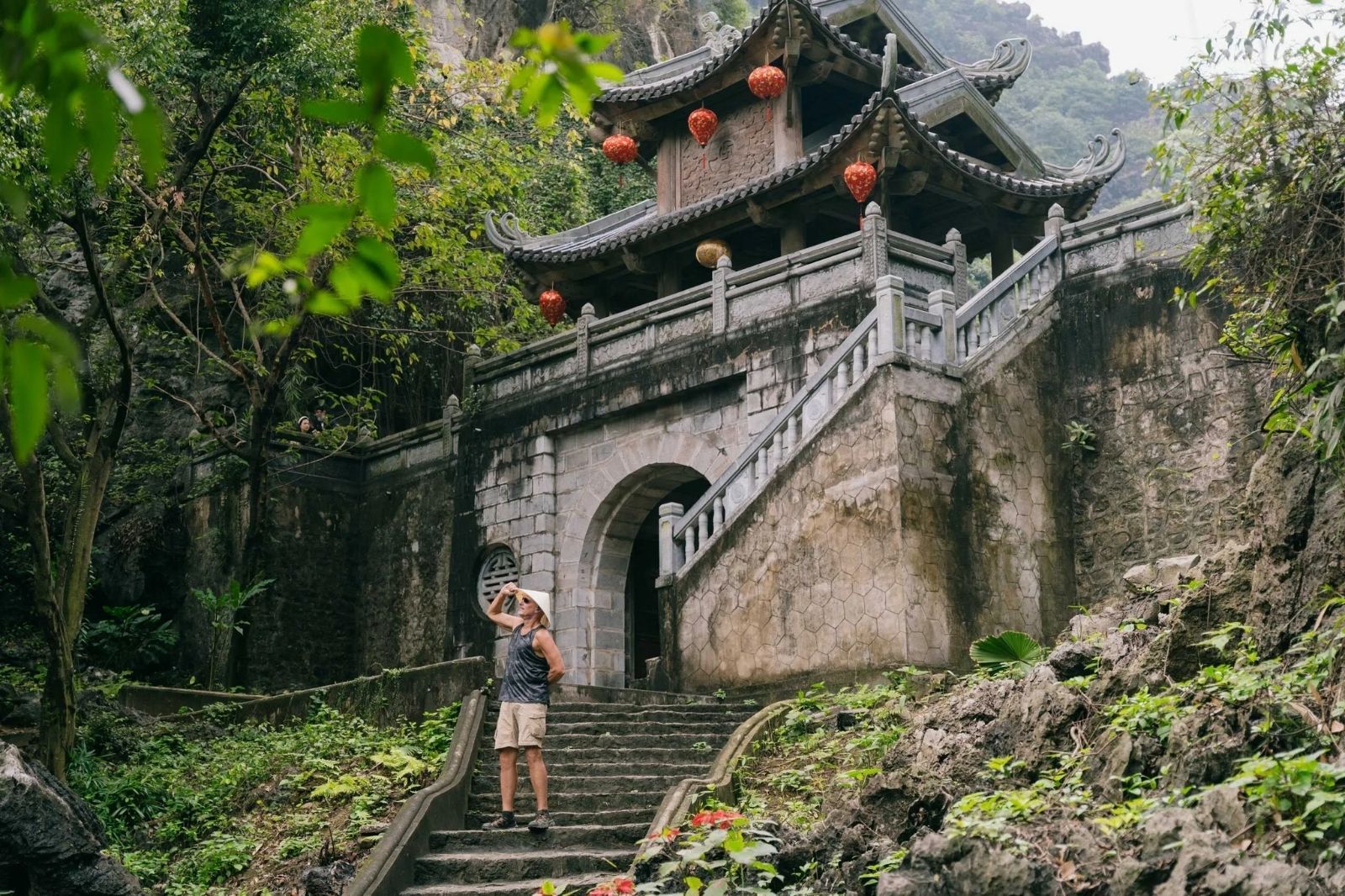
Photo: Ancient yin-yang architectural style of the pagoda